Complete Procedure for Alfa Laval Heat Exchanger Gaskets Replacement
Replacing gaskets on an Alfa Laval plate heat exchanger is a routine but critical maintenance task that directly affects thermal performance and leak prevention. This guide walks overseas process engineers and purchasing managers through the full replacement procedure, from identifying worn gaskets to reassembly and pressure testing. Whether you are maintaining an existing unit or sourcing compatible alternatives, understanding each step helps reduce downtime and extend equipment life. We also explain how SHPHE, a Shanghai-based manufacturer with ISO9001 and ASME U certifications, provides reliable gasketed plate heat exchangers and replacement parts for global clients.
Why Does an Alfa Laval Heat Exchanger Need Gasket Replacement?
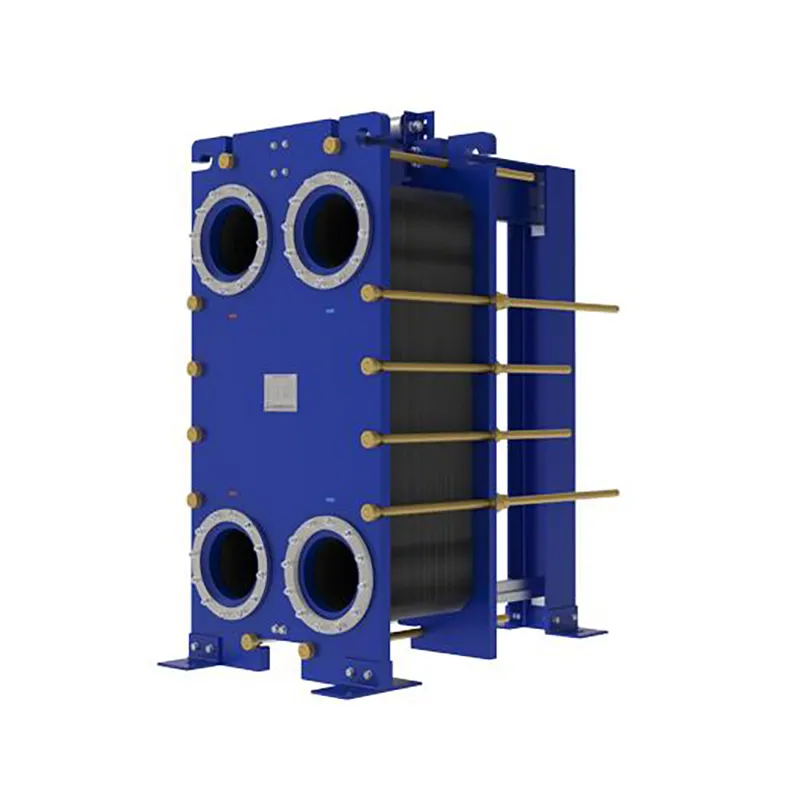
Gaskets in plate heat exchangers seal the gaps between plates, preventing cross-contamination and leaks. Over time, exposure to high temperatures, pressure cycles, and aggressive media causes gasket material to harden, crack, or lose elasticity. Common signs that an Alfa Laval heat exchanger gasket replacement is needed include visible fluid weeping between plates, a drop in heat transfer efficiency, or increased pressure drop across the unit. Routine inspection every 12 to 24 months is recommended, though actual frequency depends on operating conditions. Ignoring worn gaskets can lead to costly downtime and safety hazards.
What Tools and Materials Do You Need for the Job?
Before starting the Alfa Laval heat exchanger gasket replacement, gather the following items:
- Replacement gaskets compatible with your Alfa Laval model (check plate pattern and port size)
- Gasket adhesive or lubricant (as recommended by the manufacturer)
- Torque wrench with correct setting for your unit
- Soft brush, clean rags, and mild cleaning solution
- Plate lifting tool or sling for heavy assemblies
- Pressure test pump and gauge
Always refer to the original equipment manual for specific torque values and gasket part numbers. If you are using a compatible alternative from SHPHE, their technical team can provide cross-reference data and free thermal design support.
Step-by-Step Gasket Replacement Procedure
Follow these steps carefully to ensure a successful Alfa Laval heat exchanger gasket replacement:
- Isolate and drain the unit. Shut off both process and service media. Open drain valves and relieve any trapped pressure. Allow the exchanger to cool to ambient temperature.
- Measure and record the closing dimension. Before loosening the tightening bolts, measure the distance between the fixed and movable frame plates. This helps during reassembly.
- Loosen bolts gradually. Use a crisscross pattern to release the tightening bolts evenly. Remove the bolts and slide the movable frame back to expose the plate pack.
- Remove plates carefully. Separate each plate from the pack. Inspect for damage or corrosion. Place plates on a clean, flat surface.
- Strip old gaskets. Peel off the worn gaskets. Use a soft brush or plastic scraper to remove adhesive residue. Avoid scratching the plate surface.
- Clean the gasket grooves. Wipe grooves with a mild cleaning solution and a lint-free cloth. Ensure no debris or old adhesive remains.
- Apply new gaskets. Fit the replacement gasket into the groove. Use adhesive if specified by the manufacturer. Press firmly to ensure full contact.
- Reassemble the plate pack. Stack plates in the correct order, aligning the gasket patterns. Slide the movable frame back into position.
- Tighten bolts to specification. Use a torque wrench and tighten in a crisscross sequence to the original closing dimension. Do not overtighten.
- Pressure test the unit. Apply hydrostatic pressure at 1.3 times the design pressure. Check for leaks at all gasket joints. If leaks appear, retighten bolts slightly or replace the affected gasket.
Common Parameter Ranges for Gasketed Plate Heat Exchangers
Understanding typical operating limits helps you select the right replacement gasket material. Below are industry-generic ranges:
| Parameter |
Typical Range |
| Design pressure |
Up to 25 bar (360 psi) |
| Design temperature |
-20°C to 180°C (-4°F to 356°F) |
| Gasket materials |
NBR, EPDM, Viton, HNBR |
| Plate materials |
SS304, SS316L, Titanium, Hastelloy |
| Max plate pack size |
Up to 600 plates per unit |
For specific applications, always consult the manufacturer’s datasheet. SHPHE offers free thermal design and selection services to match your process conditions.
Applications and Recommended Solutions
Alfa Laval heat exchanger gasket replacement is common across industries such as chemical processing, food and beverage, HVAC, and power generation. In chemical plants, aggressive media often require EPDM or Viton gaskets. For food-grade applications, NBR gaskets are typical. If your unit handles high-viscosity fluids or contains solids, consider a wide gap welded plate heat exchanger as an alternative. For extreme temperatures or pressures, TP welded plate heat exchangers offer a gasket-free solution. SHPHE also provides gasketed plate heat exchangers that are compatible with most Alfa Laval frame sizes, giving you a cost-effective replacement option.
Why Choose SHPHE for Your Heat Exchanger Needs?
SHPHE is a Shanghai-based plate heat exchanger manufacturer founded in 2005. We export to more than 20 countries and hold ISO9001 and ASME U certifications. Our product lines include HT-Bloc welded plate heat exchangers, TP welded plate heat exchangers, wide gap welded plate heat exchangers, gasketed plate heat exchangers, PCHE, plate air preheaters, and pillow plates. We offer free thermal design and selection services to ensure the right fit for your process. When you need an alternative to Alfa Laval heat exchanger gasket replacement, our compatible gaskets and plates meet OEM specifications at competitive prices. Our engineering team can also help you upgrade to a more robust solution like HT-Bloc welded plate heat exchangers for high-pressure duties.
Frequently Asked Questions
Q: How often should I replace gaskets on an Alfa Laval heat exchanger?
A: Typical replacement intervals range from 2 to 5 years, depending on operating temperature, pressure, and media aggressiveness. Annual inspection is recommended to catch early wear.
Q: Can I use SHPHE gaskets on my existing Alfa Laval frame?
A: Yes, SHPHE manufactures compatible gaskets for most Alfa Laval plate patterns and frame sizes. Provide your model number and plate dimensions for a precise match.
Q: What gasket material is best for high-temperature applications?
A: Viton (FKM) gaskets handle temperatures up to 200°C (392°F). For steam applications, consider HNBR or a welded plate design if temperatures exceed gasket limits.
Q: Do I need to replace all gaskets at once?
A: It is best practice to replace all gaskets in a plate pack simultaneously to ensure uniform sealing and avoid future leaks from older gaskets.
Q: How do I know the correct torque for tightening bolts?
A: Torque values vary by frame size and gasket material. Refer to the original manual or contact SHPHE for a recommended torque chart based on your unit.
Q: Can a gasket leak after replacement?
A: Yes, if the plate surface is damaged, the gasket is improperly seated, or bolts are unevenly tightened. Always perform a pressure test after reassembly to verify sealing.
Request a Quote for Your Next Gasket Replacement
To ensure a smooth Alfa Laval heat exchanger gasket replacement, provide our team with your flow rate, temperature, pressure, and media details. SHPHE will recommend the right gasket material, plate configuration, or a complete replacement unit if needed. Contact us today for a free thermal design and competitive pricing.

 English EN





User Comments
Service Experience Sharing from Real Customers
Mike Torres
Maintenance SupervisorWe swapped out the gaskets on our M15 unit last month. The fit was spot-on, no trimming needed. Saved us a shutdown day compared to the generic kits we tried before. Definitely sticking with OEM replacements for the critical exchangers.
Sarah Jenkins
Plant EngineerGot the gasket set for an older PHE. Instructions were clear, and the material feels way more flexible than the crusty originals. Only ding is shipping took a bit longer than quoted, but the quality made up for it. Will order again.
Dave Kowalski
Shift Lead OperatorNot gonna lie, I was dreading this job. But these gaskets slid right into the grooves on our M3. No leaks after pressure test. My guys finished two hours early. Boss was happy, I was happy. Good stuff.
Emily Hart
HVAC Service TechnicianUsed these on a plate heat exchanger in a commercial chiller system. Gaskets held up well under 180°F loop water. Only reason it’s not 5 stars is I wish the adhesive backing was a tad stickier during installation. Otherwise, solid product.