How to Select the Right Replacement Plates for Alfa Laval Heat Exchanger Applications
Selecting the correct replacement plates for Alfa Laval heat exchanger applications is critical to maintaining thermal performance, pressure integrity, and long equipment life. This guide covers the key factors—plate geometry, material compatibility, gasket type, and sizing—that process engineers and procurement managers must evaluate. Whether you are retrofitting an existing unit or sourcing a compatible alternative, understanding these parameters helps avoid costly downtime and performance mismatches. We also discuss how SHPHE, a Shanghai-based manufacturer with ISO9001 and ASME U certifications, provides free thermal design and selection services to simplify your decision.
What Makes a Replacement Plate Compatible with Alfa Laval Units?
Compatibility goes beyond bolt-hole alignment. The plate’s corrugation pattern, chevron angle, and port size must match the original frame and gasket system. Alfa Laval heat exchangers use specific plate geometries to achieve targeted heat transfer coefficients and pressure drops. Using a plate with a different chevron angle (e.g., 30° vs. 60°) can shift the thermal-hydraulic performance significantly. Always request a dimensional drawing and compare it with your existing plate’s thickness, overall length, and width. SHPHE’s engineering team can cross-reference your OEM plate number to recommend a drop-in replacement that meets the same performance curve.
Key Parameters to Verify Before Ordering Replacement Plates
When sourcing replacement plates for Alfa Laval heat exchanger applications, verify these five parameters:
- Plate material: Common grades include AISI 304, 316L, titanium, and Hastelloy. Match the original material to avoid galvanic corrosion or chemical attack.
- Gasket type and material: Clip-on, snap-on, or glue-on gaskets; NBR, EPDM, or Viton depending on temperature and fluid compatibility.
- Port size and location: Ensure the port diameter and center distances align with your frame’s inlet/outlet connections.
- Chevron angle: High-angle (60°) plates give higher heat transfer but higher pressure drop; low-angle (30°) plates reduce pressure drop but also thermal efficiency.
- Plate thickness: Typically 0.4–0.6 mm for stainless steel; thicker plates reduce heat transfer but improve pressure rating.
A simple way to confirm compatibility is to measure your current plate’s overall length, width, and gasket groove profile. SHPHE offers a free cross-reference service where you send a photo or part number, and they provide a matching recommendation.
How Do Material Choices Affect Long-Term Performance?
Material selection directly impacts corrosion resistance, service life, and cost. For Alfa Laval heat exchanger applications involving seawater or brackish water, titanium plates are often preferred due to their high pitting resistance. In food or pharmaceutical processes, 316L stainless steel provides good cleanability and resistance to mild acids. For aggressive chemical media, Hastelloy C-276 or C-22 plates are recommended. Gasket material must also match the fluid temperature: NBR works up to 130°C, EPDM up to 150°C, and Viton up to 200°C. SHPHE stocks plates in all these materials and can advise on the best combination for your specific duty cycle.
Common Applications That Require Replacement Plates
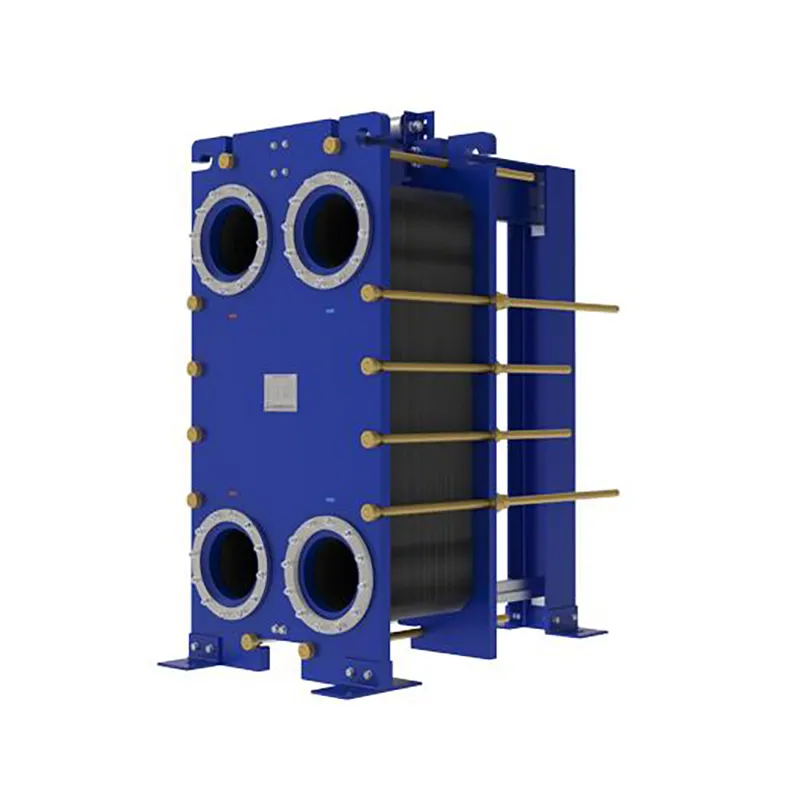
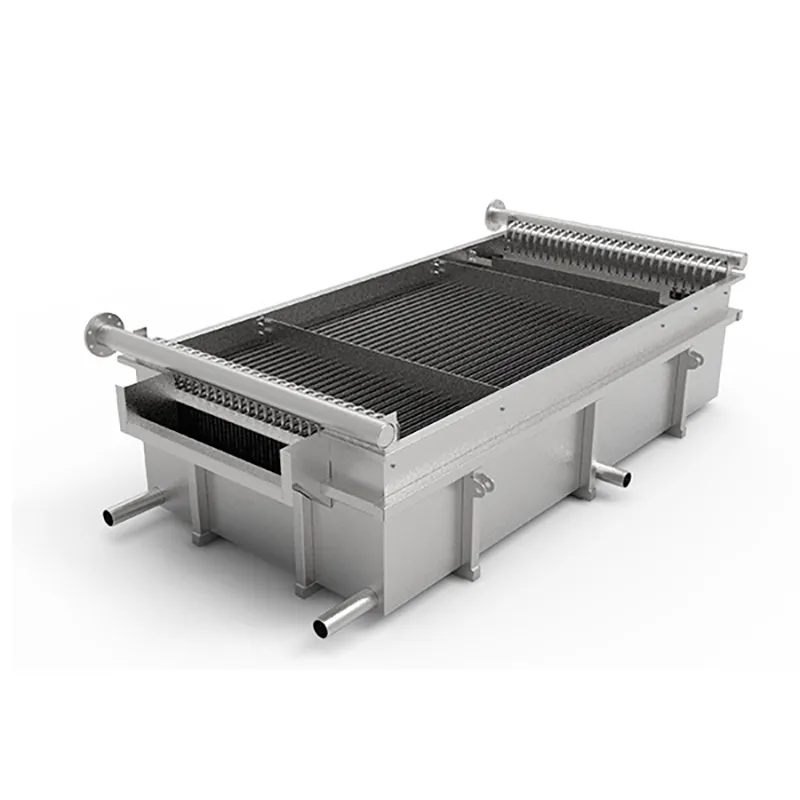
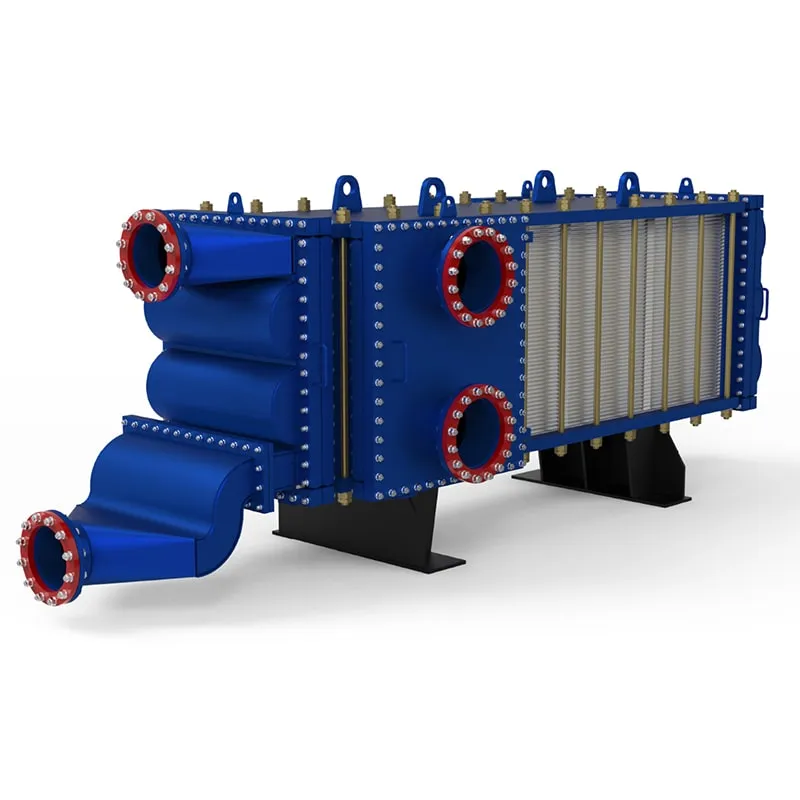
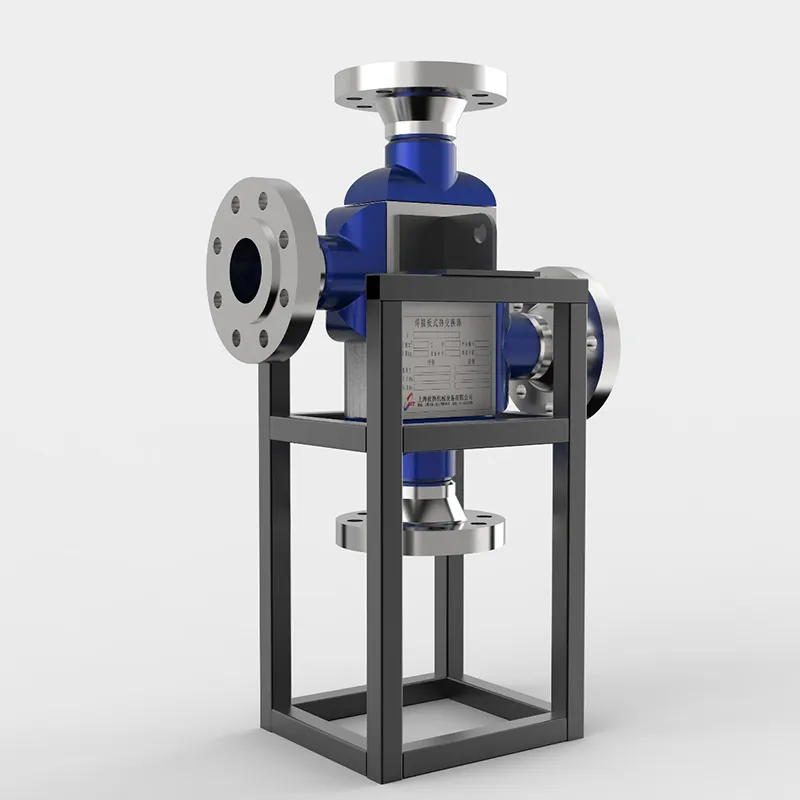
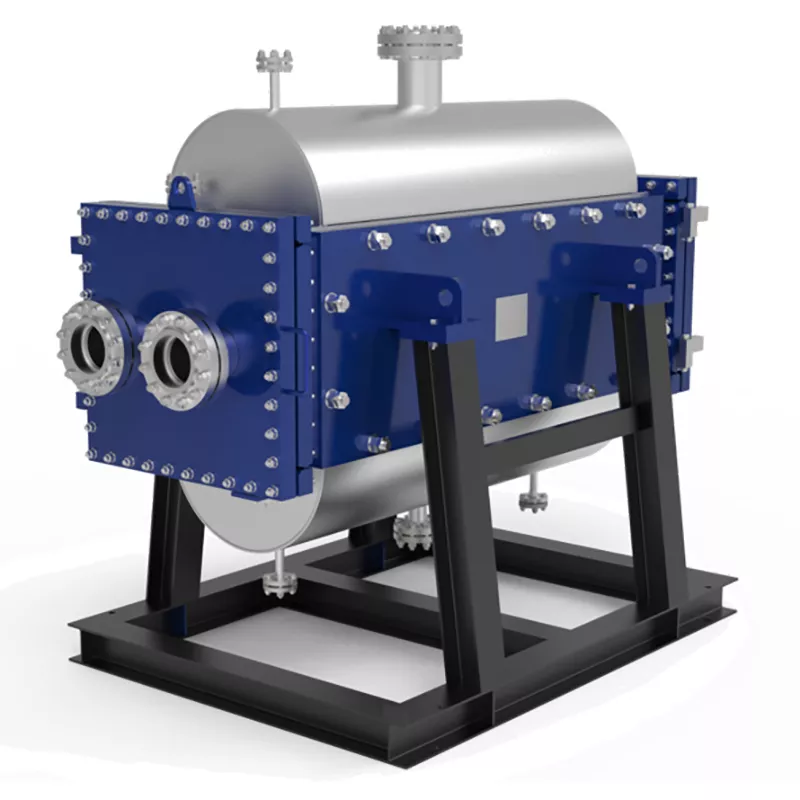
Replacement plates are frequently needed in HVAC systems, chemical processing, oil and gas cooling, and dairy pasteurization. In each case, the plate’s thermal and mechanical properties must align with the process conditions. For example, a wide-gap plate design is better for fluids with suspended solids, while a herringbone pattern suits clean fluids requiring high turbulence. SHPHE’s product lines—including gasketed plate heat exchangers and wide gap welded plate heat exchangers—offer compatible alternatives that match or exceed OEM performance. Their free selection service uses your flow rate, temperature, and pressure data to pinpoint the right plate model.
Why Choose SHPHE for Alfa Laval-Compatible Replacement Plates?
SHPHE has been manufacturing plate heat exchangers in Shanghai since 2005, exporting to over 20 countries with ISO9001 and ASME U certifications. Their engineering team provides free thermal design and selection, ensuring that every replacement plate for Alfa Laval heat exchanger applications fits correctly and performs as expected. They offer a full range of compatible plates for gasketed, welded, and semi-welded units, with lead times typically shorter than OEM alternatives. Whether you need a single plate or a full set, SHPHE’s quality control includes hydrostatic testing and dimensional inspection. For specialized needs, they also produce printed circuit heat exchangers and custom pillow plates.
Frequently Asked Questions
Can I use a plate from a different manufacturer on my Alfa Laval frame?
Yes, as long as the plate dimensions, port locations, and gasket profile match the original frame. Many aftermarket suppliers, including SHPHE, produce plates that are fully interchangeable with Alfa Laval units. Always verify the plate thickness and corrugation pattern to ensure thermal performance stays within your process limits.
How do I know if my plate is worn out and needs replacement?
Signs include visible pitting, cracks, or thinning at the gasket groove; a drop in heat transfer efficiency; or increased pressure drop across the exchanger. Regular inspection every 12–24 months is recommended. If you notice fluid leakage between plates, the gasket or plate surface may be compromised.
What is the typical lead time for replacement plates from SHPHE?
For standard materials like 304 or 316L stainless steel, lead time is usually 2–4 weeks. For exotic alloys such as titanium or Hastelloy, expect 4–6 weeks. SHPHE can expedite urgent orders upon request. They also offer a free cross-reference service to speed up the selection process.
Do replacement plates come with gaskets pre-installed?
Most suppliers, including SHPHE, offer plates with or without gaskets. You can order loose gaskets for field installation or request factory-bonded gaskets for a more secure fit. Specify your preference when placing the order.
How can I ensure the replacement plate will not void my warranty?
Check your original equipment warranty terms—many OEMs allow aftermarket parts as long as they meet equivalent specifications. SHPHE provides a certificate of conformance and material test reports upon request, which can help satisfy warranty requirements.
What is the cost difference between OEM and aftermarket plates?
Aftermarket plates from SHPHE typically cost 20–40% less than OEM parts, depending on material and quantity. The savings come from direct manufacturing and no brand markup, without compromising on quality or performance.
Request a Quote for Your Replacement Plates
To get an accurate recommendation and pricing for replacement plates in Alfa Laval heat exchanger applications, please provide the following details to SHPHE’s sales team: flow rate (hot and cold side), inlet and outlet temperatures, operating pressure, and fluid media. Include the existing plate part number or a photo of the plate. SHPHE will perform a free thermal design and selection, and send you a quotation with drawings and material certifications. This ensures you receive a drop-in replacement that maintains your system’s efficiency and reliability.

 English EN





User Comments
Service Experience Sharing from Real Customers
Mike Thompson
Maintenance SupervisorWe had a sudden plate failure on our Alfa Laval M15 unit last month, and these replacement plates were a lifesaver. Fit perfectly right out of the box, no filing or trimming needed. The gasket grooves were clean and the clamping torque matched the original specs. Saved us a week of downtime compared to waiting for OEM. Definitely ordering more for our spares inventory.
Sarah Jenkins
Process EngineerDecided to try these after our usual supplier raised prices again. For the M10 model, the thickness and corrugation pattern looked identical to the originals. We ran them at 85°C with a glycol loop for three weeks now—no leaks, no deformation. Only reason I'm not giving 5 stars is the packaging could be a bit sturdier; one corner of the cardboard was crushed, but the plates themselves were fine.
Jack Morrison
Shift EngineerHonestly, I was skeptical about aftermarket plates for our T20 heat exchanger, but these are solid. The 316L material feels right, and the laser marking matched our old plates. We swapped out a whole pack during a turnaround, and they sealed up without any cross-leakage on the pressure test. My crew appreciated that the bolt holes aligned without having to wrestle the frame. Will buy again.
Dave Kowalski
Facility ManagerGot these for an older P20 model that's been giving us trouble. The plates themselves are decent quality and the price is fair, but the gaskets that came pre-fitted seemed a bit softer than the originals. We had to re-torque the frame after the first heat cycle. No leaks yet, but I'd suggest buying spare gaskets separately just in case. Not bad for a quick fix, but for critical lines I'd still go OEM.