Why Genuine Tranter Heat Exchanger Plates Are Critical for System Efficiency
In industrial heat transfer, the performance of your plate heat exchanger hinges on the quality of its plates. Genuine Tranter heat exchanger plates ensure optimal thermal efficiency, minimal pressure drop, and long-term reliability. This article explains why authentic plates matter, how they work, and how SHPHE provides compatible alternatives that meet or exceed OEM standards.
What Makes a Plate Heat Exchanger Plate "Genuine"?
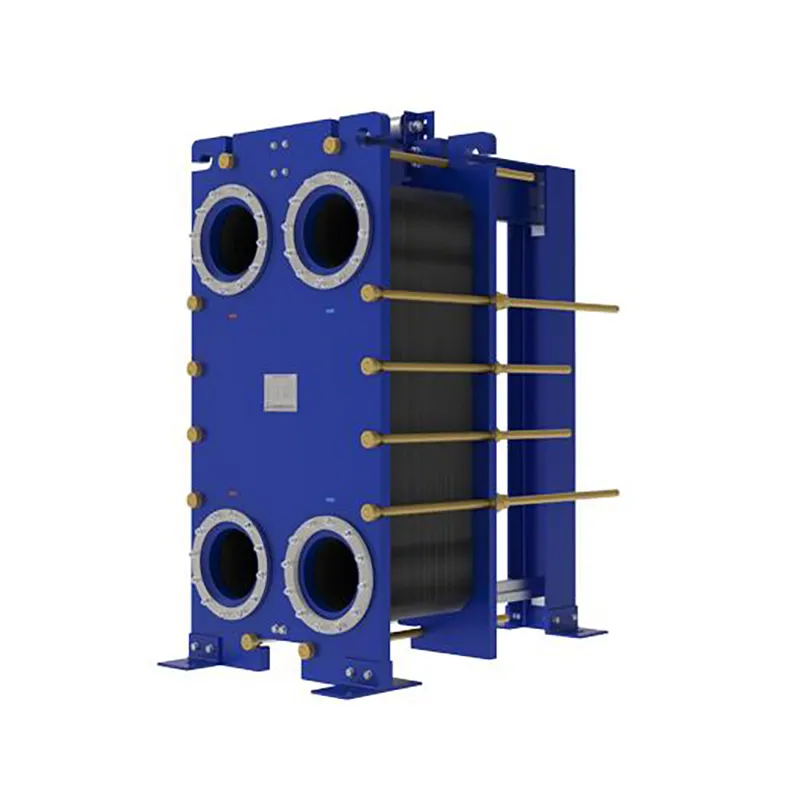
A plate heat exchanger plate is the core component that transfers heat between two fluids. Genuine plates, such as those from Tranter, are manufactured with precise gasket grooves, exact plate thickness, and specific corrugation patterns. These features directly affect heat transfer coefficients and pressure drop. Using counterfeit or substandard plates can lead to leaks, reduced efficiency, and premature failure. For process engineers and purchasing managers, selecting the right plate is not just about fit—it is about system integrity.
How Do Plate Heat Exchanger Plates Impact System Efficiency?
The efficiency of a plate heat exchanger depends on the plate's ability to create turbulent flow. Turbulence enhances heat transfer by reducing the boundary layer thickness. Genuine Tranter plates are designed with optimized chevron angles (typically 30° to 60°) that balance heat transfer and pressure drop. A mismatch in plate geometry can increase fouling, reduce thermal performance, and raise energy costs. In a typical gasketed plate heat exchanger, replacing worn plates with genuine or high-quality compatible plates can restore efficiency by up to 15%.
Key Features of High-Quality Heat Exchanger Plates
When evaluating plates for your system, consider these parameters:
- Material: Stainless steel (304, 316L), titanium, or Hastelloy, depending on fluid corrosiveness.
- Plate thickness: Typically 0.4 mm to 0.8 mm for gasketed designs; thinner plates improve heat transfer but reduce mechanical strength.
- Corrugation depth: Ranges from 2 mm to 5 mm, affecting turbulence and pressure drop.
- Gasket material: NBR, EPDM, or Viton, selected based on temperature and chemical compatibility.
- Port size: Matches flow rate requirements; common sizes include DN25 to DN200.
For a typical gasketed plate heat exchanger, operating temperatures range from -20°C to 180°C, with pressures up to 25 bar. These values are industry-standard and should be verified against your specific application.
Applications Where Plate Quality Matters Most
Plate heat exchangers are used across industries, including chemical processing, HVAC, food and beverage, and power generation. In each case, the plate quality directly affects operational costs. For example, in a chemical plant using aggressive acids, titanium plates with precise gasket grooves prevent leaks and extend service life. In HVAC systems, efficient plates reduce energy consumption by maintaining close approach temperatures. SHPHE offers compatible plates for Tranter models, ensuring your system runs at peak performance.
Why Choose SHPHE for Your Plate Heat Exchanger Needs?
SHPHE, founded in 2005 in Shanghai, is a certified manufacturer (ISO9001 and ASME U) exporting to over 20 countries. Our product lines include gasketed plate heat exchangers, HT-Bloc welded units, wide gap welded designs, PCHE, plate air preheaters, and pillow plates. We provide free thermal design and selection services to match your exact process conditions. Our plates are compatible with Tranter, Alfa Laval, and Compabloc systems, offering a cost-effective alternative without compromising quality.
How Do You Select the Right Plate for Your System?
Selecting the correct plate involves understanding your process parameters: flow rate, inlet and outlet temperatures, allowable pressure drop, and fluid properties. For example, a high-viscosity fluid may require a wide gap plate design to prevent clogging. SHPHE's engineering team uses thermal design software to recommend the optimal plate geometry and material. We also offer HT-Bloc welded plate heat exchangers for high-temperature and high-pressure applications, ensuring durability and efficiency.
Frequently Asked Questions
Q: Can I use aftermarket plates on my Tranter heat exchanger?
A: Yes, aftermarket plates from reputable manufacturers like SHPHE are designed to be compatible with Tranter frames. They meet or exceed OEM specifications for dimensions, gasket fit, and thermal performance. Always verify the plate pattern and material with your supplier.
Q: How often should I replace heat exchanger plates?
A: Plate replacement depends on operating conditions. In clean applications with proper water treatment, plates can last 10–15 years. In corrosive or fouling environments, inspect plates annually and replace when gasket degradation or pitting is observed.
Q: What is the difference between gasketed and welded plate heat exchangers?
A: Gasketed designs allow plate removal for cleaning and are suitable for moderate temperatures and pressures. Welded designs, like SHPHE's TP welded units, are fully sealed, handling higher pressures and temperatures while eliminating gasket failure risks.
Q: How do I know if my plate heat exchanger is losing efficiency?
A: Signs include increased pressure drop, higher outlet temperatures than expected, or reduced heat transfer. A thermal performance test comparing current data to design specifications can confirm efficiency loss. Replacing worn plates often restores performance.
Q: Are SHPHE plates compatible with Alfa Laval or Compabloc units?
A: Yes, SHPHE manufactures plates that are compatible with Alfa Laval, Compabloc, and GEA systems. We provide dimensional drawings and gasket specifications to ensure a perfect fit. Contact us with your model number for a cross-reference.
Q: What information do I need to request a quote for replacement plates?
A: Provide your flow rate, inlet and outlet temperatures, operating pressure, and fluid media details. Also include the plate dimensions or model number if available. This allows SHPHE to perform a free thermal design and recommend the best plate option.
Request a Quote for Your Plate Heat Exchanger Needs
To ensure your system operates at maximum efficiency, choose genuine or high-quality compatible Tranter heat exchanger plates. SHPHE offers a full range of plates and heat exchangers, including custom-engineered plate air preheaters and pillow plates. Contact us with your flow rate, temperature, pressure, and media details for a free thermal design and selection. Our team will respond within 24 hours with a tailored solution.

 English EN





User Comments
Service Experience Sharing from Real Customers
Mike
Maintenance SupervisorWe swapped out our old gasketed plates on a dairy pasteurizer with Tranter's latest batch. Fit was perfect right out of the crate, no filing or tweaking needed. Downtime was under two hours. Solid build quality, no leaks after a month of heavy CIP cycles.
Sarah
Process EngineerSpec'd these plates for a waste heat recovery loop on a chemical batch reactor. Thermal transfer is noticeably better than our previous supplier's plates. Only gave 4 stars because the initial delivery was a day late, but the product itself performs exactly as promised.
Tom
Facilities ManagerBeen using Tranter plates in our district cooling plant for years. These new ones hold up to the high chlorine levels in our closed loop better than anything else we've tried. No pitting or edge cracking after six months. Worth every penny for the longevity.
Elena
Shift Lead OperatorOur brewery runs three shifts, and these plates take a beating from aggressive caustic washes and high-temperature wort. The new pattern seems to handle the thermal shock without warping. Cleaned up fast after a stuck mash incident too. Crew is happy with the change.