Proactive Plate Heat Exchanger Maintenance to Maximize Operational Efficiency
Plate heat exchanger maintenance is often overlooked until performance drops, leading to unplanned downtime and higher energy costs. This article provides process engineers and purchasing managers with a practical, data-driven approach to keeping plate heat exchangers running at peak efficiency. From cleaning intervals to inspection checklists, we cover the essentials—backed by real-world parameters and industry standards—to help you extend equipment life and reduce total cost of ownership.
What Is Proactive Plate Heat Exchanger Maintenance?
Proactive plate heat exchanger maintenance means scheduling inspections, cleaning, and part replacements before problems arise—rather than reacting to failures. For a typical gasketed plate heat exchanger, fouling can reduce heat transfer coefficient by 20–40% within months if untreated. By adopting a proactive plan, you maintain thermal performance, minimize pressure drop increases, and avoid costly emergency repairs. This approach is especially critical for industries like chemical processing, HVAC, and food production where uptime is non-negotiable.
How Does a Plate Heat Exchanger Work in a Process Scenario?
In a typical process loop, hot and cold fluids flow through alternating channels between corrugated plates. The plates create high turbulence, which enhances heat transfer and reduces fouling compared to shell-and-tube designs. For example, a gasketed plate heat exchanger handling 100 m³/h of cooling water can achieve a temperature approach of 2–5°C. However, if the plates become scaled or clogged, the pressure drop can double, and the heat transfer rate drops sharply. Regular maintenance ensures these parameters stay within design limits.
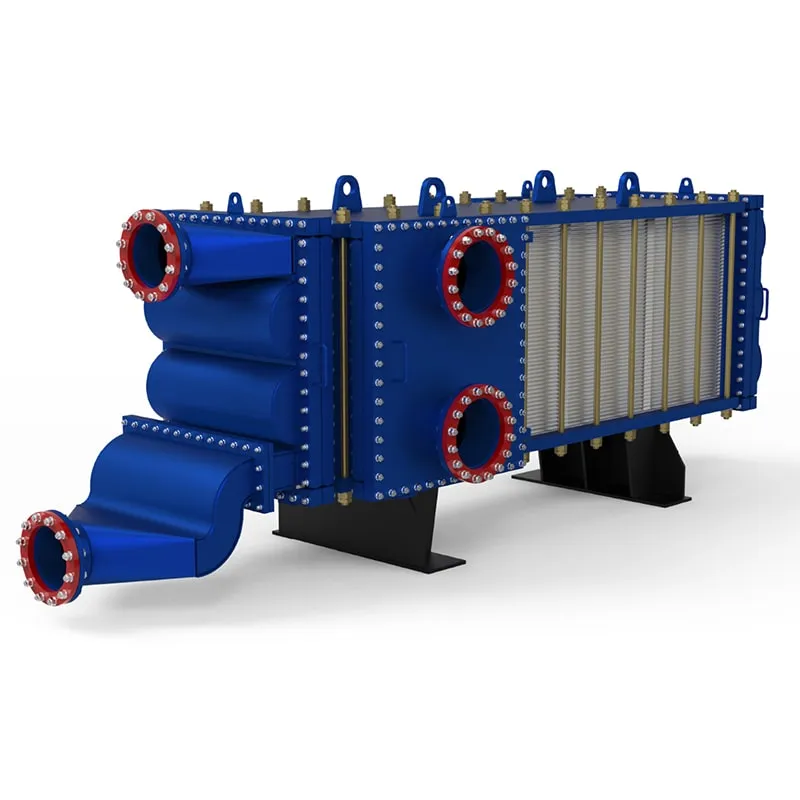
Key Features and Typical Parameter Ranges for Maintenance Planning
Understanding the typical operating parameters helps you set realistic maintenance thresholds. Below are commonly accepted ranges for plate heat exchangers:
- Design pressure: Up to 25 bar (gasketed) and 100 bar (welded)
- Design temperature: -40°C to 200°C (gasketed), up to 900°C (welded)
- Heat transfer coefficient: 3,000–7,000 W/m²K for water-to-water
- Fouling factor: 0.0001–0.0005 m²K/W (clean conditions)
- Pressure drop: Typically 0.5–2 bar per pass
If your HT-Bloc welded plate heat exchanger shows a pressure drop increase of more than 30% above baseline, it is time to schedule cleaning. For gasketed units, a 15% drop in thermal performance warrants inspection.
Applications and Recommended Maintenance Solutions
Different applications require tailored maintenance strategies:
- Chemical processing: Use chemical cleaning every 6–12 months; check gasket compatibility with aggressive media.
- HVAC systems: Inspect and clean strainers quarterly; backflush plate packs annually.
- Food and dairy: CIP (clean-in-place) cycles weekly; replace gaskets every 2–3 years.
- Oil and gas: Monitor for vibration and thermal cycling; perform eddy current testing on welded plates.
For high-fouling applications, consider a wide gap welded plate heat exchanger which handles larger particles and reduces clogging frequency.
Why Choose SHPHE for Your Plate Heat Exchanger Maintenance Needs?
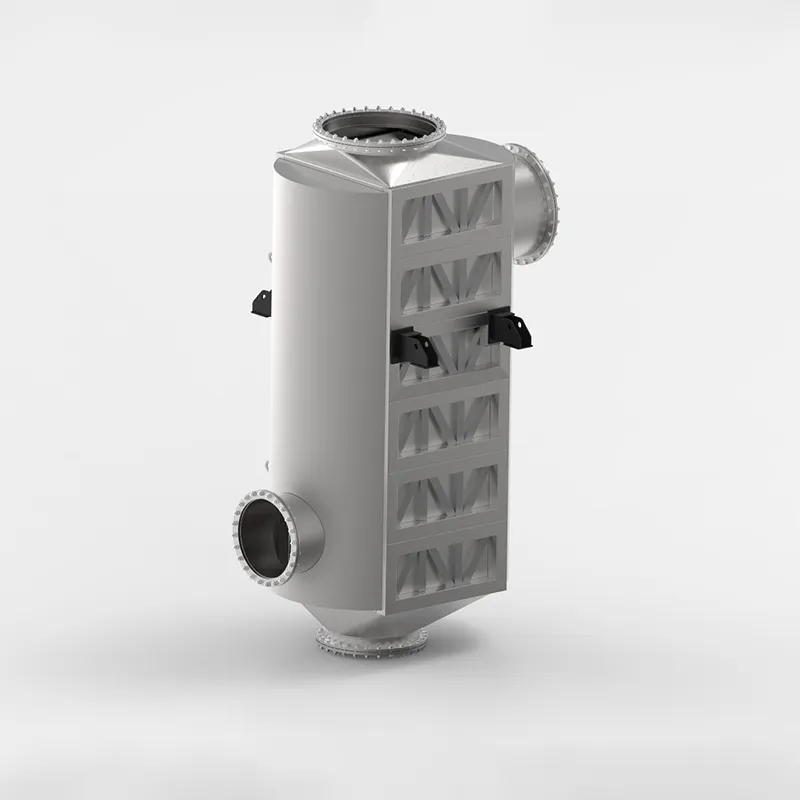
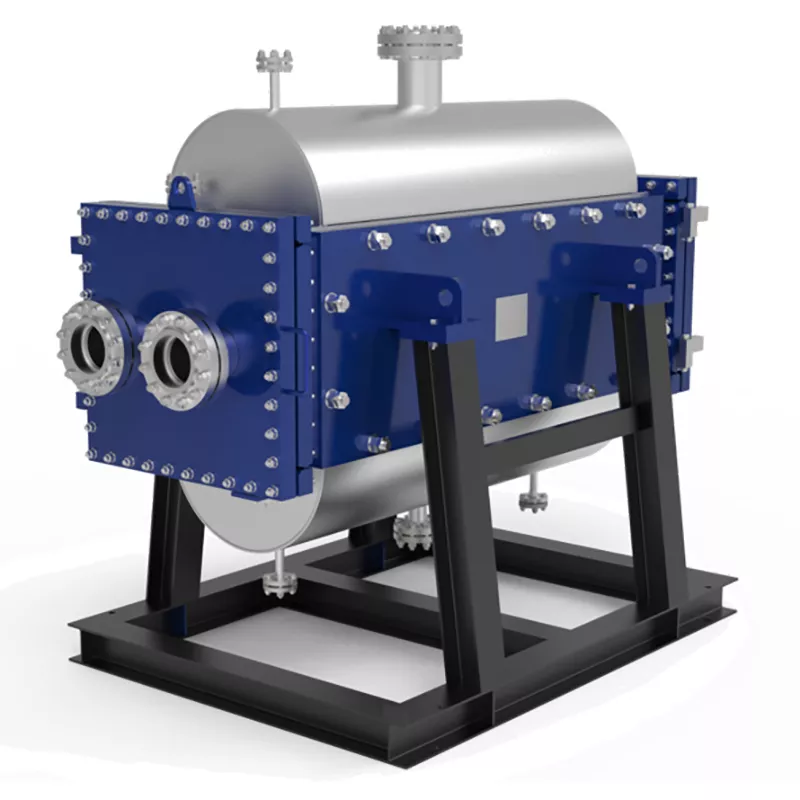
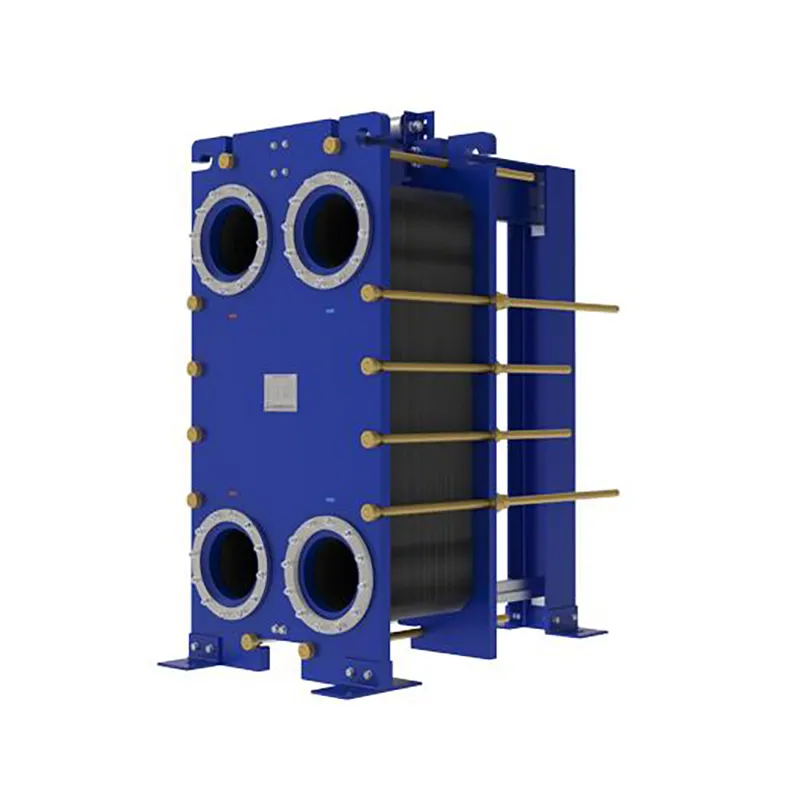
SHPHE, founded in 2005 in Shanghai, is an ISO9001 and ASME U certified manufacturer exporting to over 20 countries. Our product lines—including HT-Bloc/TP welded plate heat exchangers, wide gap welded units, gasketed plate heat exchangers, PCHE, plate air preheaters, and pillow plates—are designed for easy maintenance and long service life. We offer free thermal design and selection services to help you optimize your maintenance schedule. Whether you need replacement gaskets compatible with Alfa Laval or Compabloc designs, or a custom-engineered solution, our team provides technical support throughout the equipment lifecycle.
Frequently Asked Questions About Plate Heat Exchanger Maintenance
How often should I clean my plate heat exchanger?
The cleaning frequency depends on the fluid type and operating conditions. For clean water applications, annual cleaning is sufficient. For process fluids with high fouling potential, every 3–6 months is recommended. Monitor pressure drop and temperature approach to determine the exact interval.
What are the signs that my plate heat exchanger needs maintenance?
Key indicators include a 15–20% drop in heat transfer efficiency, a 30% increase in pressure drop, visible leaks at gaskets, or unusual vibration. Logging baseline data during commissioning helps you spot deviations early.
Can I clean a plate heat exchanger without disassembling it?
Yes, clean-in-place (CIP) systems are effective for many gasketed and welded units. Use a compatible cleaning solution at recommended flow rates and temperatures. For heavy fouling, disassembly and manual cleaning may still be necessary.
How long do plate heat exchanger gaskets last?
Gasket life varies by material and operating temperature. NBR gaskets typically last 3–5 years, while EPDM and Viton can last 5–8 years under normal conditions. Replace gaskets if you see hardening, cracking, or leakage.
What is the difference between proactive and reactive maintenance for plate heat exchangers?
Proactive maintenance involves scheduled inspections and cleaning to prevent failures, reducing unplanned downtime by up to 70%. Reactive maintenance fixes problems after they occur, often leading to higher repair costs and production losses.
Does SHPHE provide maintenance training for operators?
Yes, we offer on-site and remote training sessions covering inspection techniques, cleaning procedures, and gasket replacement. Our technical team also provides a detailed maintenance manual with every unit shipped.
Request a Quote for Your Plate Heat Exchanger Maintenance Plan
To receive a customized maintenance recommendation or replacement parts quote, please provide the following details: flow rate, temperature, pressure, and media type. Our engineers will review your operating conditions and suggest the most cost-effective solution. Contact us today to keep your plate heat exchanger running at peak efficiency with proactive maintenance.

 English EN





User Comments
Service Experience Sharing from Real Customers
mike
Maintenance SupervisorWe’ve been running these plates for two years now in our dairy pasteurization line, and they’ve held up way better than the old ones. The gaskets are easy to swap out during our quarterly shutdowns, and I’ve noticed way less scale buildup even with our hard water. Saved us a ton on chemical cleaning too.
sarah
Process EngineerHad a minor leak issue last month on a unit that’s been in service for about five years. Followed the manual’s torque sequence and replaced a couple of worn plates — problem solved. Not the most exciting job, but the maintenance process is straightforward and well-documented. Would recommend keeping spare gaskets on hand.
tom
HVAC TechnicianI service these in commercial buildings all the time, and this brand is the easiest to break open and clean. The plates don't warp as fast as others I've dealt with, and the bolt pattern is actually logical. Did a full teardown and rebuild in under three hours last week. No complaints from the building manager.
emma
Plant OperatorFirst time I had to do a plate pack inspection on one of these, I was a bit nervous — but the locking mechanism is simple, and the plates slid out clean without any prying. Found a small crack on one corner plate; replaced it and pressure tested fine. Only thing is the bolts could be a tad longer for easier alignment.