Essential Plate Heat Exchanger Spare Parts for Optimal System Performance
When your plate heat exchanger starts losing efficiency or develops leaks, the right spare parts can restore performance without replacing the entire unit. This guide covers critical components such as gaskets, plates, and seal kits, along with practical advice on selection, maintenance, and sourcing. Whether you manage a chemical plant or a food processing facility, understanding these parts helps you reduce downtime and control costs.
What Are Plate Heat Exchanger Spare Parts and Why Do They Matter?
Plate heat exchanger spare parts include gaskets, plates, tightening bolts, and seal kits that directly affect heat transfer efficiency and leak prevention. Over time, gaskets harden, plates corrode, and seals wear out. Replacing these components on schedule keeps your exchanger running at design specifications. For process engineers and purchasing managers, having a reliable spare parts inventory means fewer emergency shutdowns and predictable maintenance budgets.
How Do Gaskets and Plates Work Together in a Plate Heat Exchanger?
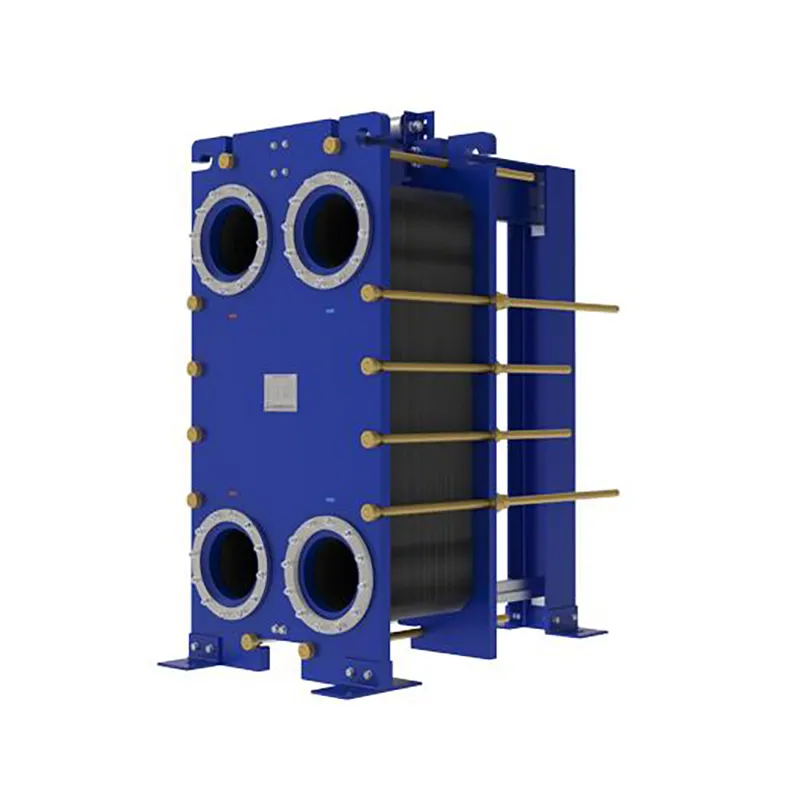
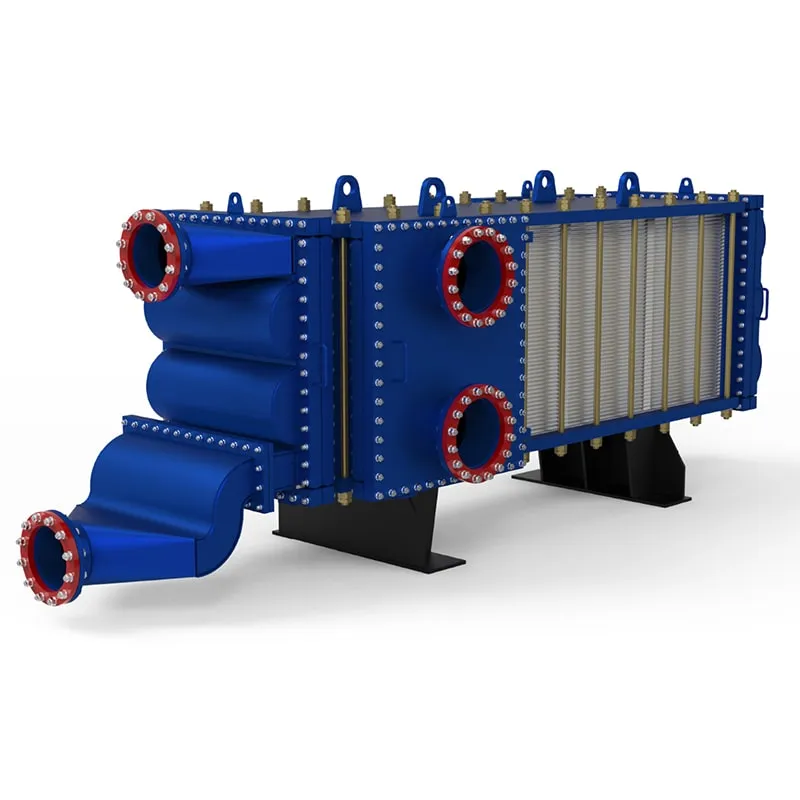
In a gasketed plate heat exchanger, elastomeric gaskets seal the gap between each plate, directing fluid flow through alternating channels. The plates themselves provide the surface area for heat transfer. When gaskets lose elasticity, cross-contamination or external leakage can occur. Damaged plates reduce thermal performance. Regular inspection and replacement of both components ensure the unit maintains its rated capacity. Many operators choose gasketed plate heat exchangers for their ease of maintenance and access to spare parts.
Key Spare Parts and Their Typical Parameter Ranges
Below is a reference table of common spare parts and their typical specifications. These values represent industry-standard ranges; always verify with your unit's data sheet.
| Component |
Material Options |
Typical Temperature Range |
Typical Pressure Range |
| Gaskets |
NBR, EPDM, Viton |
-20°C to 180°C |
Up to 25 bar |
| Heat transfer plates |
SS304, SS316, Titanium |
-40°C to 200°C |
Up to 30 bar |
| Tightening bolts |
Carbon steel, SS304 |
N/A |
N/A |
| Seal kits |
Composite elastomer |
-20°C to 150°C |
Up to 20 bar |
Applications Where Reliable Spare Parts Are Critical
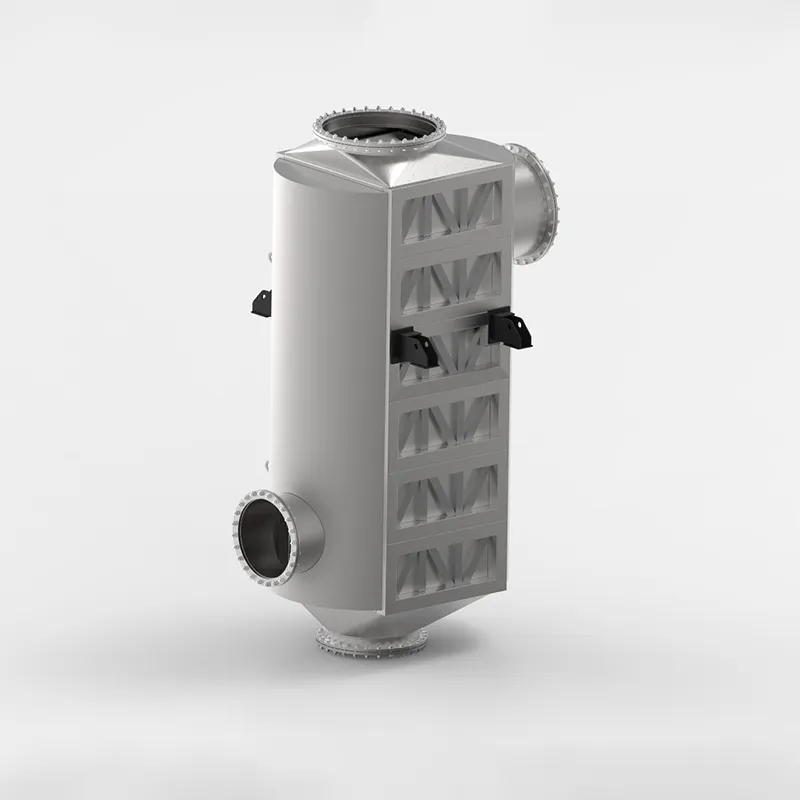
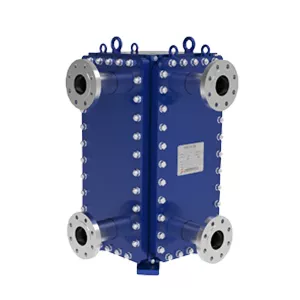
Industries such as chemical processing, food and beverage, HVAC, and power generation depend on plate heat exchangers for precise temperature control. In these settings, a failed gasket can lead to product contamination or energy loss. For example, in dairy pasteurization, using compatible spare parts that meet sanitary standards is non-negotiable. For high-temperature applications, HT-Bloc welded plate heat exchangers offer a durable alternative with fewer gasket-related issues.
How to Choose the Right Spare Parts for Your System
Start by identifying your unit's model, plate pattern, and gasket profile. Many parts are interchangeable with brands like Alfa Laval or GEA, but always confirm dimensions and material compatibility. For corrosive media, choose titanium or SS316 plates with EPDM gaskets. For high-temperature steam, consider Viton gaskets. SHPHE provides free thermal design and selection support to help you match the right spare parts to your operating conditions.
Why SHPHE for Your Plate Heat Exchanger Spare Parts?
SHPHE, founded in Shanghai in 2005, is a certified manufacturer (ISO9001, ASME U) exporting to over 20 countries. Our product range includes gasketed plate heat exchangers, welded units, PCHE, plate air preheaters, and pillow plates. We supply spare parts that are compatible with major brands and offer custom-engineered solutions. For example, our printed circuit heat exchangers serve demanding high-pressure applications. With free thermal design services, we help you select the right components without guesswork.
Frequently Asked Questions About Plate Heat Exchanger Spare Parts
How often should I replace gaskets in a plate heat exchanger?
Gaskets typically need replacement every 3 to 5 years depending on operating temperature, pressure cycles, and chemical exposure. Regular visual inspection for cracks or hardening helps determine the right interval. Some facilities schedule replacement during annual maintenance to avoid unplanned downtime.
Can I use spare parts from a different manufacturer?
Yes, many aftermarket parts are designed to be compatible with units from Alfa Laval, Compabloc, and GEA. However, you must verify plate dimensions, gasket groove geometry, and material ratings. Using mismatched parts can cause leaks or reduced efficiency. SHPHE offers cross-reference support to ensure proper fit.
What is the most common cause of plate heat exchanger failure?
Gasket degradation is the most frequent issue, followed by plate corrosion or fouling. Thermal fatigue from rapid temperature changes can also crack plates. Regular inspection and replacing plate heat exchanger spare parts before failure occurs significantly extends equipment life.
How do I store spare gaskets and plates properly?
Store gaskets in a cool, dry place away from direct sunlight and ozone sources. Keep plates in their original packaging to prevent scratches. Ideal storage temperature is 15°C to 25°C. Follow manufacturer shelf-life recommendations, typically 2 to 3 years for elastomeric gaskets.
Are welded plate heat exchangers easier to maintain than gasketed ones?
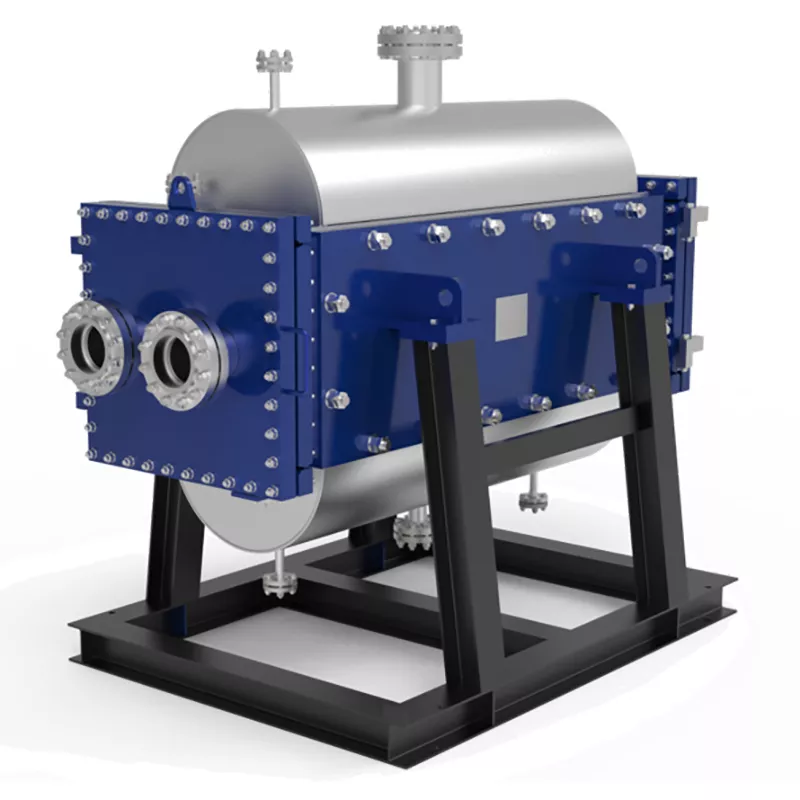
Welded units like the TP welded plate heat exchanger have fewer gaskets, which reduces leak points and maintenance frequency. However, they are harder to clean internally. Gasketed units allow easy plate access for inspection and replacement. The choice depends on your application's cleaning and maintenance requirements.
What information do I need to order the correct spare parts?
Provide the model number, plate count, gasket material, and operating parameters (flow rate, temperature, pressure, media type). If the unit is from another brand, include the original part numbers. SHPHE's technical team can use this data to recommend compatible plate heat exchanger spare parts.
Request a Quote for Your Spare Parts
To get accurate pricing and availability for plate heat exchanger spare parts, please provide your flow rate, operating temperature, pressure, and media details. Our engineers will review your system and recommend the best components. Contact us through the website to start the selection process.

 English EN





User Comments
Service Experience Sharing from Real Customers