How an Air to Air Plate Heat Exchanger Optimizes Energy Recovery in Ventilation Systems
An air to air plate heat exchanger is a core component in modern HVAC systems, recovering up to 70% of exhaust heat to preheat incoming fresh air. For process engineers and purchasing managers, understanding its working principle, performance parameters, and application fit is essential to reduce energy costs and meet sustainability targets. This article provides a practical overview of how these exchangers work, what specifications matter, and how SHPHE delivers reliable solutions for industrial ventilation.
What Is an Air to Air Plate Heat Exchanger and Why Does It Matter?
An air to air plate heat exchanger transfers thermal energy between two separate air streams without mixing them. In a ventilation system, warm exhaust air passes on one side of the plates, while cold outdoor intake air flows on the other side. The heat from the exhaust warms the incoming air, reducing the load on heating coils and cutting energy consumption. This process is especially valuable in cold climates, where preheating fresh air can lower annual HVAC costs by 30% to 50%.
For industrial facilities such as factories, data centers, and commercial kitchens, an air to air plate heat exchanger also helps maintain indoor air quality while minimizing energy waste. Unlike rotary heat wheels, plate exchangers have no moving parts, require less maintenance, and offer zero cross-contamination between air streams. That makes them a preferred choice for applications where hygiene and reliability are critical.
How Does an Air to Air Plate Heat Exchanger Work in a Ventilation System?
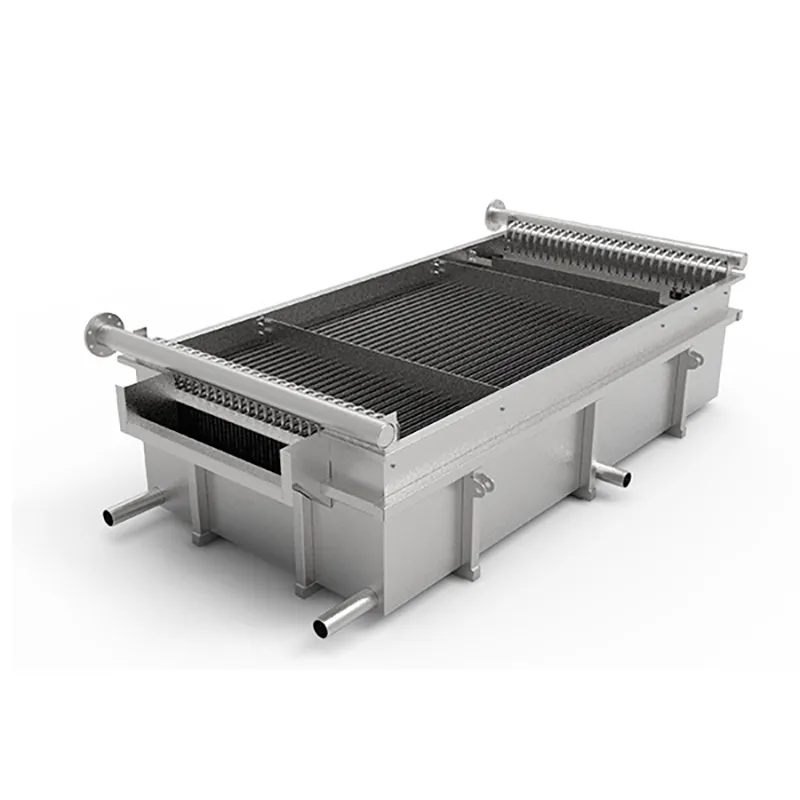
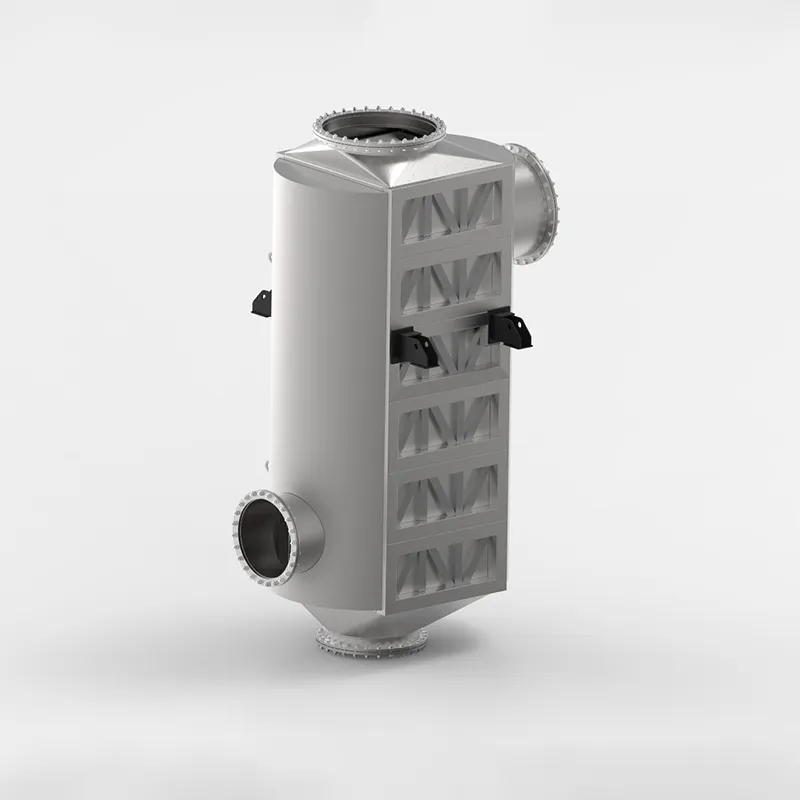
The core of the exchanger consists of multiple thin metal plates stacked together, forming alternating channels for the two air streams. As exhaust air moves through one set of channels, its heat is conducted through the plates to the incoming air in the adjacent channels. The flow arrangement can be counterflow, crossflow, or parallel flow, with counterflow providing the highest thermal efficiency.
In a typical installation, the exchanger is placed in the main air handling unit. A bypass damper may be included to modulate heat recovery during mild weather. The plate material is usually aluminum or stainless steel, chosen based on temperature range and corrosion resistance. For high-temperature exhaust streams, welded plate designs are used to avoid gasket failure.
Key performance indicators include temperature efficiency (typically 50%–70%), pressure drop (100–400 Pa per side), and face velocity (2–5 m/s). These parameters directly affect fan power consumption and overall system payback period.
Key Features and Typical Parameter Ranges
When selecting an air to air plate heat exchanger, engineers need to evaluate several technical specifications. Below are commonly accepted ranges for industrial ventilation applications:
- Temperature range: –40°C to 200°C for aluminum plates; up to 800°C for stainless steel welded units.
- Maximum working pressure: 1.0 MPa for gasketed designs; 3.0 MPa for fully welded plate heat exchangers.
- Thermal efficiency: 50%–70% for crossflow; 60%–80% for counterflow configurations.
- Plate spacing: 2–6 mm for clean air; 6–12 mm for dusty or grease-laden exhaust.
- Construction materials: Aluminum, 304/316 stainless steel, or titanium for corrosive environments.
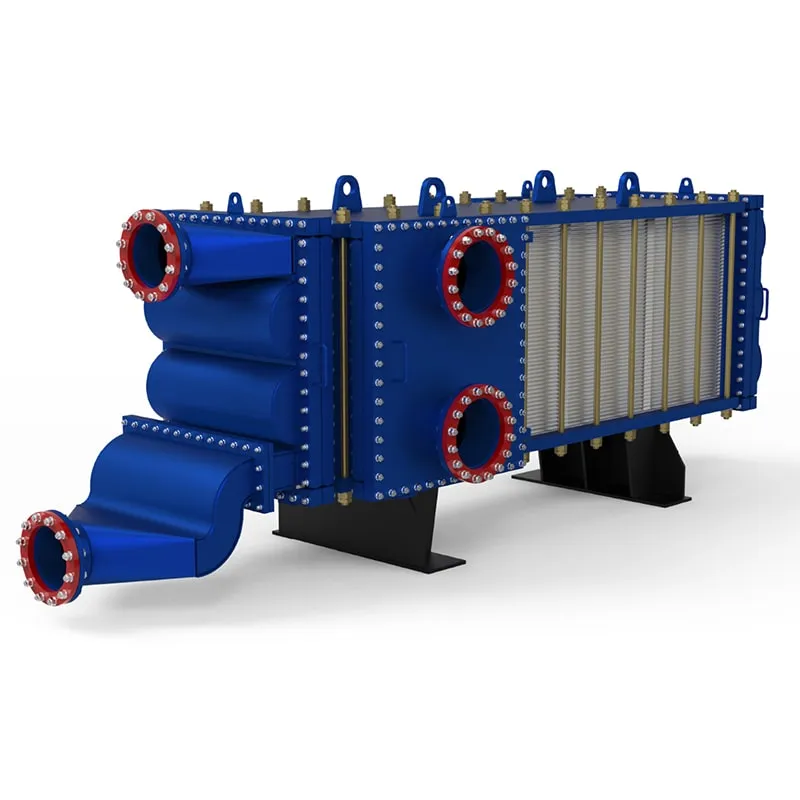
For applications with high particulate content, a wide gap welded plate heat exchanger is recommended to prevent fouling. If space is limited, compact designs like the HT-Bloc welded plate heat exchanger offer high surface area in a small footprint.
What Are the Best Applications for an Air to Air Plate Heat Exchanger?
Air to air plate heat exchangers are widely used in commercial and industrial ventilation systems. Common scenarios include:
- Factory ventilation: Recovering heat from paint booths, drying ovens, and welding fume exhaust.
- Data centers: Pre-cooling or preheating supply air to reduce chiller and heater loads.
- Commercial kitchens: Capturing waste heat from cooking exhaust to preheat make-up air.
- Greenhouses: Maintaining stable temperatures while ventilating for humidity control.
- Swimming pools: Recovering heat from humid exhaust air to warm fresh intake air.
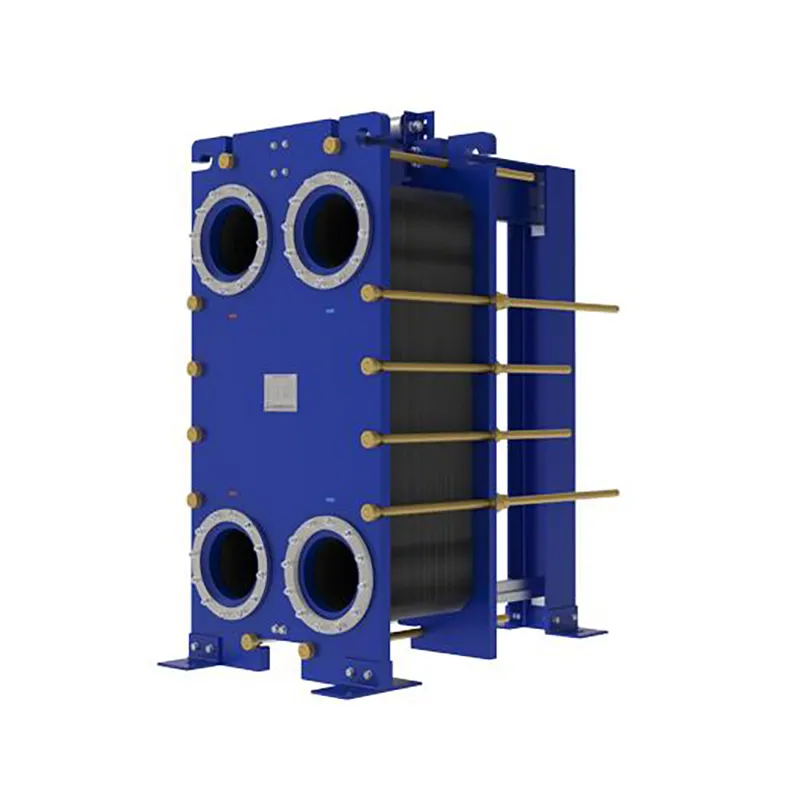
For each application, the correct plate material and spacing must be selected. In corrosive environments, a gasketed plate heat exchanger with titanium plates can extend service life, while high-temperature processes may require a fully welded unit.
Why Choose SHPHE for Your Air to Air Plate Heat Exchanger Needs?
SHPHE is a Shanghai-based plate heat exchanger manufacturer founded in 2005, exporting to over 20 countries with ISO9001 and ASME U certifications. Our product portfolio includes HT-Bloc welded plate heat exchangers, TP welded plate heat exchangers, wide gap welded units, gasketed plate heat exchangers, printed circuit heat exchangers (PCHE), plate air preheaters, and pillow plates. We offer free thermal design and selection service to help you find the optimal air to air plate heat exchanger for your ventilation system.
Our engineering team evaluates your flow rate, temperature, pressure, and media composition to recommend the right plate geometry, material, and sealing method. Whether you need a compact unit for a rooftop air handler or a high-temperature exchanger for an industrial oven, SHPHE delivers reliable, cost-effective solutions. We also provide units compatible with existing systems from Alfa Laval, Compabloc, or GEA as a direct alternative.
Frequently Asked Questions About Air to Air Plate Heat Exchangers
Can an air to air plate heat exchanger handle high-temperature exhaust?
Yes, fully welded plate heat exchangers can handle exhaust temperatures up to 800°C. For lower temperatures, gasketed aluminum units are suitable up to 200°C. Always confirm the maximum operating temperature with the manufacturer before installation.
How often does an air to air plate heat exchanger need cleaning?
Cleaning frequency depends on air quality. In clean environments, annual cleaning is sufficient. In dusty or greasy applications, quarterly cleaning may be required. Units with wide plate spacing or removable gaskets are easier to maintain.
What is the typical payback period for an air to air plate heat exchanger?
Payback typically ranges from 1 to 3 years, depending on climate, operating hours, and energy prices. Facilities in cold regions with continuous operation see the fastest returns due to higher heat recovery savings.
Can I retrofit an air to air plate heat exchanger into an existing ventilation system?
Yes, most systems can be retrofitted. The exchanger is installed in the main air duct with appropriate ductwork modifications. SHPHE provides free layout recommendations to minimize pressure drop and ensure proper airflow distribution.
What is the difference between crossflow and counterflow air to air plate heat exchangers?
Crossflow units have air streams moving perpendicular to each other, offering simpler construction but lower efficiency (50%–60%). Counterflow units have streams moving in opposite directions, achieving higher efficiency (60%–80%) but requiring more complex duct connections.
Does an air to air plate heat exchanger require a bypass for summer operation?
A bypass damper is recommended for systems where heat recovery is not needed during mild weather. It prevents overheating of supply air and reduces fan energy. Many modern air handling units include an integrated bypass section.
Request a Quote for Your Air to Air Plate Heat Exchanger
To receive a tailored recommendation and quotation for an air to air plate heat exchanger, please provide the following details to our engineering team:
- Flow rate of exhaust and supply air (m³/h or CFM)
- Inlet and desired outlet temperatures for both streams
- Maximum allowable pressure drop
- Media composition (clean air, dust, grease, corrosive gases)
- Space constraints and duct connection orientation
SHPHE provides free thermal design and selection service to ensure your air to air plate heat exchanger delivers maximum energy recovery with minimal operational cost. Contact us today to start your project.

 English EN





User Comments
Service Experience Sharing from Real Customers
Mike
Maintenance SupervisorWe installed this air to air plate heat exchanger in our paint booth exhaust system six months ago. The energy savings on our preheating bill have been noticeable. No fouling issues so far, and the compact design made retrofitting a breeze. Highly recommend for any shop dealing with solvent-laden air.
Emma
Lead Process EngineerDecent unit for the price point. We're using it to preheat combustion air for a small furnace. The pressure drop is a bit higher than the spec sheet suggested, but the heat recovery efficiency makes up for it. Would be nice if the drain ports were slightly larger for easier cleaning.
Tom
HVAC TechnicianReplaced an old run-around coil loop with this plate exchanger in a school's ventilation system. Installation was straightforward, and the aluminum plates transfer heat like crazy. No cross-contamination worries. The school board is happy with the reduced gas consumption this winter.
Sarah
Plant ManagerWorks well for our grain drying exhaust heat recovery. However, we had to add a pre-filter because the fines from the grain would build up on the plates quickly. Once we sorted that out, performance has been solid. Just be aware of your particulate load before buying.