Understanding the Function and Benefits of a Hydrogen Precooler in Gas Processing
A hydrogen precooler is a critical heat exchanger that lowers the temperature of hydrogen gas before it enters downstream compression or liquefaction stages. In gas processing plants, effective precooling improves system efficiency, reduces mechanical wear, and ensures stable operation. This article explains how a hydrogen precooler works, its key parameters, and why selecting the right design matters for your process.
What Is a Hydrogen Precooler and Why Is It Needed?
A hydrogen precooler is a heat exchanger designed to remove heat from hydrogen gas streams before they undergo further processing. Hydrogen gas, especially when coming from reformers, electrolyzers, or high-pressure storage, can reach temperatures that damage compressors or reduce liquefaction efficiency. By installing a hydrogen precooler upstream, operators protect equipment and lower energy consumption.
In many gas processing facilities, the hydrogen precooler handles inlet temperatures ranging from 80°C to 200°C and cools the gas down to 30°C to 50°C, depending on the cooling medium available. Common cooling media include cooling water, chilled water, or process gas. The choice of media and temperature approach directly affects the size and cost of the unit.
How Does a Hydrogen Precooler Work in a Typical Process?
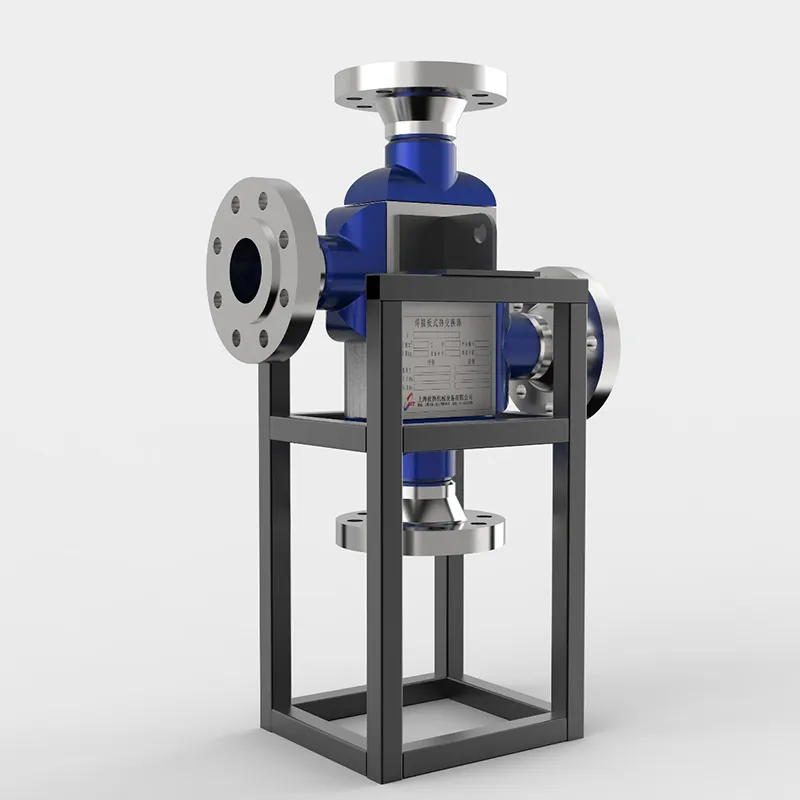
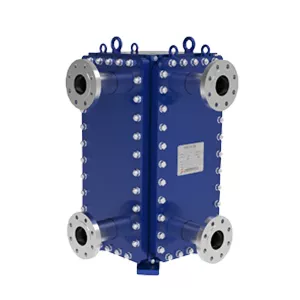
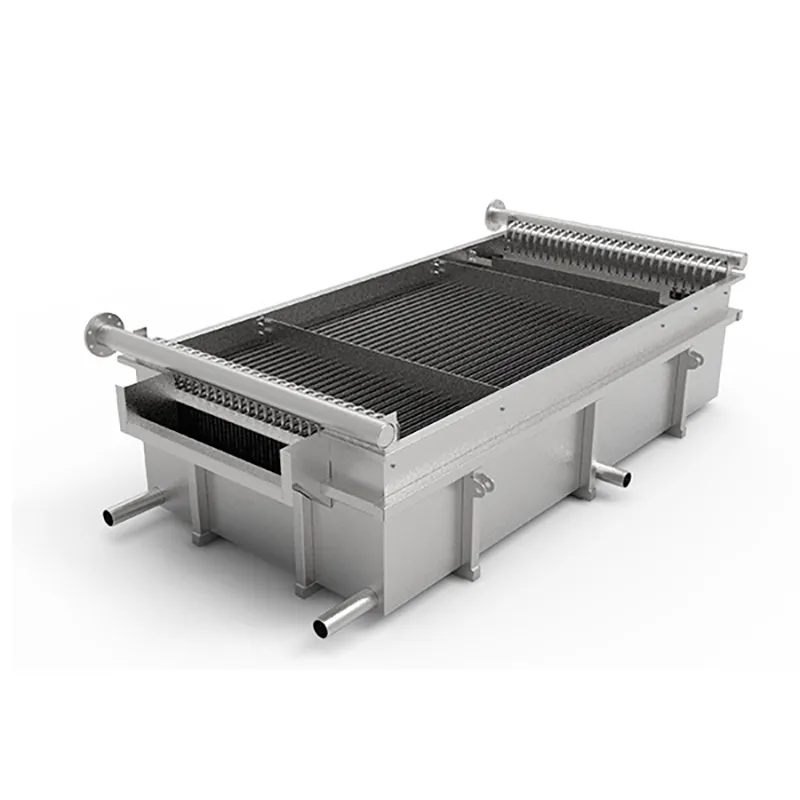
The working principle of a hydrogen precooler is straightforward: hot hydrogen gas flows through one set of channels while a cooler fluid flows through adjacent channels. Heat transfers through the plate walls, reducing the gas temperature. In a welded plate heat exchanger design, the plates are sealed without gaskets, making them suitable for high-pressure hydrogen service.
For example, a typical hydrogen precooler in a hydrocracking unit might operate at 80 bar(g) with a gas inlet temperature of 150°C. The cooling water enters at 28°C and exits at 40°C. The unit must handle hydrogen's low density and high thermal conductivity, which requires careful plate geometry selection. Many engineers turn to TP Welded Plate Heat Exchangers for these demanding conditions.
Key Features and Typical Parameter Ranges for a Hydrogen Precooler
When specifying a hydrogen precooler, engineers focus on several performance parameters. Below are commonly accepted ranges for industrial applications:
- Operating pressure: up to 100 bar(g) for welded designs; gasketed units typically handle up to 25 bar(g)
- Temperature range: -40°C to 300°C, depending on materials and gasket selection
- Heat transfer coefficient: 200–800 W/m²·K for gas-to-liquid service
- Pressure drop: typically 0.2–1.0 bar per side, optimized for system constraints
- Flow capacity: from a few hundred kg/h to over 50,000 kg/h per unit
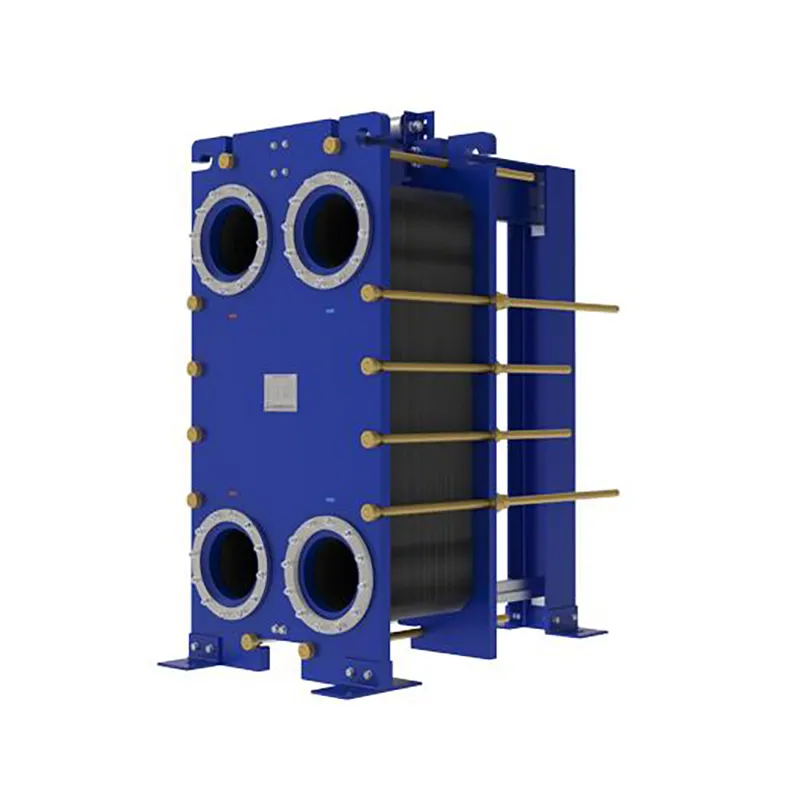
These parameters help determine whether a gasketed, brazed, or fully welded plate design is most appropriate. For hydrogen precooler applications with high pressure or corrosive traces, welded plate units are often preferred.
What Are the Main Applications of a Hydrogen Precooler?
Hydrogen precoolers are used across several gas processing sectors:
- Hydrogen liquefaction plants: Precooling hydrogen before cryogenic stages reduces the overall power consumption by 15–25%.
- Refinery hydrocrackers and hydrotreaters: Cooling recycle hydrogen before compression protects seals and valves.
- Ammonia and methanol synthesis: Precooling synthesis gas containing hydrogen improves reactor efficiency.
- Hydrogen fueling stations: Compressor interstage cooling requires compact, high-pressure hydrogen precoolers.
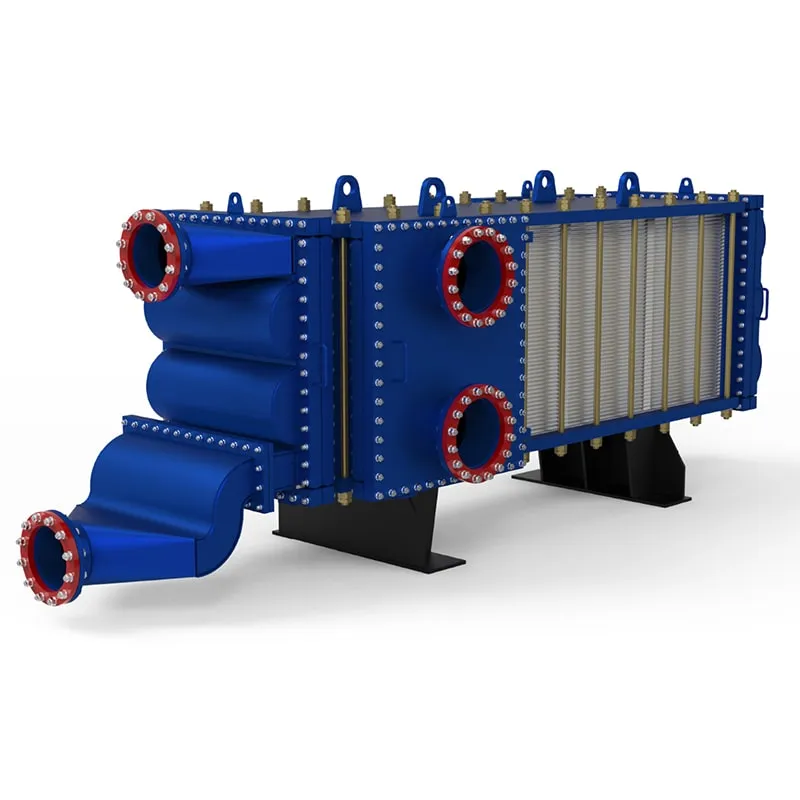
In each case, the hydrogen precooler must be designed for the specific gas composition, pressure, and temperature profile. A Wide Gap Welded Plate Heat Exchanger is often recommended when the hydrogen stream contains particulates or fouling tendencies.
Why Choose SHPHE for Your Hydrogen Precooler Needs?
SHPHE is a Shanghai-based plate heat exchanger manufacturer founded in 2005, exporting to over 20 countries with ISO9001 and ASME U certifications. Our product lines include HT-Bloc/TP Welded Plate Heat Exchangers, Wide Gap Welded Plate Heat Exchangers, Gasketed Plate Heat Exchangers, PCHE, Plate Air Preheaters, and Pillow Plates. We offer free thermal design and selection services to help you find the right hydrogen precooler for your process.
Our engineers have extensive experience with hydrogen precooler applications, including high-pressure designs compatible with Alfa Laval and Compabloc configurations. Whether you need a compact welded unit for a skid-mounted system or a large gasketed design for a refinery, we can provide a solution tailored to your operating conditions.
For processes requiring extreme temperature differentials or corrosive hydrogen streams, our Custom Engineered Printed Circuit Heat Exchanger offers high integrity and compactness. For air preheating in hydrogen plants, our Plate Air Preheaters improve overall thermal efficiency.
Frequently Asked Questions About Hydrogen Precoolers
Q: What is the typical pressure drop across a hydrogen precooler?
A: For most industrial hydrogen precoolers, the pressure drop is kept between 0.2 and 1.0 bar per side. Higher pressure drops can be accepted if system constraints allow, but this increases pumping costs.
Q: Can a hydrogen precooler handle fluctuating inlet temperatures?
A: Yes, but the design must account for thermal cycling. Welded plate heat exchangers are more robust under temperature swings compared to gasketed units. SHPHE can recommend materials and plate thicknesses for cyclic service.
Q: What materials are commonly used for hydrogen precooler plates?
A: Stainless steel 304L and 316L are standard. For higher corrosion resistance or hydrogen embrittlement concerns, duplex stainless steel or titanium may be specified. Material selection depends on gas composition and operating temperature.
Q: How do I size a hydrogen precooler for my plant?
A: Sizing requires flow rate, inlet and outlet temperatures, allowable pressure drop, and cooling medium data. SHPHE provides free thermal design and selection. You can send your process parameters to our engineering team for a preliminary recommendation.
Q: Is a gasketed or welded hydrogen precooler better for high-pressure hydrogen?
A: For pressures above 25 bar(g), welded plate heat exchangers are generally preferred because they eliminate gasket leakage risks. Fully welded units like SHPHE's TP or HT-Bloc series can handle up to 100 bar(g) safely.
Q: Can a hydrogen precooler be used for other gases?
A: Yes, the same design can cool natural gas, nitrogen, or synthesis gas. However, the thermal properties of hydrogen require specific plate patterns to optimize heat transfer. Always verify the gas composition with the manufacturer.
Request a Quote for Your Hydrogen Precooler
Choosing the right hydrogen precooler is essential for safe and efficient gas processing. To get an accurate recommendation, please provide the following details to our engineering team: flow rate (kg/h or Nm³/h), inlet and outlet temperatures, operating pressure, allowable pressure drop, cooling medium type and temperature, and gas composition (including any contaminants). SHPHE will prepare a free thermal design and selection based on your process data.
With over 18 years of experience in plate heat exchanger manufacturing, SHPHE understands the demands of hydrogen precooler applications. Our team is ready to support your project from concept through commissioning.
For additional product information, explore our Gasketed Plate Heat Exchangers and Custom Engineered Pillow Plates for complementary process heating and cooling needs.

 English EN





User Comments
Service Experience Sharing from Real Customers
Elena
Senior Process EngineerWe retrofitted our existing hydrogen liquefaction skid with this precooler last quarter. The pressure drop is significantly lower than our old shell-and-tube unit, and the temperature approach is spot on. Maintenance access is a breeze with the bolted bonnet design. My only regret is not switching sooner.
Marcus
Lab TechnicianHonestly, I was skeptical about the claimed heat transfer coefficient, but after running our 10 kg/day electrolyzer pilot for three weeks straight, the precooler holds the hydrogen inlet temp rock steady at 20°C. The compact size saved us precious bench space too. One star off because the included gasket kit didn’t fit our flange perfectly.
Priya
Fleet Maintenance SupervisorWe’ve been swapping these into our hydrogen refueling station trailers. The vibration resistance is miles ahead of the previous brand we used — no leaks after 6 months of daily 350-bar fills. My techs love that they can drain and inspect the core without pulling the whole skid apart. Solid build quality.
Liam
Chemical Plant OperatorWorks fine for steady-state operation, but during our startup purge cycles we saw some condensation pooling in the bottom header. Had to add a small drain valve ourselves. Customer support was responsive but took three days to get back with a drawing. It does the job, but for the price I expected a bit more refinement.