 English EN


How PCHEs Support Green Hydrogen Production: From Electrolysis to Refueling Stations
Hydrogen heat exchanger technology boosts efficiency, safety, and reliability in green hydrogen production, storage, and refueling stations.
More
Falling film chiller systems are widely used in chemical, food, and pharmaceutical industries for efficient heat removal. This article explores how pillow plate technology enhances cooling performance, reduces fouling, and lowers energy consumption. We cover working principles, key parameters, application scenarios, and practical selection tips for process engineers and procurement managers seeking reliable, cost-effective solutions.
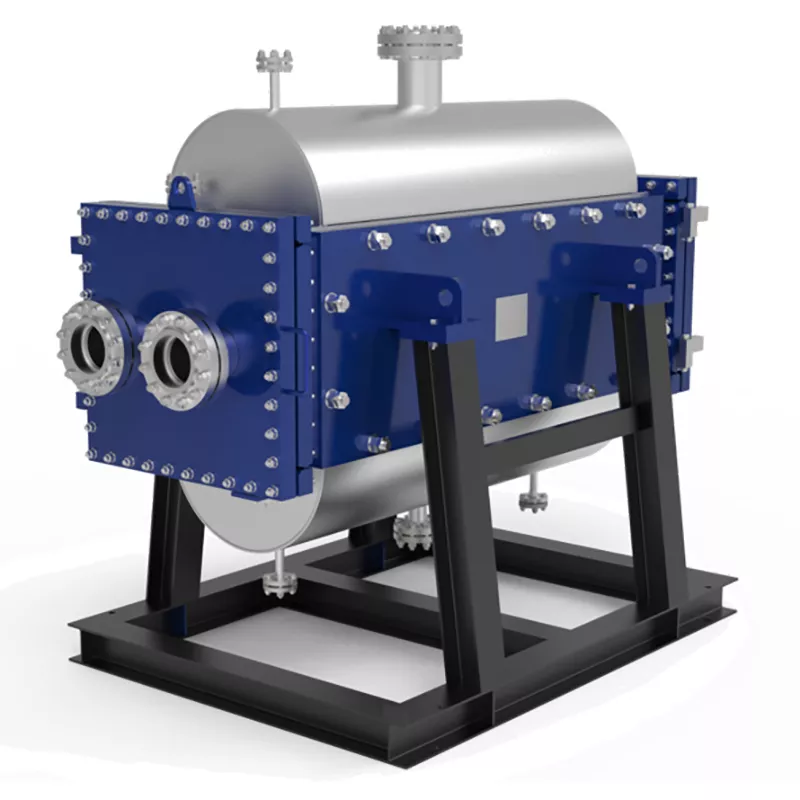
When you need to cool a hot liquid or condense vapor in a falling film configuration, the heat transfer surface plays a decisive role in overall efficiency. Traditional shell-and-tube or gasketed plate designs often struggle with fouling, pressure drop, or maintenance downtime. Falling film chiller pillow plate technology offers a robust alternative by combining a thin, dimpled metal sheet with a welded construction that creates a closed channel for the cooling medium. This design maximizes the wetted area and promotes uniform liquid film distribution, which directly improves heat transfer coefficients and reduces the risk of dry spots.
A pillow plate is essentially two thin metal sheets spot-welded together and then inflated to create a pillow-like pattern. This structure forms a series of interconnected channels that allow the coolant to flow in a controlled path. In a falling film chiller, the process liquid cascades over the outer surface of the pillow plate, forming a thin film that evaporates or cools as it descends. The internal coolant absorbs the heat through the metal wall. The result is a compact, high-efficiency heat exchanger that handles viscous or fouling fluids better than many conventional designs.
Compared to gasketed plate heat exchangers, pillow plates eliminate the need for gaskets, which means no leakage paths and lower maintenance. They are also fully welded, making them suitable for high-pressure and high-temperature applications. For process engineers looking for an alternative to traditional falling film evaporators, pillow plate technology provides a straightforward upgrade path.
The operating principle is simple yet effective. The process fluid enters a distribution tray at the top of the chiller and flows by gravity over the vertical pillow plate surface. A thin, continuous film is maintained across the entire plate width. The cooling medium—typically water, brine, or refrigerant—flows inside the pillow plate channels, absorbing heat from the falling film. The vapor generated (if evaporation occurs) is separated and condensed, while the cooled liquid is collected at the bottom.
Key advantages of this approach include:
When selecting a pillow plate for a falling film chiller, you should consider the following commonly accepted ranges:
| Parameter | Typical Range |
|---|---|
| Design pressure (internal channel) | Up to 30 bar (435 psi) |
| Design temperature | -20°C to 250°C (-4°F to 482°F) |
| Plate thickness | 1.2 mm to 2.0 mm (0.047 in to 0.079 in) |
| Plate material | Stainless steel 304/316L, titanium, Hastelloy |
| Heat transfer coefficient (overall) | 800 – 2500 W/m²·K (depending on fluids) |
| Minimum film flow rate | 0.2 – 0.5 L/min per meter of plate width |
These values are industry-generic and should be verified with the manufacturer for your specific process conditions. SHPHE provides free thermal design and selection to match your exact requirements.
Pillow plate falling film chillers excel in several industrial scenarios:
For each application, the pillow plate can be customized in terms of channel geometry, plate size, and material to match the fluid properties and operating conditions. If you are currently using a gasketed plate heat exchanger and experiencing frequent gasket failures, switching to a welded pillow plate design can significantly reduce maintenance.
SHPHE is a Shanghai-based plate heat exchanger manufacturer founded in 2005. We export to over 20 countries and hold ISO9001 and ASME U certifications. Our product lines include HT-Bloc and TP welded plate heat exchangers, wide gap welded plate heat exchangers, gasketed plate heat exchangers, PCHE, plate air preheaters, and pillow plates. We offer free thermal design and selection services for all inquiries.
Our pillow plates are fully welded, compatible with a wide range of fluids, and can be designed as a direct replacement for Alfa Laval or Compabloc units in many falling film applications. We do not claim proprietary case studies beyond our standard product capabilities, but we can provide reference installations upon request.
1. Can pillow plates handle high-viscosity fluids in falling film mode?
Yes, pillow plates can handle viscosities up to about 500 cP at the film inlet. The dimpled surface promotes wetting and reduces channeling. For higher viscosities, a wide gap welded plate heat exchanger may be a better choice.
2. What is the typical lifespan of a pillow plate in a falling film chiller?
With proper material selection (e.g., stainless steel 316L for corrosive media), pillow plates can last 10–15 years or more. Regular inspection for pitting or erosion is recommended, especially if the fluid contains solids.
3. How do I clean a pillow plate falling film chiller?
Cleaning can be done by circulating a suitable cleaning solution through the process side while the coolant side remains isolated. For heavy fouling, the pillow plate can be removed and cleaned in a bath. No gaskets to replace after cleaning.
4. Is pillow plate technology compatible with ammonia refrigeration?
Yes, pillow plates made from stainless steel or carbon steel can be used with ammonia. The welded construction prevents leakage, which is critical for safety in ammonia systems.
5. Can I retrofit a pillow plate into an existing falling film chiller frame?
In many cases, yes. SHPHE can design pillow plates to match the existing bolt pattern and port locations of your current unit. Contact us with your frame dimensions for a feasibility check.
6. What is the cost difference compared to a gasketed plate heat exchanger?
Initial cost for a welded pillow plate is typically 10–20% higher than a comparable gasketed unit. However, lower maintenance and longer service life often result in a lower total cost of ownership over 5 years.
To receive a tailored thermal design and quotation for a falling film chiller pillow plate, please provide the following details:
Our engineering team will respond within 48 hours with a preliminary selection and performance data. We look forward to helping you optimize your industrial cooling process with reliable pillow plate technology.
We provide you with comprehensive foreign trade solutions to help enterprises achieve global development
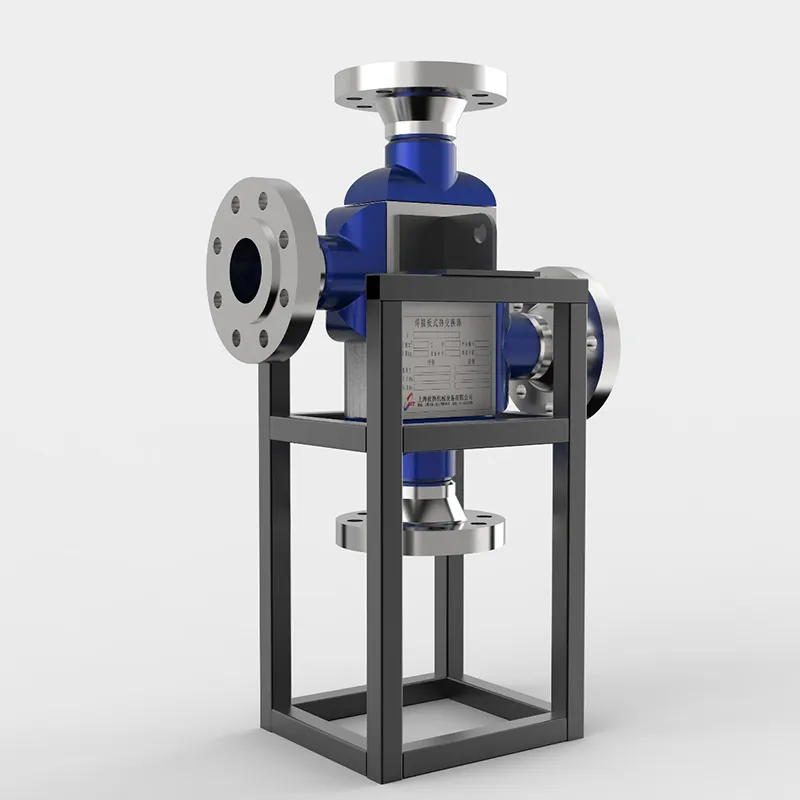
The SHPHE Printed Circuit Heat Exchanger (PCHE) represents a paradigm shift in microchannel thermal management, meticulously engineered for the world's most critical and demanding industrial boundaries. Developed to surpass the physical limitations of conventional shell-and-tube designs in ultra-high-pressure environments, our custom PCHEs integrate advanced photochemical etching and solid-state diffusion bonding to provide unmatched safety, thermal efficiency, and integrity under extreme stress. Initially deployed within high-consequence sectors such as aerospace and nuclear power generation, PCHE technology has completely revolutionized high-density thermal processing. Today, SHPHE brings this breakthrough engineering to mainstream energy transitions—including LNG liquefaction, supercritical CO² power cycles, hydrocarbon processing, and high-pressure hydrogen systems—enabling plants to maximize energy recovery, ensure zero-leakage security, and significantly shrink environmental footprints.
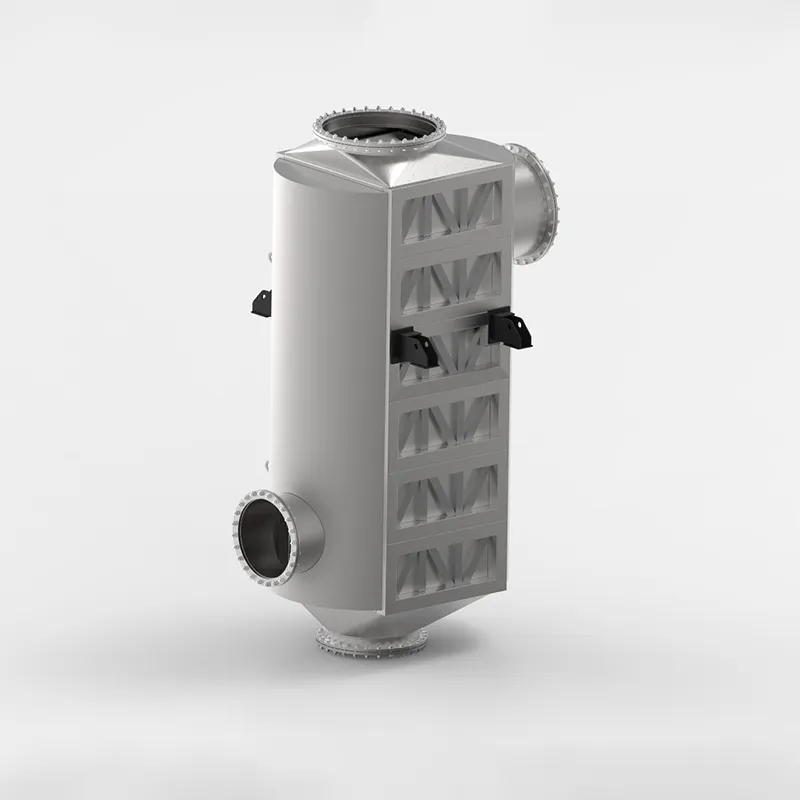
Industrial furnace and boiler exhaust gases carry vast amounts of unutilized thermal energy. The SHPHE custom Plate Air Preheater (PAPH) is target-engineered to intercept this high-temperature flue gas, recovering valuable waste heat and transferring it directly back to incoming combustion air or process gas streams. By substantially elevating the temperature of your flame feed, our custom systems optimize combustion thermodynamics, deliver massive fuel savings, and significantly reduce industrial carbon and emissions footprints. Built to withstand severe flue-gas environments, SHPHE PAPH systems serve as the premier choice for modern, energy-intensive plants prioritizing decarb compliance and maximum thermal efficiency.
Industrial processes involving particle-laden slurries, high-viscosity syrups, or fiber-rich pulp demand more than standard equipment—they require target-engineered thermal management. At SHPHE, we configure the TP Welded Plate Heat Exchanger to directly conquer your plant's severe fouling, blockage, and erosion threats. Combining custom-tailored channel geometries, wear-resistant metallurgy, and integrated CIP (Cleaning-in-Place) systems, we deliver absolute production continuity where conventional heat exchangers fail.
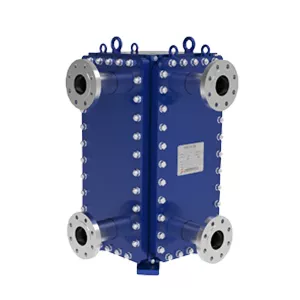
Custom-Engineered for Severe Process Demands. At SHPHE, we don't just supply equipment; we design tailored thermal solutions. Our HT-Bloc welded plate heat exchangers are custom-configured by our experienced engineers to overcome your specific industry challenges—whether handling high-viscosity media, extreme temperatures, or strict space constraints.
Select the most popular foreign trade service products to meet your diverse needs
Industrial processes involving particle-laden slurries, high-viscosity syrups, or fiber-rich pulp demand more than standard equipment—they require target-engineered thermal management. At SHPHE, we configure the TP Welded Plate Heat Exchanger to directly conquer your plant's severe fouling, blockage, and erosion threats. Combining custom-tailored channel geometries, wear-resistant metallurgy, and integrated CIP (Cleaning-in-Place) systems, we deliver absolute production continuity where conventional heat exchangers fail.
Custom-Engineered for Severe Process Demands. At SHPHE, we don't just supply equipment; we design tailored thermal solutions. Our HT-Bloc welded plate heat exchangers are custom-configured by our experienced engineers to overcome your specific industry challenges—whether handling high-viscosity media, extreme temperatures, or strict space constraints.
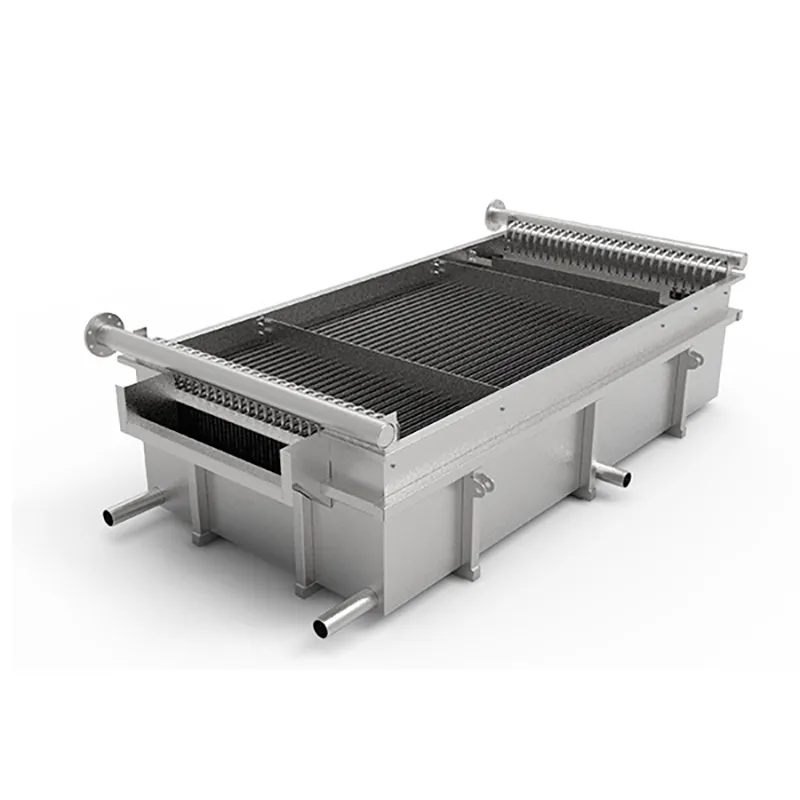
Originated in the mid-20th century to bypass the manufacturing bottlenecks and weight limitations of standard jacketed thermal components, the Pillow Plate (also known as a dimple plate or embossed plate) has revolutionized precision fluid-wall engineering. At SHPHE, we take this highly flexible technology and elevate it into a core foundation for bespoke industrial heat transfer integration. By utilizing state-of-the-art automated CNC fiber laser welding, our engineers customize the mechanical inflation profiles and spot pitch grids to directly match your specific fluid dynamics, pressure limits, and vessel configurations. Today, SHPHE's custom pillow plates are indispensable assets for worldwide processing plants prioritizing advanced thermal performance, zero-leak safety, and hygienic processing—serving as the definitive solution across food, pharmaceutical, chemical, and bulk solids cooling sectors.



User Comments
Service Experience Sharing from Real Customers
Marcus Chen
Process EngineerWe installed two falling film chillers with pillow plate heat exchangers for our dairy pasteurization line six months ago. The temperature control is incredibly stable even with fluctuating inlet conditions. Cleaning in place has been a breeze thanks to the smooth pillow plate surfaces — no fouling issues so far. Really cut our downtime compared to the old shell-and-tube setup.
Elena Rossi
Maintenance SupervisorI was skeptical about the pillow plate design at first, but after a year of running this falling film chiller in a fruit juice concentrate line, I'm impressed. The plates handle thermal cycling well and haven't shown any stress cracks. Only reason I'm giving 4 stars is that the pillow plates are a bit tricky to source replacements for quickly if one gets damaged — but that's a supply chain thing, not a product flaw.
Jack Morrison
Senior Refrigeration TechnicianBeen working with industrial chillers for over 20 years, and this falling film chiller with pillow plate technology is a game-changer for our chemical batch cooling. The thin film distribution is super uniform, and the ammonia charge is way lower than our previous flooded system. Energy savings on the compressor alone paid for the retrofit in about 14 months. Highly recommend for anyone needing precise, low-charge ammonia cooling.
Priya Nair
Plant ManagerWe switched to a pillow plate falling film chiller for our brewery's glycol cooling loop. The compact footprint saved us valuable floor space, and the heat transfer efficiency let us downsize the chiller capacity by 15% while still meeting peak loads. Installation was straightforward with the pre-formed pillow plate modules. One minor gripe: the manual could use more troubleshooting diagrams for the distribution system.