Optimizing Chiller Performance with a Plate Heat Exchanger for Chiller Applications
A plate heat exchanger for chiller applications is a critical component that directly impacts system efficiency, energy consumption, and long-term reliability. Whether you are retrofitting an existing plant or designing a new HVAC or process cooling system, selecting the right heat exchanger can reduce operating costs and extend equipment life. This article covers how plate heat exchangers work in chiller systems, key performance parameters, common configurations, and practical selection advice for process engineers and purchasing managers.
What Is a Plate Heat Exchanger for Chiller Systems?
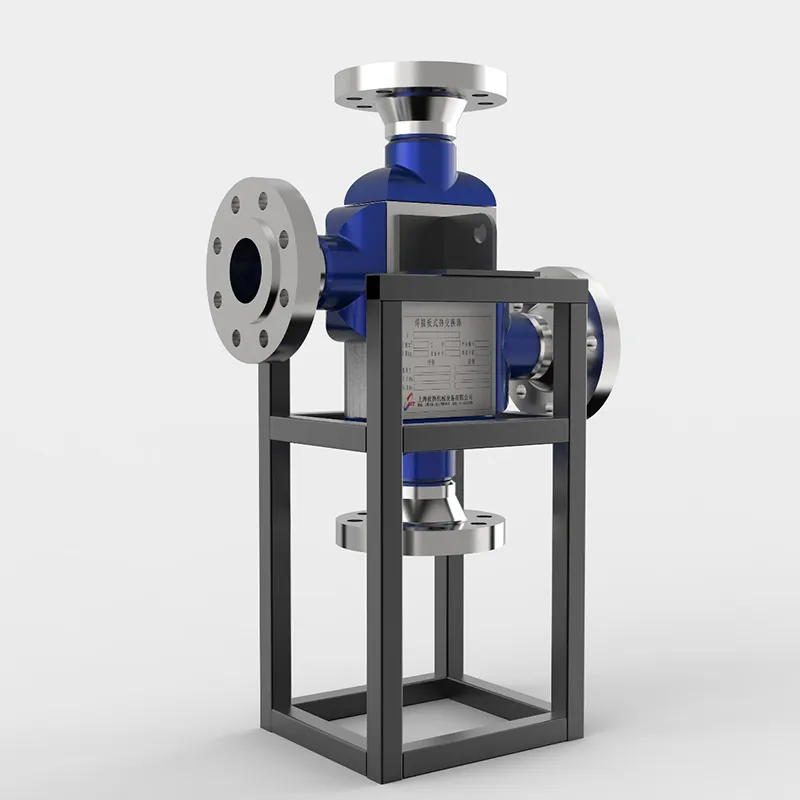
A plate heat exchanger for chiller applications transfers heat between the refrigerant and a secondary fluid (typically water or a water-glycol mixture) without mixing the two streams. The design consists of a stack of corrugated metal plates sealed by gaskets or welded joints. These plates create alternating channels for the hot and cold fluids, enabling efficient thermal exchange in a compact footprint.
In a typical chiller loop, the heat exchanger serves as either an evaporator or a condenser. As a plate heat exchanger for chiller evaporator duty, it allows the refrigerant to absorb heat from the chilled water loop. As a condenser, it rejects heat to a cooling tower or dry cooler. The high turbulence created by the plate corrugations improves heat transfer coefficients and reduces fouling compared to shell-and-tube designs.
How Does a Plate Heat Exchanger Improve Chiller Efficiency?
The thermal performance of a plate heat exchanger for chiller applications directly affects the chiller's coefficient of performance (COP). A well-designed unit minimizes the temperature approach — the difference between the leaving chilled water temperature and the refrigerant saturation temperature. A smaller approach means the compressor works less, reducing energy consumption.
Key factors that influence efficiency include:
- Plate geometry and corrugation angle — higher chevron angles increase turbulence but also pressure drop.
- Material selection — stainless steel 316L is common for water-side, while titanium or alloy C-276 may be needed for corrosive fluids.
- Flow arrangement — countercurrent flow provides the highest thermal effectiveness.
- Proper sizing — undersized units cause high pressure drop and poor temperature control.
For engineers looking to replace or upgrade existing equipment, a compatible alternative to Alfa Laval or GEA gasketed plate heat exchangers can often be sourced from manufacturers like SHPHE, which offers free thermal design and selection services.
Key Parameters for Selecting a Plate Heat Exchanger for Chiller Duty
When specifying a plate heat exchanger for chiller applications, you need to provide accurate operating conditions. The table below summarizes typical parameter ranges seen in commercial and industrial chiller systems.
| Parameter |
Typical Range |
Notes |
| Cooling capacity |
50 kW – 5,000 kW |
Larger units may require multiple passes or welded designs. |
| Chilled water flow rate |
10 – 500 m³/h |
Velocity kept between 0.5–2.5 m/s to balance heat transfer and erosion. |
| Design pressure |
10 – 30 bar |
Higher pressures require welded or semi-welded plate packs. |
| Design temperature |
-20°C to 150°C |
Gaskets limit upper temperature; welded units handle higher. |
| Approach temperature |
1°C – 5°C |
Tighter approach improves chiller COP but increases surface area. |
| Pressure drop (per side) |
20 – 80 kPa |
Must be coordinated with pump selection. |
Always verify material compatibility with the refrigerant and secondary fluid. For ammonia chillers, titanium or stainless steel plates are recommended to avoid corrosion.
Common Applications and Recommended Solutions
A plate heat exchanger for chiller applications is used across many industries. Below are the most common scenarios and the type of heat exchanger that fits best.
HVAC central plants — Large commercial buildings use water-cooled chillers with gasketed plate heat exchangers as evaporators and condensers. Gasketed units allow easy plate replacement and cleaning. For this duty, a compatible alternative to Compabloc or Alfa Laval gasketed units is available from SHPHE gasketed plate heat exchangers.
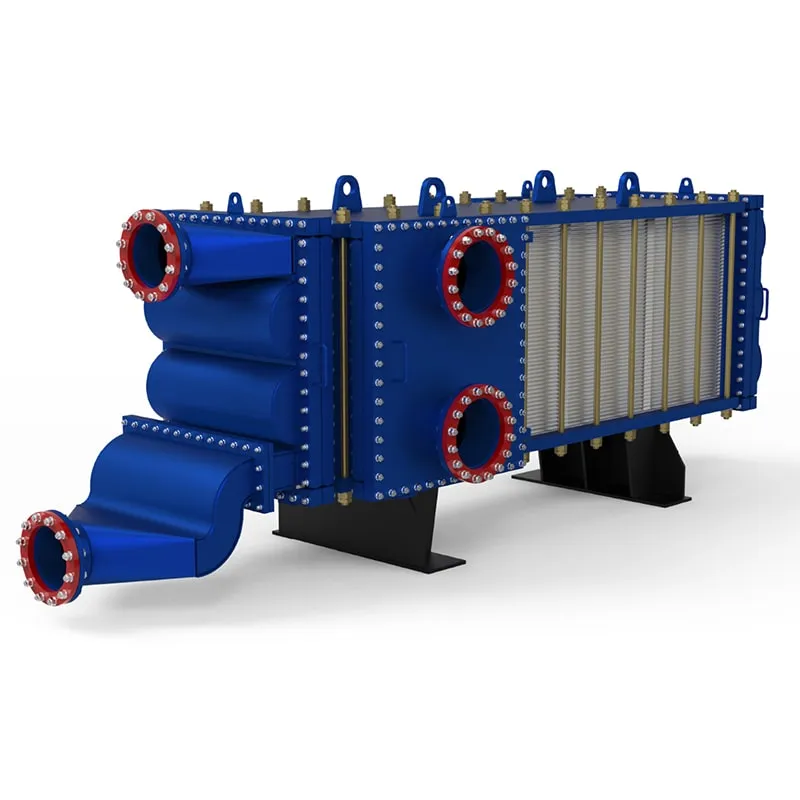
Industrial process cooling — Chemical plants, data centers, and food processing facilities often require high reliability and resistance to thermal cycling. Welded plate heat exchangers, such as the HT-Bloc or TP welded designs, eliminate gasket failure risks. SHPHE offers HT-Bloc welded plate heat exchangers that handle high temperatures and pressures.
Heat recovery chillers — When simultaneous heating and cooling is needed, a plate heat exchanger for chiller heat recovery captures condenser heat for preheating boiler feedwater or domestic hot water. Wide gap welded plate heat exchangers are suitable for fluids with suspended solids.
Low-temperature applications — For chillers operating below -10°C, such as in ice storage systems, a printed circuit heat exchanger (PCHE) can be used due to its ability to withstand high pressure and cryogenic temperatures. SHPHE provides custom-engineered PCHE solutions for demanding conditions.
Why Choose SHPHE for Your Chiller Heat Exchanger?
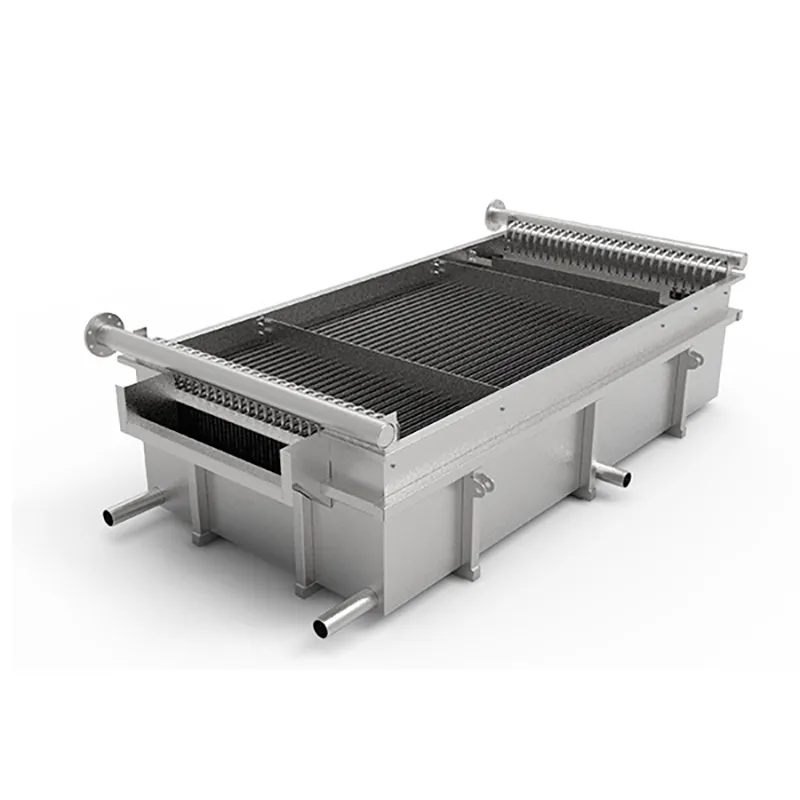
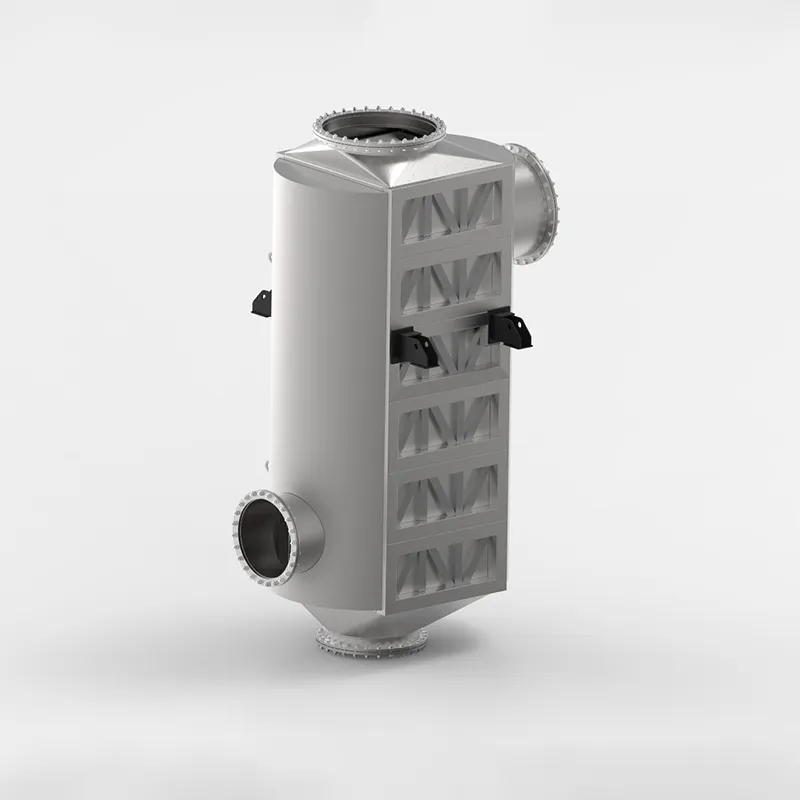
SHPHE is a Shanghai-based plate heat exchanger manufacturer founded in 2005, exporting to more than 20 countries. The company holds ISO9001 and ASME U certifications, ensuring consistent quality and compliance with international standards. Their product lines include HT-Bloc welded plate heat exchangers, TP welded plate heat exchangers, wide gap welded plate heat exchangers, gasketed plate heat exchangers, PCHE, plate air preheaters, and pillow plates.
For engineers and purchasing managers, SHPHE offers free thermal design and selection services. This means you can provide your operating parameters — flow rates, temperatures, pressures, and media — and receive a customized plate heat exchanger for chiller applications that matches your system exactly. The company also provides replacement units compatible with Alfa Laval, Compabloc, and GEA equipment, making retrofits straightforward.
SHPHE also manufactures specialized products like plate air preheaters and pillow plates for unique process requirements. Their engineering team can advise on the best plate material, gasket type, and connection size for your chiller duty.
Frequently Asked Questions
1. Can I use a gasketed plate heat exchanger for ammonia chillers?
Yes, but you must use gaskets made of materials resistant to ammonia, such as EPDM or HNBR. Stainless steel 316L or titanium plates are recommended. For high-pressure ammonia systems, a welded or semi-welded plate heat exchanger is safer and more reliable.
2. How do I know if my chiller heat exchanger is undersized?
Common signs include high pressure drop across the heat exchanger, inability to reach the design leaving water temperature, and frequent compressor cycling. If the approach temperature exceeds 5°C under full load, the unit may be undersized or fouled. A thermal performance analysis by the manufacturer can confirm.
3. What is the typical lifespan of a plate heat exchanger in chiller service?
With proper water treatment and regular cleaning, a gasketed plate heat exchanger can last 15–20 years. Welded units often last longer, up to 25 years, because there are no gaskets to degrade. The actual lifespan depends on water quality, operating temperature, and maintenance frequency.
4. Can I retrofit a plate heat exchanger into an existing chiller system?
Yes, retrofitting is common. You need to match the heat exchanger's capacity, pressure rating, and connection sizes to the existing chiller. Many manufacturers, including SHPHE, offer drop-in replacements that are compatible with existing piping and support structures.
5. What is the difference between a brazed and a gasketed plate heat exchanger for chillers?
Brazed plate heat exchangers are compact, leak-resistant, and suitable for small to medium chillers (typically under 200 kW). They cannot be disassembled for cleaning. Gasketed units can be opened for inspection and cleaning, making them better for larger systems or applications with fouling risk.
6. How does fouling affect the performance of a plate heat exchanger for chiller applications?
Fouling increases thermal resistance and pressure drop, reducing heat transfer efficiency. In chiller systems, even a 0.1 mm layer of scale can decrease capacity by 10–15%. Regular cleaning and proper water treatment are essential. Using a wide gap welded plate heat exchanger can help if the fluid contains particles.
Request a Quote for Your Chiller Heat Exchanger
Choosing the right plate heat exchanger for chiller applications requires accurate process data. To receive a free thermal design and a customized quotation, please provide the following information to the SHPHE engineering team:
- Flow rate on the chilled water side and the cooling water side (m³/h or GPM)
- Inlet and outlet temperatures for both streams (°C or °F)
- Design pressure and allowable pressure drop (bar or psi)
- Media composition (water, glycol mixture, refrigerant type)
- Preferred connection size and orientation
With these details, SHPHE can recommend the optimal plate heat exchanger for chiller applications — whether gasketed, welded, or PCHE — to maximize your system's efficiency and reliability. Contact their sales team today to start the selection process.

 English EN





User Comments
Service Experience Sharing from Real Customers
Mike
Facility Maintenance SupervisorWe swapped out our old shell-and-tube for this plate heat exchanger on a 150-ton chiller last quarter. The temperature approach is noticeably tighter, and the pressure drop is lower than I expected. Installation was straightforward—no special tools needed. It’s been running 24/7 through a hot spell without a hiccup. Solid build quality for the price.
Sarah
HVAC EngineerSpec’d this unit for a retrofit project in a mid-rise office building. The compact footprint saved us valuable mechanical room space. Only reason I’m not giving 5 stars is the gasket kit took a bit longer to arrive than promised, but the exchanger itself performs great—stable leaving water temp even with fluctuating load. Would buy again.
Tom
Plant Operations ManagerWe run three chillers in parallel for a food processing plant, and I put one of these plate heat exchangers on the newest chiller loop. Six months in, zero leaks, no fouling issues, and cleaning was a breeze during our last PM cycle. The titanium plates are worth the extra cost for our water chemistry. Reliable piece of kit.
Liam
Refrigeration TechnicianInstalled this for a client’s cold storage warehouse. The heat transfer efficiency is definitely better than the old brazed plate we pulled out. I like that the plates are replaceable—makes service life much longer. Only minor gripe: the bolt torque specs in the manual were a little vague, but I figured it out. Works like a charm now.