Optimizing Brewery Cooling with a Wort Chiller Plate Heat Exchanger
For breweries aiming to improve efficiency and beer quality, a wort chiller plate heat exchanger is a critical component in the cooling process. This article explores how plate heat exchangers work for wort cooling, their key benefits, and how to select the right unit for your brewery. We cover practical parameters, common applications, and answer frequent buyer questions to help you make an informed decision.
What Is a Wort Chiller Plate Heat Exchanger and Why Is It Important?
After the boiling stage, wort must be rapidly cooled to fermentation temperature—typically between 68–77°F (20–25°C) for ales and 46–50°F (8–10°C) for lagers. A wort chiller plate heat exchanger uses a series of corrugated metal plates to transfer heat from the hot wort to a cooling medium (usually cold water or glycol). This process, known as counter-current flow, ensures maximum thermal efficiency and minimizes the risk of contamination or off-flavors. Without efficient cooling, breweries face longer cycle times and inconsistent product quality.
How Does a Plate Heat Exchanger Work in a Brewery Setting?
In a typical brewery setup, hot wort from the whirlpool is pumped through one set of channels in the plate heat exchanger, while cold water or glycol flows through the alternate channels. The thin stainless steel plates allow rapid heat transfer without the two fluids mixing. The wort temperature drops from near boiling (212°F / 100°C) to pitching temperature in seconds, while the cooling water is heated and can be reused for cleaning or mashing. This closed-loop design also reduces water consumption compared to traditional immersion chillers.
Key Features and Typical Parameter Ranges for Brewery Wort Chillers
When evaluating a wort chiller plate heat exchanger, focus on these performance parameters:
- Flow rate: Typically 10–100 GPM (2–25 m³/h) for craft breweries; larger systems can handle 200+ GPM.
- Temperature range: Inlet wort up to 212°F (100°C); outlet as low as 40°F (4°C) with glycol.
- Pressure rating: Standard designs handle 150–300 PSI (10–20 bar).
- Plate material: AISI 316L stainless steel for corrosion resistance and food-grade compliance.
- Gasket material: EPDM or Viton for high-temperature resistance.
A well-designed plate heat exchanger for wort cooling typically achieves a temperature approach of 5–10°F (3–6°C), meaning the wort exits only slightly warmer than the incoming coolant. This efficiency directly impacts your brewery's energy costs and throughput.
Applications and Recommended Solutions for Different Brewery Sizes
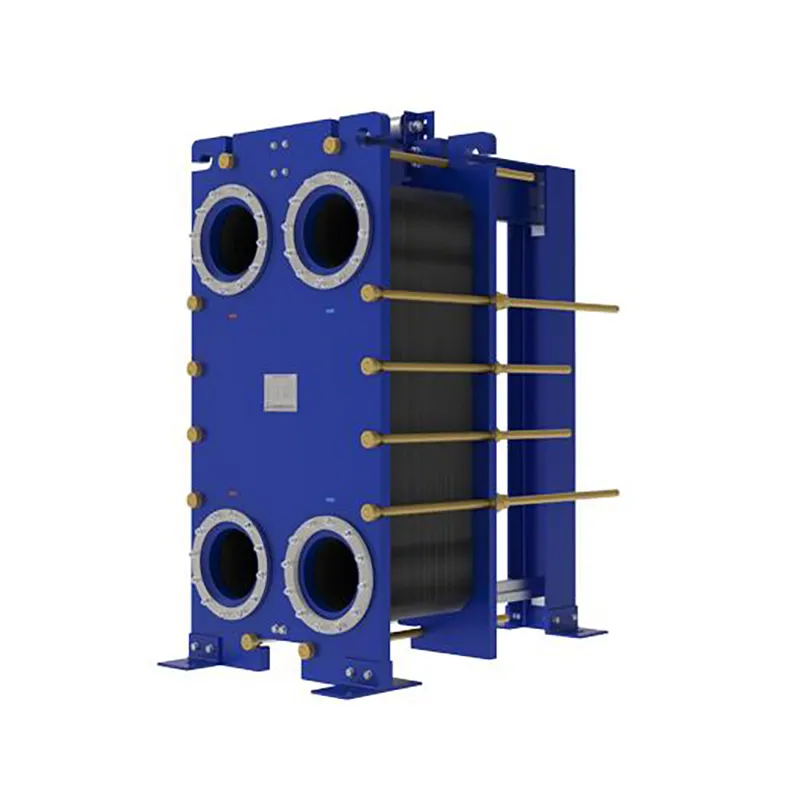
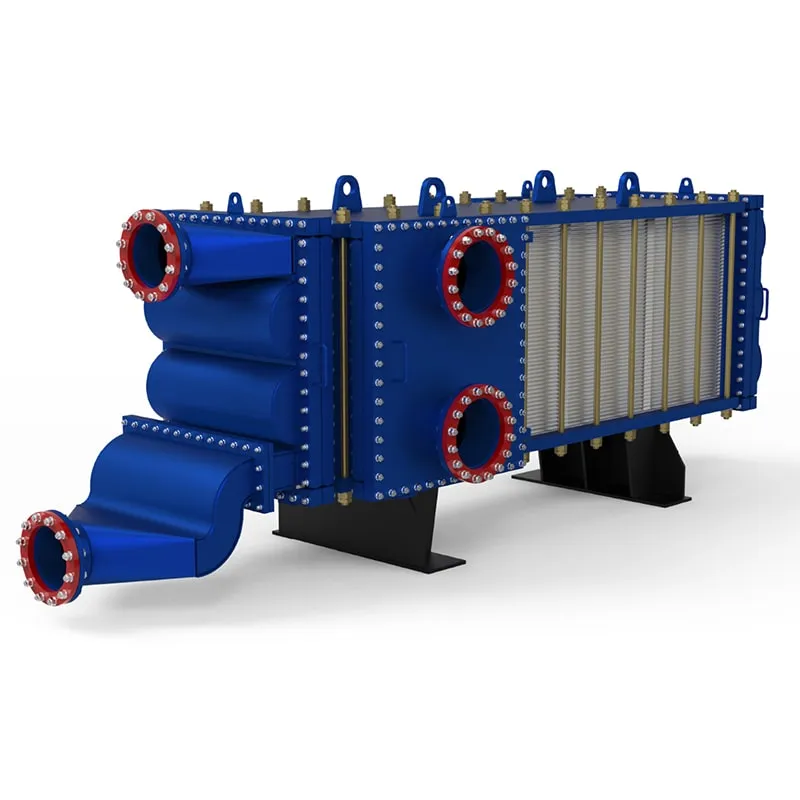
For small craft breweries producing 5–15 barrels per batch, a single-stage gasketed plate heat exchanger with water cooling is often sufficient. Mid-size operations (30–100 barrels) may benefit from a two-stage system: first stage with water, second stage with glycol. Large industrial breweries often turn to welded or semi-welded plate heat exchangers for higher pressure and temperature tolerance. If you need a solution compatible with existing Alfa Laval or GEA systems, our gasketed plate heat exchangers offer a reliable alternative with interchangeable plate patterns.
Why Choose SHPHE for Your Brewery Wort Chiller?
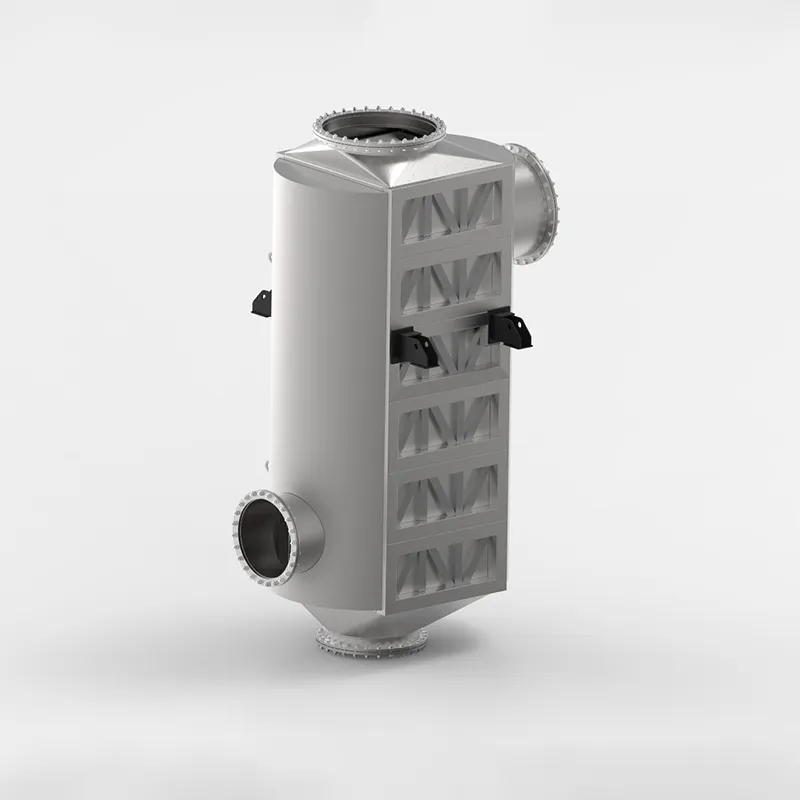
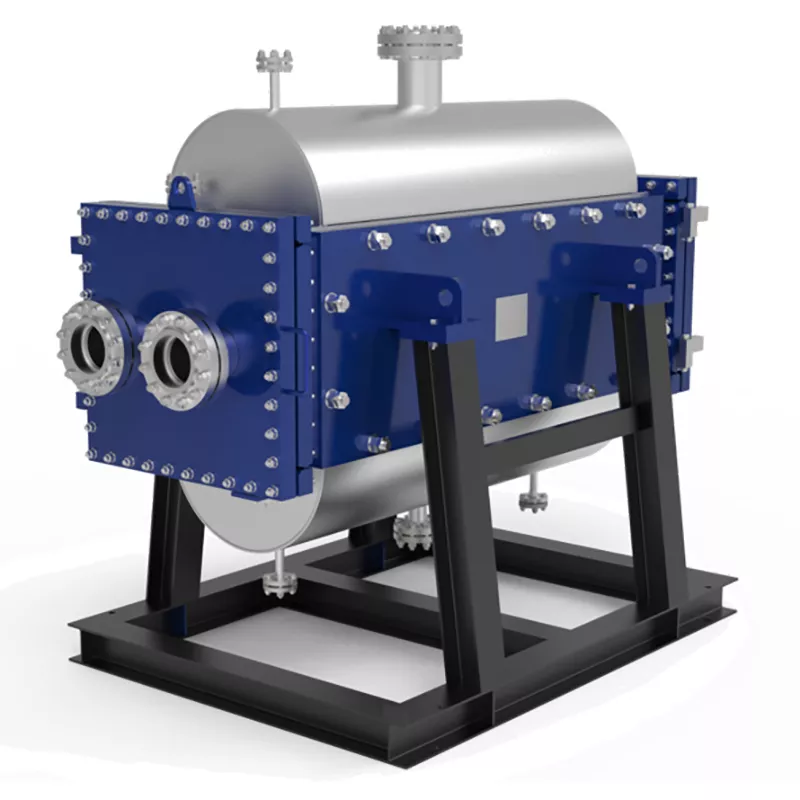
SHPHE, a Shanghai-based manufacturer founded in 2005, has been exporting plate heat exchangers to over 20 countries. Our product lines include HT-Bloc and TP welded plate heat exchangers, wide gap welded units, gasketed plate heat exchangers, PCHE, plate air preheaters, and pillow plates. All our wort chiller plate heat exchangers are designed and manufactured under ISO9001 and ASME U certification. We offer free thermal design and selection service to ensure your unit matches your brewery's exact flow rate, temperature, pressure, and media requirements. For high-temperature or viscous applications, our wide gap welded plate heat exchangers are an excellent choice to prevent fouling.
Frequently Asked Questions About Wort Chiller Plate Heat Exchangers
What size plate heat exchanger do I need for a 10-barrel brewery?
For a 10-barrel batch (about 310 gallons), a plate heat exchanger with 30–40 plates and a flow rate of 15–20 GPM is typical. The exact size depends on your desired cooling time and coolant temperature. We recommend sending your specific parameters for a free thermal sizing.
Can I use a wort chiller plate heat exchanger for both ale and lager cooling?
Yes. A single unit can handle both ale and lager temperatures by adjusting the coolant flow rate. For lagers requiring lower pitching temperatures (46–50°F), a glycol-cooled second stage is recommended. Our gasketed plate heat exchangers are designed for flexible temperature control.
How do I clean a plate heat exchanger used for wort cooling?
Clean-in-place (CIP) is standard. Use a caustic solution (1–2% NaOH) at 140–160°F for 30 minutes, followed by an acid rinse (0.5–1% phosphoric acid) to remove beer stone. Always flush with hot water between cycles. Most gasketed units can be disassembled for manual cleaning if needed.
What is the typical lifespan of a brewery plate heat exchanger?
With proper maintenance and water treatment, a stainless steel plate heat exchanger can last 15–20 years. Gaskets may need replacement every 3–5 years depending on temperature cycles and cleaning frequency. Regular inspection of plate surfaces for pitting or scaling is recommended.
Is a wort chiller plate heat exchanger compatible with my existing Alfa Laval system?
Yes. SHPHE produces gasketed plate heat exchangers that are compatible with Alfa Laval and GEA plate patterns. This means you can replace or expand your existing bank without changing piping or frame dimensions. Contact us with your current model number for a direct match.
How much water does a plate heat exchanger save compared to an immersion chiller?
A plate heat exchanger typically uses 30–50% less water than an immersion chiller because the heated outlet water can be collected and reused. In a counter-current design, you may achieve a water-to-wort ratio of 1.5:1 or better, compared to 3:1 or higher for immersion cooling.
Request a Quote for Your Brewery Wort Chiller
To get a precise recommendation for your wort chiller plate heat exchanger, please provide the following details: flow rate (GPM or m³/h), inlet and outlet temperatures for both wort and coolant, operating pressure, and media type (water, glycol, or other). Our engineering team will perform a free thermal design and selection to ensure optimal performance for your brewery. Contact us today with your process parameters, and we will respond with a tailored solution within 24 hours.
Whether you are upgrading an existing system or building a new brewery, a reliable wort chiller plate heat exchanger from SHPHE can improve your cooling efficiency, reduce water usage, and maintain consistent beer quality. Explore our range of HT-Bloc welded plate heat exchangers for high-temperature applications or our TP welded plate heat exchangers for demanding industrial environments.

 English EN





User Comments
Service Experience Sharing from Real Customers
Mike
Head BrewerBought this plate chiller to replace my old immersion coil. The difference is night and day—cools 10 gallons of wort from boiling to pitching temp in under 8 minutes with just garden hose water. Cleanup is easier than I expected too. Definitely worth the upgrade for any serious homebrewer.
Sarah
Homebrewing EnthusiastI was a bit intimidated by the setup at first, but after watching a couple videos it clicked. This chiller cuts my cooling time by more than half compared to my old copper coil. Only reason I'm not giving 5 stars is that it took a few tries to get the connections leak-free. Once it's dialed in, it works like a charm.
Tom
Production ManagerWe integrated this into our pilot system at the nano brewery and it's been rock solid. Handles the heat load without any channeling issues, and the gaskets hold up well to regular CIP cycles. For the price, it's a no-brainer for small commercial operations looking to speed up turnaround.
Jenna
All-Grain BrewerIt works well once you figure out the flow rates—too fast and you get hot spots, too slow and it takes forever. I also had to add a hop filter before the chiller because hop debris kept clogging the plates. Good product but definitely has a learning curve for beginners. I'm still happy with it overall.