Why a Plate Heat Exchanger for HVAC Delivers Superior Thermal Performance
In modern HVAC systems, thermal efficiency directly impacts energy costs and equipment longevity. A plate heat exchanger for HVAC applications stands out for its compact design and high heat transfer rates. This article explains how these exchangers work, their key parameters, and why choosing the right manufacturer matters for your next project.
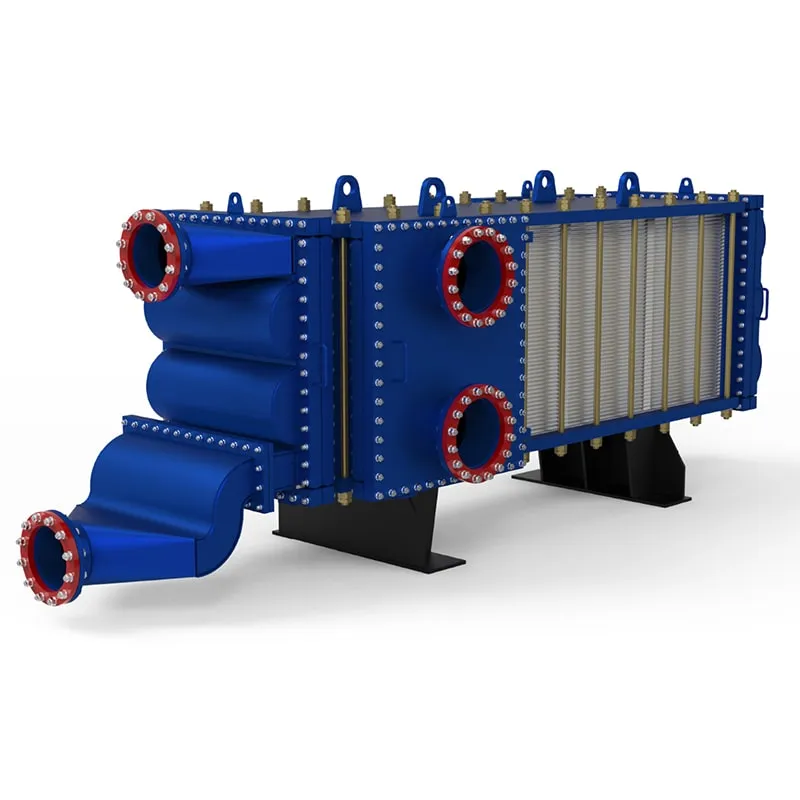
Process engineers and purchasing managers often face the challenge of balancing space constraints with thermal performance. A plate heat exchanger for HVAC systems solves this by using corrugated plates to create turbulent flow, maximizing heat transfer in a small footprint. Unlike shell-and-tube designs, these units can achieve temperature approaches as low as 1°C, making them ideal for heating, cooling, and heat recovery loops.
How Does a Plate Heat Exchanger Work in HVAC Systems?
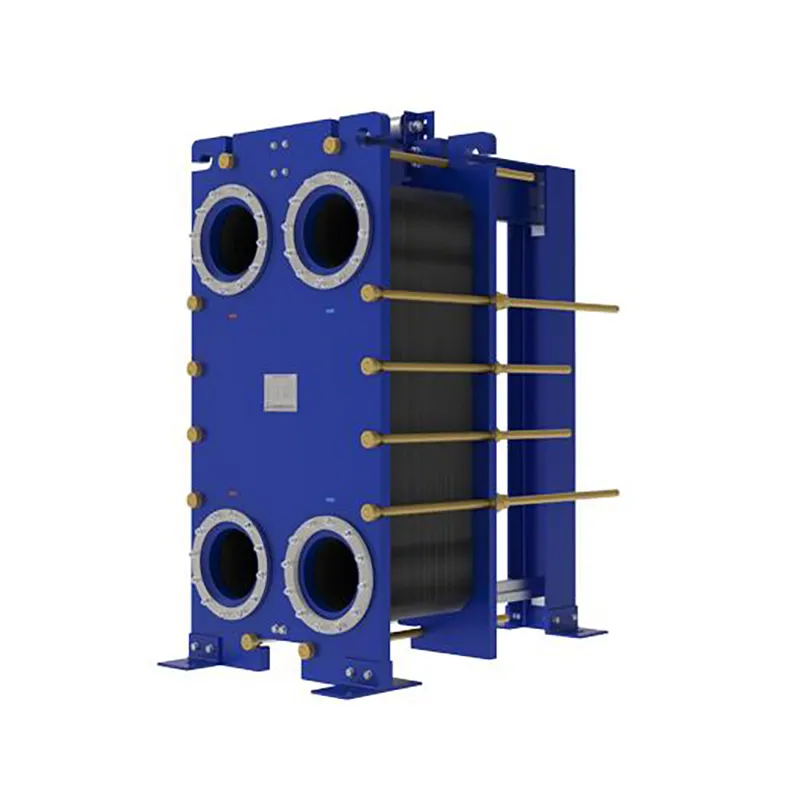
The core principle is simple: alternating plates create separate channels for hot and cold fluids. The corrugated pattern induces turbulence, which breaks up boundary layers and enhances heat transfer. In HVAC applications, common fluids include water, glycol mixtures, and refrigerants. The plates are clamped together between a fixed and a movable frame, with gaskets sealing each channel.
For example, in a chilled water system, the plate heat exchanger transfers heat from the building loop to the chiller loop without mixing the fluids. This allows precise temperature control and reduces pump energy. The compact design also means less refrigerant charge compared to traditional systems.
What Are the Typical Performance Parameters for HVAC Plate Heat Exchangers?
Industry-standard ranges for HVAC plate heat exchangers include:
- Operating pressure: up to 30 bar (435 psi) for gasketed designs
- Temperature range: -40°C to 180°C (-40°F to 356°F) depending on gasket material
- Heat transfer coefficient: 3,000–7,000 W/m²K for water-to-water applications
- Flow capacity: from 1 m³/h to over 1,000 m³/h per unit
- Plate materials: stainless steel 304/316L, titanium, or Hastelloy for corrosive fluids
These parameters ensure reliable operation in commercial buildings, district energy systems, and industrial HVAC. Always verify compatibility with your specific media and operating conditions.
Key Applications of Plate Heat Exchangers in HVAC
Plate heat exchangers are used in several HVAC scenarios:
- Chiller and boiler isolation: protects expensive equipment from fouling
- Heat recovery: captures waste heat from exhaust air or process streams
- Free cooling: uses low ambient temperatures to cool data centers without chillers
- Snow melting systems: circulates heated fluid through pavement loops
- District heating substations: transfers heat from the main network to buildings
For each application, selecting the right plate geometry and gasket material is critical. For instance, wide gap designs handle viscous fluids or those with suspended solids, while herringbone patterns maximize turbulence for clean fluids.
Why Choose SHPHE for Your HVAC Plate Heat Exchanger Needs?
SHPHE, founded in 2005 in Shanghai, is a plate heat exchanger manufacturer with ISO9001 and ASME U certifications. We export to over 20 countries and offer a full range of products, including gasketed plate heat exchangers, TP welded plate heat exchangers, and wide gap welded plate heat exchangers. Our HT-Bloc and PCHE lines provide alternatives to brands like Alfa Laval and Compabloc, ensuring compatibility with existing systems.
We provide free thermal design and selection services. Our engineers analyze your flow rate, temperature, pressure, and media to recommend the optimal plate heat exchanger for HVAC applications. This saves you time and ensures the unit meets your performance targets.
Frequently Asked Questions About Plate Heat Exchangers for HVAC
Can a plate heat exchanger be used for both heating and cooling?
Yes, a plate heat exchanger for HVAC can handle both heating and cooling duties. In a single system, it can transfer heat from a boiler loop to a building zone in winter, and from the building to a chiller loop in summer. Proper gasket and plate material selection ensures long-term reliability across temperature swings.
How do I size a plate heat exchanger for my HVAC project?
Sizing requires four inputs: flow rate, inlet and outlet temperatures for both fluids, and allowable pressure drop. Our free thermal design service uses these parameters to calculate the required plate area and number of plates. Contact us with your project data for a customized recommendation.
What maintenance does a gasketed plate heat exchanger need?
Routine maintenance includes checking gasket condition, cleaning plates to remove fouling, and retightening bolts to the specified torque. Depending on water quality, cleaning intervals range from 6 months to 2 years. Welded designs like our TP series require less frequent maintenance.
Is a plate heat exchanger compatible with existing Alfa Laval or GEA systems?
Yes, SHPHE units are designed as compatible alternatives to Alfa Laval, Compabloc, and GEA plate heat exchangers. We offer interchangeable plates and gaskets for many models, allowing you to replace or expand existing installations without changing piping or frames.
What is the typical lifespan of a plate heat exchanger in HVAC service?
With proper water treatment and maintenance, a gasketed plate heat exchanger can last 15–20 years. Welded designs may exceed 25 years. Factors affecting lifespan include fluid corrosiveness, operating temperature, and frequency of thermal cycling.
Can I get a plate heat exchanger for high-temperature HVAC applications?
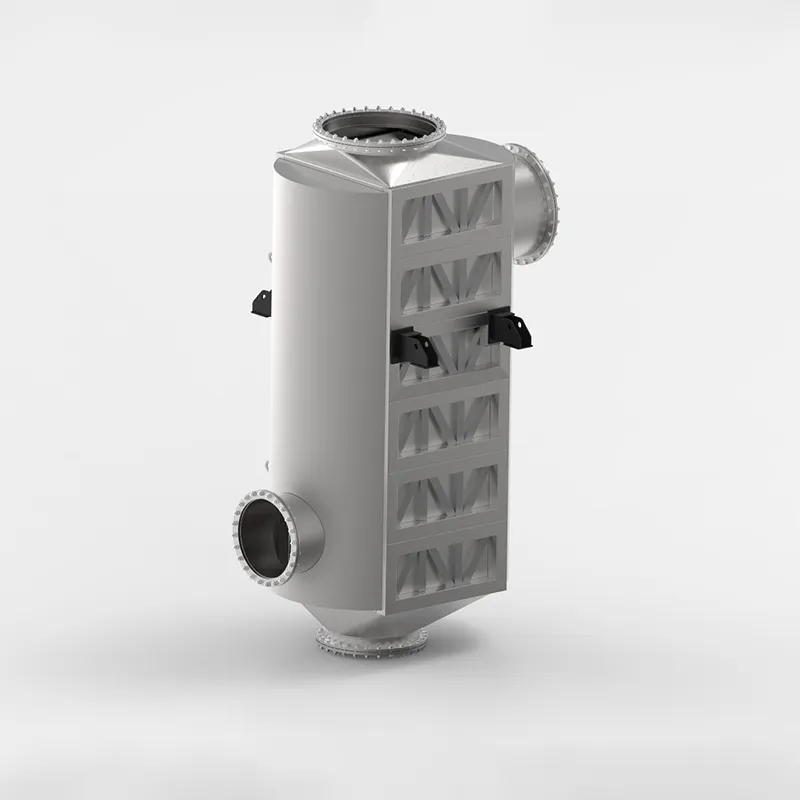
Yes, for temperatures above 180°C, consider our HT-Bloc welded plate heat exchangers or PCHE designs. These use no gaskets and can handle up to 500°C. They are ideal for heat recovery from industrial exhaust or high-temperature boiler systems.
Request a Quote for Your HVAC Plate Heat Exchanger
To get a tailored recommendation, please provide the following details: flow rate (m³/h or GPM), inlet and outlet temperatures for both sides, operating pressure, and media type (e.g., water, glycol, refrigerant). Our team will respond with a thermal design and pricing within 48 hours. Choosing the right plate heat exchanger for HVAC systems ensures energy savings and reliable operation for years to come.

 English EN





User Comments
Service Experience Sharing from Real Customers
Tommy V.
HVAC Service TechnicianBeen swapping out old shell-and-tube units for these plate heat exchangers on our commercial RTUs. The pressure drop is way lower than I expected, and the copper brazing holds up even with our aggressive water treatment. Install was a breeze—bolted right up to the existing flange. My back thanks me for the lighter weight.
Maya K.
Mechanical EngineerSpec'd these for a new office building's VRF system. Thermal performance matches the catalog data pretty closely. Only reason it's not 5 stars is the gasket replacement procedure is a bit fiddly if you don't have the exact torque wrench setting. But for the price point and footprint, it's a solid choice for hydronic separation.
Elena R.
Facilities ManagerWe retrofitted our chiller plant with these to isolate the boiler loop from the chilled water loop. Had a small leak on the first unit, but the supplier swapped it out same week. Been running 24/7 for six months now—no fouling issues, and our approach temperature dropped by 2°F. Maintenance team loves the easy access for cleaning.
Jack D.
Self-Employed Handyman / Part-Time LandlordBought a small one for a hydronic heating loop in my rental duplex. It works fine for the radiant floor, but the instructions were basically useless—had to watch three YouTube videos to figure out the flow direction. Also, the ports are a little close together for my fat fingers. Does the job, just not my favorite install.