What Are Plate Coolers and Why Are They Essential for Industrial Heat Transfer?
By Industrial Heat Transfer Editorial Team
Jul-06-2026
Plate coolers, also known as plate heat exchangers, are compact thermal management devices that utilize a series of corrugated metal plates to transfer heat between two fluids with exceptional efficiency. Unlike traditional shell-and-tube designs, these units operate on the fundamental principle of counter-current flow, where hot and cold fluids pass through alternating channels created by the plate stack, maximizing temperature gradients and heat transfer coefficients. The key components include the fixed frame, pressure plates, gaskets, and the plate pack itself, with design variations such as brazed, gasketed, and welded configurations tailored to specific industrial demands. Their critical advantages over shell-and-tube exchangers include up to 80% less space requirement, easier maintenance through plate accessibility, higher thermal efficiency due to turbulent flow patterns, and significantly lower fluid inventory. These attributes make plate coolers indispensable in applications ranging from HVAC systems and food processing to chemical manufacturing, power generation, and marine engineering. To maximize operational lifespan, best practices involve regular gasket inspection, proper torque tightening of plates, monitoring for pressure drops, periodic chemical cleaning to prevent fouling, and adherence to manufacturer guidelines for temperature and pressure limits. With proper maintenance, plate coolers deliver reliable, high-performance heat transfer for decades in demanding industrial environments.
The Fundamental Working Principle of Plate Coolers: How They Transfer Heat Efficiently
Plate coolers operate on the principle of counter-current flow, where two fluids move in opposite directions through a series of corrugated metal plates. This design maximizes the temperature gradient along the entire plate surface, enabling highly efficient heat transfer between the fluids without direct mixing.
Each plate is separated by a gasket or welded seal, creating alternating channels for the hot and cold fluids. The corrugations induce turbulence even at low flow rates, which disrupts boundary layers and significantly enhances the heat transfer coefficient compared to smooth surfaces. This turbulent flow is the key to the compact size and high performance of plate coolers.
The heat transfer process relies on conduction through the thin metal plates and convection from the fluid streams. The large surface area provided by the plate arrangement, combined with the high thermal conductivity of materials like stainless steel or titanium, allows for rapid and uniform heat exchange. This makes plate coolers ideal for applications requiring precise temperature control and energy efficiency.
For industries needing robust and customizable solutions, advanced plate heat exchanger designs such as the TP welded plate heat exchanger or the wide gap welded plate heat exchanger offer enhanced durability for viscous or particulate-laden fluids. Similarly, the HT Bloc welded plate heat exchanger is engineered for high-temperature and high-pressure duties, while the gasketed plate heat exchanger provides flexibility for maintenance and capacity changes.
Specialized applications benefit from designs like the custom engineered printed circuit heat exchanger for extreme compactness, or the custom engineered plate air preheaters for gas-to-gas heat recovery. Additionally, the custom engineered pillow plates offer unique heat transfer surfaces for specific industrial processes.
Key Components and Design Variations of Plate Heat Exchangers in Industrial Applications
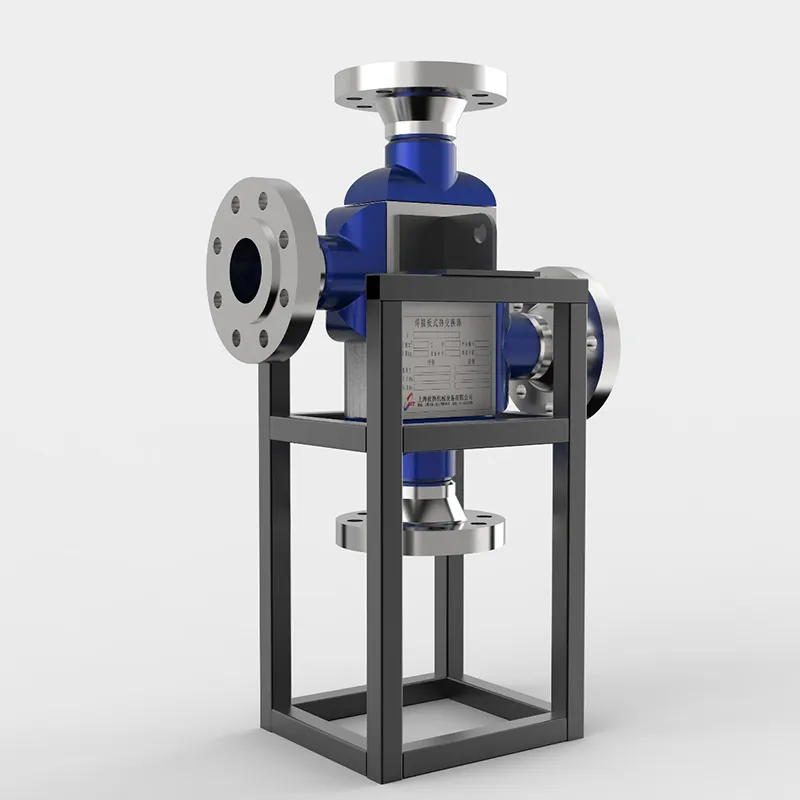
Core Components
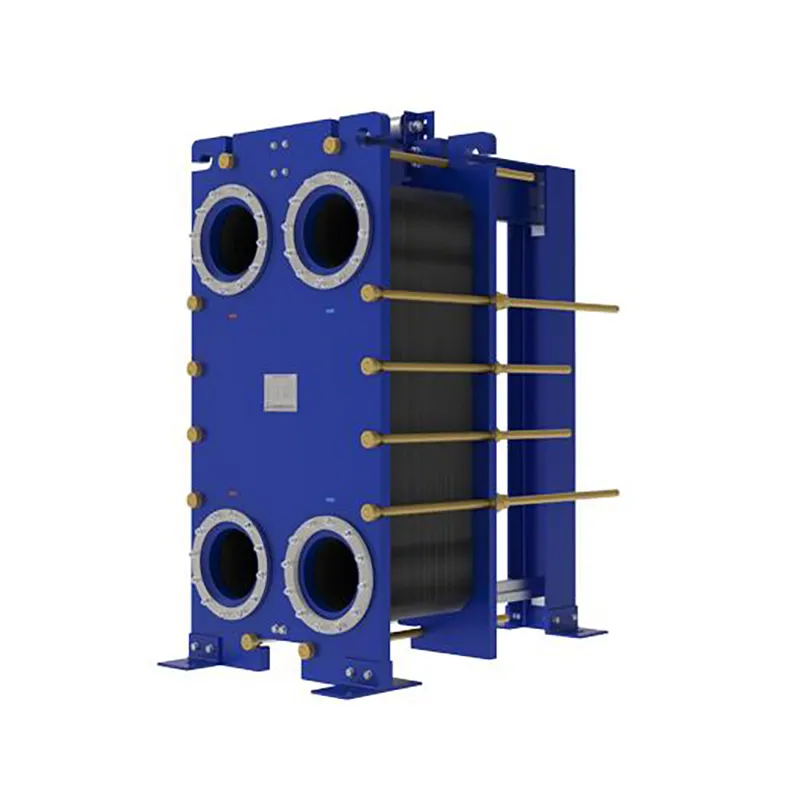
Plate heat exchangers consist of a series of corrugated metal plates, gaskets, and a frame assembly. The plates create alternating channels for hot and cold fluids, enabling efficient heat transfer through thin metal walls. The frame includes fixed and movable end covers, carrying bars, and tightening bolts to compress the plate pack securely.
Design Variations
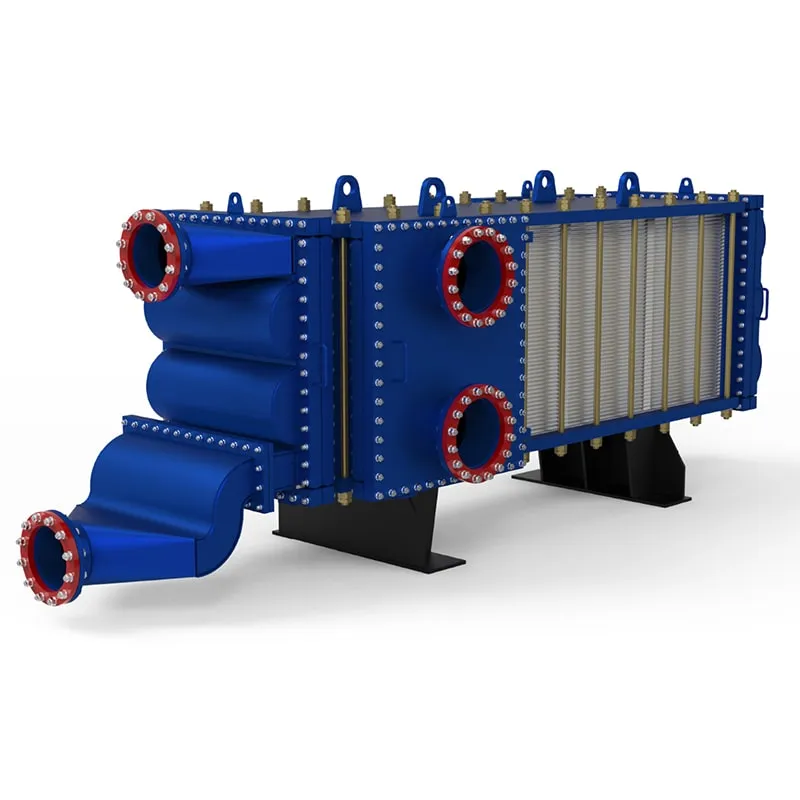
Common designs include gasketed plate heat exchangers, which offer easy maintenance and flexibility, and brazed plate heat exchangers, known for compactness and high thermal efficiency. Welded plate heat exchangers are used for high-temperature or high-pressure applications, while wide-gap designs handle viscous fluids or those with particulates. Each variation optimizes flow distribution, pressure drop, and thermal performance for specific industrial needs.
Industrial Significance
The choice of plate geometry, material, and sealing method directly impacts heat transfer efficiency, durability, and operational cost. Proper selection ensures reliable performance in industries such as chemical processing, HVAC, food and beverage, and power generation, where precise temperature control and energy savings are critical.
Critical Advantages of Plate Coolers Over Traditional Shell-and-Tube Heat Exchangers
Plate coolers utilize corrugated metal plates to transfer heat between fluids, offering distinct performance benefits compared to conventional shell-and-tube designs. Their compact structure and high turbulence flow patterns enable superior thermal efficiency in industrial applications.
Key Performance Comparison
| Parameter |
Plate Cooler |
Shell-and-Tube |
| Heat Transfer Coefficient (W/m²·K) |
3000 – 7000 |
500 – 1500 |
| Footprint (relative size) |
30 – 50% smaller |
Baseline |
| Temperature Approach (°C) |
1 – 2 |
5 – 10 |
| Maintenance Effort |
Easy access, cleanable |
Complex, tube bundle removal |
| Thermal Expansion Risk |
Low (flexible plates) |
Moderate to high |
The data above demonstrates that plate coolers achieve heat transfer coefficients 3 to 5 times higher than shell-and-tube exchangers, primarily due to turbulent flow induced by plate corrugations. This allows for closer temperature approaches and significantly reduced space requirements.
Enhanced Thermal Efficiency
Plate coolers generate high turbulence even at low flow velocities, breaking boundary layers and maximizing heat transfer. Counter-current flow configuration is standard, enabling temperature crosses that shell-and-tube designs cannot achieve. This results in up to 40% less surface area required for the same duty.
Space and Weight Savings
The compact plate-and-frame design occupies 30-50% less floor space than equivalent shell-and-tube units. Weight is also substantially lower, often reducing structural support requirements. This makes plate coolers ideal for retrofit projects where space is constrained, such as in custom engineered printed circuit heat exchanger installations.
Simplified Maintenance and Flexibility
Plate coolers feature easy access to all heat transfer surfaces. Individual plates can be removed, cleaned, or replaced without disturbing piping. Capacity modifications are straightforward by adding or removing plates. This modularity is particularly valuable for gasketed plate heat exchangers in hygienic applications.
Lower Fouling Tendency
High turbulence and smooth plate surfaces reduce fouling accumulation compared to the stagnant zones found in shell-and-tube bundles. This extends operational cycles between cleaning and reduces chemical treatment costs. For viscous or particulate-laden fluids, wide gap welded plate heat exchangers offer specialized solutions.
Cost-Effective Operation
Although initial costs may be comparable, plate coolers deliver lower total cost of ownership through reduced energy consumption, less downtime for maintenance, and longer service life. The ability to achieve high heat recovery also contributes to operational savings, especially in custom engineered plate air preheaters for industrial processes.
Common Industrial Applications Where Plate Coolers Are Indispensable
Plate coolers play a critical role in numerous industrial sectors, ensuring efficient thermal management and process stability. Their compact design and high heat transfer efficiency make them the preferred choice for demanding environments where temperature control is non-negotiable.
In the chemical and petrochemical industry, plate coolers are indispensable for controlling exothermic reactions, condensing vapors, and cooling corrosive fluids. Their ability to handle high pressures and temperatures while resisting chemical attack ensures safe and continuous operation in reactors and distillation columns.
The food and beverage sector relies heavily on plate coolers for pasteurization, sterilization, and rapid cooling of products like milk, beer, juices, and sauces. The sanitary design, easy cleaning, and precise temperature control help maintain product quality and extend shelf life without cross-contamination.
HVAC and refrigeration systems use plate coolers as evaporators and condensers to achieve efficient heat exchange in chillers, heat pumps, and district cooling networks. Their compact footprint and high thermal performance allow for energy savings and reduced refrigerant charge in both commercial and industrial installations.
In power generation, plate coolers are essential for cooling lubricating oil, generator hydrogen seals, and turbine steam samples. They ensure critical equipment operates within safe temperature ranges, improving reliability and preventing unplanned downtime in thermal, nuclear, and renewable power plants.
Marine and offshore applications depend on plate coolers for engine cooling, hydraulic oil cooling, and freshwater generation. Their resistance to seawater corrosion and vibration, combined with easy maintenance in confined spaces, makes them ideal for ships, rigs, and floating production vessels.
The pharmaceutical industry utilizes plate coolers for precise temperature control during fermentation, crystallization, and purification processes. The ability to maintain sterile conditions and comply with stringent regulatory standards is critical for producing high-quality drugs and vaccines.
Additionally, metalworking and manufacturing plants use plate coolers to cool quench oils, welding equipment, and hydraulic systems. By maintaining optimal operating temperatures, they enhance equipment longevity, reduce energy consumption, and improve overall process efficiency across diverse production lines.
Maintenance and Operational Best Practices to Maximize Plate Cooler Lifespan
Proper maintenance and operation are critical to extending the service life of plate coolers in industrial heat transfer applications. Adhering to best practices reduces downtime, maintains thermal efficiency, and prevents costly repairs. Below are key strategies for maximizing the lifespan of your plate heat exchanger equipment.
Regular Inspection and Cleaning
Schedule routine inspections to check for fouling, scaling, or debris accumulation on plate surfaces. Fouling reduces heat transfer efficiency and increases pressure drop. Clean plates using approved chemical or mechanical methods based on the fluid type. For gasketed units, inspect gaskets for wear or leakage. For welded or brazed units, verify no cracking or corrosion has developed. Always follow manufacturer guidelines for disassembly and reassembly to avoid plate damage.
Monitor Operating Parameters
Continuously track temperature, pressure, and flow rates. Sudden deviations may indicate fouling, blockage, or internal leakage. Maintain operating conditions within the design limits to prevent thermal shock or over-pressurization, which can deform plates or damage gaskets. Use data logging to identify trends and schedule proactive maintenance. For critical systems, install alarms for high pressure differential or abnormal temperature spikes.
Proper Start-Up and Shutdown Procedures
Follow correct start-up sequences: slowly introduce cold fluid first, then hot fluid, to minimize thermal stress. During shutdown, gradually reduce temperatures and pressures. Drain fluids completely if the unit will be idle to prevent freezing or corrosion. For gasketed plate coolers, avoid overtightening the tightening bolts; use a torque wrench to achieve the specified plate pack dimension.
Use Compatible Fluids and Filtration
Ensure process fluids are compatible with plate materials (stainless steel, titanium, etc.) and gasket elastomers. Install adequate filtration upstream to remove particulates that could clog narrow channels. For aggressive or fouling fluids, consider using wide-gap or welded plate designs. Regularly test fluid chemistry to avoid corrosion or scaling. For more details on suitable heat exchanger types, refer to gasketed plate heat exchangers or wide-gap welded plate heat exchangers.
Preventive Maintenance Schedule
Establish a preventive maintenance plan based on operating hours or calendar intervals. Replace gaskets and seals before they fail. Check tightening dimensions periodically. For brazed or welded units, inspect for external corrosion or pitting. Keep spare parts like gaskets, plates, and tightening bolts on hand. Document all maintenance activities to track performance history and identify recurring issues. For custom-engineered solutions, visit custom-engineered printed circuit heat exchangers.
Training and Documentation
Train operators on correct handling, cleaning, and emergency procedures. Provide clear documentation including manufacturer manuals, maintenance logs, and troubleshooting guides. Ensure that any modifications or repairs are carried out by qualified personnel. Proper training reduces human error and extends equipment reliability. For additional resources on plate heat exchanger technology, see TP welded plate heat exchangers or HT Bloc welded plate heat exchangers.
By implementing these maintenance and operational best practices, industrial facilities can significantly extend the lifespan of their plate coolers, ensuring consistent thermal performance and reduced lifecycle costs. For specialized applications, explore custom-engineered plate air preheaters or custom-engineered pillow plates.
Summary: The Role of Plate Coolers in Modern Heat Transfer
Plate coolers, built upon the fundamental principle of corrugated plates creating turbulent flow, achieve heat transfer coefficients that are 2–5 times higher than conventional shell-and-tube designs. Their compact, modular construction allows for precise thermal duty adjustments by simply adding or removing plates, making them exceptionally efficient for applications requiring close temperature approaches and rapid response. The absence of large fluid volumes also reduces thermal lag and improves process control.
Key components — including the fixed frame, movable pressure plate, carrying bar, and specially gasketed plates — enable a wide range of design variations. From brazed plate heat exchangers for high-pressure duties to semi-welded and wide-gap models for viscous or fibrous fluids, the platform adapts to diverse industrial demands. Plate materials (stainless steel, titanium, Hastelloy) and gasket elastomers (EPDM, NBR, Viton) are selected based on fluid compatibility, ensuring long-term integrity.
Compared to traditional shell-and-tube exchangers, plate coolers offer critical advantages: up to 80% reduction in footprint, lower fluid hold-up volume, easier inspection and cleaning (fully accessible plate surfaces), and higher thermal efficiency due to countercurrent flow and plate-induced turbulence. These benefits translate directly into lower capital expenditure, reduced energy consumption, and simpler maintenance routines.
Plate coolers are indispensable in industries such as food & beverage (pasteurization, CIP heating/cooling), chemical processing (solvent recovery, acid cooling), HVAC (chiller systems, heat pumps), pharmaceuticals (sterile water loops), and power generation (lube oil cooling, closed-loop cooling water). Their ability to handle temperature crossovers and maintain high thermal performance under variable loads makes them the preferred choice for critical heat transfer duties.
To maximize plate cooler lifespan, operational best practices include monitoring differential pressure and temperature trends, maintaining proper gasket compression (torque values per manufacturer), performing regular visual inspections for pitting or scaling, and implementing a cleaning schedule based on fluid fouling tendency. Using correct gasket materials and avoiding thermal shock (rapid temperature changes) are essential to prevent leakage and extend service intervals.
In summary, plate coolers represent a mature, highly adaptable technology that delivers superior thermal performance, operational flexibility, and life-cycle value across virtually every industrial sector. Their thoughtful selection, installation, and maintenance are key to unlocking long-term reliability and process efficiency.
What Are Plate Coolers and Why Are They Essential for Industrial Heat Transfer?
Plate coolers are compact heat exchangers built from corrugated metal plates. They are essential because they provide up to 5 times higher heat transfer coefficients than traditional designs, enabling efficient thermal management in industries like food processing, HVAC, and chemical manufacturing.
The Fundamental Working Principle of Plate Coolers: How They Transfer Heat Efficiently
Hot and cold fluids flow through alternating narrow channels between plates. The large surface area and turbulent flow induced by the corrugations allow rapid heat transfer across the thin metal walls, achieving efficiency with minimal temperature difference.
Key Components and Design Variations of Plate Heat Exchangers in Industrial Applications
Core components include corrugated plates, gaskets, frame plates, and tightening bolts. Design variations range from gasketed (for easy cleaning) to brazed (for high pressure) and welded (for aggressive media), each tailored to specific industrial needs.
Critical Advantages of Plate Coolers Over Traditional Shell-and-Tube Heat Exchangers
Plate coolers offer 3–5 times higher thermal efficiency, occupy 30–50% less space, require less fluid volume, and are easier to maintain (plates can be individually replaced). They also allow closer temperature approaches (as low as 1°C).
Common Industrial Applications Where Plate Coolers Are Indispensable
They are vital in dairy pasteurization, brewery cooling, HVAC district heating/cooling, chemical reactor temperature control, and marine engine cooling. Their compactness and efficiency make them irreplaceable in processes requiring strict thermal hygiene or rapid heat exchange.

 English EN





User Comments
Service Experience Sharing from Real Customers
Megan
Lead Brewing TechnicianWe installed these plate coolers in our microbrewery last month, and the wort chilling time dropped by nearly 40%. The stainless build feels solid, and cleaning the plates between batches is way easier than our old chiller. Absolutely worth the upgrade.
Ethan
Maintenance SupervisorI was skeptical about the gasket design at first, but after three months of daily use in a dairy pasteurization line, no leaks or pressure drops. Only reason I’m not giving five stars is that the bolt torque specs in the manual were a bit off—had to tighten them a second time.
Carla
Process EngineerThese coolers handle our hot wort like a champ without fouling up. The flow rate is consistent, and the temperature control is precise enough for our lager recipes. I appreciate that the plates are marked for easy reassembly after cleaning. My team is happy.
Liam
Shift OperatorWorks okay for our small-scale sauce cooling, but the pressure drop is higher than I expected for the plate count. We had to adjust our pump speed. Also, the frame could use a sturdier base—it wobbles a bit when we run full flow. Not bad for the price, though.