What Are the Key Applications of a Plate Cooler in Modern Industry?
Author: Industrial Thermal Systems Research Team
Date: Jul-06-2026
Plate coolers have become indispensable across modern industrial sectors due to their superior heat transfer efficiency and compact design. In food and beverage processing, they enable precise thermal management for pasteurization and cooling, ensuring product safety and quality while reducing energy consumption. Chemical and pharmaceutical manufacturing relies on plate coolers for maintaining strict temperature control during reactions and crystallization, directly enhancing yield and process consistency. The power generation and HVAC industries depend on these systems for effective heat rejection and condensation, which are critical for plant efficiency and climate control. Marine and offshore applications benefit from their corrosion-resistant materials and space-saving configuration, allowing reliable operation in harsh saline environments. Furthermore, plate coolers support sustainable practices by facilitating energy recovery from waste heat streams, lowering overall carbon footprints and operational costs. As industries continue to prioritize efficiency and sustainability, the role of plate coolers in optimizing thermal processes remains fundamental to modern industrial advancement.
Optimizing Thermal Management in Food and Beverage Processing
In modern food and beverage processing, precise temperature control is critical for product quality, safety, and energy efficiency. Plate coolers offer a compact and highly effective solution for rapid heat transfer, ensuring consistent thermal management across various stages of production.
Efficient Cooling for Pasteurization and Sterilization
Plate coolers are widely used to rapidly reduce product temperature after heat treatment, preserving flavor and nutritional value. Their high heat transfer coefficient minimizes processing time while maintaining strict hygiene standards. For customized solutions, explore custom engineered pillow plates designed for specific thermal loads.
Temperature Control in Fermentation and Brewing
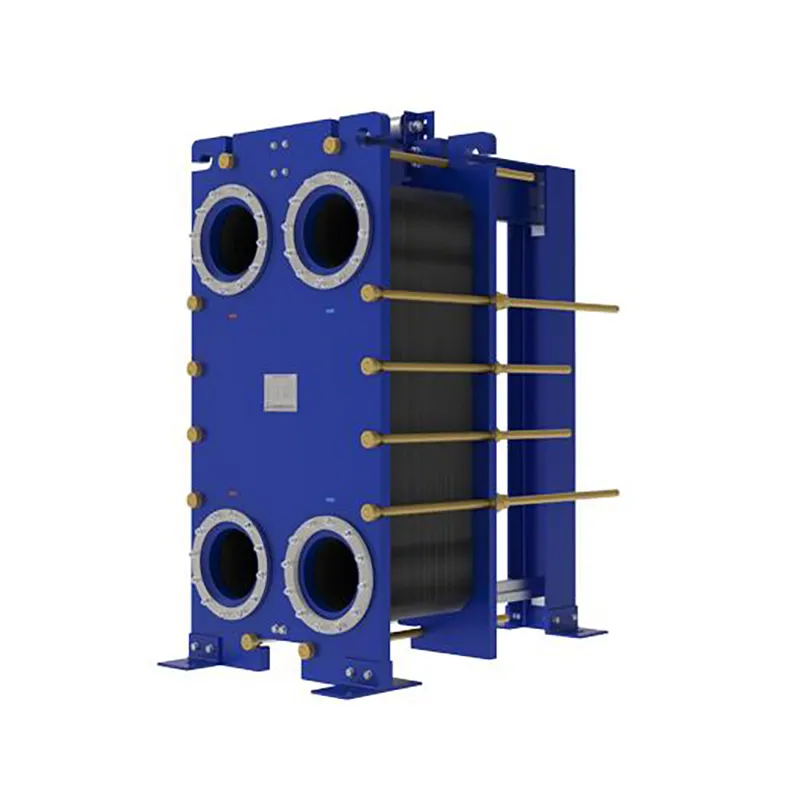
In breweries and fermentation facilities, plate coolers maintain precise temperatures for yeast activity and product stability. The robust design of HT-bloc welded plate heat exchangers ensures reliable performance under high-pressure conditions, reducing downtime and maintenance.
Sanitary Design for Dairy and Juice Processing
The food-grade construction of plate coolers meets stringent sanitary requirements, preventing contamination and enabling easy cleaning. For applications requiring frequent disassembly, gasketed plate heat exchangers offer flexibility and accessibility for inspection and maintenance.
Energy Recovery and Sustainability
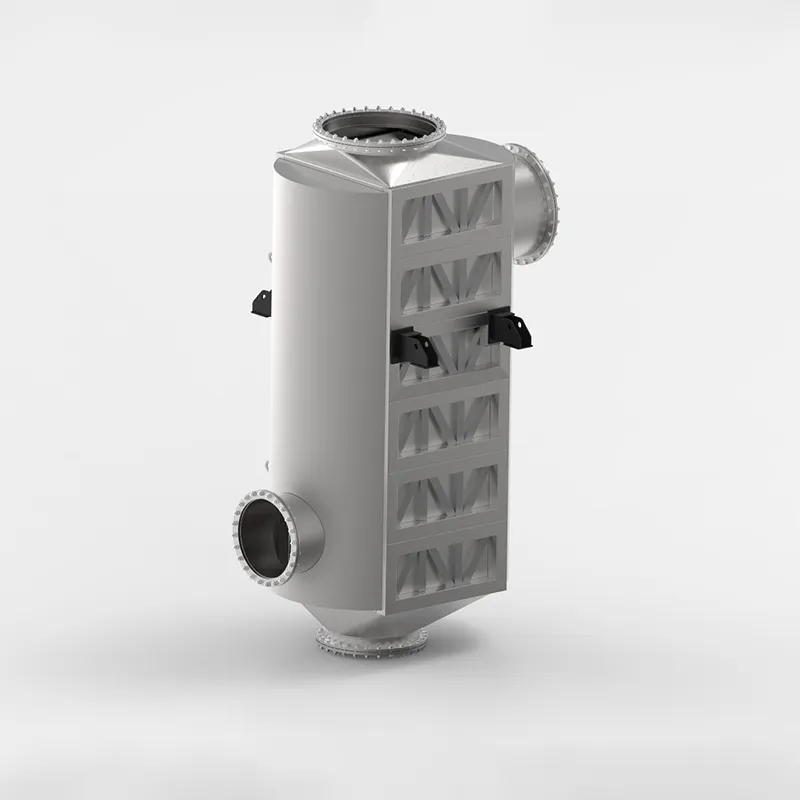
By capturing waste heat from hot product streams, plate coolers significantly reduce energy consumption in processing plants. Advanced designs like custom engineered plate air preheaters optimize thermal integration, lowering operational costs and environmental impact.
Handling Viscous and Particulate-Laden Fluids
For products with high viscosity or solid content, wide-gap plate coolers prevent fouling and ensure consistent heat transfer. The wide gap welded plate heat exchanger is engineered to handle challenging fluids without clogging, maintaining productivity in sauce, soup, and puree processing.
Compact Integration into Existing Lines
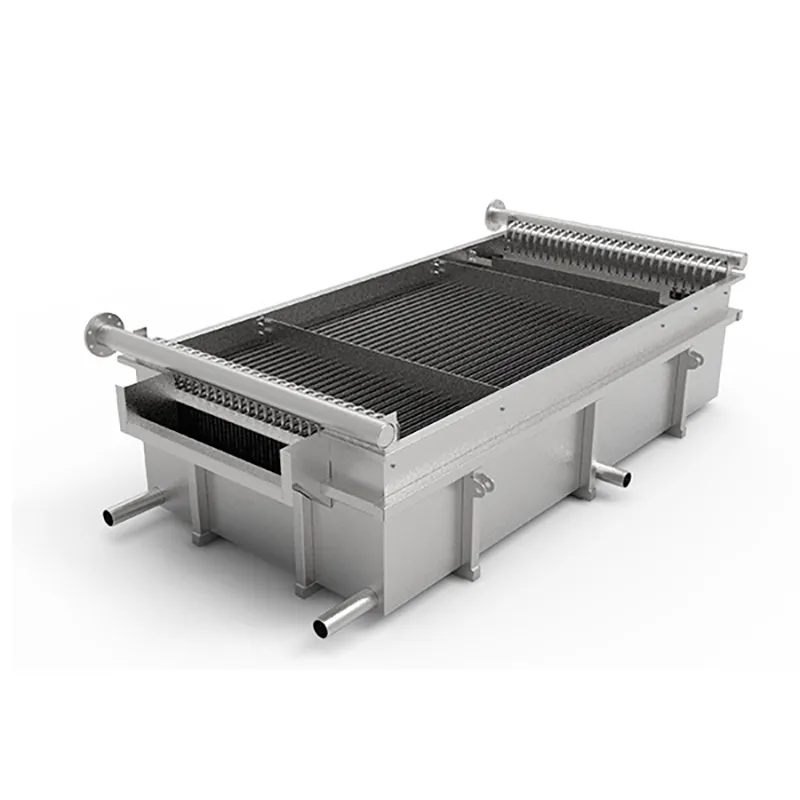
Plate coolers require minimal floor space and can be easily integrated into existing processing lines. For high-temperature applications, TP welded plate heat exchangers provide durability and compactness, ideal for retrofitting older facilities.
Precision Cooling for Sensitive Ingredients
When handling heat-sensitive ingredients like enzymes or probiotics, plate coolers offer gentle yet rapid cooling to preserve bioactivity. The custom engineered printed circuit heat exchanger delivers exceptional temperature uniformity for critical pharmaceutical and nutraceutical applications.
Enhancing Efficiency in Chemical and Pharmaceutical Manufacturing
Plate coolers play a critical role in optimizing thermal management processes within chemical and pharmaceutical production lines. Their compact design and high heat transfer coefficients enable precise temperature control, which is essential for maintaining product quality and reaction stability.
In chemical manufacturing, plate coolers are extensively used for cooling corrosive fluids, condensing vapors, and recovering heat from exothermic reactions. Their ability to handle high pressures and temperatures makes them suitable for reactors, distillation columns, and storage tanks.
For pharmaceutical applications, these coolers ensure sterile processing conditions by preventing cross-contamination through sealed plate channels. They are integral to fermentation cooling, solvent recovery, and crystallisation processes where consistent thermal profiles are mandatory.
The modular nature of plate coolers allows for easy capacity expansion and maintenance, reducing downtime in continuous production environments. By improving energy efficiency and reducing water consumption, they support sustainable manufacturing goals while lowering operational costs.
Critical Role in Power Generation and HVAC Systems
Plate coolers serve as essential thermal management components in both power generation facilities and modern HVAC installations. Their compact design and high heat transfer efficiency enable precise temperature control in closed-loop cooling systems, steam condensation circuits, and building climate control networks. The following table summarizes key performance parameters across typical industrial applications.
| Application Sector |
Typical Duty |
Operating Temp (°C) |
Pressure Range (bar) |
| Power Generation – Condenser |
Steam condensation & heat rejection |
30 – 90 |
0.5 – 3.0 |
| Power Generation – Lube Oil |
Turbine/generator lube oil cooling |
40 – 70 |
3.0 – 10.0 |
| HVAC – Chiller Systems |
Refrigerant condensation / evaporation |
-10 – 60 |
2.0 – 16.0 |
| HVAC – Heat Recovery |
Exhaust air / water heat recovery |
5 – 45 |
1.0 – 6.0 |
In power generation, plate coolers reliably handle high-temperature steam condensation and critical lube oil circuits, ensuring turbine efficiency and operational safety. For HVAC systems, they enable efficient heat exchange in chillers and heat recovery loops, contributing to energy savings and stable indoor climate control. The compact plate geometry allows for close temperature approaches and reduced refrigerant charge compared to shell-and-tube designs.
Advanced welded plate designs, such as those used in HT-Bloc welded plate heat exchangers, offer enhanced reliability for high-pressure power generation loops. Similarly, gasketed plate heat exchangers provide serviceable solutions for HVAC applications where periodic cleaning and thermal performance optimization are required.
Improving Performance in Marine and Offshore Applications
Plate coolers play a critical role in enhancing the efficiency and reliability of marine and offshore systems. By providing compact and effective heat exchange, they help maintain optimal operating temperatures for engines, hydraulics, and HVAC systems, even in harsh saltwater environments.
Designed to withstand high pressure and vibration, modern plate coolers offer superior thermal performance while reducing weight and space requirements. Their corrosion-resistant materials and easy maintenance make them ideal for shipboard cooling loops, offshore platforms, and subsea equipment.
Key benefits include enhanced energy efficiency, reduced fouling, and longer service life. With precise temperature control, these systems protect sensitive machinery from overheating, ensuring uninterrupted operation in demanding maritime conditions.
From propulsion cooling to auxiliary systems, plate coolers are indispensable for achieving peak performance and operational safety in marine and offshore industries.
Supporting Sustainable Practices Through Energy Recovery
Plate coolers play a pivotal role in modern industrial sustainability by enabling efficient heat recovery from process streams. This reduces overall energy consumption and lowers carbon emissions, aligning with global environmental goals.
Waste Heat Recovery Systems
In industries such as chemical processing, food and beverage, and power generation, plate coolers capture waste heat from hot liquids or gases. This recovered thermal energy can be reused for preheating feedwater, space heating, or other processes, significantly improving overall plant efficiency. Learn more about engineered plate solutions.
Closed-Loop Cooling and Energy Conservation
By integrating plate coolers into closed-loop systems, facilities can minimize water usage and reduce thermal pollution. The efficient heat transfer design allows for lower approach temperatures, maximizing energy recovery and minimizing the need for additional heating or cooling inputs. Explore gasketed plate heat exchangers.
Integration with Renewable Energy Sources
Plate coolers are essential in solar thermal, geothermal, and heat pump systems, where they facilitate efficient heat exchange between renewable sources and industrial processes. This supports the transition to low-carbon energy systems while maintaining high operational reliability. View printed circuit heat exchanger options.
Reducing Carbon Footprint in Manufacturing
Adopting plate coolers for energy recovery directly reduces fossil fuel consumption and greenhouse gas emissions. Many industries report 20-40% energy savings after retrofitting with modern plate heat exchanger technology, contributing to corporate sustainability targets. Check welded plate heat exchanger designs.
Compliance with Environmental Regulations
Plate coolers help industries meet stringent energy efficiency and emission standards. By recovering heat that would otherwise be wasted, companies can demonstrate compliance with ISO 50001, LEED, and other sustainability frameworks. Discover wide gap welded plate exchangers.
Summary
The plate cooler has become an indispensable thermal management solution across diverse industrial sectors. In food and beverage processing, it ensures precise temperature control for product quality and safety, while significantly reducing energy consumption during pasteurization and cooling cycles.
For chemical and pharmaceutical manufacturing, the plate cooler enhances process efficiency by providing rapid, uniform heat transfer, which is critical for maintaining reaction stability and product purity. Its compact design and scalability make it ideal for both batch and continuous operations.
In power generation and HVAC systems, these coolers play a critical role in maintaining optimal operating temperatures, thereby improving equipment reliability and overall system efficiency. Their ability to handle high thermal loads with minimal pressure drop is particularly valued in large-scale installations.
Marine and offshore applications benefit from the plate cooler's corrosion-resistant materials and space-saving configuration, ensuring dependable performance in harsh environments. Additionally, its role in energy recovery systems supports sustainable practices by capturing waste heat for reuse, reducing overall carbon footprint.
Ultimately, the plate cooler stands as a versatile and efficient component, driving both operational excellence and environmental responsibility in modern industry.
What Are the Key Applications of a Plate Cooler in Modern Industry?
Optimizing Thermal Management in Food and Beverage Processing
Plate coolers provide precise temperature control during pasteurization, fermentation, and chilling of beverages, dairy, and liquid foods. Their high heat transfer efficiency minimizes product degradation and ensures consistent quality.
Enhancing Efficiency in Chemical and Pharmaceutical Manufacturing
In chemical reactors and pharmaceutical processes, plate coolers rapidly remove exothermic heat or maintain stable reaction temperatures. Their compact design reduces utility consumption and supports continuous processing.
Critical Role in Power Generation and HVAC Systems
Plate coolers are used for generator cooling, transformer oil cooling, and condenser loops in power plants. In HVAC, they serve as economizers and heat recovery units, improving overall system COP and reducing energy demand.
Improving Performance in Marine and Offshore Applications
On ships and offshore platforms, plate coolers manage engine jacket water, hydraulic oil, and freshwater systems. Their corrosion-resistant plates and compact footprint withstand harsh marine environments and save valuable space.
Supporting Sustainable Practices Through Energy Recovery
Plate coolers enable heat recovery from waste streams, such as hot wastewater or exhaust gases. Recovered thermal energy preheats incoming fluids, reducing fossil fuel consumption and greenhouse gas emissions across industrial processes.

 English EN





User Comments
Service Experience Sharing from Real Customers
Megan
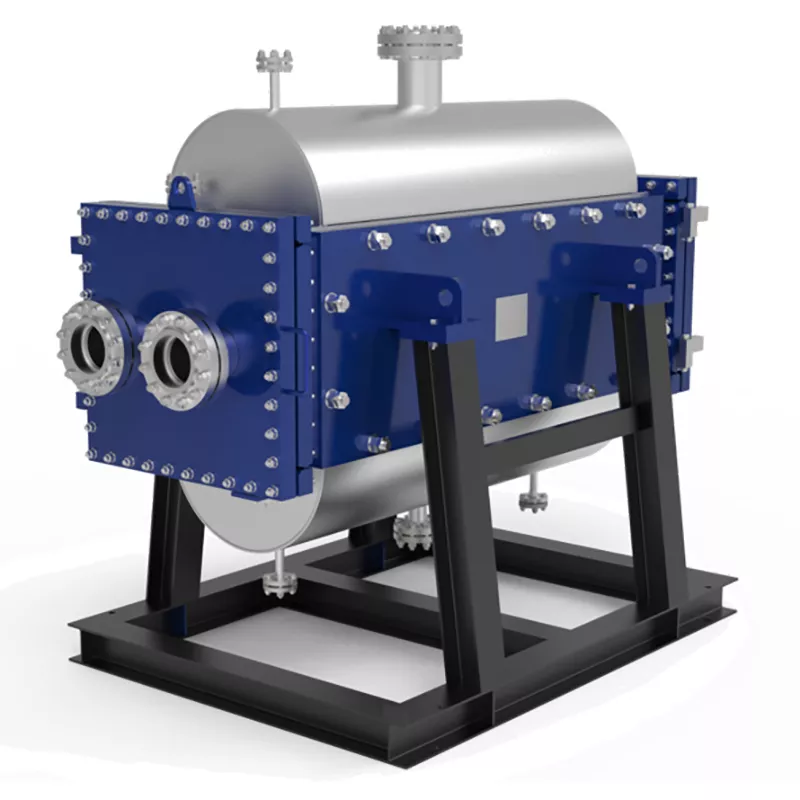
Maintenance SupervisorWe installed this plate cooler in our small-batch brewery about four months ago. The drop in wort temperature is insane—like, we’re down to pitching temp in under 10 minutes. No more waiting around with a chiller coil that took forever. Only gripe is the gaskets felt a bit stiff out of the box, but once they seated, no leaks at all. Solid buy.
Tommy
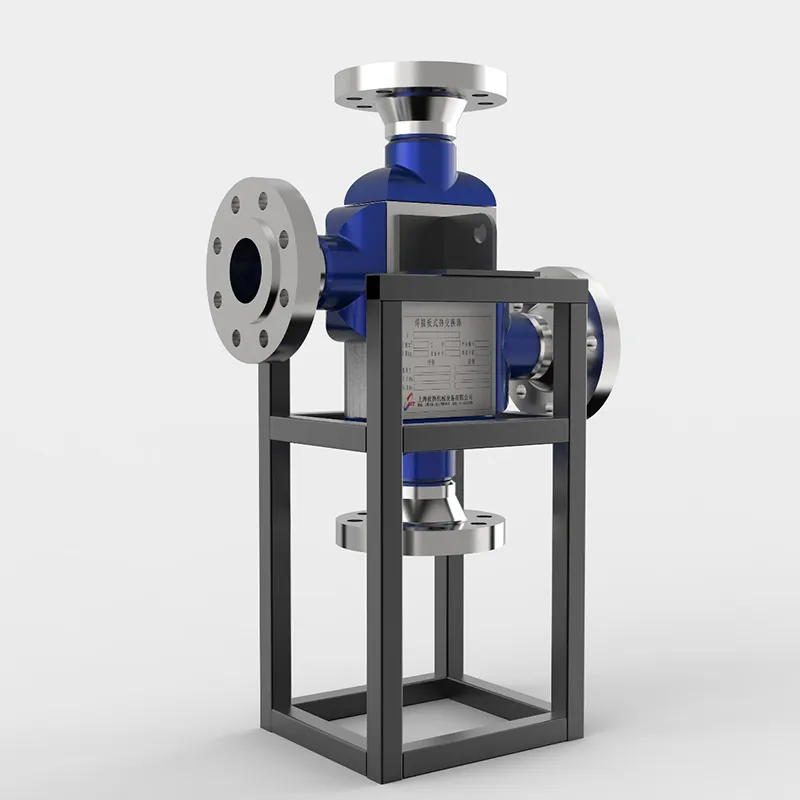
Dairy Plant OperatorBeen running this plate cooler on our pasteurized milk line for six weeks now. It handles the flow without clogging, and cleaning it with the CIP cycle is straightforward. I knocked off a star because the frame bolts needed retightening after the first week—just a minor thing if you keep an eye on it. Overall, it’s doing the job way better than our old shell-and-tube unit.
Liam
Process EngineerSpec’d this for a pilot plant cooling loop for polymer solutions. The heat transfer coefficients are exactly where we needed them—around 4500 W/m²K with our flow rates. Plates didn’t deform under 8 bar pressure, which was my main worry. Only wish the manual came with more detailed pressure-drop curves, but the tech support team emailed them to me within an hour. Would recommend for R&D setups.
Ellie
HVAC TechnicianUsed this as a heat exchanger for a closed-loop glycol system in a mid-sized office building. It’s compact enough to fit in the mechanical room we have, and the efficiency is decent—dropped our return fluid temp by about 12°F. The only reason I’m not giving five stars is the lack of a pressure relief port on the plate pack; I had to add one inline. But for the price, it’s a workhorse.