Optimizing Gas Processing with a Durable Lean Amine Cooler
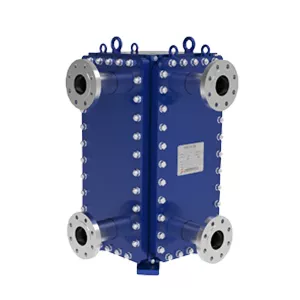
In gas processing plants, the lean amine cooler plays a critical role in maintaining efficient acid gas removal. A durable, high-performance heat exchanger reduces downtime, lowers operational costs, and ensures consistent amine circulation temperatures. This article explores the working principles, key features, and selection criteria for a reliable lean amine cooler, with a focus on welded plate heat exchanger technology from SHPHE.
What Is a Lean Amine Cooler and Why Does It Matter?
A lean amine cooler is a heat exchanger used to reduce the temperature of regenerated amine solution before it returns to the absorption column. In amine gas sweetening processes, the lean amine must be cooled to around 40–50°C to maximize CO₂ and H₂S absorption efficiency. If the cooler fails or underperforms, the entire gas treatment system faces reduced capacity, higher energy consumption, and potential corrosion issues. For process engineers and purchasing managers, selecting a durable lean amine cooler directly impacts plant reliability and operating margins.
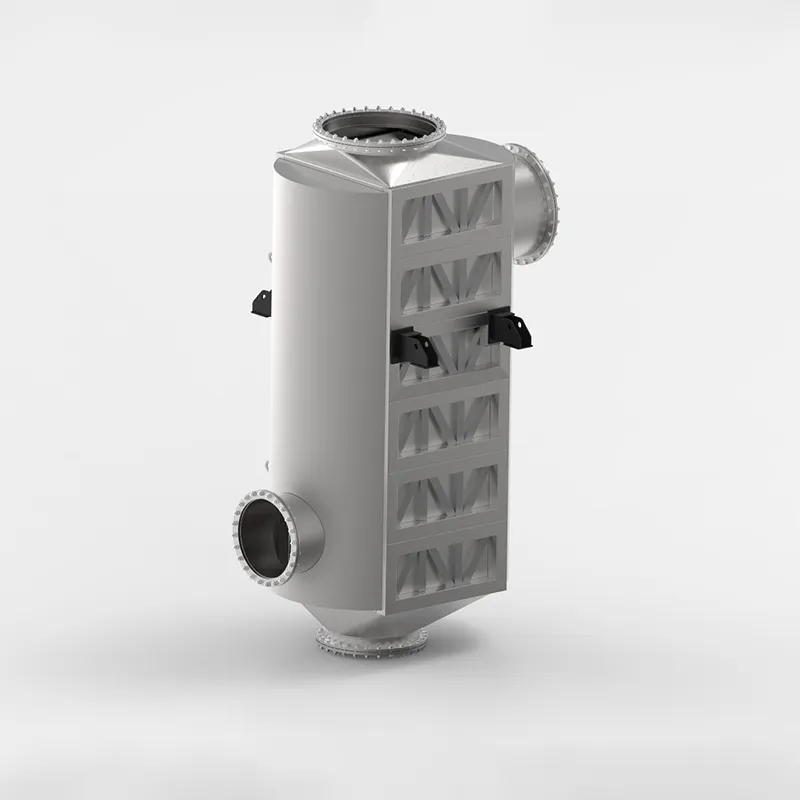
How Does a Lean Amine Cooler Work in a Gas Plant?
The lean amine cooler operates by transferring heat from the hot regenerated amine (typically 80–120°C) to a cooling medium, usually cooling water or air. The cooled amine then flows to the absorber, where it contacts sour gas. Key process parameters include:
- Amine flow rate: 50–500 m³/h depending on plant capacity
- Inlet temperature: 80–120°C from the regenerator
- Outlet temperature: 40–50°C for optimal absorption
- Cooling medium: cooling water at 25–35°C or ambient air
- Pressure drop: typically 0.5–2 bar across the exchanger
For plants using MEA, DEA, or MDEA solvents, the cooler must withstand amine corrosion and fouling. Welded plate heat exchangers, such as those from SHPHE, offer excellent corrosion resistance and easy cleaning compared to shell-and-tube designs.
Key Features of a Durable Lean Amine Cooler
A robust lean amine cooler must address the specific challenges of amine service: fouling, corrosion, thermal fatigue, and high-temperature operation. Below are the essential features to look for:
- Welded plate construction: Eliminates gasket failures and reduces leakage risk in high-temperature amine loops.
- Corrosion-resistant materials: Stainless steel 316L or duplex alloys for amine-side contact, with options for higher alloys in aggressive environments.
- Wide gap channels: Accommodates suspended solids and fouling tendencies, minimizing cleaning frequency.
- High design pressure: Typically rated for 10–30 bar to match process conditions.
- Compact footprint: Saves valuable skid space compared to shell-and-tube exchangers.
Typical Parameter Ranges for Lean Amine Coolers
When specifying a lean amine cooler, engineers commonly work within these industry-accepted ranges:
| Parameter |
Typical Range |
| Amine flow rate |
50 – 500 m³/h |
| Inlet temperature |
80 – 120°C |
| Outlet temperature |
40 – 50°C |
| Design pressure |
10 – 30 bar |
| Cooling water temperature |
25 – 35°C |
| Heat transfer coefficient |
800 – 2000 W/m²K |
These values serve as a starting point. Actual design depends on solvent type, gas composition, and site cooling water quality.
What Applications Benefit Most from a Welded Plate Lean Amine Cooler?
Welded plate heat exchangers are particularly well-suited for lean amine cooling in the following scenarios:
- Natural gas processing plants with high CO₂ or H₂S content
- Refinery gas treatment units where amine regeneration is continuous
- Offshore platforms where space and weight are at a premium
- Plants using corrosive amine blends or operating at elevated temperatures
- Facilities requiring low maintenance and long service intervals
For these applications, SHPHE’s TP welded plate heat exchangers offer a reliable alternative to traditional gasketed units, especially where temperature cycling and chemical exposure cause gasket degradation.
Why Choose SHPHE for Your Lean Amine Cooler?
SHPHE, a Shanghai-based manufacturer founded in 2005, has supplied heat exchangers to over 20 countries. The company holds ISO9001 and ASME U certifications, ensuring quality and compliance with international standards. Their product range includes HT-Bloc welded plate heat exchangers, wide gap welded plate heat exchangers, gasketed plate heat exchangers, PCHE, plate air preheaters, and pillow plates. For lean amine cooling, SHPHE offers free thermal design and selection services, helping engineers match the right exchanger to their process conditions. Whether you need a compact welded plate unit or a wide gap design for fouling service, SHPHE provides a cost-effective solution compatible with major brands like Alfa Laval and Compabloc.
Frequently Asked Questions About Lean Amine Coolers
What is the typical lifespan of a lean amine cooler?
A well-designed welded plate lean amine cooler can last 15–25 years with proper maintenance. Corrosion-resistant materials and regular cleaning extend service life significantly compared to gasketed designs.
How often should a lean amine cooler be cleaned?
Cleaning frequency depends on amine quality and fouling tendency. In most plants, a chemical clean or mechanical flush is performed every 1–3 years. Wide gap designs reduce cleaning needs by handling solids more effectively.
Can a gasketed plate heat exchanger be used for lean amine cooling?
Gasketed units can be used but are more prone to leakage at high temperatures and with aggressive amines. Welded plate designs eliminate gasket failure and are recommended for continuous, high-temperature amine service.
What materials are best for amine service?
Stainless steel 316L is common for lean amine coolers. For higher corrosion resistance, duplex stainless steel or titanium may be specified. Material selection should consider amine type, temperature, and chloride content in cooling water.
How does a lean amine cooler affect overall plant efficiency?
Proper cooling ensures the amine enters the absorber at the optimal temperature, maximizing H₂S and CO₂ removal. A 5°C increase in lean amine temperature can reduce absorption capacity by 10–15%, directly impacting gas throughput and product quality.
What is the difference between a lean amine cooler and a rich amine cooler?
A lean amine cooler cools the regenerated amine before it enters the absorber. A rich amine cooler cools the amine leaving the absorber before it enters the regenerator. Both serve different temperature control points in the amine loop.
Request a Quote for Your Lean Amine Cooler
To get a tailored recommendation for your gas processing application, please provide the following details when contacting SHPHE:
- Amine flow rate (m³/h)
- Inlet and desired outlet temperatures (°C)
- Operating pressure (bar)
- Cooling medium type and temperature
- Amine composition (e.g., MEA, DEA, MDEA)
- Any fouling or corrosion concerns
A durable lean amine cooler is a long-term investment in your plant’s reliability. SHPHE’s engineering team offers free thermal design and selection to ensure you get the right solution for your process.

 English EN





User Comments
Service Experience Sharing from Real Customers
Ethan
Lead Process EngineerWe installed this lean amine cooler in our gas sweetening unit six months ago, and the performance has been rock solid. The thermal efficiency is noticeably better than our old shell-and-tube setup, and the maintenance crew loves how easy it is to access the tube bundles. It's reduced our solvent losses by nearly 10%. Highly recommend for any midstream operation.
Marcus
Shift SupervisorHonestly, I was skeptical at first because we've had issues with amine coolers fouling up fast. But this unit's design handles the temperature swings better, and we haven't had a single plugging incident since we put it online. Only reason I'm not giving 5 stars is the initial installation took a bit longer than expected due to the flange alignment. Still, solid piece of equipment.
Liam
Senior Maintenance TechnicianFinally, a cooler that doesn't make me want to pull my hair out during turnaround. The corrosion resistance on the tubes is impressive — we're running a high H2S feed and after a year there's barely any pitting. Cleaning cycles are quick and we're using less water for flushing. My crew actually thanked me for choosing this model. That never happens.
Jake
Project ManagerWe sourced this for a new amine regeneration skid at a gas plant in West Texas. The delivery was on time and the documentation was thorough. It's been running for about four months now with zero leaks at the gaskets, which is rare for a first startup. The only minor gripe is the control valve response could be a touch snappier, but overall it's a well-built unit that does the job.