How a Printed Circuit Heat Exchanger Reduces System Size While Increasing Heat Transfer Performance
For process engineers and plant managers working in chemical processing, oil and gas, or power generation, the challenge is clear: you need higher heat transfer efficiency without expanding your equipment footprint. The printed circuit heat exchanger (PCHE) offers a compact, high-performance solution that can cut system volume by up to 85% compared to traditional shell-and-tube designs, while delivering superior thermal performance. This article explains how PCHE technology works, its typical performance ranges, and why it is becoming the go-to choice for demanding applications. SHPHE, a Shanghai-based plate heat exchanger manufacturer founded in 2005, provides free thermal design and selection services to help you integrate PCHEs into your process.
What Exactly Is a Printed Circuit Heat Exchanger?
A printed circuit heat exchanger is a type of compact heat exchanger that uses chemically etched flow channels in flat metal plates, which are then diffusion-bonded together to form a solid block. The name comes from the photochemical machining process used to create the channels, similar to how electronic circuit boards are made. Unlike gasketed or welded plate heat exchangers that rely on separate plates and seals, a PCHE is a monolithic structure with no gaskets, welds, or moving parts. This design allows it to handle extremely high pressures (up to 600 bar or more) and temperatures ranging from cryogenic levels to over 800°C, depending on the material chosen. The result is a heat exchanger that is significantly smaller and lighter than conventional options, while offering up to five times the heat transfer area per unit volume.
How Does a PCHE Reduce System Size?
The size reduction comes from two key features: the high surface-area-to-volume ratio of the etched channels and the elimination of bulky components like gaskets, frames, and tie bolts. In a typical shell-and-tube heat exchanger, the heat transfer area is limited by the tube diameter and pitch. A PCHE, on the other hand, can pack several thousand square meters of heat transfer surface into a single block that is only a few cubic meters in volume. For example, a PCHE unit that handles 10 MW of thermal duty might occupy less than 1 cubic meter, whereas a comparable shell-and-tube unit could require 5 to 10 cubic meters. This compactness also reduces the weight of the system, which is critical for offshore platforms, ships, and skid-mounted plants where space and weight are at a premium.
How Does It Increase Heat Transfer Performance?
Performance gains are driven by the small hydraulic diameter of the flow channels, typically ranging from 0.5 mm to 2 mm. These narrow channels create high fluid velocities and turbulent flow even at low flow rates, which significantly improves the convective heat transfer coefficient. In practice, a PCHE can achieve overall heat transfer coefficients (U-values) of 2,000 to 6,000 W/m²·K for liquid-to-liquid applications, compared to 300 to 1,200 W/m²·K for shell-and-tube exchangers. For gas-to-gas or gas-to-liquid services, the advantage is even more pronounced. Additionally, the counterflow arrangement is built into the core design, allowing for temperature approaches as close as 1°C to 2°C, which maximizes thermal recovery and reduces energy consumption.
Typical Parameter Ranges for PCHEs
The following table summarizes commonly accepted performance ranges for printed circuit heat exchangers. These values are based on industry-standard designs and material capabilities.
| Parameter |
Typical Range |
| Maximum operating pressure |
Up to 600 bar (8,700 psi) |
| Temperature range |
-200°C to 900°C (material dependent) |
| Channel hydraulic diameter |
0.5 mm to 2.0 mm |
| Heat transfer coefficient (liquid-liquid) |
2,000 to 6,000 W/m²·K |
| Minimum temperature approach |
1°C to 2°C |
| Materials of construction |
Stainless steel, titanium, Hastelloy, Inconel |
What Applications Benefit Most from PCHE Technology?
PCHEs are particularly well-suited for high-pressure, high-temperature, or corrosive environments where traditional heat exchangers struggle. Common applications include:
- Liquefied natural gas (LNG) plants, where PCHEs are used for main cryogenic heat exchangers and boil-off gas recondensation.
- Offshore oil and gas platforms, where space and weight constraints make compact designs essential.
- Chemical reactors and process heaters, where precise temperature control and high thermal efficiency are required.
- Waste heat recovery systems, where close temperature approaches maximize energy savings.
- Supercritical CO₂ power cycles, where pressures exceed 200 bar and temperatures reach 700°C.
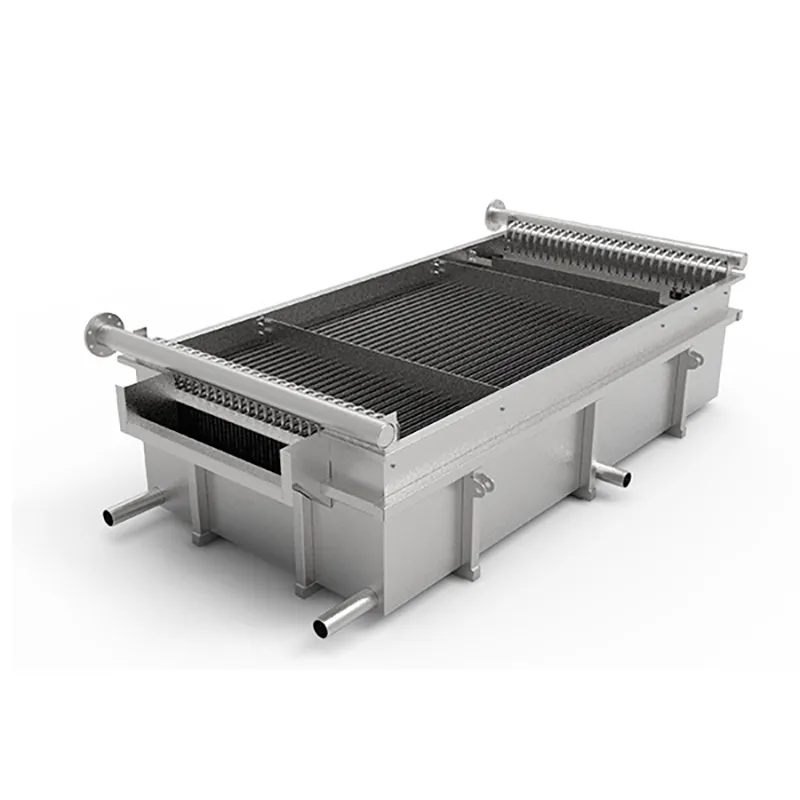
For these demanding services, a PCHE can be a direct alternative to traditional shell-and-tube, gasketed plate, or welded plate heat exchangers. SHPHE offers a range of solutions, including custom-engineered printed circuit heat exchangers tailored to your process conditions.
How Does a PCHE Compare to Other Compact Heat Exchangers?
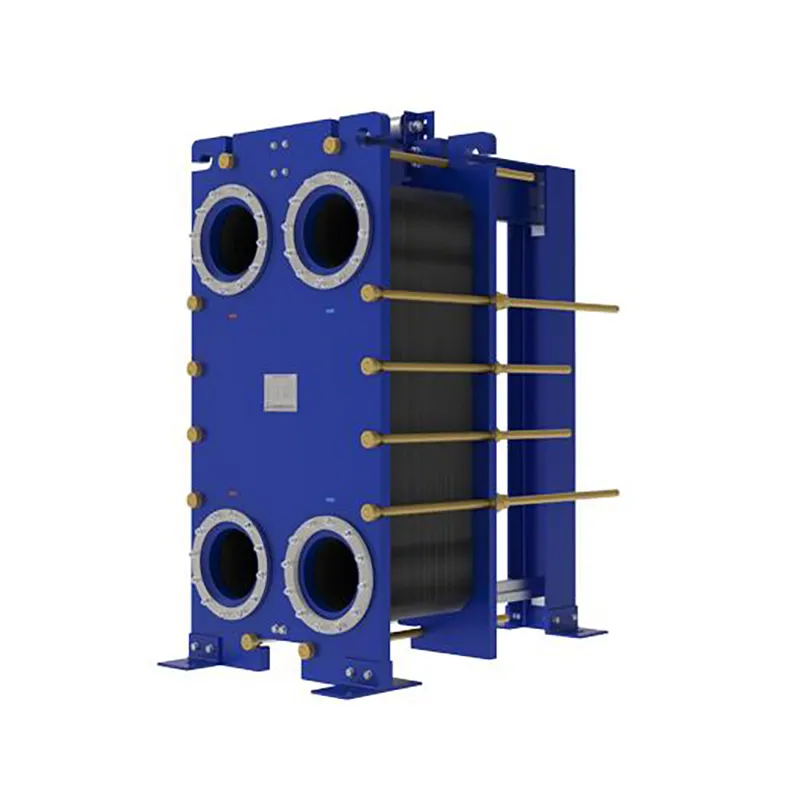
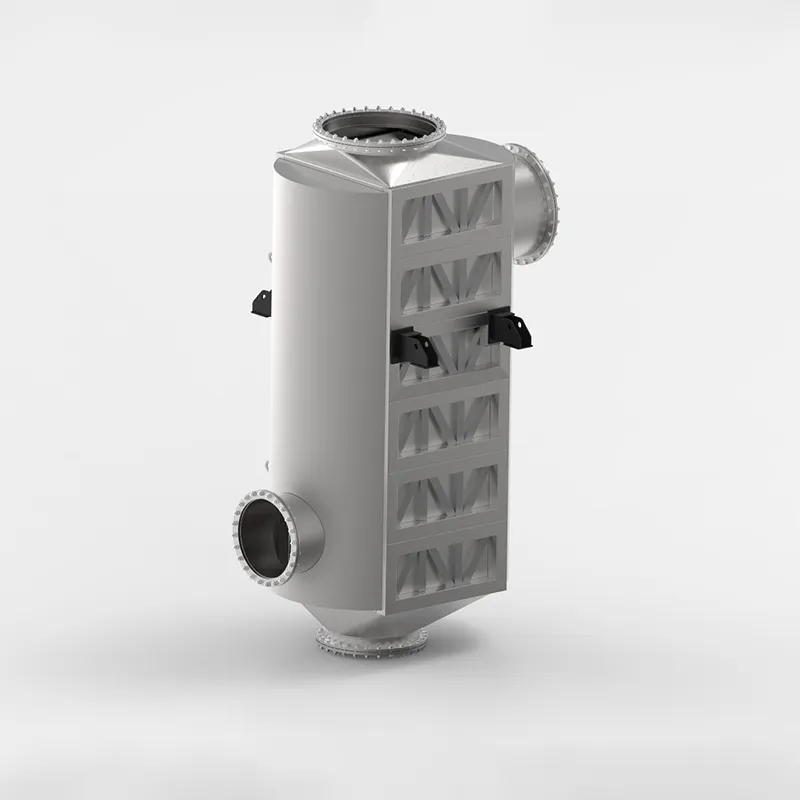
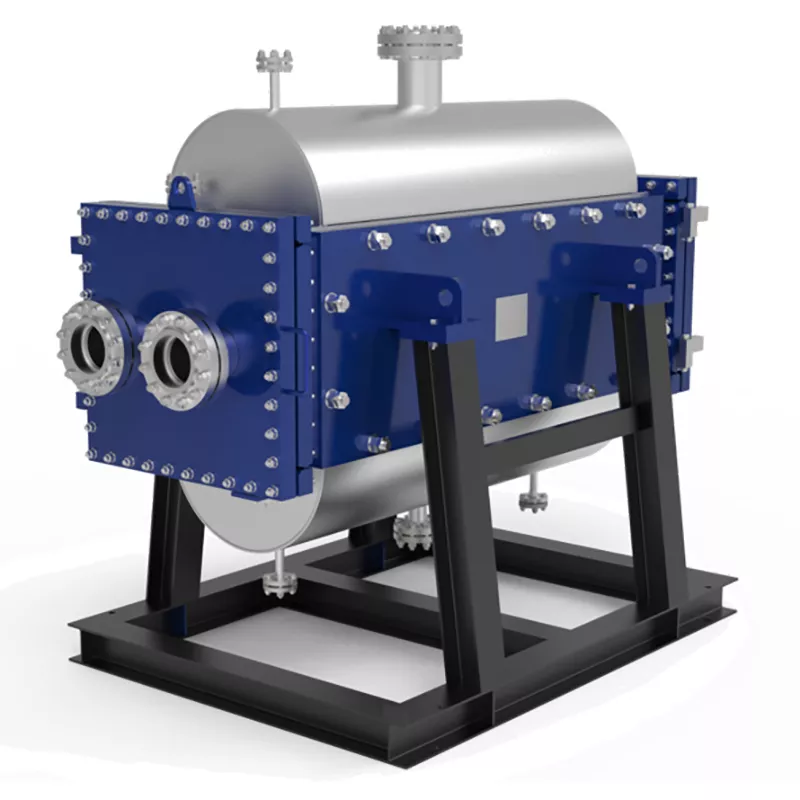
While gasketed plate heat exchangers and welded plate heat exchangers (like the HT-Bloc or TP welded types) offer good performance for moderate pressures and temperatures, they are limited by gasket materials and mechanical strength. A PCHE, by contrast, has no gaskets and is diffusion-bonded, making it suitable for extreme conditions. It is also a viable alternative to Compabloc or Alfa Laval welded block designs, especially when higher pressure ratings are needed. For applications involving fouling fluids, a wide gap welded plate heat exchanger may be a better choice, but for clean, high-pressure duties, the PCHE is unmatched in compactness and performance.
Why Choose SHPHE for Your PCHE Needs?
SHPHE has been manufacturing plate heat exchangers in Shanghai since 2005, with a strong track record of exporting to over 20 countries. Our facility is ISO9001 and ASME U certified, ensuring that every unit meets rigorous quality standards. We offer a full line of heat exchangers, including gasketed plate, welded plate, wide gap, plate air preheaters, and pillow plates, but our PCHE line is specifically designed for customers who need maximum performance in a minimal footprint. What sets us apart is our free thermal design and selection service: our engineers work with your process data to recommend the optimal heat exchanger configuration, whether it is a PCHE or another type from our portfolio. We do not push a one-size-fits-all solution; instead, we help you find the right fit for your duty.
Frequently Asked Questions About Printed Circuit Heat Exchangers
1. Can a PCHE handle two-phase flow or phase change?
Yes, PCHEs can handle condensation, evaporation, and two-phase flow, but the channel geometry must be designed specifically for the expected vapor-liquid ratio. The small channels can cause high pressure drops if the vapor fraction is too high, so careful thermal design is essential. SHPHE can model your specific phase change conditions during the free selection process.
2. What is the typical lead time for a custom PCHE from SHPHE?
Lead times vary based on size, material, and complexity, but typical delivery for a custom-engineered PCHE is 12 to 20 weeks after design approval. Standard designs may ship faster. Contact our sales team with your project timeline for a more accurate estimate.
3. How does the cost of a PCHE compare to a shell-and-tube exchanger?
On a per-unit basis, a PCHE is typically more expensive than a carbon steel shell-and-tube exchanger. However, when you factor in the reduced footprint, lower installation costs, and higher thermal efficiency, the total cost of ownership is often lower. For high-pressure or exotic material applications, the PCHE can be cost-competitive from the start.
4. Can a PCHE be cleaned if fouling occurs?
Because the channels are small and the core is a solid block, mechanical cleaning is not possible. Chemical cleaning can be performed in place using appropriate solvents, but PCHEs are best suited for clean fluids. If your process has moderate fouling, consider a wide gap or gasketed plate heat exchanger instead.
5. Is a PCHE compatible with existing piping and skid layouts?
Yes, PCHEs can be designed with standard flange connections (ANSI, DIN, or JIS) and nozzle orientations to match your existing piping. The compact size often makes retrofitting easier than with larger exchangers. SHPHE provides detailed dimensional drawings for integration into your system.
6. What materials are available for PCHEs from SHPHE?
We offer PCHEs in stainless steel 316L, duplex, titanium, Hastelloy C276, and Inconel 625, among others. The material selection depends on your process fluid, temperature, and corrosion requirements. Our engineering team will recommend the most cost-effective material during the design phase.
Get a Custom PCHE Design for Your Process
If you are evaluating a printed circuit heat exchanger for your next project, we invite you to share your process conditions with us. To receive a free thermal design and quotation, please provide the following information: flow rate (for both hot and cold streams), inlet and outlet temperatures, operating pressure, allowable pressure drop, and media composition (including any corrosive or fouling components). Our team will analyze your duty and recommend the optimal heat exchanger solution, whether it is a PCHE, a gasketed plate heat exchanger, or a welded plate heat exchanger. Contact SHPHE today to discuss how a printed circuit heat exchanger can reduce your system size while increasing heat transfer performance.

 English EN





User Comments
Service Experience Sharing from Real Customers
Liam
Senior Thermal EngineerWe switched to a printed circuit heat exchanger for our new solar thermal pilot plant, and the difference in thermal efficiency is night and day. The compact size allowed us to fit it into a tight skid layout that a shell-and-tube never would have worked in. Pressure drop was slightly higher than I expected, but the heat transfer performance more than makes up for it. Solid build quality too.
Elena
Process Design LeadHonestly, I was skeptical about PCHEs for our high-pressure chemical injection skids, but after running this unit for six months, I'm a convert. No leaks, no fouling issues so far, and the response time during startups is fantastic. The only reason I'm not giving five stars is that the initial cost still stings a bit compared to conventional designs. But for long-term reliability, it's worth it.
Raj
HVAC Systems TechnicianI work on industrial cooling systems in data centers, and we recently retrofitted one of our loops with a printed circuit heat exchanger. The thing is a beast for its size. We were able to drop the coolant temperature by an extra 3°C without increasing the footprint. Installation was straightforward, and the port alignment was spot-on. My only gripe is that the manual could use better troubleshooting diagrams.
Maya
Research ScientistFor our lab-scale supercritical CO2 loop, we needed something that could handle rapid thermal cycling without cracking. This PCHE has been through hundreds of cycles now and still holds pressure like new. The corrosion resistance in our test fluids has been excellent. It's a bit overkill for a small bench setup, but the data we're getting is clean and repeatable. Would recommend if you need precision and durability.