 English EN


What Is a Wide Gap Welded Plate Heat Exchanger? A Complete Technical Guide
A wide gap plate heat exchanger uses welded plates and wide channels to handle viscous, fibrous fluids efficiently in demanding industrial processes.
More
A printed circuit heat exchanger (PCHE) is a compact, high-efficiency heat transfer device that uses chemically etched flow channels in metal plates to handle extreme temperatures and pressures. Unlike traditional shell-and-tube units, PCHEs offer superior thermal performance in a fraction of the space. This article explains how they work, their key design features, typical performance ranges, and why process engineers in oil & gas, chemical, and power industries are turning to them for demanding applications. We also compare PCHEs with alternatives like welded plate heat exchangers and gasketed plate heat exchangers, and answer common buyer questions.
A printed circuit heat exchanger (PCHE) is a type of compact heat exchanger where flow channels are created by chemically etching (or "printing") patterns onto flat metal plates. These plates are then stacked, aligned, and diffusion-bonded together to form a solid, monolithic block. The result is a heat exchanger that can withstand extremely high pressures (up to 600 bar or more) and temperatures (from cryogenic levels up to 900°C) while maintaining a very high surface-area-to-volume ratio.
The term "printed circuit" comes from the manufacturing process, which is similar to how electronic circuit boards are made. The channels are typically semicircular or rectangular in cross-section, with hydraulic diameters ranging from 0.5 mm to 2 mm. This design allows for turbulent flow even at low Reynolds numbers, significantly improving heat transfer coefficients compared to conventional designs.
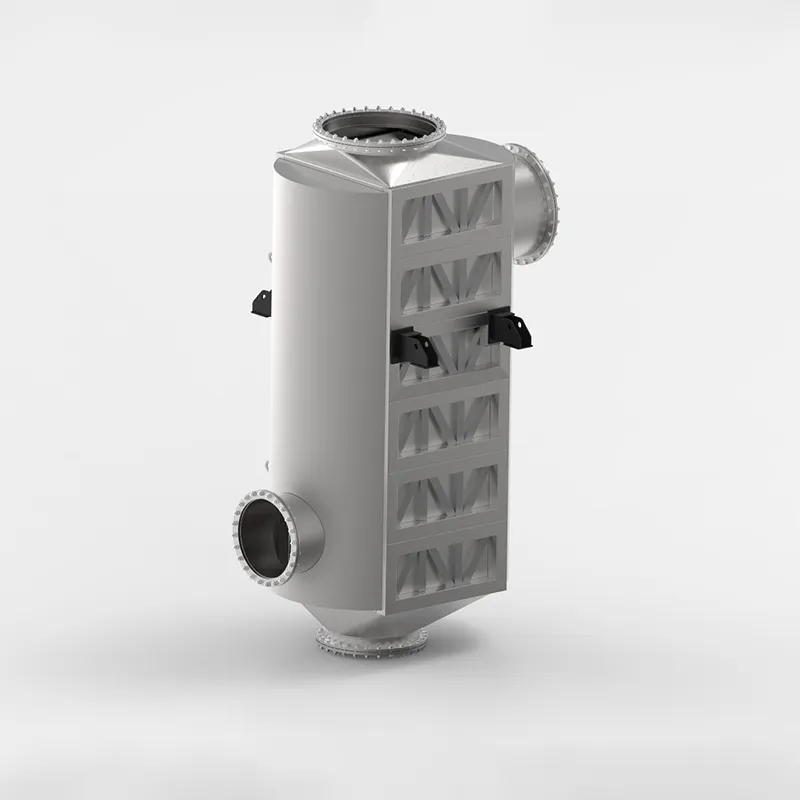
The working principle of a PCHE is straightforward: two or more fluids flow through separate sets of etched channels, transferring heat across the thin metal walls that separate them. Because the channels are very close together (often less than 1 mm apart), the thermal resistance is extremely low. The counter-flow arrangement is most common, as it maximizes the temperature difference along the length of the exchanger.
One of the key advantages of the PCHE design is its ability to handle fluids with large temperature differences without thermal stress issues. The diffusion-bonded construction creates a homogeneous material structure, eliminating the need for gaskets or welds that could fail under extreme conditions. This makes PCHEs ideal for supercritical CO₂ cycles, LNG processing, and high-temperature chemical reactions.
The design of a printed circuit heat exchanger is defined by several critical parameters that engineers must consider during selection. Below is a summary of typical ranges found in the industry:
| Parameter | Typical Range |
|---|---|
| Maximum operating pressure | Up to 600 bar (8,700 psi) |
| Operating temperature range | -200°C to 900°C |
| Channel hydraulic diameter | 0.5 mm – 2.0 mm |
| Heat transfer coefficient | 2,000 – 10,000 W/m²K (depending on fluid) |
| Compactness (surface area/volume) | Up to 2,500 m²/m³ |
| Materials available | Stainless steel, titanium, Hastelloy, Inconel |
These parameters make PCHEs particularly suitable for applications where space and weight are limited, such as offshore platforms, marine vessels, and compact power generation systems. The high compactness also reduces the amount of fluid inventory, which is critical when handling expensive or hazardous media.
Printed circuit heat exchangers are used across a wide range of industries where conventional heat exchangers cannot meet performance or size requirements. Common applications include:
In many of these applications, PCHEs are replacing bulkier shell-and-tube units or acting as a more efficient alternative to brazed plate heat exchangers. For example, in an sCO₂ cycle, a PCHE can achieve approach temperatures of less than 5°C, significantly improving cycle efficiency.
SHPHE (Shanghai-based, founded in 2005) is a professional plate heat exchanger manufacturer with ISO9001 and ASME U certifications, exporting to more than 20 countries. Our product portfolio includes HT-Bloc and TP Welded Plate Heat Exchangers, Wide Gap Welded Plate Heat Exchangers, Gasketed Plate Heat Exchangers, PCHEs, Plate Air Preheaters, and Custom Engineered Pillow Plates. We offer free thermal design and selection services to help you find the optimal solution for your process.
When you work with SHPHE, you get more than just a heat exchanger. Our engineering team can help you compare a printed circuit heat exchanger with other options like TP welded plate heat exchangers or gasketed plate heat exchangers to ensure you get the best fit for your specific operating conditions. We also provide units that are compatible with or serve as an alternative to brands like Alfa Laval, Compabloc, or GEA, without compromising on quality or performance.
A PCHE offers 4–6 times higher heat transfer area per unit volume compared to shell-and-tube designs. It also handles higher pressures and temperatures with lower thermal stress. However, shell-and-tube units are generally less expensive for low-pressure, non-critical applications and easier to clean mechanically.
Yes, but cleaning methods differ. Chemical cleaning is the most common approach because the channels are too small for mechanical brushes. For severe fouling, the unit can be disassembled if it is a gasketed variant, but fully diffusion-bonded PCHEs are sealed and require chemical or ultrasonic cleaning in place.
Common materials include 316L stainless steel, titanium grade 2, Hastelloy C-276, and Inconel 625. The choice depends on the fluid corrosivity, operating temperature, and pressure requirements. SHPHE can advise on material selection based on your process conditions.
Lead times vary depending on complexity and material availability. For standard designs, 8–12 weeks is typical. Custom units with exotic materials or special certifications may require 14–20 weeks. SHPHE provides a detailed schedule during the quotation phase.
Yes, PCHEs can handle condensation and evaporation, but the channel geometry must be designed specifically for two-phase flow. The small channels help maintain stable flow regimes and reduce the risk of maldistribution. SHPHE has experience designing PCHEs for refrigerant and steam applications.
PCHEs are generally more expensive than gasketed plate heat exchangers or brazed plate heat exchangers due to the complex manufacturing process. However, for high-pressure or high-temperature applications where other designs cannot be used, the cost is justified by the performance and reliability. Total lifecycle cost is often lower due to reduced maintenance and longer service life.
Selecting the right printed circuit heat exchanger for your process requires accurate process data. To receive a tailored thermal design and quotation, please provide the following information to our engineering team:
SHPHE provides free thermal design and selection services to help you find the most cost-effective solution. Whether you need a standalone PCHE or a combination with our wide gap welded plate heat exchangers for viscous fluids, we can deliver a solution that meets your exact needs. Contact us today to discuss your project.
Remember, the printed circuit heat exchanger is a proven technology for demanding applications, and with SHPHE's experience and certifications, you can be confident in the performance and reliability of your equipment. Let us help you optimize your heat transfer process.
We provide you with comprehensive foreign trade solutions to help enterprises achieve global development
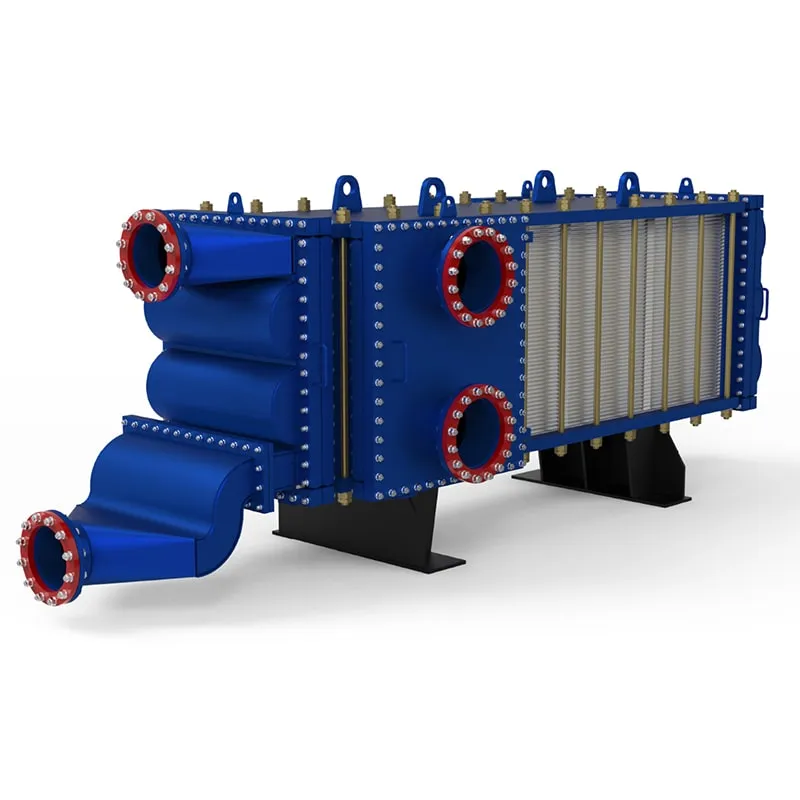
Custom-Engineered Anti-Clogging Solutions for High-Viscosity Slurries:
Deployed specifically to conquer severe industrial fouling, SHPHE wide gap welded plate heat exchangers are tailor-built to handle complex media containing dense fibers, coarse crystals, or solid suspensions without clogging. Each non-obstructed channel is calculated and formed by laser-welded plate packs matching your fluid’s exact rheology and grain size, completely eliminating structural "dead zones" and media stagnation. Available in highly compact vertical and versatile horizontal configurations, our vertical engineering drastically reduces plant footprints while maintaining unhindered product throughput, minimal pressure drops, and flawless continuous operations across harsh process loops.
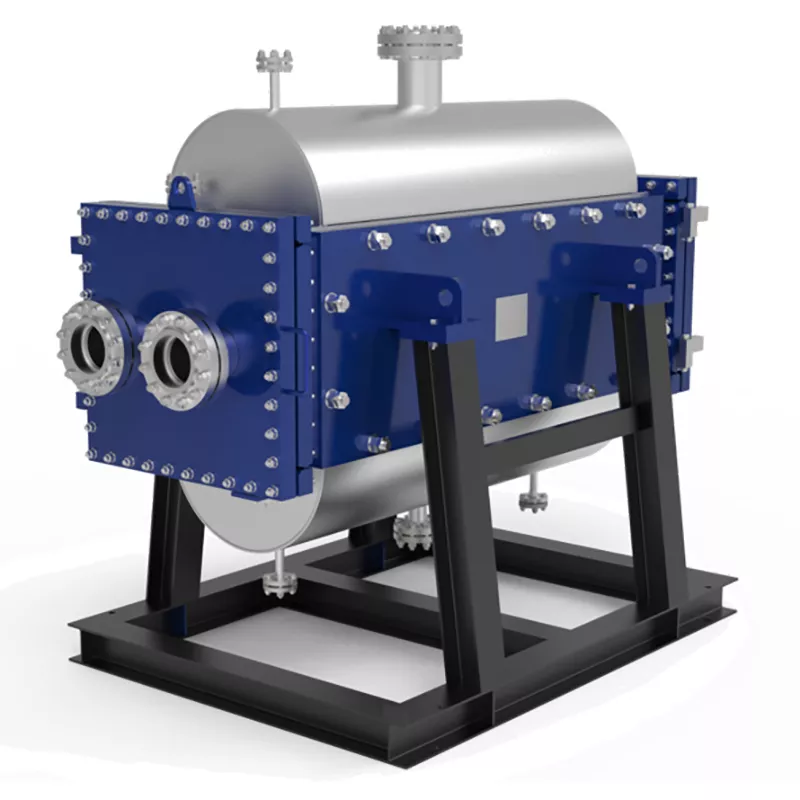
Industrial processes involving particle-laden slurries, high-viscosity syrups, or fiber-rich pulp demand more than standard equipment—they require target-engineered thermal management. At SHPHE, we configure the TP Welded Plate Heat Exchanger to directly conquer your plant's severe fouling, blockage, and erosion threats. Combining custom-tailored channel geometries, wear-resistant metallurgy, and integrated CIP (Cleaning-in-Place) systems, we deliver absolute production continuity where conventional heat exchangers fail.
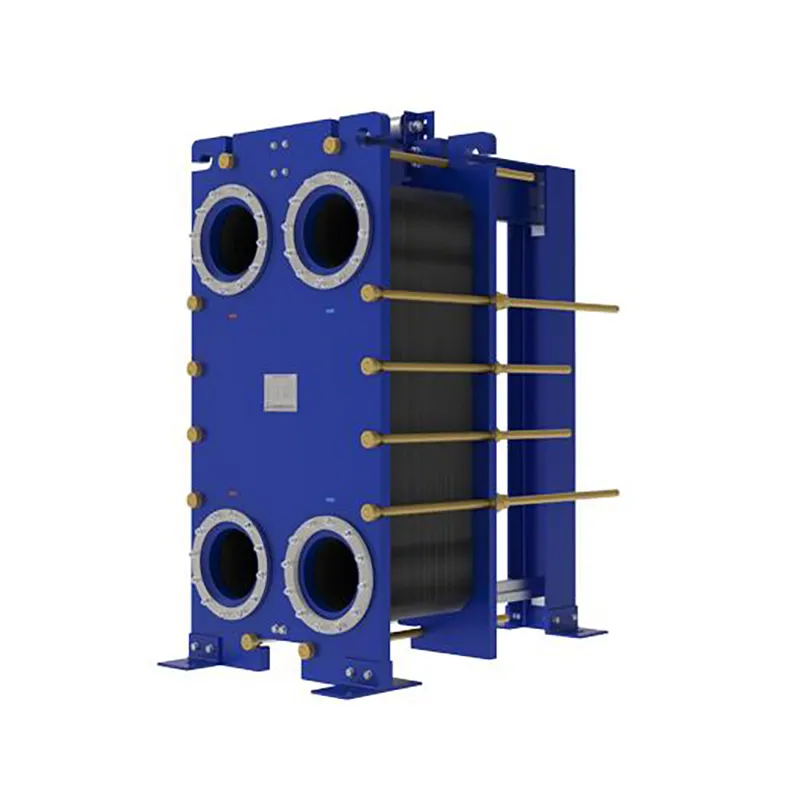
Since the invention of the plate heat exchanger (PHE) in 1923, thermal technology has evolved from standard food-grade processing to highly complex industrial operations. At SHPHE, we take this classic, versatile design and transform it into highly bespoke heat transfer solutions tailored to your unique process fluids and thermal loads. While traditional gasketed PHEs offer high efficiency and compact footprints, SHPHE optimizes plate corrugations, metallurgy, and sealing systems to handle your specific chemical, HVAC, or energy recovery parameters. Our custom-engineered gasketed plate heat exchangers provide outstanding scalability and ease of maintenance, serving as an indispensable asset for heavy industries—including oil and gas, metallurgy, and food processing—where uptime, energy recovery, and long-term sustainability are top priorities.
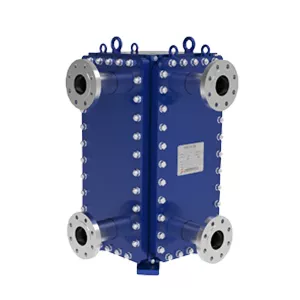
Custom-Engineered for Severe Process Demands. At SHPHE, we don't just supply equipment; we design tailored thermal solutions. Our HT-Bloc welded plate heat exchangers are custom-configured by our experienced engineers to overcome your specific industry challenges—whether handling high-viscosity media, extreme temperatures, or strict space constraints.
Select the most popular foreign trade service products to meet your diverse needs
Industrial processes involving particle-laden slurries, high-viscosity syrups, or fiber-rich pulp demand more than standard equipment—they require target-engineered thermal management. At SHPHE, we configure the TP Welded Plate Heat Exchanger to directly conquer your plant's severe fouling, blockage, and erosion threats. Combining custom-tailored channel geometries, wear-resistant metallurgy, and integrated CIP (Cleaning-in-Place) systems, we deliver absolute production continuity where conventional heat exchangers fail.
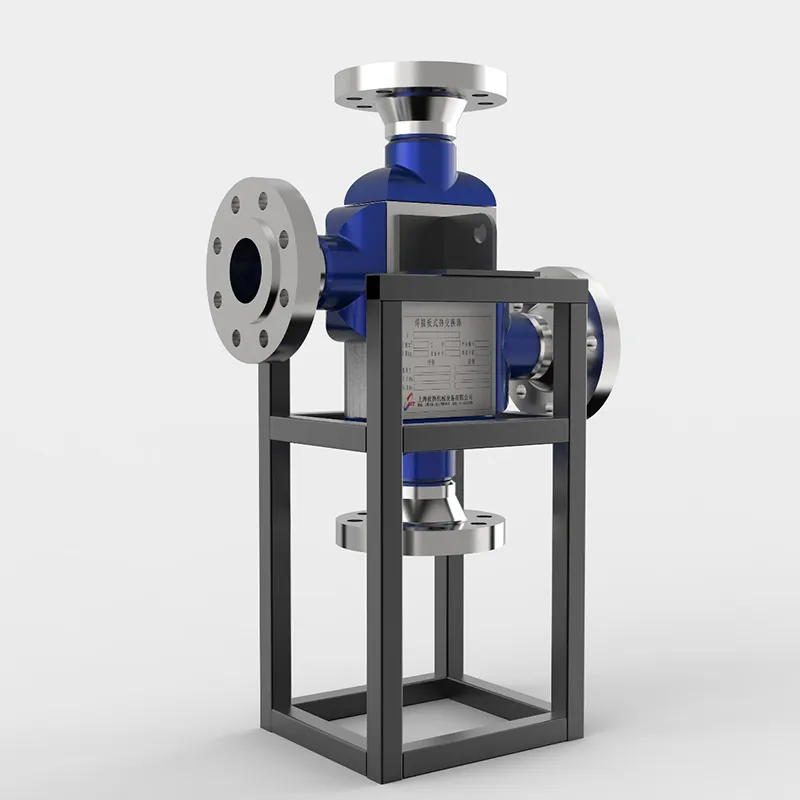
The SHPHE Printed Circuit Heat Exchanger (PCHE) is an advanced diffusion bonded microchannel heat exchanger engineered for demanding high-pressure and high-temperature thermal duties. Compared with conventional shell-and-tube equipment, its chemically etched microchannel structure provides exceptionally high heat-transfer surface density within a compact core. Combined with solid-state diffusion bonding, the design delivers high thermal effectiveness, mechanical integrity, and reliable containment under extreme operating conditions.
Designed as a compact high pressure heat exchanger, the SHPHE PCHE supports critical thermal processes across LNG, natural gas processing, offshore energy systems, supercritical CO₂ power cycles, hydrocarbon processing, and high-pressure hydrogen applications. Its combination of compact size, high pressure capability, low fluid inventory, and efficient heat recovery makes PCHE technology particularly suitable for applications where equipment footprint, weight, safety, and thermal performance are equally important.
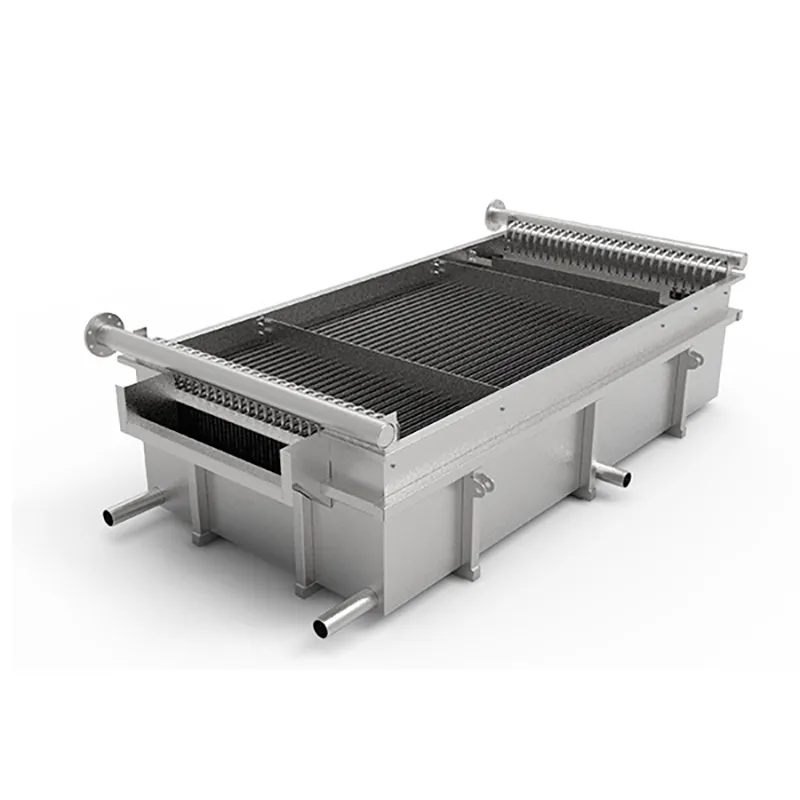
Originated in the mid-20th century to bypass the manufacturing bottlenecks and weight limitations of standard jacketed thermal components, the Pillow Plate (also known as a dimple plate or embossed plate) has revolutionized precision fluid-wall engineering. At SHPHE, we take this highly flexible technology and elevate it into a core foundation for bespoke industrial heat transfer integration. By utilizing state-of-the-art automated CNC fiber laser welding, our engineers customize the mechanical inflation profiles and spot pitch grids to directly match your specific fluid dynamics, pressure limits, and vessel configurations. Today, SHPHE's custom pillow plates are indispensable assets for worldwide processing plants prioritizing advanced thermal performance, zero-leak safety, and hygienic processing—serving as the definitive solution across food, pharmaceutical, chemical, and bulk solids cooling sectors.



User Comments
Service Experience Sharing from Real Customers
Mike Torres
Process EngineerWe switched from shell-and-tube to a printed circuit heat exchanger for our high-pressure gas cooling loop. The compact size freed up a ton of floor space, and the thermal performance has been rock-solid even under fluctuating loads. Installation was straightforward once we got the piping aligned. Definitely worth the investment for our refinery upgrade.
Sarah Kim
Senior Research ScientistI’m using a PCHE prototype for a supercritical CO2 Brayton cycle test rig. The diffusion-bonded channels handle the extreme pressures without any leaks, which is a huge plus. My only minor gripe is that the pressure drop was a bit higher than the initial simulation predicted, but we adjusted the flow rate and it’s fine. Great for compact, high-temp applications.
Jack Morrison
Maintenance SupervisorI was skeptical at first because these things look like a solid block of metal, but after two years in our chemical plant’s corrosive environment, it’s held up way better than the old gasketed plate heat exchangers. No leaks, no fouling issues, and cleaning is a breeze with the chemical flush. My team loves that we don’t have to change gaskets every six months.
Emily Chen
Thermal Systems DesignerSpec’d a printed circuit heat exchanger for a waste heat recovery unit on a marine engine. The supplier provided excellent thermal data and the unit arrived on time. It’s performing beautifully in a tight engine room where every inch counts. Only reason I’m not giving 5 stars is the lead time was a bit long—about 14 weeks. But the quality makes it worth the wait.