How a Zero Liquid Discharge Evaporator Achieves Complete Wastewater Elimination
Zero liquid discharge (ZLD) evaporators are engineered to eliminate wastewater by recovering nearly 100% of water from industrial effluents, leaving only dry solids. This article explains how a zero liquid discharge evaporator works, its key components, typical performance parameters, and why selecting the right heat exchanger—such as SHPHE’s welded plate solutions—is critical for reliable operation. Process engineers and purchasing managers will find practical insights for specifying ZLD systems that meet regulatory and operational goals.
What Is a Zero Liquid Discharge Evaporator?
A zero liquid discharge evaporator is a thermal processing unit that concentrates wastewater until all water is vaporized, leaving behind solid waste. Unlike conventional treatment methods that discharge brine or liquid concentrate, ZLD systems achieve complete water recovery. This technology is essential for industries facing strict discharge regulations, water scarcity, or high disposal costs. The evaporator typically operates under vacuum to lower boiling points, improving energy efficiency. It is often paired with crystallizers or dryers to handle the final solid residue. The core of any ZLD system is the heat exchanger, which transfers thermal energy to the wastewater. Selecting a durable, fouling-resistant heat exchanger is crucial for long-term performance. SHPHE, a Shanghai-based manufacturer founded in 2005, offers plate heat exchangers that are widely used in ZLD applications due to their robust design and high thermal efficiency.
How Does a Zero Liquid Discharge Evaporator Work?
The working principle of a zero liquid discharge evaporator involves several stages. First, wastewater is preheated and fed into an evaporator chamber. Under reduced pressure, the water boils at a lower temperature. Vapor is then condensed and collected as clean distillate, while the concentrated brine is further processed. Mechanical vapor recompression (MVR) is often used to recycle latent heat, reducing energy consumption. The process continues until the remaining slurry has minimal moisture content. Key components include:
- Evaporator vessel with vacuum system
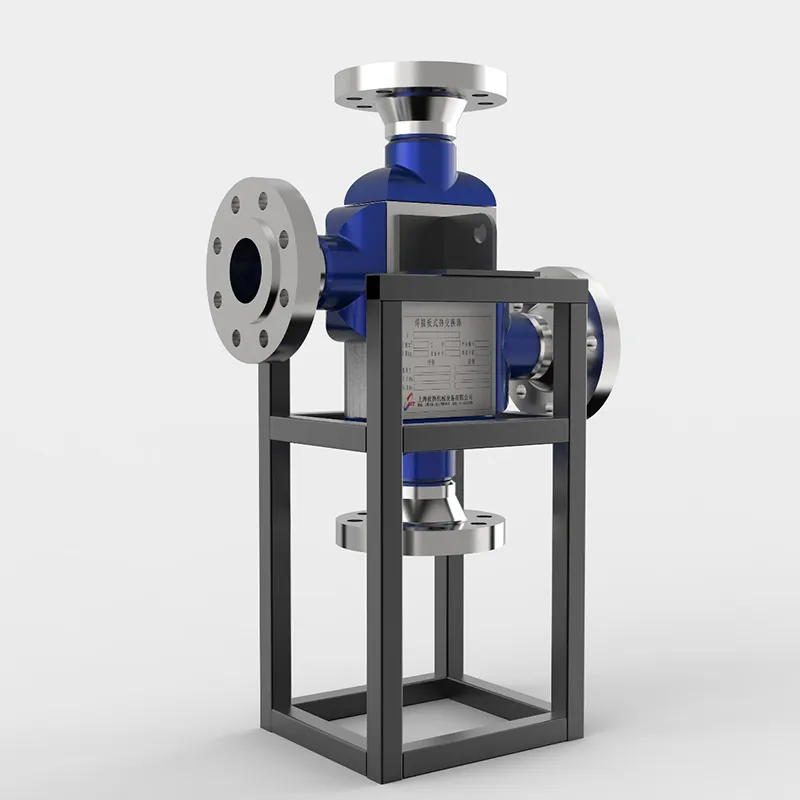
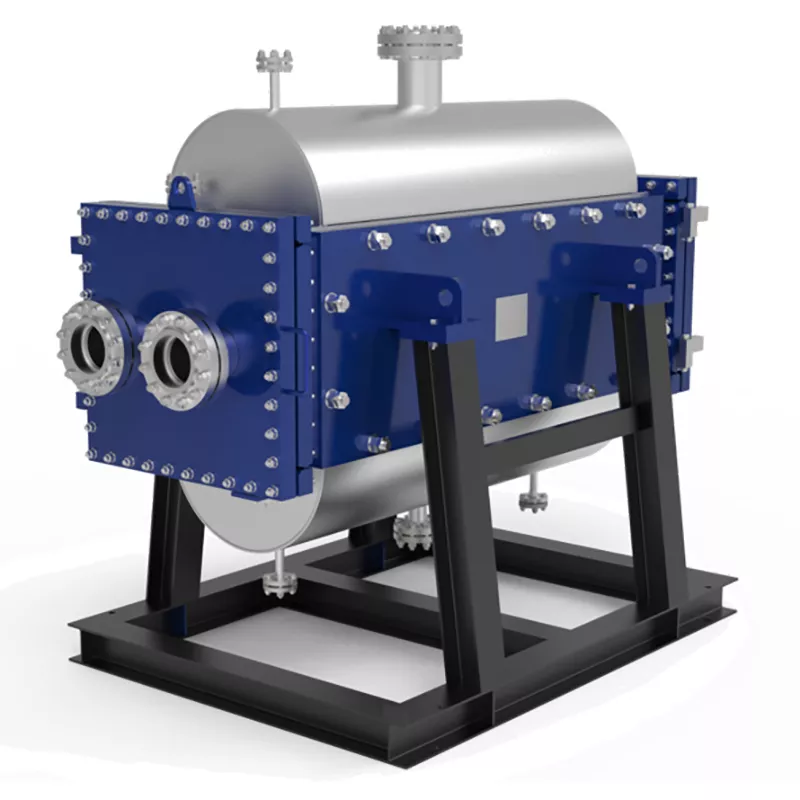
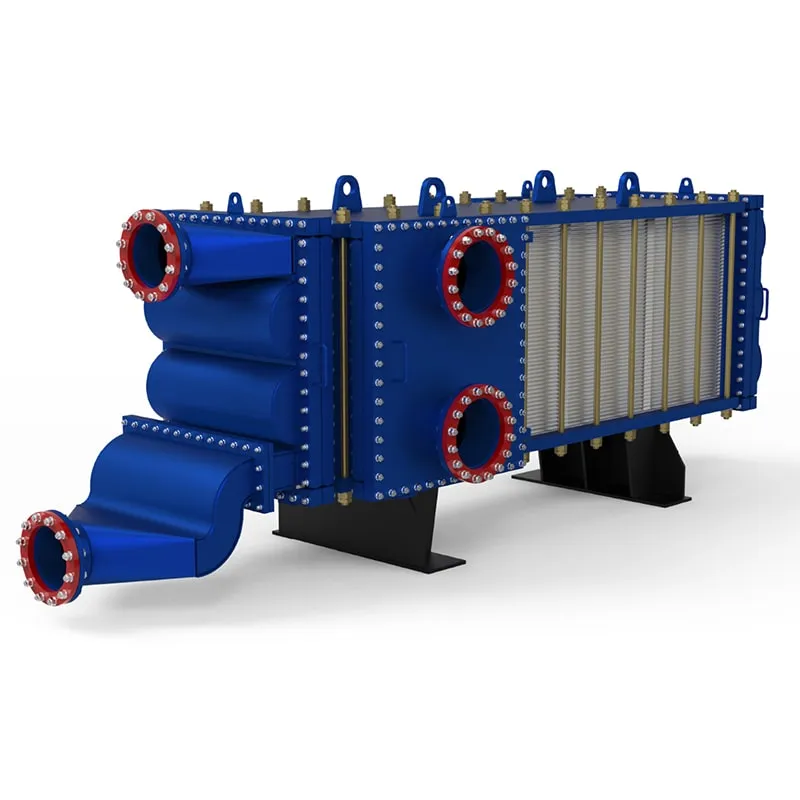
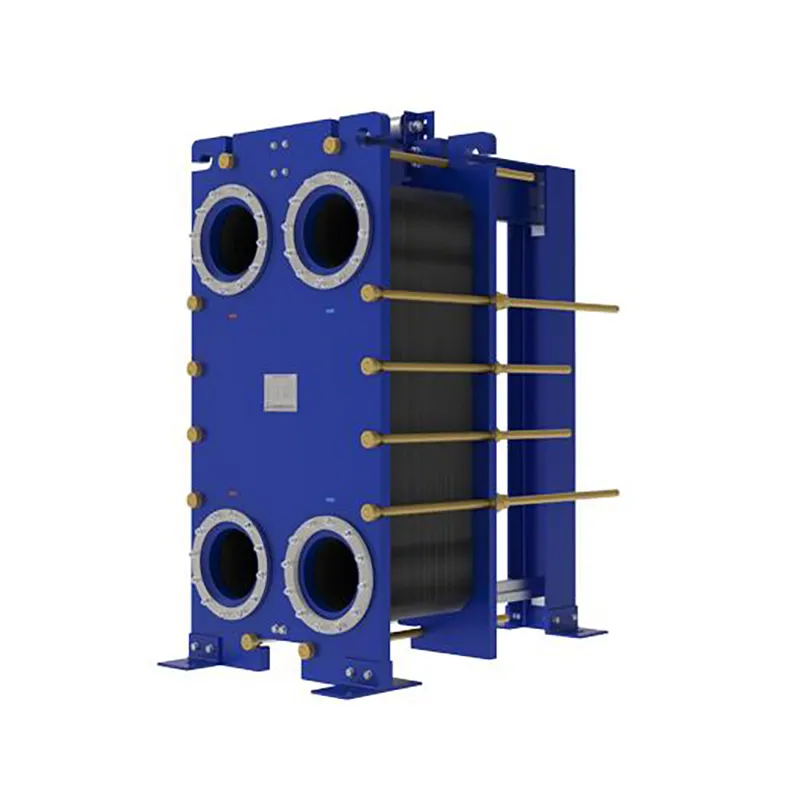
- Heat exchanger (e.g., welded plate or gasketed plate type)
- Vapor compressor or steam supply
- Condenser for distillate recovery
- Solid handling equipment (centrifuge or dryer)
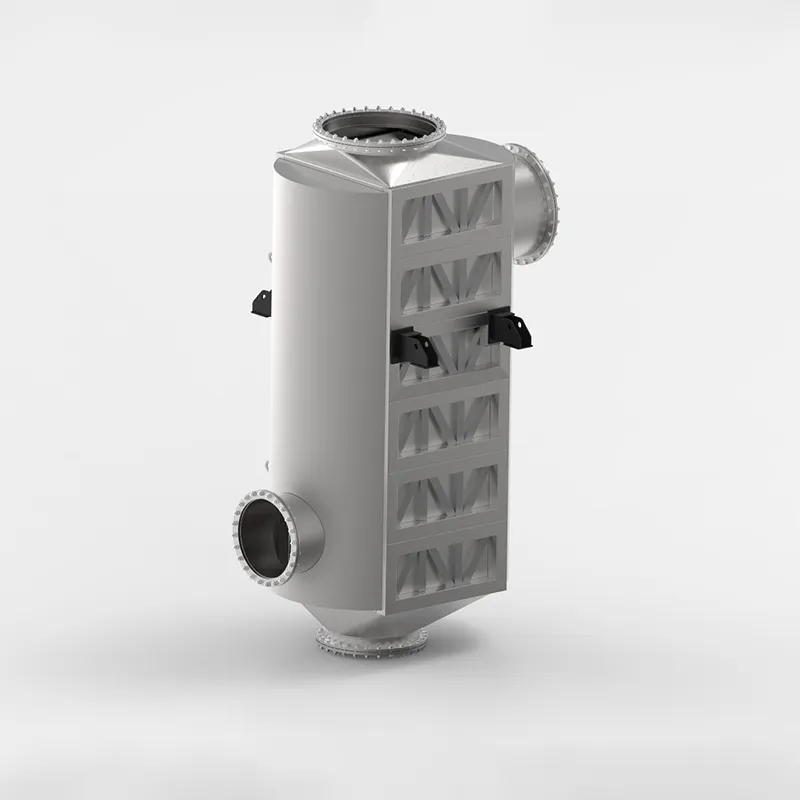
The heat exchanger plays a pivotal role. For high-fouling streams, wide gap welded plate heat exchangers are often recommended because their wider channel spacing handles suspended solids and viscous fluids without clogging.
What Are the Typical Performance Parameters?
Zero liquid discharge evaporators are designed to handle a range of conditions. Below is a table of commonly accepted parameter ranges for industrial ZLD systems:
| Parameter |
Typical Range |
| Feed flow rate |
1–500 m³/day |
| Operating temperature |
40–100 °C (under vacuum) |
| Operating pressure |
0.1–1.0 bar absolute |
| Water recovery rate |
95–99.5% |
| Energy consumption (MVR) |
20–70 kWh/m³ of distillate |
| Final solids content |
80–95% dry solids |
These values depend on feed composition and system design. For corrosive or high-temperature streams, TP welded plate heat exchangers offer excellent chemical resistance and mechanical strength.
Applications and Recommended Solutions
Zero liquid discharge evaporators are used in power plants, chemical processing, oil and gas, pharmaceuticals, and food and beverage industries. Common applications include treating cooling tower blowdown, reverse osmosis reject, and process wastewater. For each scenario, the heat exchanger selection must match the fluid properties. For streams with high scaling potential, HT-Bloc welded plate heat exchangers are a reliable alternative to traditional shell-and-tube units. They provide compact design, easy maintenance, and compatibility with aggressive chemicals. SHPHE’s product lines also include gasketed plate heat exchangers for lower-pressure duties and PCHE for high-temperature applications. Free thermal design and selection service is available to help engineers optimize their ZLD system.
Why Choose SHPHE for Your ZLD Evaporator?
SHPHE has been designing and manufacturing plate heat exchangers since 2005. Based in Shanghai, the company exports to over 20 countries and holds ISO9001 and ASME U certifications. Their product range includes HT-Bloc welded plate, wide gap welded plate, gasketed plate, PCHE, plate air preheaters, and pillow plates. All units are engineered for zero liquid discharge evaporator systems, offering high thermal efficiency, resistance to fouling, and long service life. SHPHE provides free thermal design and selection, ensuring each heat exchanger is matched to the specific process conditions. Whether you need a replacement for an existing unit or a custom solution, SHPHE’s team can support your project from concept to commissioning.
Frequently Asked Questions
Q: What is the difference between a zero liquid discharge evaporator and a conventional evaporator?
A: A zero liquid discharge evaporator is designed to recover nearly all water, leaving only dry solids, while conventional evaporators often produce a liquid concentrate that still requires disposal. ZLD systems use advanced thermal integration like MVR to minimize energy use.
Q: Can a zero liquid discharge evaporator handle high-salinity wastewater?
A: Yes, ZLD evaporators are specifically designed for high-salinity streams. They operate under vacuum to prevent scaling and use materials like duplex stainless steel or titanium for corrosion resistance. Proper heat exchanger selection is key to handling aggressive brines.
Q: How much energy does a zero liquid discharge evaporator consume?
A: Energy consumption varies, but MVR-based ZLD systems typically use 20–70 kWh per cubic meter of distillate. This is significantly lower than traditional steam-driven evaporators, making them more cost-effective for large-scale operations.
Q: What maintenance is required for a ZLD evaporator heat exchanger?
A: Regular cleaning to remove scale and fouling is essential. Welded plate heat exchangers, like those from SHPHE, require less frequent maintenance than gasketed types because they have no seals to replace. Periodic inspection of welds and pressure testing is recommended.
Q: Is a zero liquid discharge evaporator suitable for small-scale plants?
A: Yes, modular ZLD systems are available for flow rates as low as 1 m³/day. These compact units use plate heat exchangers to save space and can be scaled up as needed. SHPHE offers free thermal design to optimize small-scale installations.
Q: How does a zero liquid discharge evaporator compare to alternative technologies like membrane systems?
A: ZLD evaporators can handle higher total dissolved solids and are less affected by fouling than reverse osmosis membranes. They are ideal for streams with TDS above 70,000 ppm, where membrane systems would fail. However, they have higher capital and operating costs.
Request a Quote for Your Zero Liquid Discharge Evaporator
To get started on your zero liquid discharge evaporator project, please provide your process details: flow rate, temperature, pressure, and media composition. SHPHE’s engineering team will perform a free thermal design and selection to recommend the most suitable heat exchanger. Contact us today to ensure your wastewater elimination system runs efficiently and reliably.

 English EN





User Comments
Service Experience Sharing from Real Customers
Mike
Senior Process EngineerWe installed this zero liquid discharge evaporator six months ago at our chemical plant, and it's been a game-changer. The energy recovery system is incredibly efficient—our utility bills dropped by nearly 30%. The only hiccup was the initial calibration, but their support team walked us through it remotely. Highly recommend for anyone dealing with strict discharge permits.
Sophie
Environmental Compliance ManagerI was skeptical about the upfront cost, but after seeing the reduction in waste hauling fees at our food processing facility, it's paying for itself faster than expected. The evaporator handles high TDS brine without scaling issues—something our old system couldn't do. Took a star off because the operator interface could be more intuitive, but overall solid performance.
Raj
Field TechnicianI've worked on a dozen different evaporators over the years, and this one is the easiest to maintain. The self-cleaning cycle actually works—no more shutting down every weekend to scrape scale. We're using it for produced water treatment in an oil field, and it's been running non-stop for three months. Just make sure you have good pre-filtration upstream.
Linda
Plant ManagerWe needed a solution for our textile dyeing effluent to meet local zero discharge regulations. This evaporator did the job, but the footprint is larger than I expected—we had to rearrange the whole treatment area. On the plus side, the recovered water is clean enough to reuse in our rinsing process. Would buy again if I had more floor space.