Optimizing Thermal Efficiency with a Data Center Liquid Cooling Heat Exchanger
As data centers face rising heat loads from high-performance computing, liquid cooling heat exchangers have become essential for maintaining thermal stability and reducing energy costs. This article provides process engineers and procurement managers with a practical overview of how a data center liquid cooling heat exchanger works, its key performance parameters, and how to select the right plate heat exchanger solution for your facility. We focus on real-world specifications, common application scenarios, and answer frequent buyer questions to help you make an informed decision.
What Is a Data Center Liquid Cooling Heat Exchanger?
A data center liquid cooling heat exchanger transfers heat from server cooling loops (typically using water or dielectric fluids) to a secondary cooling circuit, such as a facility water loop or a dry cooler. Unlike traditional air-based systems, liquid cooling can handle heat densities exceeding 50 kW per rack, making it critical for modern high-density deployments. The heat exchanger acts as the interface between the IT equipment cooling loop and the heat rejection infrastructure, ensuring that server temperatures stay within safe operating ranges while minimizing pump and fan energy.
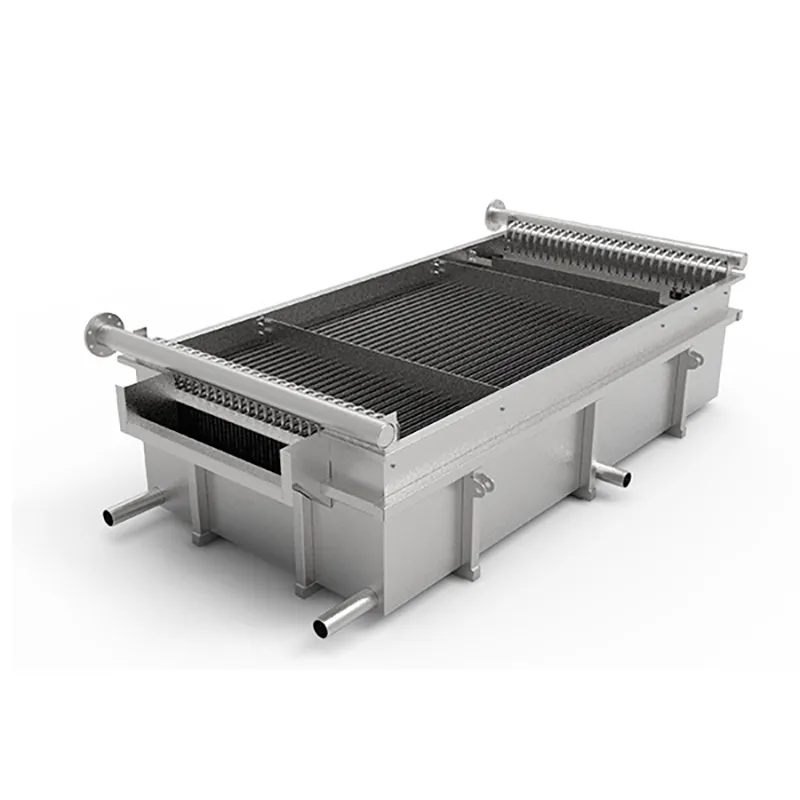
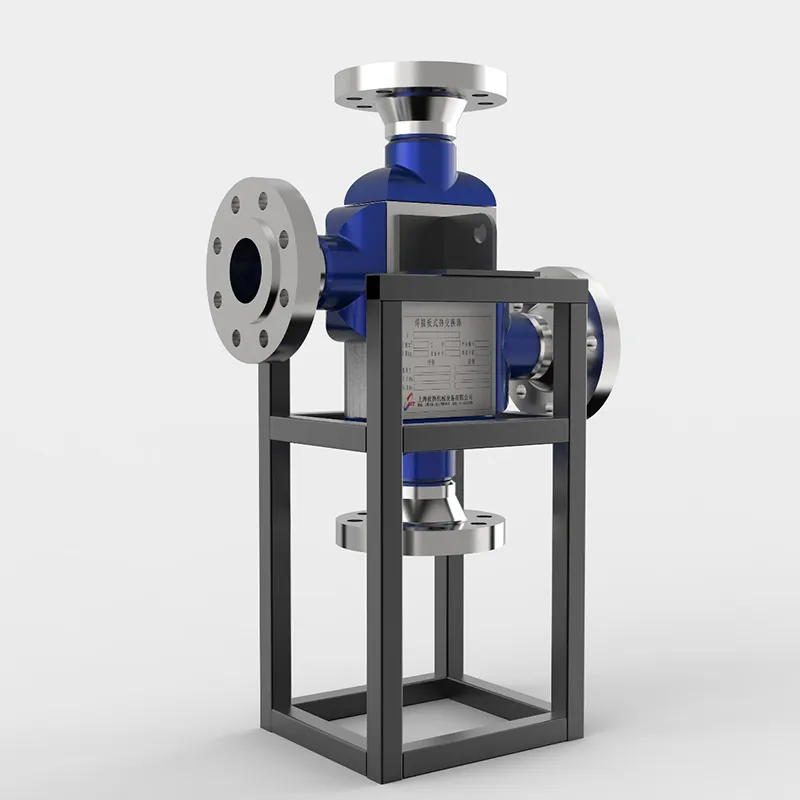
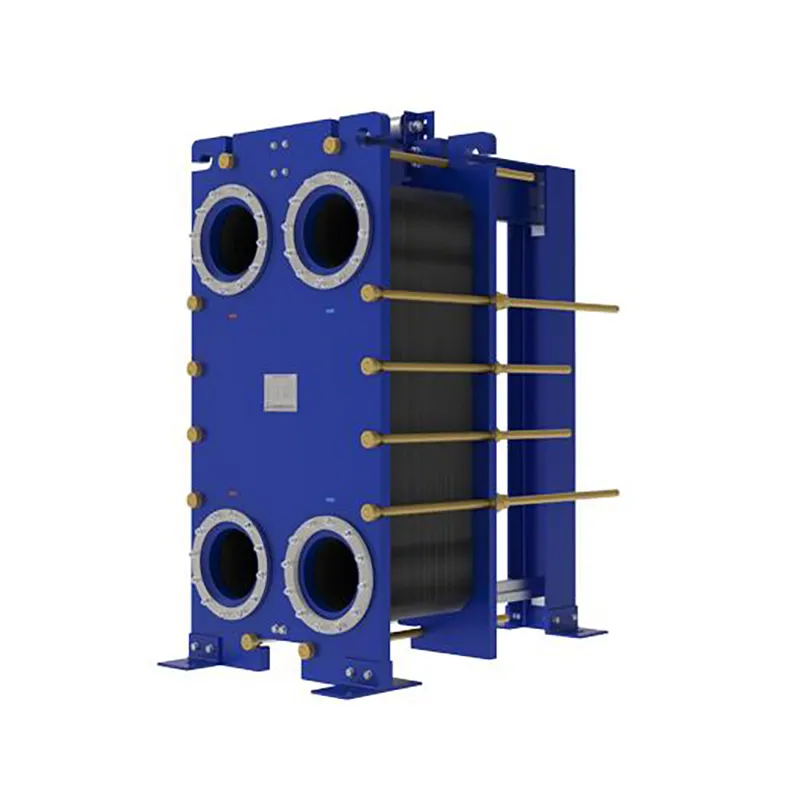
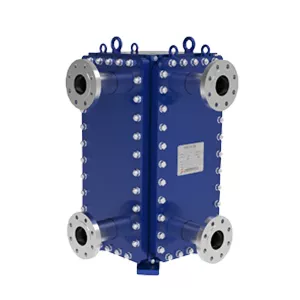
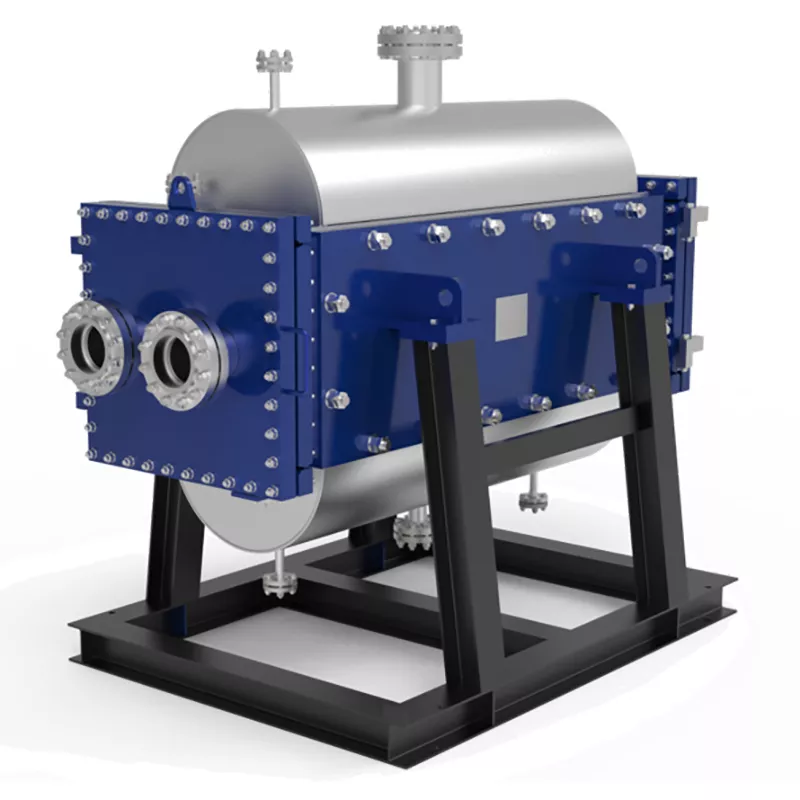
In practice, these units are often plate heat exchangers (PHEs) because of their high thermal efficiency and compact footprint. For example, a gasketed plate heat exchanger can achieve approach temperatures as low as 1–2°C, which directly improves chiller efficiency or enables longer periods of free cooling. For applications involving aggressive fluids or high pressures, welded plate heat exchangers such as the TP Welded or HT-Bloc designs are preferred.
How Does a Liquid Cooling Heat Exchanger Work in a Data Center?
The working principle is straightforward: two fluid streams flow through alternating channels of corrugated plates, transferring heat without mixing. On the hot side, coolant from the server racks (often at 35–50°C) enters the heat exchanger. On the cold side, facility water or a glycol mixture at 15–30°C absorbs the heat. The counter-current flow arrangement maximizes the temperature difference, enabling high heat transfer rates with minimal pressure drop.
Key design considerations include plate material (typically AISI 316L for corrosion resistance), gasket material (EPDM or NBR for temperature compatibility), and plate geometry (chevron angle affects turbulence and pressure drop). For data center applications, engineers often specify a design pressure of 10–16 bar and a design temperature of up to 120°C to accommodate various coolant types and operating conditions.
Key Features and Typical Parameter Ranges
When evaluating a data center liquid cooling heat exchanger, the following features and parameters are most relevant:
- Thermal duty: Typically 50 kW to 2 MW per unit, depending on rack density and cooling loop configuration.
- Approach temperature: As low as 1–2°C for gasketed designs, 2–5°C for welded designs.
- Pressure drop: Commonly 20–80 kPa per side, balancing pump energy against heat transfer.
- Flow rate: 10–200 m³/h per unit, with larger units available for hyperscale facilities.
- Plate material: AISI 316L stainless steel is standard; titanium or super-duplex options are available for corrosive fluids.
- Gasket material: EPDM for general water/glycol; NBR for oil-based coolants; no gaskets in fully welded models.
- Connections: Flanged or threaded, sized to match facility piping (DN50 to DN200).
These ranges are industry-generic and apply to most standard plate heat exchanger configurations used in data center liquid cooling loops.
Applications and Recommended Solutions
Data center liquid cooling heat exchangers are deployed in several common scenarios:
- Direct-to-chip cooling: Coolant flows directly over CPU and GPU cold plates. A gasketed plate heat exchanger isolates the server loop from the facility loop, preventing contamination and enabling easy maintenance.
- Immersion cooling: Dielectric fluid from a tank is cooled via a welded plate heat exchanger, often a Wide Gap design to handle particulate or viscous fluids.
- Free cooling integration: When ambient temperatures are low, a plate heat exchanger allows the facility water loop to bypass chillers, saving significant energy.
- Heat recovery: The warm water from the heat exchanger can be used for building heating or district heating, improving overall facility efficiency.
For each application, the choice between gasketed and welded designs depends on fluid compatibility, maintenance access, and pressure/temperature requirements. Our gasketed plate heat exchangers are ideal for clean water loops, while our TP Welded plate heat exchangers suit high-pressure or aggressive fluid environments.
Why Choose SHPHE for Your Data Center Liquid Cooling Heat Exchanger?
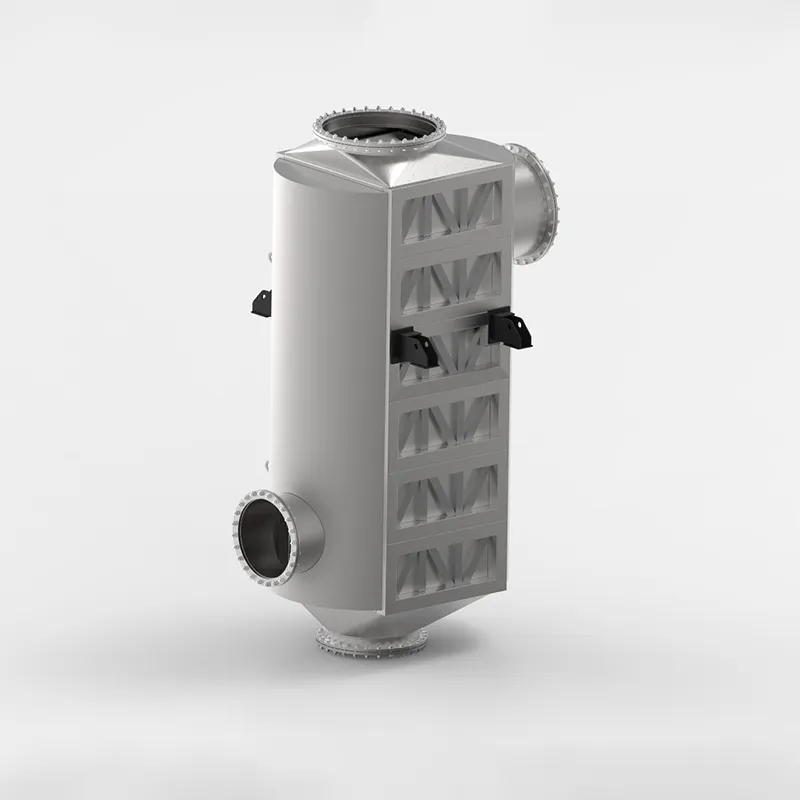
SHPHE is a Shanghai-based plate heat exchanger manufacturer founded in 2005, exporting to over 20 countries with ISO9001 and ASME U certifications. Our product lines include HT-Bloc and TP Welded Plate Heat Exchangers, Wide Gap Welded Plate Heat Exchangers, Gasketed Plate Heat Exchangers, PCHE, Plate Air Preheaters, and Pillow Plates. We offer free thermal design and selection services, helping you match the right heat exchanger to your data center liquid cooling heat exchanger requirements without over-engineering.
Our engineers work with you to define the optimal plate geometry, material, and configuration, whether you need a compact gasketed unit for a retrofit or a fully welded solution for a new hyperscale facility. We are compatible with major brands such as Alfa Laval, Compabloc, and GEA, offering reliable alternatives that meet or exceed OEM performance. For specialized applications, we also provide printed circuit heat exchangers for extreme pressure or compactness requirements.
Frequently Asked Questions
What is the typical approach temperature for a data center liquid cooling heat exchanger?
The approach temperature typically ranges from 1 to 5°C, depending on the heat exchanger type and plate geometry. Gasketed plate heat exchangers can achieve approach temperatures as low as 1–2°C, which is ideal for maximizing free cooling hours. Welded designs generally have a slightly higher approach of 2–5°C due to thicker plates and different flow patterns.
Can I use a gasketed plate heat exchanger for immersion cooling fluids?
Yes, but only if the dielectric fluid is compatible with the gasket material. EPDM gaskets work well with most synthetic oils and fluorinated fluids, while NBR is better for petroleum-based coolants. For aggressive fluids or high temperatures, a welded plate heat exchanger is recommended to eliminate gasket degradation risks. Always verify chemical compatibility with the manufacturer.
How do I size a heat exchanger for a 500 kW data center cooling loop?
Sizing requires the hot-side inlet/outlet temperatures, cold-side inlet temperature, and flow rates. For a typical scenario (hot side 45°C to 35°C, cold side 25°C to 30°C), a plate heat exchanger with around 50–80 m² of heat transfer area would be needed. We recommend providing your full operating parameters for a free thermal design—our engineers can optimize the plate count and configuration to meet your exact duty.
What is the difference between a gasketed and a welded plate heat exchanger for data center use?
Gasketed units are easier to clean and maintain, with replaceable gaskets, making them suitable for clean water loops. Welded units (like TP or HT-Bloc) have no gaskets, offering higher pressure and temperature limits, and are better for aggressive fluids or where leakage risk must be minimized. The choice depends on your coolant type, maintenance strategy, and budget.
Can I retrofit a liquid cooling heat exchanger into an existing air-cooled data center?
Yes, retrofitting is common. You can install a plate heat exchanger to connect a new liquid cooling loop to the existing chilled water system. The heat exchanger isolates the two circuits, allowing you to gradually add liquid-cooled racks without overhauling the entire facility. A compact gasketed unit is often the most cost-effective choice for such retrofits.
How do I maintain a data center liquid cooling heat exchanger?
For gasketed units, periodic cleaning of the plates (every 1–3 years depending on water quality) and gasket replacement (every 5–8 years) are standard. Welded units require less maintenance but may need chemical cleaning if fouling occurs. Monitoring pressure drop and outlet temperatures helps detect fouling early. Always follow the manufacturer’s maintenance schedule for your specific model.
Request a Quote for Your Data Center Liquid Cooling Heat Exchanger
To get an accurate thermal design and quotation, please provide the following details: flow rate (hot and cold sides), inlet and outlet temperatures, operating pressure, and fluid media (including any glycol concentration or additives). Our team at SHPHE will use these parameters to select the optimal plate heat exchanger for your data center liquid cooling heat exchanger application, ensuring reliable performance and energy efficiency. Contact us with your project specifications to start the free selection process.

 English EN





User Comments
Service Experience Sharing from Real Customers
Tommy
IT Infrastructure ManagerWe swapped out our old air-cooled setup for this liquid cooling heat exchanger six months ago, and the difference is night and day. Our server room used to sound like a jet engine, now it's whisper quiet and our GPU temps dropped by almost 20°C. Installation was straightforward once we figured out the loop layout. Highly recommend for anyone dealing with thermal throttling in high-density racks.
Megan
Senior Data Center EngineerI was skeptical about liquid cooling because of potential leak nightmares, but this exchanger has solid quick-connects and a robust leak detection system. It handles our 40kW per rack load without breaking a sweat. Only reason I'm not giving 5 stars is that the initial coolant fill took longer than expected due to air pockets. Once purged, it's been rock solid for three months now.
Raj
Facilities Operations LeadFinally a heat exchanger that actually keeps our HPC cluster cool during peak simulation runs. We were constantly fighting hot spots with our old CRAC units. This unit integrates nicely with our existing CDU and the energy savings on our PUE are already noticeable. My only tiny gripe is the manual is a bit dense, but their tech support walked us through the commissioning in under an hour.
Liam
Systems AdministratorIt works okay for our small colo setup, but I think it's overkill for anything under 15kW per rack. The build quality is great, and the copper plates look premium, but the pump noise is a bit higher than I expected at full load. Also, the mounting brackets didn't fit our specific rack rails perfectly—had to drill new holes. Decent product, but check your rack dimensions before buying.