Why a Plate Heat Exchanger for Data Center Cooling Is a Smart Investment
Data centers generate massive heat loads that demand efficient, reliable cooling. A plate heat exchanger for data center cooling offers a compact, energy-saving solution that reduces operational costs and extends equipment life. This article explores how plate heat exchangers work, their key benefits, and why SHPHE’s certified designs are a smart investment for your facility.
What Is a Plate Heat Exchanger for Data Center Cooling?
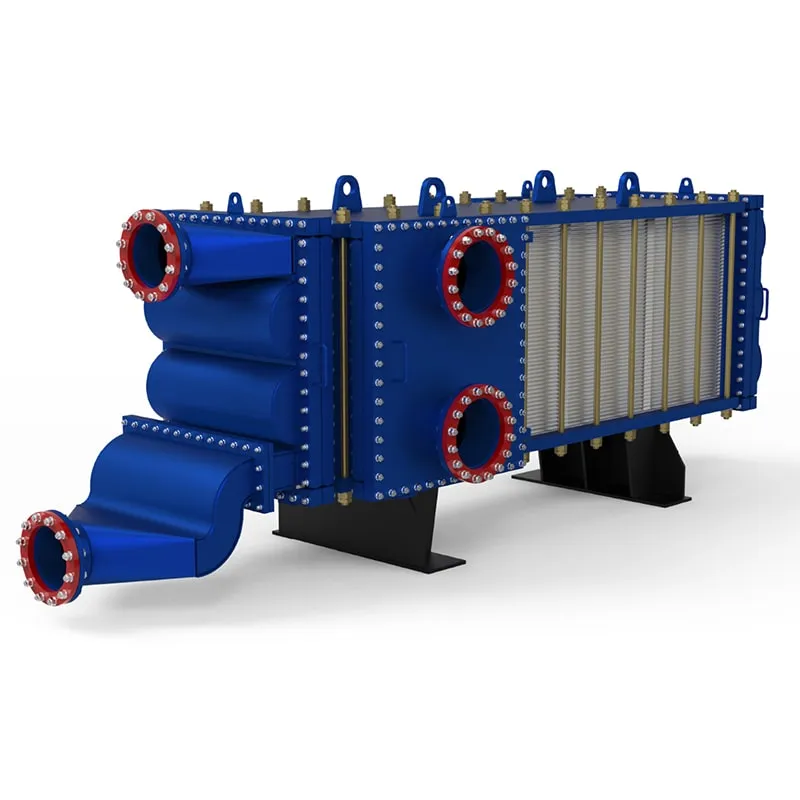
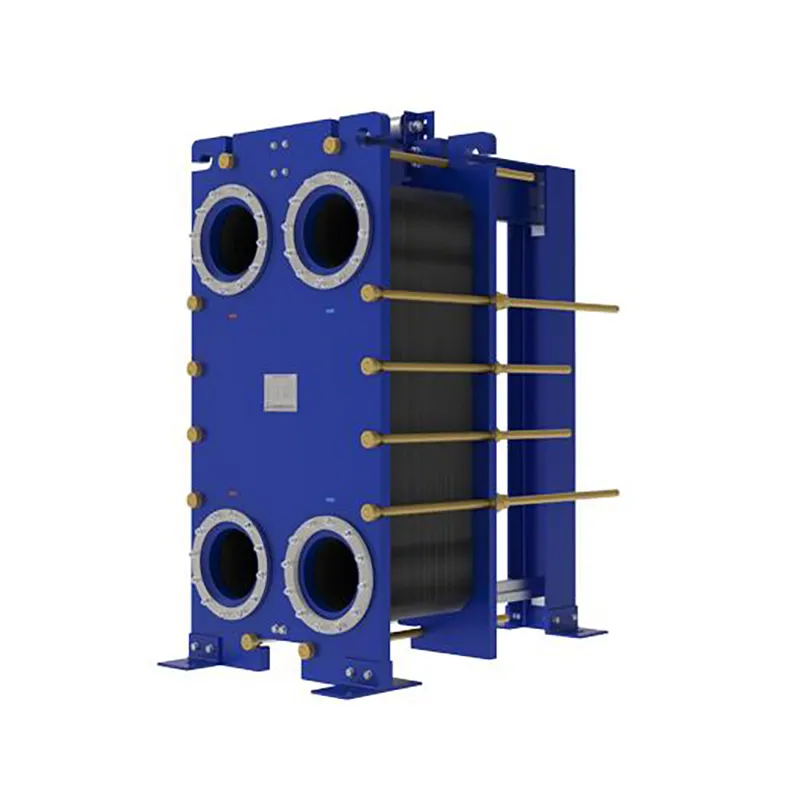
A plate heat exchanger (PHE) transfers heat between two fluids using a stack of corrugated metal plates. In data center cooling, it isolates the server room’s cooling loop from the external chiller or free-cooling system, preventing contamination and reducing energy use. Unlike shell-and-tube designs, plate heat exchangers offer higher thermal efficiency in a smaller footprint—critical for space-constrained data centers.
The compact design also supports free cooling, where cold outdoor air or water directly cools the data center loop without running compressors. This can slash annual cooling energy by 30–50%, depending on climate. For process engineers and purchasing managers evaluating long-term ROI, a plate heat exchanger for data center cooling is a proven choice.
How Does a Plate Heat Exchanger Work in a Cooling System?
In a typical data center cooling loop, warm water from server room cooling coils (80–95°F / 27–35°C) enters the PHE. Cold water from a chiller or cooling tower (45–65°F / 7–18°C) flows counter-currently through alternate plate channels. The corrugated plates create turbulence, maximizing heat transfer while keeping the two fluid streams separate.
Key process parameters include:
- Flow rate: 50–500 GPM per unit (common range)
- Pressure drop: 3–15 psi per side
- Temperature approach: 2–8°F (1–4°C)
- Plate material: 304/316 stainless steel or titanium
- Gasket material: EPDM, NBR, or Viton for chemical compatibility
For free cooling applications, the PHE allows the cooling tower water to directly cool the server loop when ambient temperatures drop below 50°F (10°C), bypassing the chiller entirely. This is where a gasketed plate heat exchanger excels due to its ease of cleaning and maintenance.
What Are the Key Features of a Plate Heat Exchanger for Data Centers?
Modern plate heat exchangers offer several advantages tailored to data center needs:
- Compact footprint: Up to 80% smaller than shell-and-tube units for the same duty.
- High thermal efficiency: U-values of 500–1500 BTU/hr·ft²·°F (3000–8500 W/m²·K).
- Easy expansion: Add or remove plates to adjust capacity.
- Low maintenance: Gasketed designs allow plate access for inspection.
- Corrosion resistance: Stainless steel or titanium plates handle treated water.
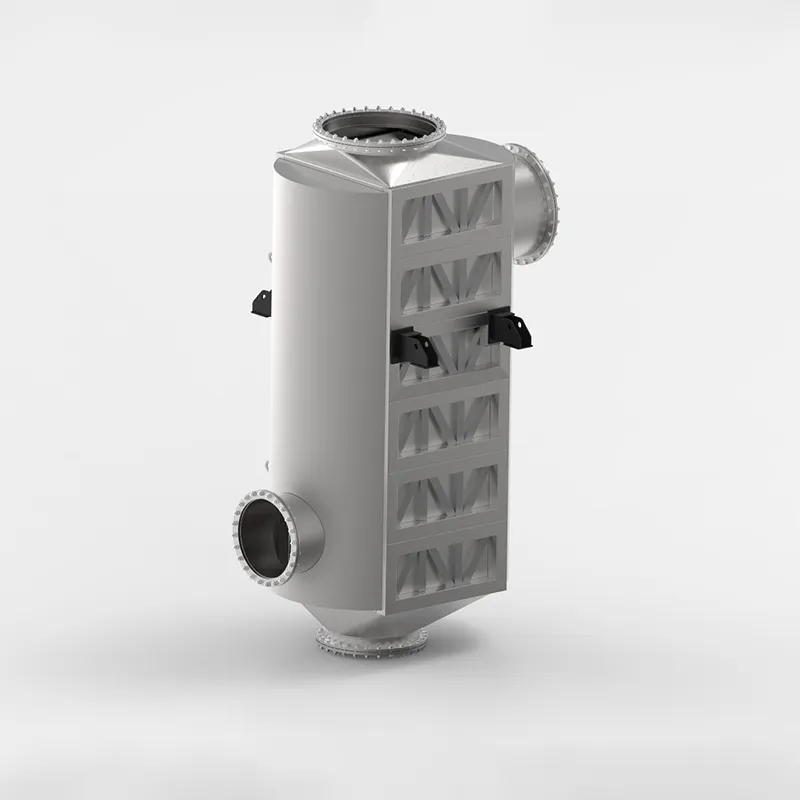
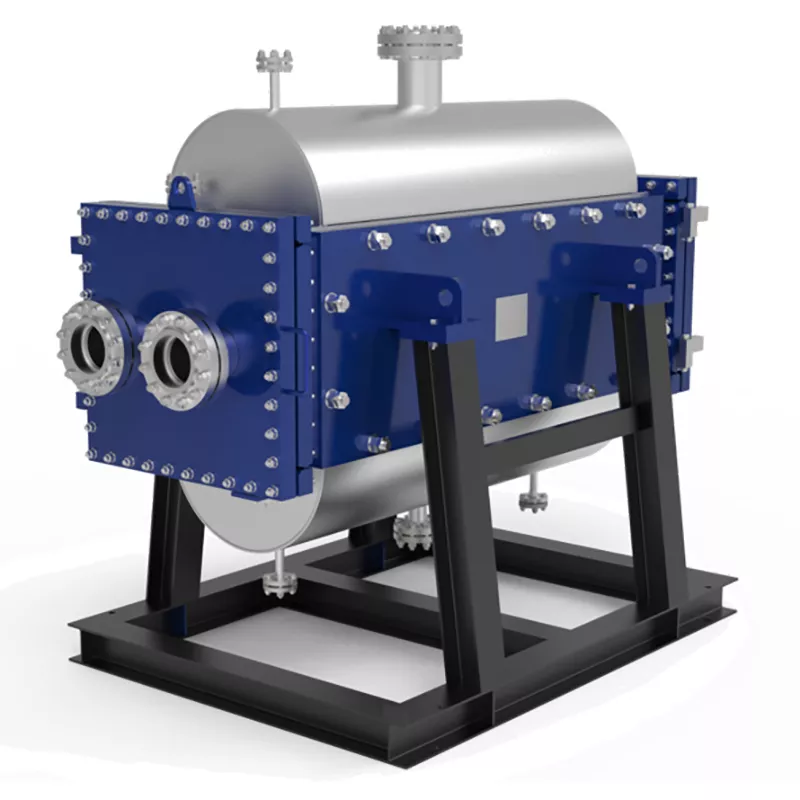
For high-temperature or high-pressure applications, SHPHE offers HT-Bloc welded plate heat exchangers that eliminate gasket failure risks. These are ideal for data centers using hot water loop temperatures above 200°F (93°C).
Typical Applications in Data Center Cooling
Plate heat exchangers serve multiple roles in data center thermal management:
- Chiller isolation: Prevents sludge and debris from entering expensive chillers.
- Free cooling economizers: Directly cools server water using ambient air or water.
- Heat recovery: Captures waste heat for building heating or hot water.
- Liquid cooling loops: Supports direct-to-chip or immersion cooling systems.
For high-density racks exceeding 30 kW per rack, liquid cooling requires reliable heat exchange. A TP welded plate heat exchanger offers all-welded construction for zero leakage, handling pressures up to 600 psi (40 bar).
Why Choose SHPHE for Your Data Center Cooling Needs?
SHPHE, founded in Shanghai in 2005, has supplied plate heat exchangers to over 20 countries. Our ISO9001 and ASME U certified manufacturing ensures consistent quality. We offer free thermal design and selection service to match your exact flow, temperature, and pressure requirements.
Our product lines include:
- HT-Bloc and TP Welded Plate Heat Exchangers
- Wide Gap Welded Plate Heat Exchangers
- Gasketed Plate Heat Exchangers
- Printed Circuit Heat Exchangers (PCHE)
- Plate Air Preheaters
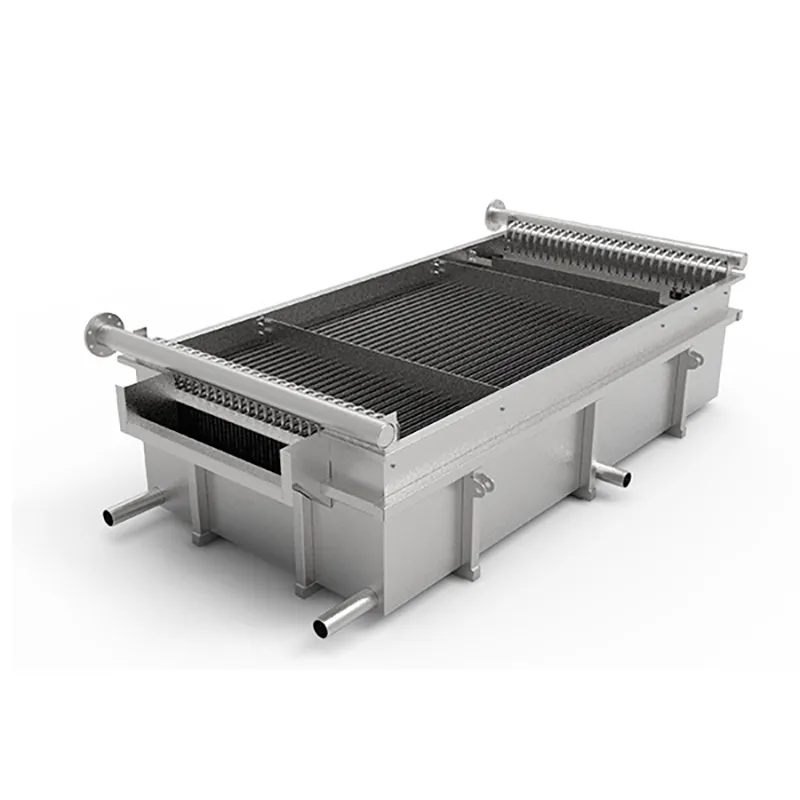
- Pillow Plates
All units are compatible with or serve as alternatives to major brands like Alfa Laval, Compabloc, and GEA. Our engineers can help you select the right model for your data center cooling loop, whether you need a gasketed unit for easy maintenance or a welded design for high-pressure duty.
Frequently Asked Questions
What size plate heat exchanger do I need for a 1 MW data center?
For a 1 MW IT load with a 10°F (5.5°C) temperature rise, you typically need a PHE handling about 300–400 GPM. Contact SHPHE with your flow rate and temperature data for a free sizing recommendation.
Can I use a plate heat exchanger for free cooling in warm climates?
Yes, but the benefit depends on ambient wet-bulb temperature. In regions where nighttime temperatures drop below 50°F (10°C), free cooling can run 30–60% of the year. SHPHE can help you model savings based on your local climate data.
How often should I clean a plate heat exchanger in a data center?
With proper water treatment, cleaning intervals range from 1 to 3 years. Gasketed designs allow easy plate access for mechanical or chemical cleaning. Welded units require CIP (clean-in-place) procedures.
What is the pressure drop across a plate heat exchanger?
Typical pressure drop is 3–15 psi per side, depending on flow rate and plate geometry. SHPHE optimizes the design to balance heat transfer efficiency with pump energy costs.
Are welded plate heat exchangers better than gasketed for data centers?
Welded units eliminate gasket leakage risks and handle higher pressures and temperatures. Gasketed units are easier to clean and expand. The choice depends on your specific loop conditions and maintenance preferences.
How do I request a quote for a plate heat exchanger?
Simply provide your flow rate, inlet/outlet temperatures, allowable pressure drop, and fluid type (e.g., water-glycol mix). SHPHE offers free thermal design and selection to ensure the best fit for your data center cooling system.
Request a Quote for Your Data Center Cooling Project
A plate heat exchanger for data center cooling is a smart investment that pays for itself through energy savings and reliability. To get started, please send us your project details:
- Flow rate (GPM or m³/h)
- Inlet and outlet temperatures on both sides
- Allowable pressure drop
- Fluid type and composition (e.g., water, glycol mixture)
- Operating pressure and temperature range
Our team will provide a customized thermal design and quotation within 24 hours. Contact SHPHE today to optimize your data center cooling with a reliable plate heat exchanger for data center cooling.

 English EN





User Comments
Service Experience Sharing from Real Customers
Mike
Senior Data Center EngineerWe retrofitted our cooling loop with these plate heat exchangers six months ago. The thermal transfer is noticeably better, and the pressure drop is lower than the old shell-and-tube units. We've shaved about 8% off our PUE. Installation was straightforward, and the gaskets seem to hold up well even with our fluctuating glycol temps. Solid upgrade.
Sarah
HVAC TechnicianI work on these almost daily in our facility. The plates are easy to clean when we do our biannual maintenance, which is a big plus. Only reason I'm not giving five stars is that the bolts on the frame can be a bit finicky if you over-torque them. But performance-wise, they keep our server rooms cool even during the summer spikes. No leaks so far.
Tom
IT Facilities ManagerSwitched to these for our new edge site. The compact footprint saved us rack space, and the efficiency is exactly what we needed for our liquid cooling loops. The supplier helped with sizing, and it's been running flawlessly for eight months. Quiet, reliable, and the stainless steel feels premium. Highly recommend for any high-density setup.
Jake
Data Center OperatorThey work fine for our chilled water system, but I feel like the initial cost was a bit high compared to some alternatives we looked at. The heat rejection is good, but we had a minor issue with a seal after the first year—quick fix, but still annoying. Not bad, just not the miracle solution I was hoping for. Does the job.