Optimizing Thermal Recovery with a Condensate Cooler Heat Exchanger
In many industrial processes, condensate leaving steam-using equipment still carries significant thermal energy. A condensate cooler heat exchanger captures this residual heat, reducing boiler fuel consumption and improving overall plant efficiency. This article explains how these exchangers work, their key design parameters, and how SHPHE delivers reliable solutions for process engineers and procurement managers worldwide.
What Is a Condensate Cooler Heat Exchanger and Why Does It Matter?
A condensate cooler heat exchanger is a device designed to recover heat from hot condensate—typically steam condensate at temperatures between 80°C and 150°C—before it returns to the boiler or is discharged. Without this recovery step, valuable thermal energy is wasted, increasing operational costs and carbon footprint. For process engineers, integrating a condensate cooler can improve overall system efficiency by 5% to 15%, depending on the application.
The core principle is straightforward: the hot condensate flows through one side of the heat exchanger, while a cooler fluid—often makeup water or a process stream—absorbs the heat on the other side. This preheated fluid then reduces the energy required for downstream heating, creating a closed-loop efficiency gain.
How Does a Condensate Cooler Work in a Typical Process Scenario?
Imagine a steam system in a food processing plant. Steam is used for cooking and sterilization, and the resulting condensate exits at around 120°C. Instead of sending this hot water directly to the boiler feed tank, a condensate cooler heat exchanger transfers its heat to incoming cold makeup water. The preheated makeup water then enters the deaerator at a higher temperature, reducing steam demand for heating.
Key process parameters include:
- Condensate inlet temperature: 80°C to 150°C
- Cooling medium temperature: 10°C to 50°C (typically water or glycol)
- Flow rates: 5 m³/h to 500 m³/h, depending on plant size
- Pressure drop: 0.5 bar to 2.5 bar, depending on plate design
The heat exchanger must handle thermal cycling and potential fouling from condensate impurities, making robust material selection critical.
Key Features and Typical Parameter Ranges for Condensate Cooler Heat Exchangers
When specifying a condensate cooler heat exchanger, process engineers should consider the following features:
- Plate material: 304 or 316L stainless steel for corrosion resistance; titanium or Hastelloy for aggressive condensate.
- Gasket material: EPDM or NBR for temperatures up to 150°C; Viton for higher thermal loads.
- Design pressure: Typically 10 bar to 25 bar, with higher ratings available for special applications.
- Heat transfer area: From 1 m² to 500 m², depending on duty requirements.
- Connection sizes: DN25 to DN300 flanged or threaded connections.
These parameters ensure the exchanger can handle the thermal stress and flow conditions typical in condensate recovery systems.
Applications and Recommended Solutions for Condensate Cooling
Condensate cooler heat exchangers are used across multiple industries:
- Food and beverage: Preheating wash water or boiler feedwater.
- Chemical processing: Recovering heat from process condensate for reactor preheating.
- Pharmaceuticals: Maintaining sterile conditions while reducing energy costs.
- District heating: Using condensate heat to warm return water in closed loops.
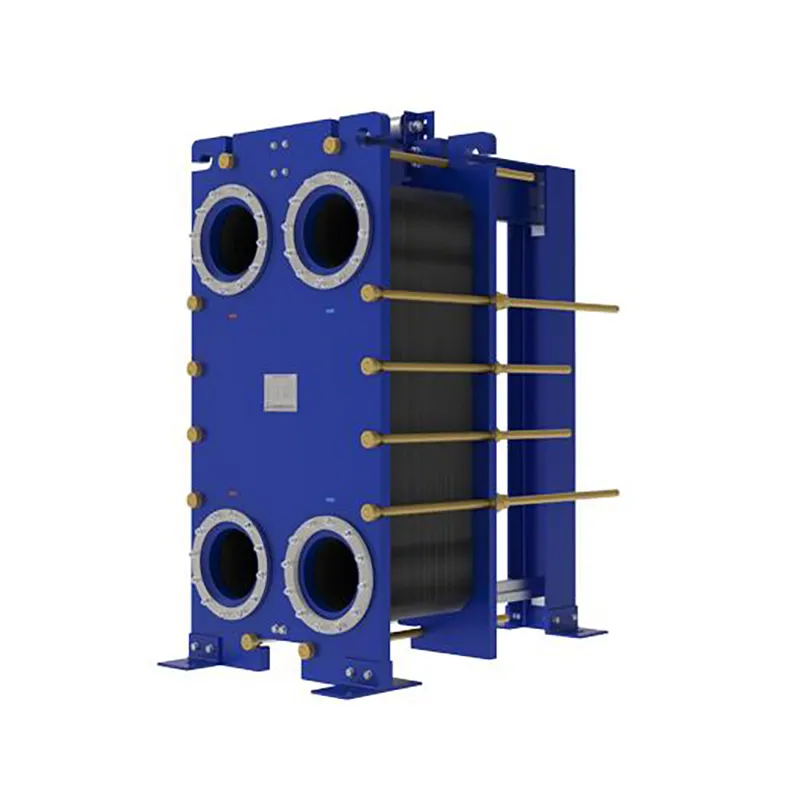
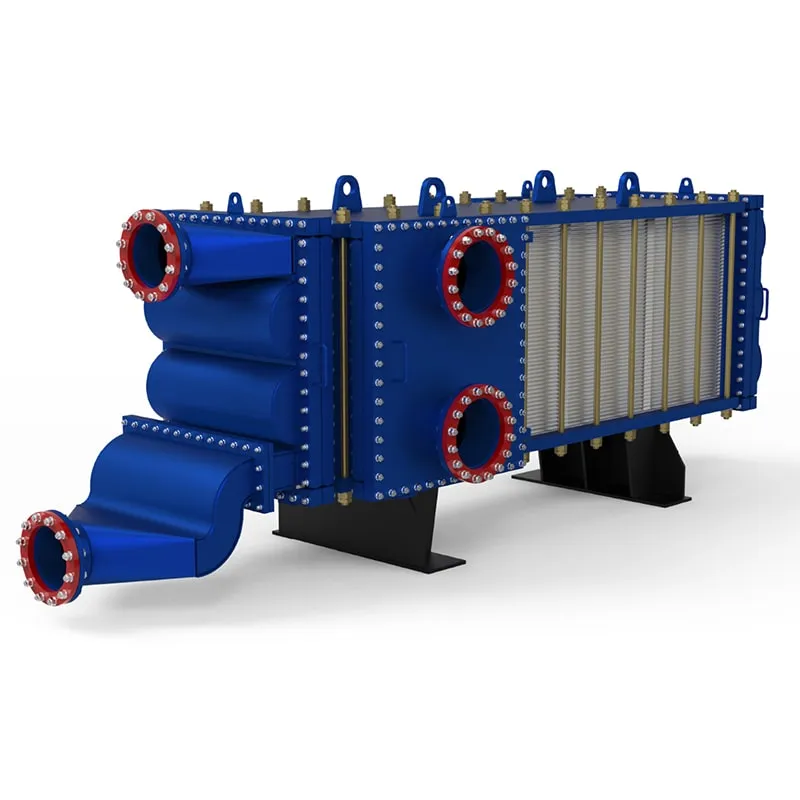
For most applications, a gasketed plate heat exchanger is the recommended solution due to its high thermal efficiency, easy maintenance, and compact footprint. In scenarios with high fouling potential, a wide gap welded plate heat exchanger may be more suitable. SHPHE offers both options, along with free thermal design and selection services to match your specific process conditions.
Why Choose SHPHE for Your Condensate Cooler Heat Exchanger?
SHPHE, founded in 2005 in Shanghai, is a trusted plate heat exchanger manufacturer with ISO9001 and ASME U certifications. We export to over 20 countries and serve process engineers and purchasing managers who demand reliable, cost-effective thermal solutions. Our product lines include:
We also offer Plate Air Preheaters for air-to-liquid heat recovery. Our team provides free thermal design and selection, ensuring your condensate cooler heat exchanger is optimized for your specific flow rate, temperature, pressure, and media characteristics.
Frequently Asked Questions About Condensate Cooler Heat Exchangers
1. What is the typical payback period for installing a condensate cooler heat exchanger?
The payback period typically ranges from 6 months to 2 years, depending on the condensate temperature, flow rate, and local energy costs. For a plant with a condensate flow of 20 m³/h at 120°C, savings can exceed $15,000 annually in fuel costs.
2. Can a condensate cooler heat exchanger be used with corrosive condensate?
Yes. SHPHE offers plate materials such as 316L stainless steel, titanium, and Hastelloy to resist corrosion from acidic or chlorinated condensate. Proper material selection is included in our free thermal design service.
3. How does a condensate cooler heat exchanger compare to a shell-and-tube design?
Plate heat exchangers offer higher thermal efficiency (up to 90% temperature approach) and a smaller footprint compared to shell-and-tube units. They are also easier to clean and maintain, making them a preferred choice for condensate recovery.
4. What maintenance is required for a condensate cooler heat exchanger?
Routine maintenance includes periodic cleaning of plates to remove fouling, inspecting gaskets for wear, and checking for leaks. With proper water treatment, a gasketed plate heat exchanger can operate for 5–10 years before gasket replacement is needed.
5. Is a condensate cooler heat exchanger compatible with existing Alfa Laval or GEA systems?
Yes. SHPHE designs gasketed plate heat exchangers that are compatible with standard frame sizes and connection patterns used by Alfa Laval, Compabloc, and GEA. We can provide drop-in replacements or retrofits for your existing system.
6. What is the maximum operating temperature for a condensate cooler heat exchanger?
For gasketed designs, the maximum temperature is typically 150°C with EPDM gaskets. For higher temperatures up to 250°C, SHPHE recommends welded plate heat exchangers like the HT-Bloc series, which eliminate gasket limitations.
Request a Quote for Your Condensate Cooler Heat Exchanger
To get a precise thermal design and quotation for your condensate cooler heat exchanger, please provide the following details: flow rate (hot and cold sides), inlet and outlet temperatures, operating pressure, and media composition (including any corrosive elements). SHPHE’s engineering team will respond with a customized solution within 48 hours. Contact us today to optimize your thermal recovery and reduce energy costs.

 English EN





User Comments
Service Experience Sharing from Real Customers
Liam
Process EngineerWe installed this condensate cooler in our ethylene unit two months ago, and the temperature drop across the shell side has been rock-solid. The tube bundle design handles our high-fouling service better than the old U-tube style—less frequent cleaning, fewer shutdowns. No more hot condensate hammering the downstream pumps either. Solid piece of kit.
Sophie
Maintenance SupervisorFor the price point, this heat exchanger is a workhorse. We use it on a steam condensate return line in a 50-year-old plant, and it's held up against the constant thermal cycling. Only reason I'm not giving 5 stars is that the gasket material seemed a bit thin—I swapped it out for a spiral-wound during the first annual service. Otherwise, no leaks, good pressure drop, easy to rod out.
Elena
Senior Project ManagerSpec'd this for a new offshore platform condensate recovery skid. Had to meet strict weight and footprint limits, and this unit delivered. The compact finned-tube configuration gives us the heat transfer we need without the bulk. Fabrication quality was spot on—hydrotest passed first time. Our client's commissioning team was impressed. Would buy again.
Raj
Utilities EngineerIt works as advertised for basic condensate cooling, but I expected better corrosion resistance on the tubesheets. We're circulating slightly acidic demin water (pH around 5.8), and after six months I'm seeing pitting near the inlet nozzle. Had to add a chemical dosing skid to buffer the pH. Performance is fine otherwise, but the material choice for sourish service could be upgraded.