 English EN


What Is a Wide Gap Welded Plate Heat Exchanger? A Complete Technical Guide
A wide gap plate heat exchanger uses welded plates and wide channels to handle viscous, fibrous fluids efficiently in demanding industrial processes.
More
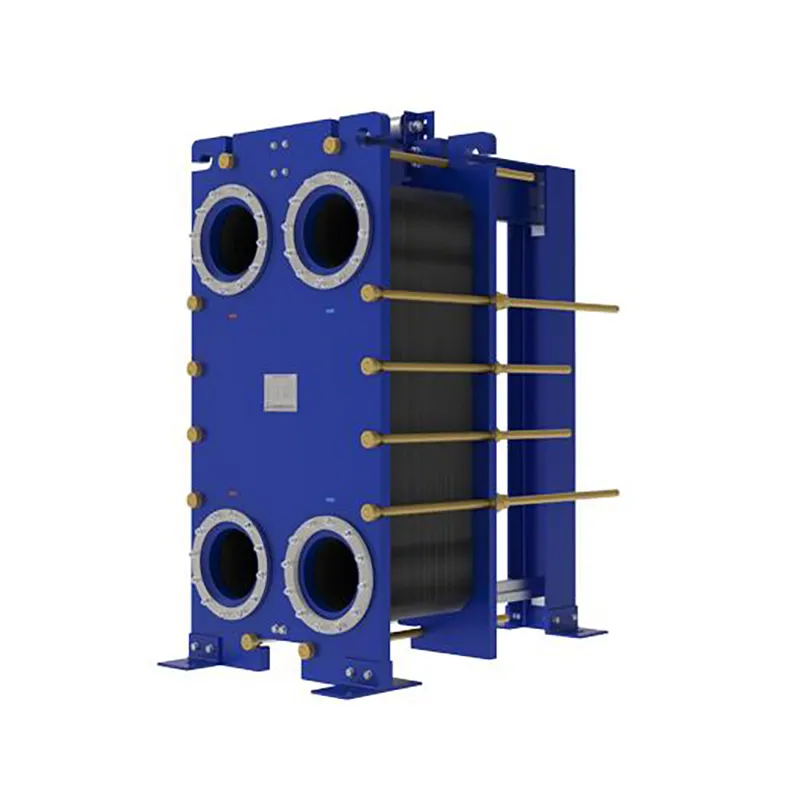
Pillow plates are widely used in heating, cooling, and temperature control processes across chemical, food, pharmaceutical, and energy industries. Unlike traditional shell-and-tube or gasketed plate heat exchangers, a pillow plate offers a fully welded, single-piece construction that eliminates gasket failure risks and handles high-pressure or high-temperature media. In this guide, we break down the core design, common specifications, and real-world selection criteria for pillow plates.
A pillow plate consists of two thin metal sheets (typically stainless steel 304, 316L, or duplex) that are spot-welded in a grid pattern. The sheets are then inflated with high-pressure fluid to form pillow-shaped bulges between the weld points. These bulges create internal flow channels for the heating or cooling medium, while the flat outer surfaces contact the process fluid or vessel wall.
During operation, thermal energy transfers through the thin metal wall between the internal medium and the external process fluid. The embossed pattern increases turbulence, improving heat transfer coefficients compared to flat plates. Because the entire assembly is welded, there are no gaskets or seals that can leak, making pillow plates suitable for aggressive chemicals, high-purity applications, or extreme temperatures.
These features make pillow plates an excellent choice for immersion heating, tank temperature control, and clamp-on applications. For more complex duties, SHPHE also offers custom-engineered pillow plates designed to match your vessel geometry and process conditions.
| Parameter | Common Range |
|---|---|
| Sheet thickness (each) | 1.0 – 2.0 mm |
| Pillow height (bulge) | 10 – 30 mm |
| Internal design pressure | Up to 30 bar |
| Design temperature | -40°C to +300°C (material dependent) |
| Panel size | Up to 3,000 x 1,500 mm per panel |
| Weld pattern pitch | 50 – 150 mm |
These values are industry-generic. Actual limits depend on material grade, welding quality, and application code. Always consult the manufacturer for a design review based on your specific process data.
Pillow plates are used in both direct immersion and external clamp-on configurations. Common applications include:
For duties involving viscous fluids, slurries, or fouling media, a wide gap welded plate heat exchanger may be a better alternative, as it offers larger flow passages. However, for clean fluids requiring high efficiency and compactness, pillow plates remain a cost-effective solution.
SHPHE is a Shanghai-based plate heat exchanger manufacturer founded in 2005, exporting to more than 20 countries. We hold ISO9001 and ASME U certifications, ensuring our products meet international quality and safety standards. Our pillow plate product line is fully customizable, and we provide free thermal design and selection service to help you find the optimal configuration.
In addition to pillow plates, we manufacture HT-Bloc welded plate heat exchangers, TP welded plate heat exchangers, gasketed plate heat exchangers, PCHE, and plate air preheaters. Whether you need a single panel or a complete heat transfer system, our engineering team can support your project from concept to commissioning.
Yes, but only if the fluid flows on the outside of the pillow plate (immersion or clamp-on). The internal channels are narrow and best suited for clean, low-viscosity heating or cooling media like water, steam, or thermal oil. For viscous process fluids, consider a wide gap welded plate heat exchanger instead.
With proper material selection and operation within design limits, a stainless steel pillow plate can last 10–20 years. Corrosion, erosion, or thermal cycling can shorten life. Regular inspection of weld integrity and wall thickness is recommended.
Pillow plates are not direct replacements for gasketed plate heat exchangers from brands like Alfa Laval or GEA. However, they can be used as an alternative in tank heating or clamp-on applications where those brands do not offer a welded panel solution. SHPHE can design panels to fit existing vessel dimensions.
For external fouling, use chemical cleaning or high-pressure water jetting. Internal channels can be flushed with cleaning solutions if designed with proper inlet/outlet connections. Because there are no gaskets, chemical compatibility is less of a concern than in gasketed units.
SHPHE is ISO9001 and ASME U certified. Our pillow plates are manufactured under these quality systems. We can also provide material test reports and weld procedures upon request.
Absolutely. SHPHE offers custom-engineered pillow plates that can be curved, tapered, or segmented to fit cylindrical, conical, or rectangular vessels. Provide your tank drawing and process parameters, and our team will propose a design.
To receive a tailored proposal, please send us the following details: flow rate, temperature (inlet/outlet), pressure, and media characteristics (viscosity, density, fouling tendency). Our engineering team will perform a free thermal design and recommend the optimal pillow plate configuration. Contact SHPHE today to discuss your heat transfer requirements.
We provide you with comprehensive foreign trade solutions to help enterprises achieve global development
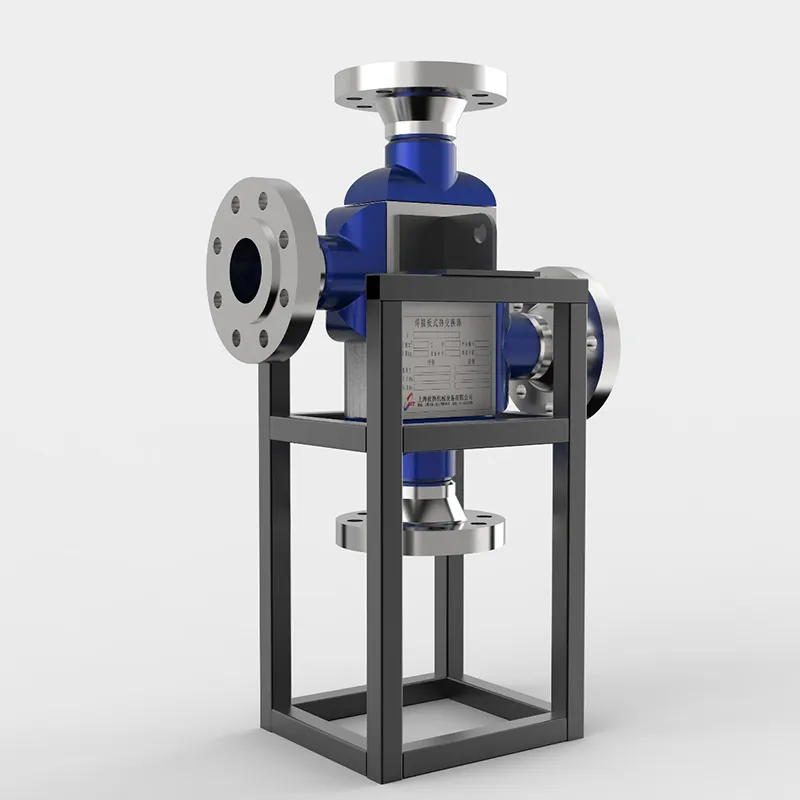
Custom-Engineered Anti-Clogging Solutions for High-Viscosity Slurries: Deployed specifically to conquer severe industrial fouling, SHPHE wide gap welded plate heat exchangers are tailor-built to handle complex media containing dense fibers, coarse crystals, or solid suspensions without clogging. Each non-obstructed channel is calculated and formed by laser-welded plate packs matching your fluid’s exact rheology and grain size, completely eliminating structural "dead zones" and media stagnation. Available in highly compact vertical and versatile horizontal configurations, our vertical engineering drastically reduces plant footprints while maintaining unhindered product throughput, minimal pressure drops, and flawless continuous operations across harsh process loops.
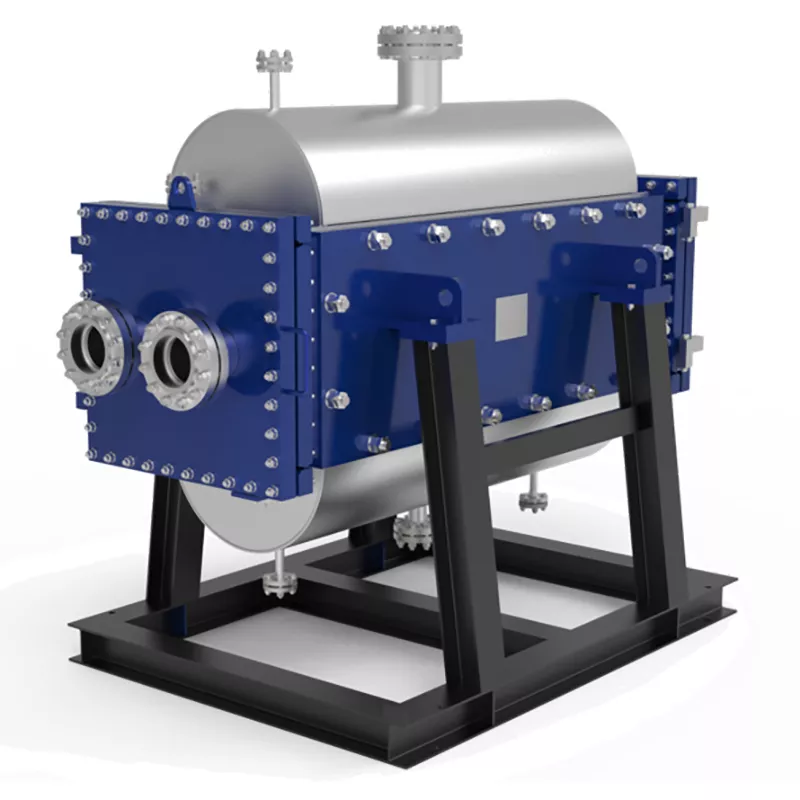
Industrial processes involving particle-laden slurries, high-viscosity syrups, or fiber-rich pulp demand more than standard equipment—they require target-engineered thermal management. At SHPHE, we configure the TP Welded Plate Heat Exchanger to directly conquer your plant's severe fouling, blockage, and erosion threats. Combining custom-tailored channel geometries, wear-resistant metallurgy, and integrated CIP (Cleaning-in-Place) systems, we deliver absolute production continuity where conventional heat exchangers fail.
Since the invention of the plate heat exchanger (PHE) in 1923, thermal technology has evolved from standard food-grade processing to highly complex industrial operations. At SHPHE, we take this classic, versatile design and transform it into highly bespoke heat transfer solutions tailored to your unique process fluids and thermal loads. While traditional gasketed PHEs offer high efficiency and compact footprints, SHPHE optimizes plate corrugations, metallurgy, and sealing systems to handle your specific chemical, HVAC, or energy recovery parameters. Our custom-engineered gasketed plate heat exchangers provide outstanding scalability and ease of maintenance, serving as an indispensable asset for heavy industries—including oil and gas, metallurgy, and food processing—where uptime, energy recovery, and long-term sustainability are top priorities.
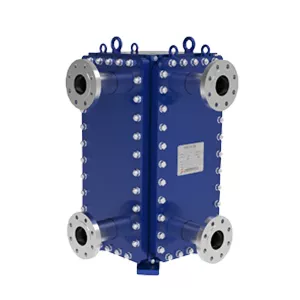
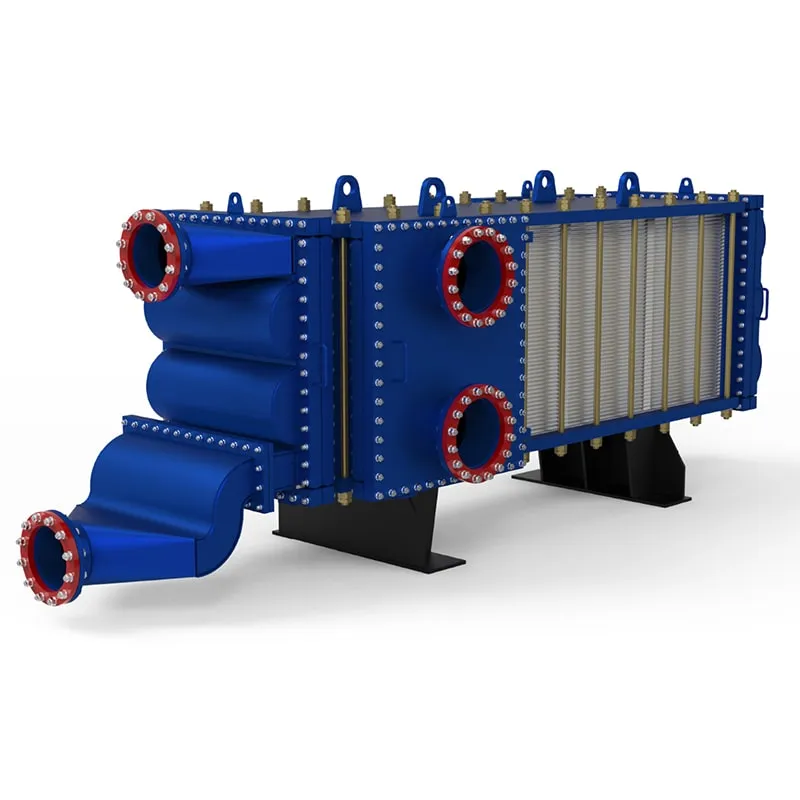
Custom-Engineered for Severe Process Demands. At SHPHE, we don't just supply equipment; we design tailored thermal solutions. Our HT-Bloc welded plate heat exchangers are custom-configured by our experienced engineers to overcome your specific industry challenges—whether handling high-viscosity media, extreme temperatures, or strict space constraints.
Select the most popular foreign trade service products to meet your diverse needs
Custom-Engineered for Severe Process Demands. At SHPHE, we don't just supply equipment; we design tailored thermal solutions. Our HT-Bloc welded plate heat exchangers are custom-configured by our experienced engineers to overcome your specific industry challenges—whether handling high-viscosity media, extreme temperatures, or strict space constraints.
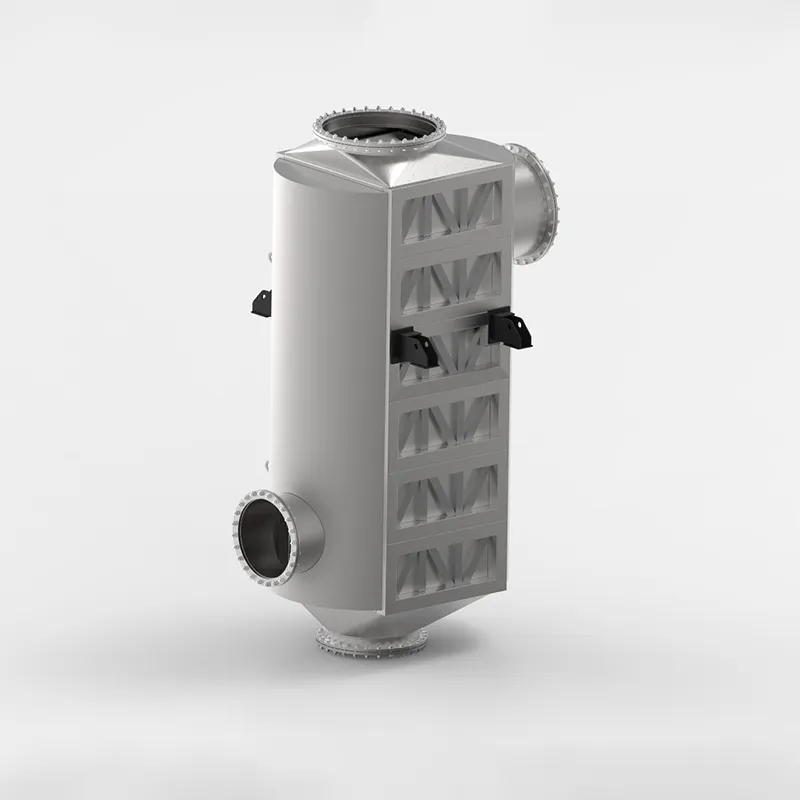
Industrial furnace and boiler exhaust gases carry vast amounts of unutilized thermal energy. The SHPHE custom Plate Air Preheater (PAPH) is target-engineered to intercept this high-temperature flue gas, recovering valuable waste heat and transferring it directly back to incoming combustion air or process gas streams. By substantially elevating the temperature of your flame feed, our custom systems optimize combustion thermodynamics, deliver massive fuel savings, and significantly reduce industrial carbon and emissions footprints. Built to withstand severe flue-gas environments, SHPHE PAPH systems serve as the premier choice for modern, energy-intensive plants prioritizing decarb compliance and maximum thermal efficiency.
Industrial processes involving particle-laden slurries, high-viscosity syrups, or fiber-rich pulp demand more than standard equipment—they require target-engineered thermal management. At SHPHE, we configure the TP Welded Plate Heat Exchanger to directly conquer your plant's severe fouling, blockage, and erosion threats. Combining custom-tailored channel geometries, wear-resistant metallurgy, and integrated CIP (Cleaning-in-Place) systems, we deliver absolute production continuity where conventional heat exchangers fail.



User Comments
Service Experience Sharing from Real Customers
Ethan
Maintenance SupervisorHonestly, I was a bit skeptical when my boss ordered these for our heat exchangers, but they’ve been a game-changer. The dimpled surface gives way more turbulence than I expected, and our transfer rates are up by a solid 15% in the first month. Easy to weld into the frame, too. No leaks so far.
Liam
Brewing TechnicianWe swapped out our old jacket for a pillow plate setup on the fermentation tank, and the temp control is way more even. No more hot spots near the bottom. Only gave it 4 stars because the ports were slightly off-center, but we made it work with a little grinding. Overall, solid buy.
Sophie
HVAC Design EngineerI’ve spec’d these for a few custom chiller projects now. The slim profile is perfect for retrofitting into tight machine cabinets. The stainless finish is clean, and the pressure rating held up during our hydro test at 200 psi. Client was thrilled with the footprint savings.
Mason
Plant OperatorI handle the daily cleanup on our dairy pasteurizers, and these plates are way easier to keep clean than the old tube bundles. The dimples don't trap milk solids as much. We did have a small weld pinhole on one after six months, but the supplier replaced it fast. Still worth it for the efficiency.