 English EN


What Are The Different Types of Plate Heat Exchangers
Plate Heat Exchangers include gasketed, brazed, welded, semi-welded, shell and plate, and specialty types for varied industrial uses.
More
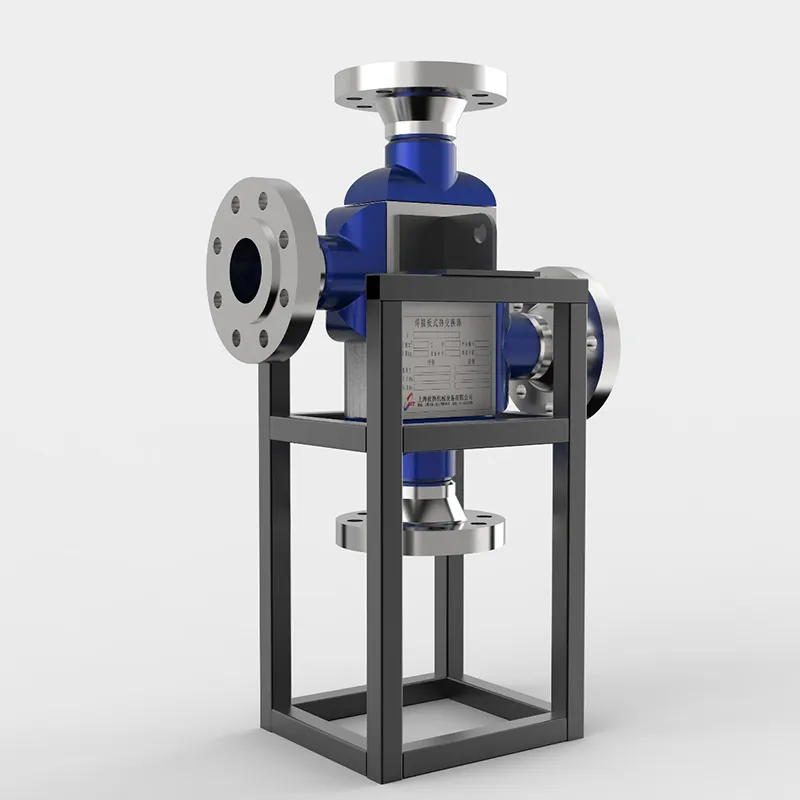
A laser welded pillow plate is fabricated by laser-welding two thin metal sheets along a precise pattern, then inflating the channels to create a pillow-like structure. Unlike traditional dimple plates or embossed surfaces, the laser weld seam is continuous and narrow, producing consistent flow channels with minimal stress concentration. This manufacturing method eliminates the need for gaskets or brazing materials, resulting in a fully welded, single-piece heat transfer surface that handles higher pressures and temperatures than gasketed plate heat exchangers.
Traditional heat transfer surfaces, such as shell-and-tube bundles or stamped plates, often suffer from uneven flow distribution, dead zones, and limited operating windows. The laser welded pillow plate addresses these issues by offering a smooth, uninterrupted fluid path with high turbulence even at low flow rates. This design directly improves the overall heat transfer coefficient (U-value) while reducing fouling tendencies.
The laser welding process creates a deep, narrow fusion zone with a small heat-affected area. This preserves the base material's corrosion resistance and mechanical strength. In contrast, traditional spot welding or seam welding used in pillow plate manufacturing can introduce micro-cracks and residual stresses that shorten service life. Laser welding also allows for tighter weld spacing, which increases the number of heat transfer points per unit area.
Typical parameters for laser welded pillow plates include:
These ranges are industry-generic and commonly accepted for laser welded pillow plate applications in chemical processing, food and beverage, and pharmaceutical industries.
When comparing a laser welded pillow plate to traditional heat transfer surfaces like shell-and-tube or gasketed plate heat exchangers, several performance metrics stand out:
These advantages make the laser welded pillow plate an ideal alternative to traditional gasketed plate heat exchangers in applications where gasket compatibility is a concern, or where frequent maintenance access is impractical.
Laser welded pillow plates are widely used in:
For each application, SHPHE offers free thermal design and selection services. Our product lines include custom engineered pillow plates tailored to your process conditions, as well as HT-Bloc welded plate heat exchangers for high-pressure duties. If your process involves viscous fluids or solids, our wide gap welded plate heat exchangers provide an excellent alternative to traditional surfaces.
SHPHE is a Shanghai-based plate heat exchanger manufacturer founded in 2005, exporting to more than 20 countries. We hold ISO9001 and ASME U certifications, ensuring our laser welded pillow plate products meet international quality standards. Our engineering team provides free thermal design and selection, helping you match the right pillow plate geometry to your flow rate, temperature, pressure, and media requirements.
Our product portfolio includes:
If you are currently using equipment from Alfa Laval, Compabloc, or GEA, our laser welded pillow plate designs are compatible with those mounting and piping arrangements, offering a drop-in alternative with improved thermal performance.
Yes, in many cases. The laser welded pillow plate offers higher thermal efficiency and a smaller footprint. However, for very high-pressure applications above 40 bar or extremely large flow rates, shell-and-tube designs may still be preferred. SHPHE can evaluate your specific process conditions to recommend the best solution.
Common materials include stainless steel 304, 316L, duplex stainless steel, and titanium. For highly corrosive media, nickel alloys such as Hastelloy or Inconel can also be laser welded. Material selection depends on the fluid chemistry and operating temperature.
Most units are designed for clean-in-place (CIP) procedures. The smooth internal channels allow effective circulation of cleaning agents. For heavy fouling, mechanical cleaning is possible by accessing the headers, but the welded construction eliminates the need for gasket replacement after each cleaning cycle.
Standard lead times range from 6 to 12 weeks, depending on material availability and complexity. SHPHE offers expedited manufacturing for urgent projects. Contact our sales team with your required delivery date for a specific timeline.
Absolutely. The fully welded design has no gaskets or crevices where bacteria can accumulate. The surface finish can be specified to meet 3A or EHEDG standards, making it ideal for dairy, beverage, and pharmaceutical processes requiring sanitary conditions.
Initial capital cost for a laser welded pillow plate is often comparable to a gasketed plate heat exchanger and lower than a shell-and-tube unit made from exotic alloys. When factoring in reduced maintenance, longer service life, and lower energy consumption, the total cost of ownership is typically 15–25% lower over a five-year period.
To receive a tailored proposal for a laser welded pillow plate heat exchanger, please provide the following details to our engineering team:
Our team will perform a free thermal design and selection, ensuring the laser welded pillow plate meets your process requirements. Contact SHPHE today to discuss your next heat transfer project.
For process engineers seeking a reliable, high-efficiency heat transfer surface, the laser welded pillow plate from SHPHE delivers proven performance across demanding applications. Whether you are upgrading existing equipment or designing a new system, this technology offers a clear advantage over traditional heat transfer surfaces.
We provide you with comprehensive foreign trade solutions to help enterprises achieve global development
Originated in the mid-20th century to bypass the manufacturing bottlenecks and weight limitations of standard jacketed thermal components, the Pillow Plate (also known as a dimple plate or embossed plate) has revolutionized precision fluid-wall engineering. At SHPHE, we take this highly flexible technology and elevate it into a core foundation for bespoke industrial heat transfer integration. By utilizing state-of-the-art automated CNC fiber laser welding, our engineers customize the mechanical inflation profiles and spot pitch grids to directly match your specific fluid dynamics, pressure limits, and vessel configurations. Today, SHPHE's custom pillow plates are indispensable assets for worldwide processing plants prioritizing advanced thermal performance, zero-leak safety, and hygienic processing—serving as the definitive solution across food, pharmaceutical, chemical, and bulk solids cooling sectors.
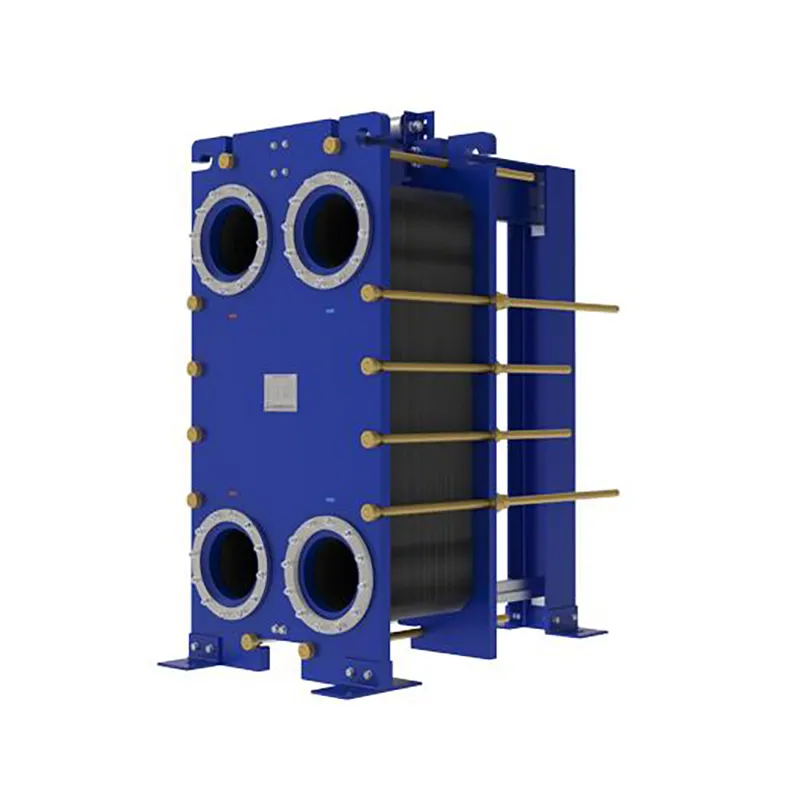
Since the invention of the plate heat exchanger (PHE) in 1923, thermal technology has evolved from standard food-grade processing to highly complex industrial operations. At SHPHE, we take this classic, versatile design and transform it into highly bespoke heat transfer solutions tailored to your unique process fluids and thermal loads. While traditional gasketed PHEs offer high efficiency and compact footprints, SHPHE optimizes plate corrugations, metallurgy, and sealing systems to handle your specific chemical, HVAC, or energy recovery parameters. Our custom-engineered gasketed plate heat exchangers provide outstanding scalability and ease of maintenance, serving as an indispensable asset for heavy industries—including oil and gas, metallurgy, and food processing—where uptime, energy recovery, and long-term sustainability are top priorities.
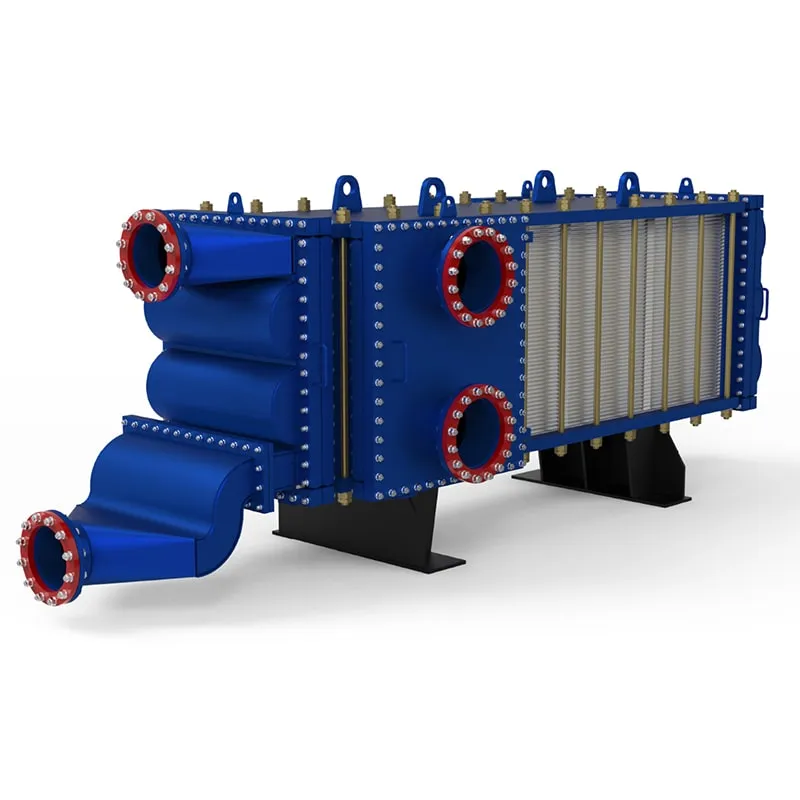
Custom-Engineered Anti-Clogging Solutions for High-Viscosity Slurries: Deployed specifically to conquer severe industrial fouling, SHPHE wide gap welded plate heat exchangers are tailor-built to handle complex media containing dense fibers, coarse crystals, or solid suspensions without clogging. Each non-obstructed channel is calculated and formed by laser-welded plate packs matching your fluid’s exact rheology and grain size, completely eliminating structural "dead zones" and media stagnation. Available in highly compact vertical and versatile horizontal configurations, our vertical engineering drastically reduces plant footprints while maintaining unhindered product throughput, minimal pressure drops, and flawless continuous operations across harsh process loops.
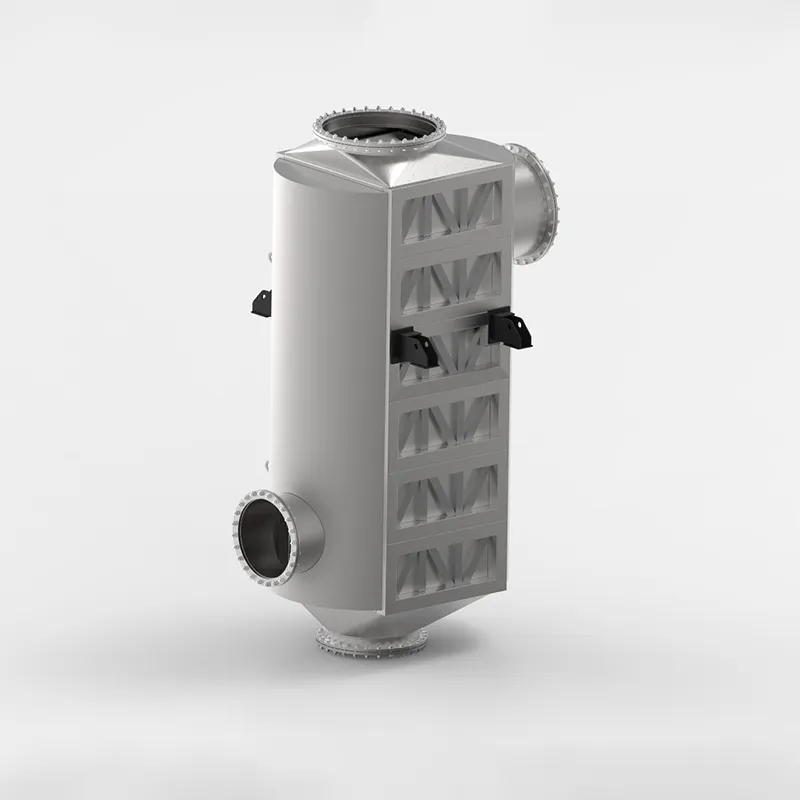
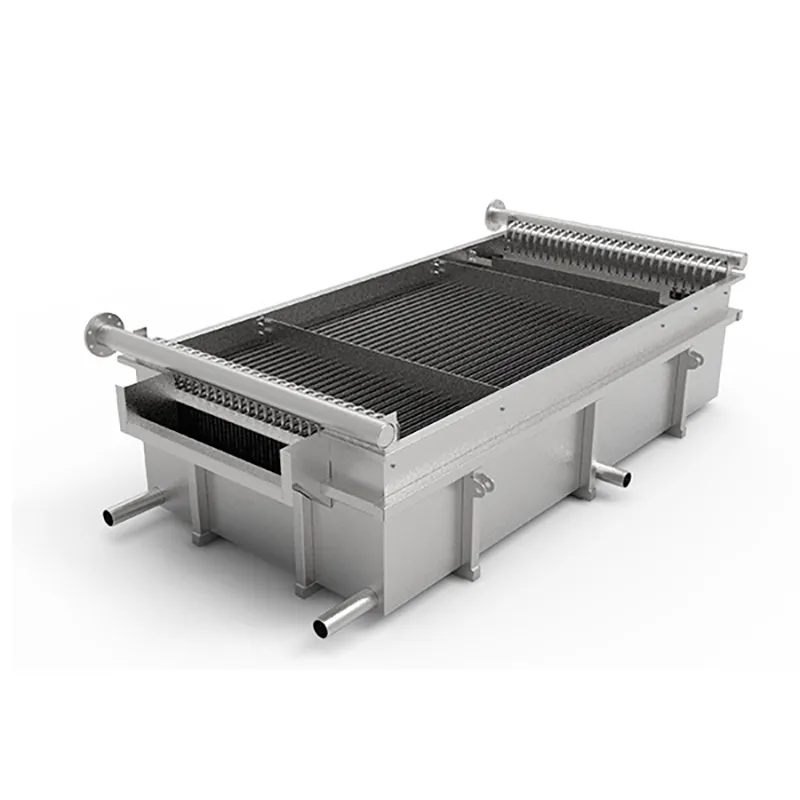
Industrial furnace and boiler exhaust gases carry vast amounts of unutilized thermal energy. The SHPHE custom Plate Air Preheater (PAPH) is target-engineered to intercept this high-temperature flue gas, recovering valuable waste heat and transferring it directly back to incoming combustion air or process gas streams. By substantially elevating the temperature of your flame feed, our custom systems optimize combustion thermodynamics, deliver massive fuel savings, and significantly reduce industrial carbon and emissions footprints. Built to withstand severe flue-gas environments, SHPHE PAPH systems serve as the premier choice for modern, energy-intensive plants prioritizing decarb compliance and maximum thermal efficiency.
Select the most popular foreign trade service products to meet your diverse needs
Industrial furnace and boiler exhaust gases carry vast amounts of unutilized thermal energy. The SHPHE custom Plate Air Preheater (PAPH) is target-engineered to intercept this high-temperature flue gas, recovering valuable waste heat and transferring it directly back to incoming combustion air or process gas streams. By substantially elevating the temperature of your flame feed, our custom systems optimize combustion thermodynamics, deliver massive fuel savings, and significantly reduce industrial carbon and emissions footprints. Built to withstand severe flue-gas environments, SHPHE PAPH systems serve as the premier choice for modern, energy-intensive plants prioritizing decarb compliance and maximum thermal efficiency.
Custom-Engineered Anti-Clogging Solutions for High-Viscosity Slurries: Deployed specifically to conquer severe industrial fouling, SHPHE wide gap welded plate heat exchangers are tailor-built to handle complex media containing dense fibers, coarse crystals, or solid suspensions without clogging. Each non-obstructed channel is calculated and formed by laser-welded plate packs matching your fluid’s exact rheology and grain size, completely eliminating structural "dead zones" and media stagnation. Available in highly compact vertical and versatile horizontal configurations, our vertical engineering drastically reduces plant footprints while maintaining unhindered product throughput, minimal pressure drops, and flawless continuous operations across harsh process loops.
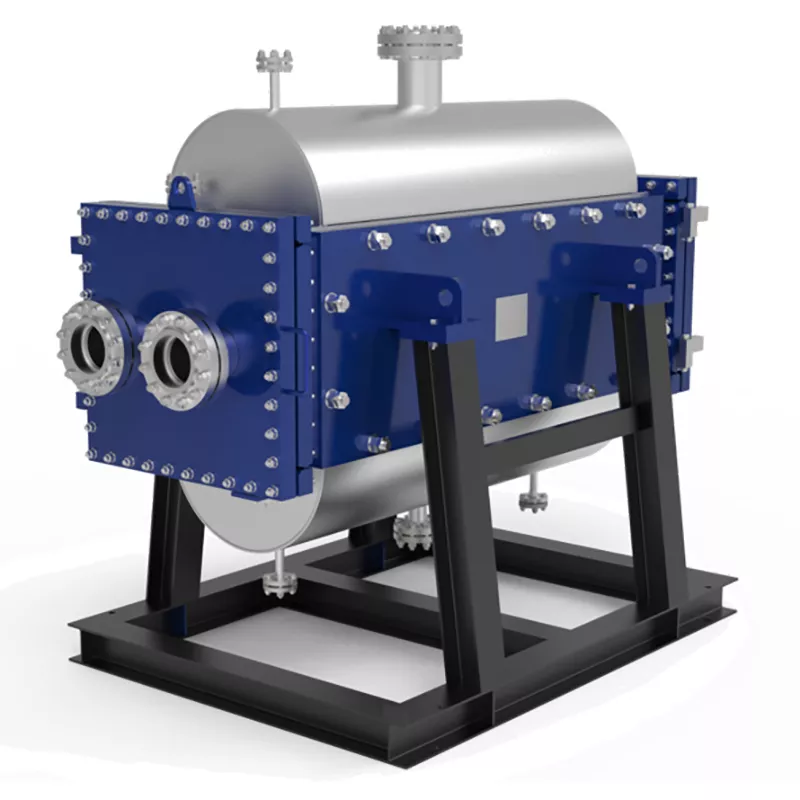
Industrial processes involving particle-laden slurries, high-viscosity syrups, or fiber-rich pulp demand more than standard equipment—they require target-engineered thermal management. At SHPHE, we configure the TP Welded Plate Heat Exchanger to directly conquer your plant's severe fouling, blockage, and erosion threats. Combining custom-tailored channel geometries, wear-resistant metallurgy, and integrated CIP (Cleaning-in-Place) systems, we deliver absolute production continuity where conventional heat exchangers fail.



User Comments
Service Experience Sharing from Real Customers
Ethan
Maintenance SupervisorWe swapped out our old dimple plates for these laser welded pillow plates in the evaporator section. The weld quality is visibly cleaner, and the flow channels are more consistent. It's been three months of heavy use with no leaks or fatigue cracks. Installation was a breeze too. Highly recommend for any thermal processing setup.
Maria
Process EngineerI'm usually skeptical of new heat transfer panel designs, but these impressed me. The laser welding gives a much smoother surface than traditional spot welds, which means less fouling in our brewery. Only gave four stars because the lead time was a bit longer than quoted, but the product itself is solid.
Oscar
Field Service TechnicianI've installed dozens of heat exchanger panels over the years, and these laser welded pillow plates are the best I've handled. The welds are incredibly uniform, and the plates are dead flat. No warping issues like you get with cheaper hydroformed panels. My customer was stoked with the performance on their glycol loop.
Clara
Research ScientistWe're using these in a pilot-scale reactor for polymer heating. The laser welded construction gives us excellent pressure handling and uniform temperature distribution across the panel surface. The data logging showed much tighter temperature control compared to our previous jacketed setup. Exactly what we needed for sensitive reactions.