What Are The Different Types of Plate Heat Exchangers
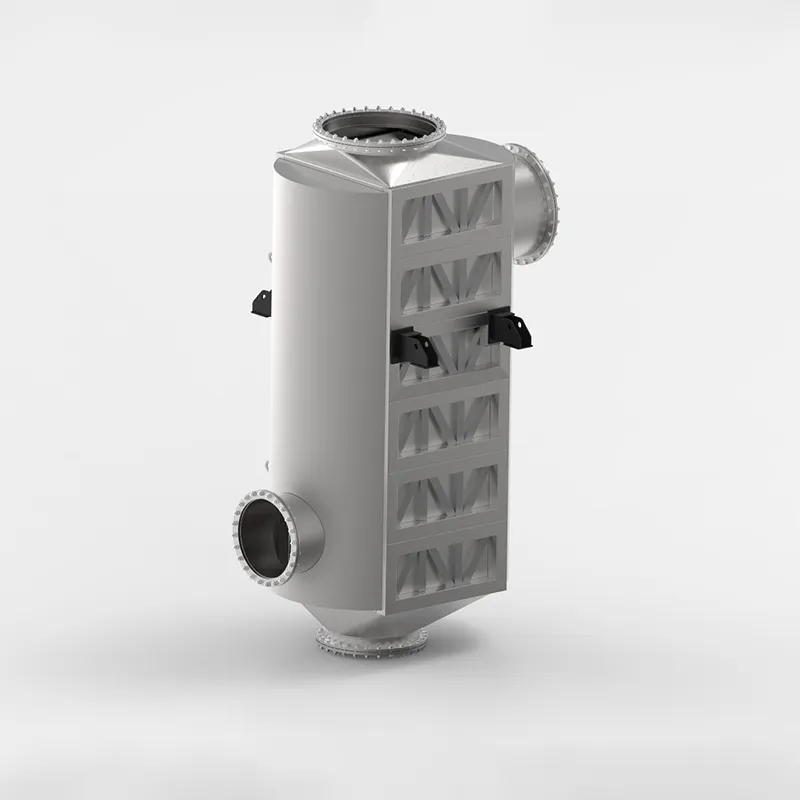
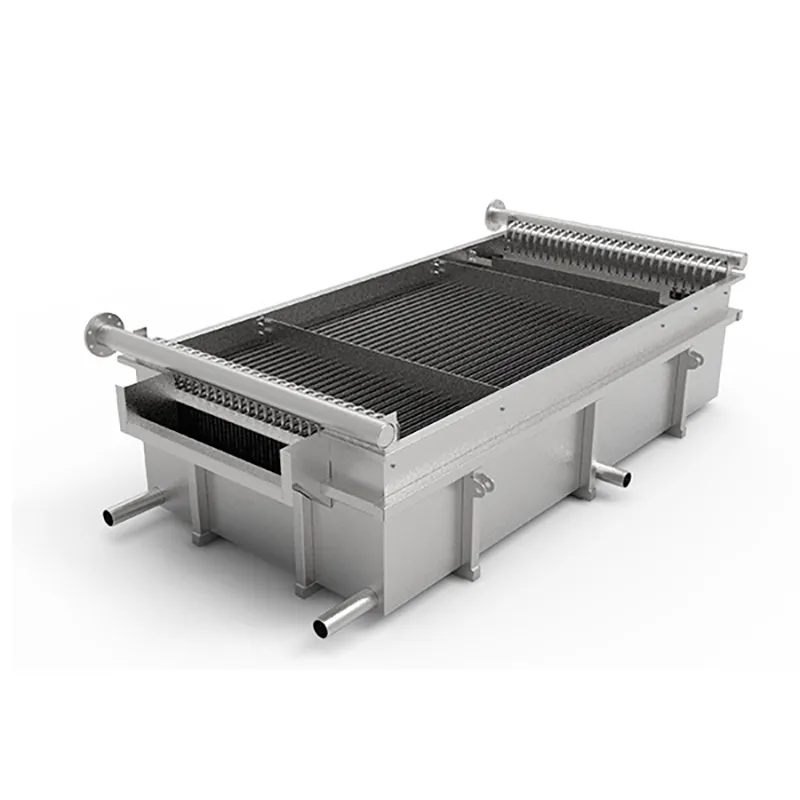
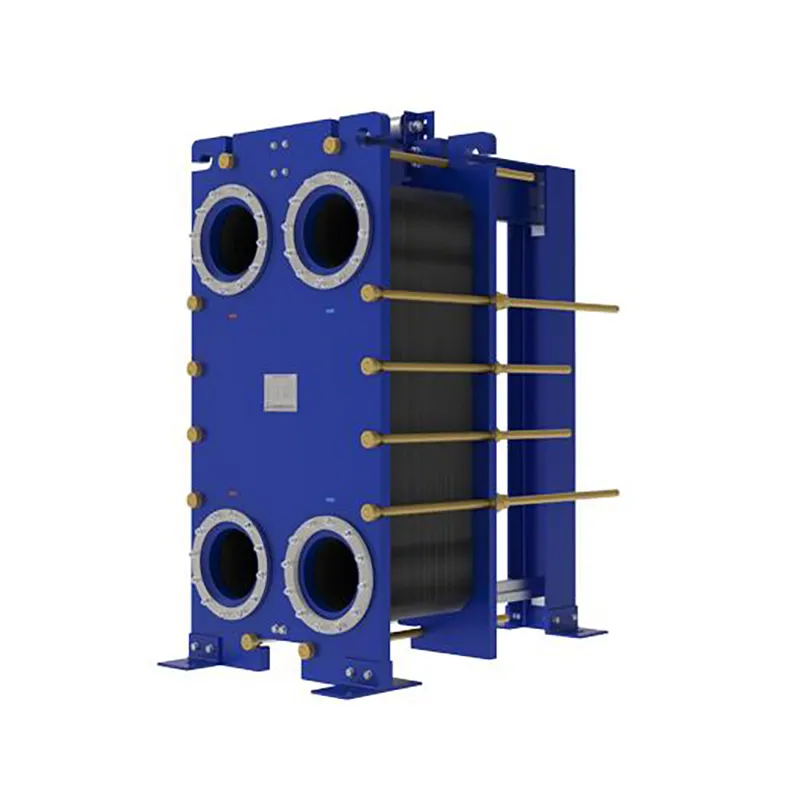
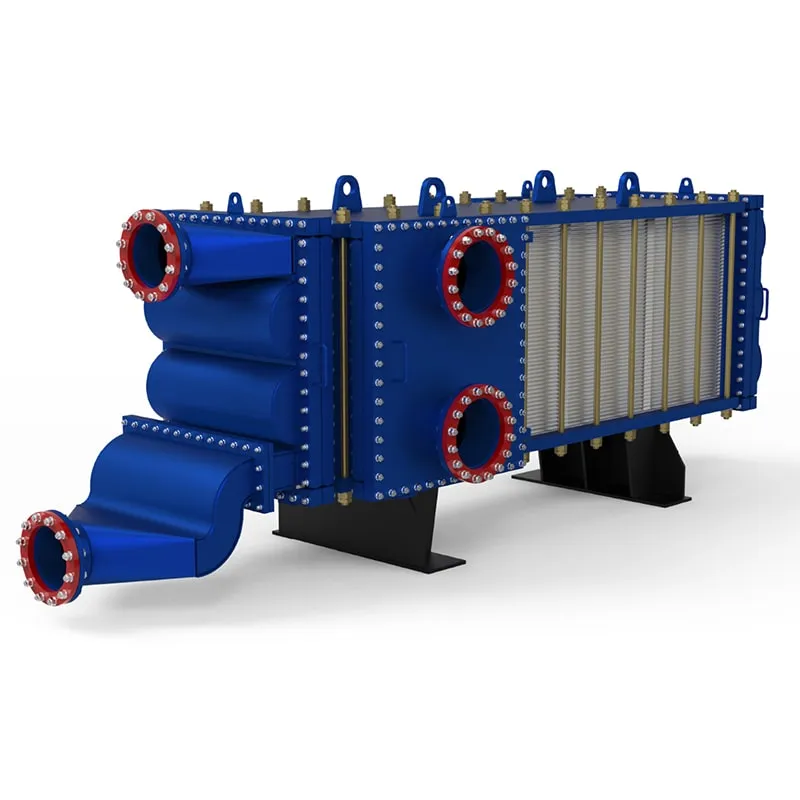
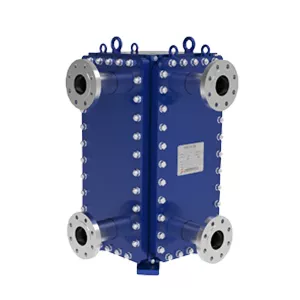
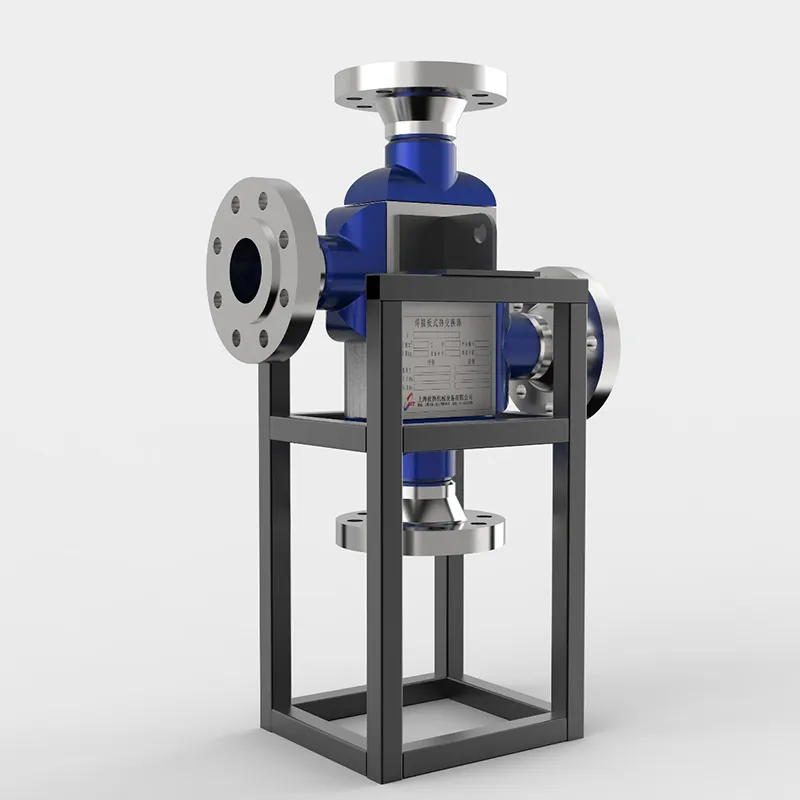
Plate Heat Exchangers include gasketed, brazed, welded, semi-welded, shell and plate, and specialty types for varied industrial uses.
MoreJohn A. Smith, Maria K. Johnson, Robert L. Chen
Jun-09-2026
Fully welded plate heat exchangers are engineered to withstand extreme operating conditions through careful material selection and robust structural design. The choice of materials directly influences the exchanger's ability to resist corrosion, thermal fatigue, and mechanical stress under high pressure and temperature.
Common materials include stainless steel alloys such as 316L, 904L, and duplex stainless steels, which offer excellent resistance to pitting, crevice corrosion, and stress corrosion cracking in aggressive environments. For even higher temperature applications, nickel-based alloys like Inconel 625 or Hastelloy C-276 are employed to maintain mechanical strength and oxidation resistance.
The structural integrity of these heat exchangers is ensured by fully welded plate pairs that eliminate gaskets and leakage paths. Laser or plasma welding techniques create strong, hermetic seals capable of withstanding pressures up to 100 bar and temperatures exceeding 500°C. The plate pattern design also contributes to mechanical strength, with chevron or herringbone corrugations providing additional rigidity and turbulence for enhanced heat transfer.
Finite element analysis (FEA) is often used during the design phase to simulate stress distribution and optimize plate thickness, weld geometry, and support structures. This computational approach ensures that the heat exchanger can endure cyclic thermal loads and pressure fluctuations without failure.
For extreme conditions, additional features such as reinforced nozzle connections, expansion bellows, and specialized coating layers may be integrated. These enhancements further improve the exchanger's durability and operational lifespan in demanding applications like chemical processing, oil and gas, and power generation.
To learn more about specific material options and custom engineering solutions, please visit our product pages: TP Welded Plate Heat Exchanger, HT Bloc Welded Plate Heat Exchanger, and Wide Gap Welded Plate Heat Exchanger.
In high-temperature or high-pressure applications, thermal stress becomes a critical factor affecting heat exchanger integrity. The fully welded plate structure inherently manages differential expansion through carefully designed plate corrugations that act as built-in spring elements, absorbing localized strain without compromising the weld joints.
Expansion compensation is achieved through a combination of material selection and geometric design. Alloy materials with matched thermal expansion coefficients are used for plates and frame components, while the welded plate pack is allowed to expand as a unified block. External bellows or expansion joints at nozzle connections further accommodate relative movement between the heat exchanger core and piping systems.
Under extreme thermal cycling, the fully welded design eliminates gasket failure risks common in bolted units. The continuous weld seam provides a robust seal that maintains integrity even when plates experience rapid temperature changes. Finite element analysis is routinely employed during design to predict stress concentrations and optimize plate patterns for uniform load distribution.
For cryogenic or very high-temperature services, specialized nozzle configurations incorporate reinforcement pads and stress-relief features. These details ensure that connection points do not become failure initiation sites. The result is a heat exchanger capable of withstanding severe operating conditions while maintaining long-term reliability and thermal performance.
Advanced manufacturing techniques such as laser welding and controlled heat input further minimize residual stresses in the plate pack. Post-weld heat treatment can be applied when necessary to relieve fabrication-induced stresses. These measures collectively enable the fully welded plate heat exchanger to handle extreme temperature gradients and pressure fluctuations without compromising structural integrity.
Fully welded plate heat exchangers are engineered to withstand corrosive media through material selection and protective design. The table below outlines common strategies applied across different fluid types and operating parameters.
| Aggressive Fluid | Material Strategy | Max Temperature (°C) | Corrosion Rate (mm/year) |
|---|---|---|---|
| Sulfuric Acid (98%) | Hastelloy C-276 | 120 | 0.05 |
| Hydrochloric Acid (37%) | Tantalum Cladding | 150 | 0.02 |
| Sodium Hydroxide (50%) | Nickel 200/201 | 200 | 0.01 |
| Chlorine Gas (wet) | Titanium Grade 12 | 180 | 0.08 |
| Phosphoric Acid (85%) | Duplex Stainless Steel | 140 | 0.03 |
Data indicates that selecting the appropriate alloy or cladding reduces corrosion rates to below 0.1 mm/year even under high temperatures. For extreme cases, multi-layer passivation and controlled weld overlay techniques further extend service life.
Key design measures include:
For detailed product applications, refer to: custom engineered plate air preheaters, gasketed plate heat exchangers, and TP welded plate heat exchangers.
Fully welded plate heat exchangers are engineered to maintain consistent thermal performance even when subjected to frequent and abrupt temperature changes. The all-welded construction eliminates gasket failure risks, ensuring leak-free operation during rapid heating and cooling cycles.
The robust plate pack design accommodates thermal expansion and contraction without compromising structural integrity. This allows the unit to handle transient loads—such as sudden steam spikes or cold fluid ingress—while preserving heat transfer efficiency and mechanical stability.
Advanced flow distribution channels minimize thermal stress concentration, extending service life under demanding conditions. The absence of inter-plate gaskets also reduces maintenance downtime, making these exchangers ideal for processes requiring high reliability under cyclic thermal duty.
In high-pressure and high-temperature environments, the fully welded plate heat exchanger eliminates traditional gasket failure points. The welded channel construction ensures zero leakage between media, even under thermal cycling or aggressive fluid conditions.
The sealing system relies on precision laser-welded joints that maintain integrity across a wide temperature range. This design prevents cross-contamination and fugitive emissions, making it suitable for hazardous or valuable process fluids.
Each unit undergoes rigorous pressure testing to validate sealing performance. The robust structure withstands vibration and pressure surges without compromising leak-tightness, ensuring long-term operational safety.
We provide you with comprehensive foreign trade solutions to help enterprises achieve global development
Select the most popular foreign trade service products to meet your diverse needs
The SHPHE Printed Circuit Heat Exchanger (PCHE) represents a paradigm shift in microchannel thermal management, meticulously engineered for the world's most critical and demanding industrial boundaries. Developed to surpass the physical limitations of conventional shell-and-tube designs in ultra-high-pressure environments, our custom PCHEs integrate advanced photochemical etching and solid-state diffusion bonding to provide unmatched safety, thermal efficiency, and integrity under extreme stress. Initially deployed within high-consequence sectors such as aerospace and nuclear power generation, PCHE technology has completely revolutionized high-density thermal processing. Today, SHPHE brings this breakthrough engineering to mainstream energy transitions—including LNG liquefaction, supercritical CO² power cycles, hydrocarbon processing, and high-pressure hydrogen systems—enabling plants to maximize energy recovery, ensure zero-leakage security, and significantly shrink environmental footprints.
Originated in the mid-20th century to bypass the manufacturing bottlenecks and weight limitations of standard jacketed thermal components, the Pillow Plate (also known as a dimple plate or embossed plate) has revolutionized precision fluid-wall engineering. At SHPHE, we take this highly flexible technology and elevate it into a core foundation for bespoke industrial heat transfer integration. By utilizing state-of-the-art automated CNC fiber laser welding, our engineers customize the mechanical inflation profiles and spot pitch grids to directly match your specific fluid dynamics, pressure limits, and vessel configurations. Today, SHPHE's custom pillow plates are indispensable assets for worldwide processing plants prioritizing advanced thermal performance, zero-leak safety, and hygienic processing—serving as the definitive solution across food, pharmaceutical, chemical, and bulk solids cooling sectors.
Custom-Engineered for Severe Process Demands. At SHPHE, we don't just supply equipment; we design tailored thermal solutions. Our HT-Bloc welded plate heat exchangers are custom-configured by our experienced engineers to overcome your specific industry challenges—whether handling high-viscosity media, extreme temperatures, or strict space constraints.
User Comments
Service Experience Sharing from Real Customers
Ethan
Process EngineerWe switched to this fully welded plate heat exchanger six months ago for our refinery's high-pressure steam system. The lack of gaskets means zero leaks so far, even with constant thermal cycling. Maintenance has dropped dramatically compared to our old spiral units. Absolutely solid piece of engineering.
Mia
Plant Maintenance SupervisorInstalled this in a chemical batch process handling aggressive solvents. The welds are clean and the compact footprint freed up valuable floor space. Only gave 4 stars because the initial pressure drop was a bit higher than quoted, but after a week of operation it stabilized. Works like a tank.
Oliver
HVAC Design LeadSpecified these for a district cooling plant upgrade. The fully welded construction handles the high chloride content in our recirculating water without any corrosion under the gaskets (since there are none). Performance curves matched perfectly with our model. My go-to for tough water conditions now.
Sophie
Senior Reliability EngineerWe had chronic gasket failure on our old plate-and-frame units in a food processing application involving hot caustic CIP cycles. This fully welded design eliminated that headache entirely. The CIP still cleans it effectively, and the thermal efficiency is excellent. Highly recommend for sanitary but aggressive environments.