 English EN


What Are The Different Types of Plate Heat Exchangers
Plate Heat Exchangers include gasketed, brazed, welded, semi-welded, shell and plate, and specialty types for varied industrial uses.
More
The welded plate heat exchanger (PHE) achieves high-pressure resistance through a robust structural design that eliminates gaskets and relies on fully welded plate pairs. The core structure consists of corrugated plates laser-welded together at the edges, forming channels that withstand internal pressure without leakage. This all-welded construction allows the unit to operate at pressures exceeding 40 bar, with some custom designs handling up to 100 bar.
Material selection is critical for maintaining integrity under high pressure and temperature. Standard materials include 316L stainless steel, which offers good tensile strength and corrosion resistance up to 400°C. For more demanding applications, duplex stainless steels (e.g., SAF 2205) or nickel alloys (e.g., Inconel 625) are employed, providing enhanced yield strength and creep resistance at elevated temperatures.
The plate geometry is optimized with deep corrugation patterns and reinforced port areas to distribute stress evenly. Thicker plate gauges (0.6–1.2 mm) are used in high-pressure zones, while the welded seam design undergoes rigorous finite element analysis (FEA) to ensure fatigue life under cyclic thermal and pressure loads.
Additional reinforcement includes external tie bolts and frame plates that compress the plate pack, preventing deformation. For extreme high-pressure applications, the heat exchanger is housed in a pressure vessel shell, with the welded core acting as a removable bundle. This hybrid design combines the compactness of plate technology with the pressure capacity of shell-and-tube systems.
Quality control during manufacturing involves hydrostatic testing at 1.5 times the design pressure and helium leak detection to verify weld integrity. These measures ensure that the welded PHE reliably handles high-pressure and high-temperature operations across industries such as chemical processing, oil and gas, and power generation.
For more detailed technical specifications and custom engineering solutions, please refer to our product pages: HT-Bloc Welded Plate Heat Exchanger, TP Welded Plate Heat Exchanger, and Custom Engineered Printed Circuit Heat Exchanger.
Welded plate heat exchangers (PHEs) operating under high-pressure and high-temperature conditions face significant thermal expansion challenges. The rigid welded structure, while providing excellent leak-proof performance, requires sophisticated stress management to prevent material fatigue and failure. Advanced design strategies incorporate expansion bellows, flexible plate packs, and controlled material selection to accommodate differential thermal growth between the core and the shell.
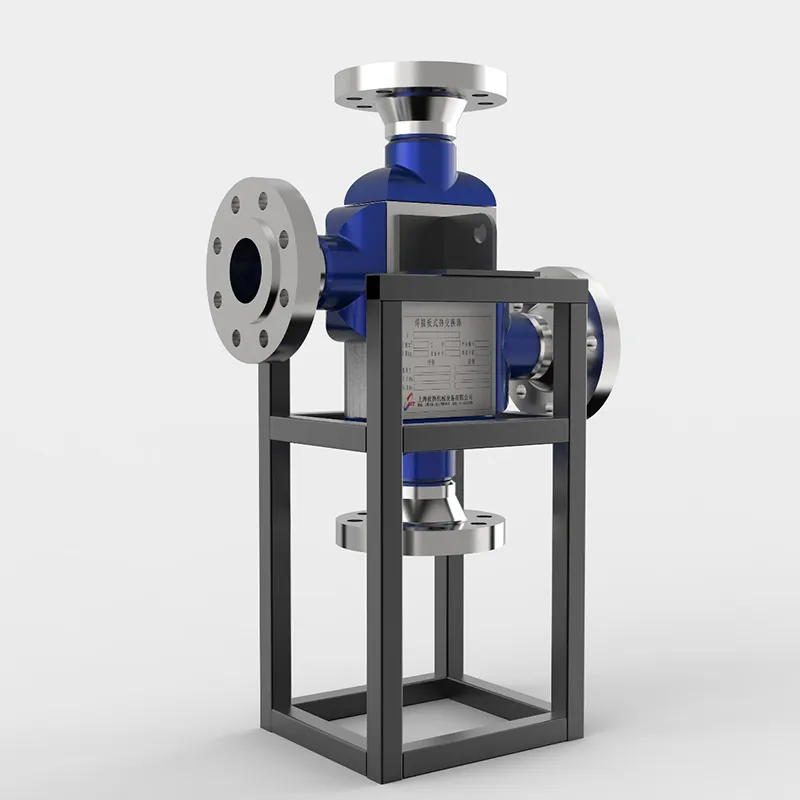
Key mechanisms include the use of corrugated plate patterns that act as built-in springs, absorbing thermal expansion without compromising heat transfer efficiency. Additionally, multi-pass flow arrangements distribute temperature gradients more evenly, reducing localized stress concentrations. For extreme conditions, external expansion joints or sliding supports are integrated into the frame to allow controlled movement while maintaining structural integrity.
Finite element analysis (FEA) is routinely employed during the design phase to predict stress distribution and optimize plate thickness, channel geometry, and weld patterns. This ensures that the welded PHE can reliably withstand repeated thermal cycling and sustained high-pressure operation, delivering long service life in demanding industrial applications such as chemical processing, power generation, and oil refining.
Welded plate heat exchangers (PHEs) employ advanced sealing mechanisms to maintain integrity under extreme pressure and temperature conditions. Unlike gasketed designs, welded PHEs eliminate elastomeric seals by utilizing laser or electron beam welding along plate edges, creating a metal-to-metal bond that withstands thermal cycling and mechanical stress without degradation.
The primary sealing technology relies on controlled compression of the plate pack through bolted frames, combined with welded channel closures. This dual approach ensures that leakage paths are minimized even when operating at pressures exceeding 30 bar and temperatures above 300°C. The welded joints are designed to accommodate differential thermal expansion between plates, preventing stress concentration and fatigue failure.
For high-parameter applications, additional leakage prevention measures include double-walled plate designs and intermediate leakage detection channels. These features allow for early warning of potential seal failure without interrupting production. The table below summarizes the key sealing performance parameters for typical welded PHE configurations.
| Parameter | Standard Range | High-Performance Range | Test Method |
|---|---|---|---|
| Maximum Operating Pressure | 25 – 30 bar | 35 – 50 bar | Hydrostatic Test |
| Maximum Operating Temperature | 250 – 300°C | 350 – 450°C | Thermal Cycling Test |
| Leakage Rate (per channel) | ≤ 1.0 × 10⁻⁴ mbar·L/s | ≤ 1.0 × 10⁻⁶ mbar·L/s | Helium Leak Test |
| Weld Joint Fatigue Life | > 10⁵ cycles | > 10⁶ cycles | Cyclic Pressure Test |
The data indicates that welded PHEs achieve leakage rates several orders of magnitude lower than conventional gasketed designs, particularly in the high-performance range. This is attributed to the elimination of elastomeric seals and the use of precision-welded joints that maintain their sealing force over extended operational periods.
For applications requiring absolute leakage prevention, such as in chemical processing or high-temperature heat recovery, additional sealing technologies can be integrated. These include double containment systems and welded bellows expansion joints that accommodate thermal movement while maintaining a hermetic seal. The selection of appropriate sealing technology depends on the specific operating parameters and the criticality of leakage prevention in the process.
Learn more about specific welded PHE designs: HT-Bloc Welded Plate Heat Exchanger, TP Welded Plate Heat Exchanger, and Wide Gap Welded Plate Heat Exchanger.
Elevated operating temperatures significantly influence both the thermal performance and flow behavior within a welded plate heat exchanger. As temperature rises, the viscosity of most fluids decreases, which can enhance turbulence and improve convective heat transfer coefficients. However, this benefit is often counterbalanced by increased thermal stresses and potential fouling rates. The material selection for plates and gaskets becomes critical, as high temperatures can degrade sealing integrity and reduce mechanical strength. Additionally, the temperature differential between hot and cold sides drives the overall heat flux, but excessive temperatures may lead to localized boiling or phase changes, altering the fluid dynamics and potentially causing uneven flow distribution. Proper thermal management and robust design are essential to maintain efficiency and operational stability under high-temperature conditions.
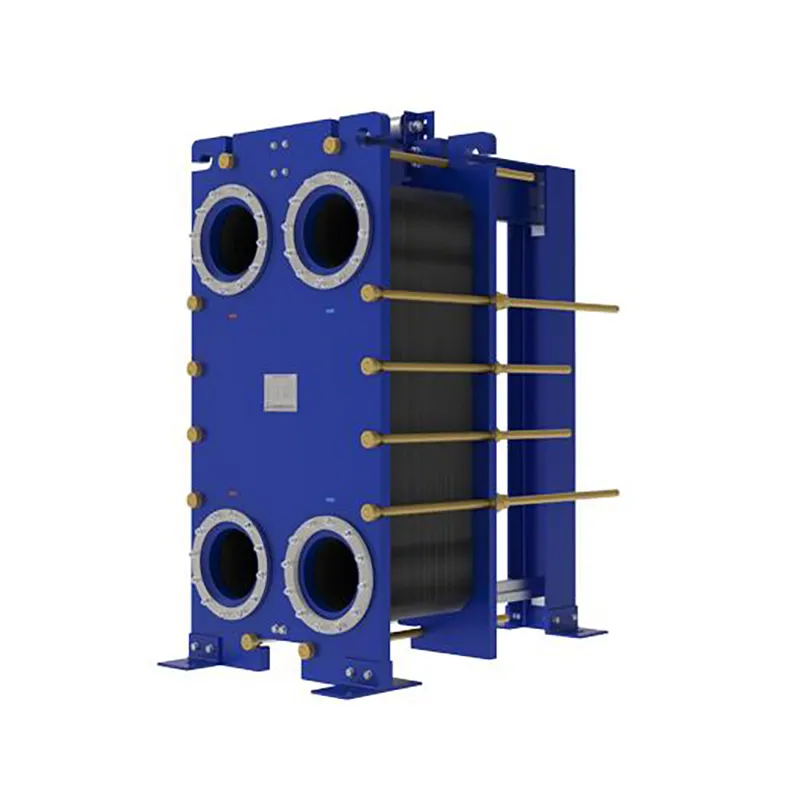
In high-temperature regimes, the heat transfer efficiency is directly affected by changes in fluid properties such as thermal conductivity and specific heat capacity. For instance, gases and oils exhibit reduced density and increased thermal conductivity at higher temperatures, which can enhance heat exchange rates. Conversely, the formation of vapor bubbles or thermal boundary layers may disrupt flow patterns, leading to pressure drop fluctuations and reduced overall effectiveness. The welded construction of the PHE provides superior resistance to thermal cycling compared to gasketed designs, minimizing leakage risks and maintaining consistent fluid paths. Advanced computational fluid dynamics (CFD) simulations are often employed to predict temperature distributions and optimize channel geometries, ensuring that the exchanger operates within safe thermal limits while maximizing energy recovery.
Welded plate heat exchangers are engineered to withstand severe thermal and mechanical stresses. Their construction eliminates gaskets, reducing leakage risks and enabling operation at pressures exceeding 40 bar and temperatures beyond 350°C, depending on material selection.
The all-welded design provides superior structural integrity. Fully welded plate pairs and laser-welded seams allow the unit to handle high differential pressures without plate deformation. For extreme high-pressure applications, custom-engineered options such as printed circuit heat exchangers offer enhanced durability.
Welded PHEs perform reliably in high-temperature environments due to the absence of elastomeric seals. Materials such as stainless steel, titanium, and nickel alloys are selected based on thermal cycling requirements. For processes involving aggressive thermal gradients, HT-Bloc welded plate heat exchangers are specifically designed to maintain performance under sustained high heat.
Safety in extreme conditions depends on proper material selection, pressure relief systems, and thermal expansion management. Regular inspection of weld integrity is critical. For applications with fouling or viscous fluids, wide-gap welded plate heat exchangers reduce clogging risks while maintaining structural safety.
Custom engineering allows for tailored solutions. For high-pressure gas or liquid applications, TP welded plate heat exchangers provide robust construction. In scenarios requiring enhanced surface area and heat recovery, custom-engineered pillow plates offer flexible design options. For air preheating duties, plate air preheaters are optimized for thermal efficiency and structural reliability.
While welded PHEs are robust, each design has defined limits. Pressure and temperature ratings must be cross-referenced with the specific model. For gasketed alternatives in less extreme conditions, gasketed plate heat exchangers provide a cost-effective solution. Always consult technical datasheets to ensure the selected unit meets the required safety margins.
We provide you with comprehensive foreign trade solutions to help enterprises achieve global development
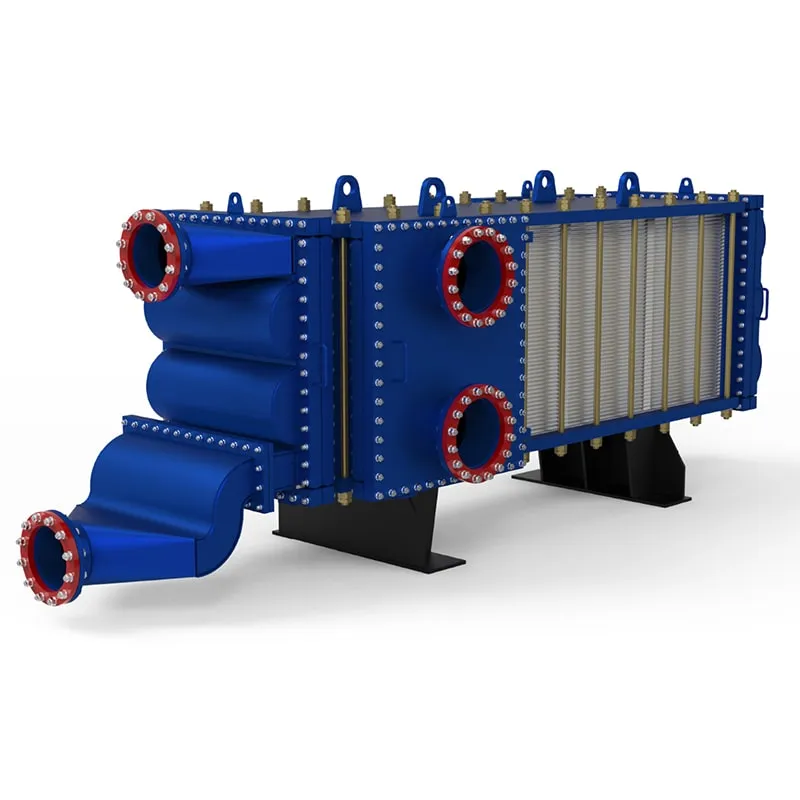
Custom-Engineered Anti-Clogging Solutions for High-Viscosity Slurries: Deployed specifically to conquer severe industrial fouling, SHPHE wide gap welded plate heat exchangers are tailor-built to handle complex media containing dense fibers, coarse crystals, or solid suspensions without clogging. Each non-obstructed channel is calculated and formed by laser-welded plate packs matching your fluid’s exact rheology and grain size, completely eliminating structural "dead zones" and media stagnation. Available in highly compact vertical and versatile horizontal configurations, our vertical engineering drastically reduces plant footprints while maintaining unhindered product throughput, minimal pressure drops, and flawless continuous operations across harsh process loops.
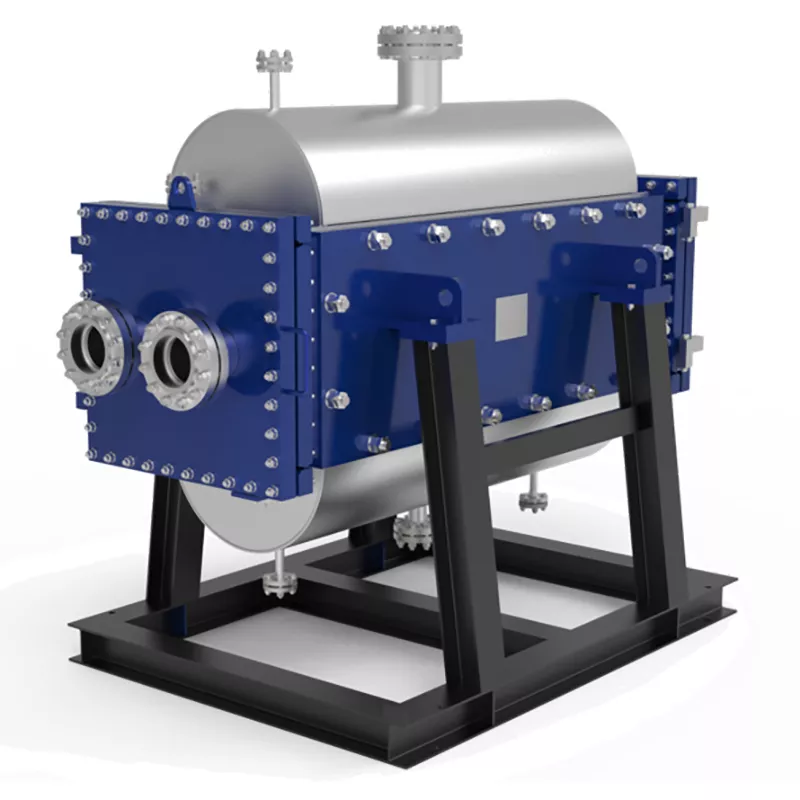
Industrial processes involving particle-laden slurries, high-viscosity syrups, or fiber-rich pulp demand more than standard equipment—they require target-engineered thermal management. At SHPHE, we configure the TP Welded Plate Heat Exchanger to directly conquer your plant's severe fouling, blockage, and erosion threats. Combining custom-tailored channel geometries, wear-resistant metallurgy, and integrated CIP (Cleaning-in-Place) systems, we deliver absolute production continuity where conventional heat exchangers fail.
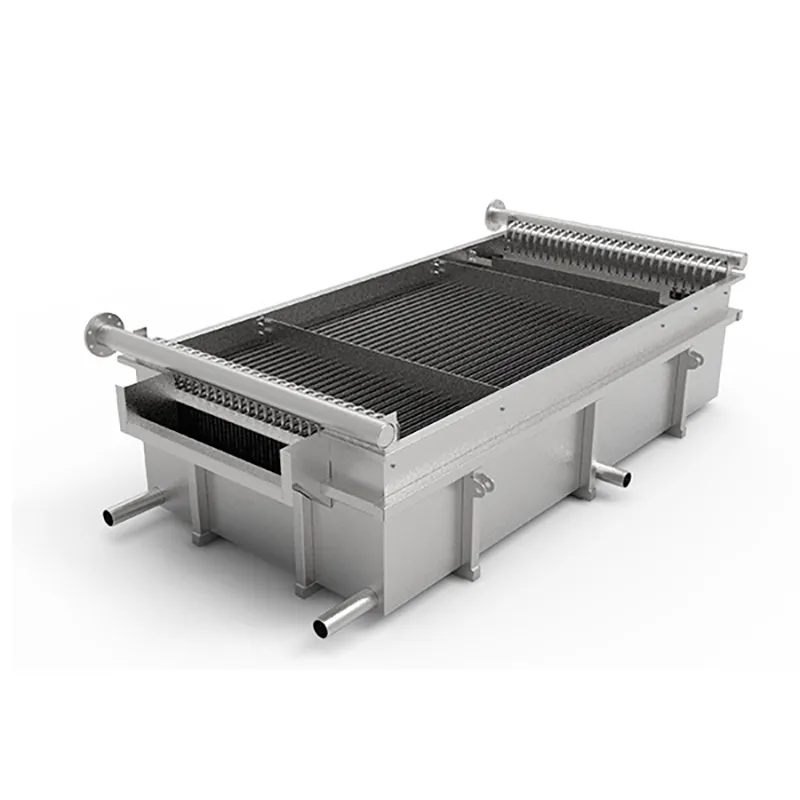
Originated in the mid-20th century to bypass the manufacturing bottlenecks and weight limitations of standard jacketed thermal components, the Pillow Plate (also known as a dimple plate or embossed plate) has revolutionized precision fluid-wall engineering. At SHPHE, we take this highly flexible technology and elevate it into a core foundation for bespoke industrial heat transfer integration. By utilizing state-of-the-art automated CNC fiber laser welding, our engineers customize the mechanical inflation profiles and spot pitch grids to directly match your specific fluid dynamics, pressure limits, and vessel configurations. Today, SHPHE's custom pillow plates are indispensable assets for worldwide processing plants prioritizing advanced thermal performance, zero-leak safety, and hygienic processing—serving as the definitive solution across food, pharmaceutical, chemical, and bulk solids cooling sectors.
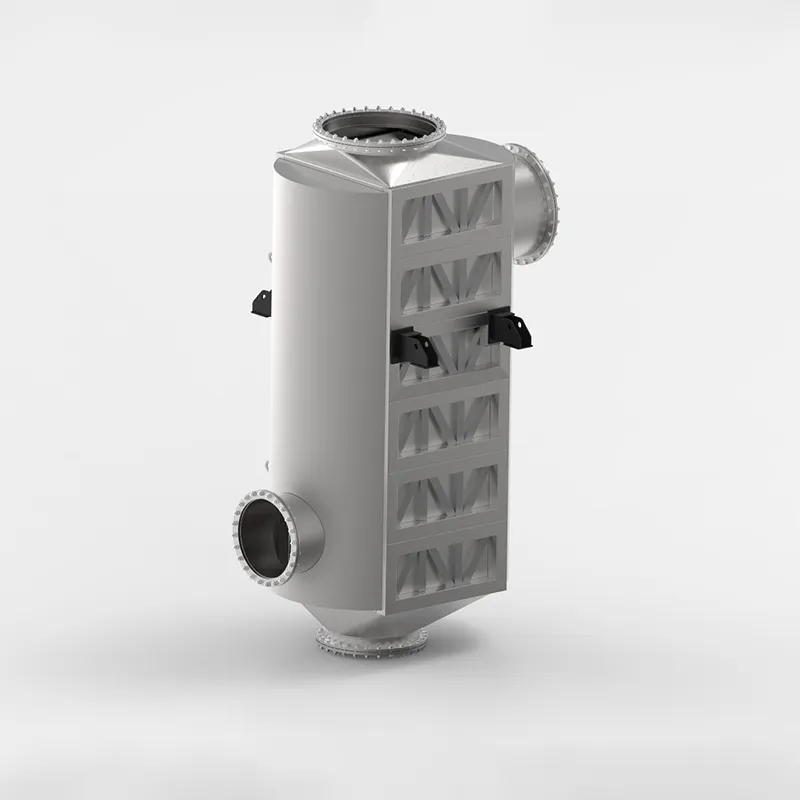
Industrial furnace and boiler exhaust gases carry vast amounts of unutilized thermal energy. The SHPHE custom Plate Air Preheater (PAPH) is target-engineered to intercept this high-temperature flue gas, recovering valuable waste heat and transferring it directly back to incoming combustion air or process gas streams. By substantially elevating the temperature of your flame feed, our custom systems optimize combustion thermodynamics, deliver massive fuel savings, and significantly reduce industrial carbon and emissions footprints. Built to withstand severe flue-gas environments, SHPHE PAPH systems serve as the premier choice for modern, energy-intensive plants prioritizing decarb compliance and maximum thermal efficiency.
Select the most popular foreign trade service products to meet your diverse needs
Custom-Engineered Anti-Clogging Solutions for High-Viscosity Slurries: Deployed specifically to conquer severe industrial fouling, SHPHE wide gap welded plate heat exchangers are tailor-built to handle complex media containing dense fibers, coarse crystals, or solid suspensions without clogging. Each non-obstructed channel is calculated and formed by laser-welded plate packs matching your fluid’s exact rheology and grain size, completely eliminating structural "dead zones" and media stagnation. Available in highly compact vertical and versatile horizontal configurations, our vertical engineering drastically reduces plant footprints while maintaining unhindered product throughput, minimal pressure drops, and flawless continuous operations across harsh process loops.
Industrial processes involving particle-laden slurries, high-viscosity syrups, or fiber-rich pulp demand more than standard equipment—they require target-engineered thermal management. At SHPHE, we configure the TP Welded Plate Heat Exchanger to directly conquer your plant's severe fouling, blockage, and erosion threats. Combining custom-tailored channel geometries, wear-resistant metallurgy, and integrated CIP (Cleaning-in-Place) systems, we deliver absolute production continuity where conventional heat exchangers fail.
Industrial furnace and boiler exhaust gases carry vast amounts of unutilized thermal energy. The SHPHE custom Plate Air Preheater (PAPH) is target-engineered to intercept this high-temperature flue gas, recovering valuable waste heat and transferring it directly back to incoming combustion air or process gas streams. By substantially elevating the temperature of your flame feed, our custom systems optimize combustion thermodynamics, deliver massive fuel savings, and significantly reduce industrial carbon and emissions footprints. Built to withstand severe flue-gas environments, SHPHE PAPH systems serve as the premier choice for modern, energy-intensive plants prioritizing decarb compliance and maximum thermal efficiency.



User Comments
Service Experience Sharing from Real Customers
Mike
Maintenance SupervisorWe swapped out some old bolted joints on our cooling lines for these welded phe units. They hold pressure like a champ and the thermal transfer is visibly better. Only gave it 4 stars because the initial install took a bit of wrestling with the alignment jig, but once it's in, it's rock solid.
Sarah
Senior Process EngineerSpecified a welded plate heat exchanger for a new pharmaceutical batch reactor setup. The reduced gasket count is a huge win for our maintenance team and for preventing cross-contamination. Performance data matched the spec sheet exactly. Very reliable piece of equipment so far.
Tom
Shift OperatorIt does the job for our high-temp oil system, definitely no leaks like the old gasketed ones. I'm not an engineer, but it seems to run a bit louder than I expected. Maybe it's just the flow rate we push through it. Works fine, just noisy.
Jenna
HVAC Project ManagerUsed this welded phe for a large district cooling plant retrofit. The compact footprint saved us serious mechanical room space. No weepage issues after two months of 24/7 operation. My install crew said the welding was clean and the ports lined up perfectly. Would buy again.