 English EN


PCHE in Hydrocarbon Processing and Refining: High-Pressure Heat Recovery Solutions
Printed Circuit Heat Exchanger solutions deliver high-pressure heat recovery, efficiency, and reliability for hydrocarbon processing and refining industries.
More
Plate heat exchangers (PHEs) serve a critical role in the condensation process within power plant steam cycles. After high-pressure steam expands through the turbine, the exhaust steam must be condensed back into liquid water to maintain the thermodynamic loop. PHEs facilitate this phase change by transferring latent heat from the steam to a cooling medium, typically circulating water from a cooling tower or a natural water source.
The compact design of PHEs provides a large surface area relative to their volume, enabling efficient heat transfer between the steam and the coolant. As the steam passes over the plates, it releases its latent heat and condenses on the plate surfaces. The resulting condensate is then collected and returned to the boiler feedwater system, improving overall plant efficiency and reducing water consumption.
Key advantages of using PHEs in this application include their high thermal performance, ease of maintenance, and ability to handle temperature cross conditions. The plate arrangement creates turbulent flow, which enhances heat transfer coefficients and reduces fouling compared to traditional shell-and-tube condensers.
In modern power plant operations, the efficiency of cooling and condensation systems directly impacts overall thermal performance. Plate heat exchangers (PHEs) play a critical role by maximizing heat transfer between cooling water and steam or process fluids, thereby reducing thermal losses and improving plant output.
Optimal heat transfer in cooling circuits is achieved through the compact design and high turbulence generated by PHE plates. This design minimizes fouling and ensures consistent thermal performance even under variable load conditions, which is essential for maintaining condenser vacuum and reducing backpressure on steam turbines.
By integrating advanced plate geometries and materials, PHEs enhance the heat exchange rate while reducing the cooling water flow requirement. This leads to lower auxiliary power consumption for pumps and fans, directly contributing to higher net plant efficiency and reduced operational costs.
Furthermore, the modular nature of PHEs allows for easy maintenance and scalability, making them a reliable choice for both new power plant designs and retrofit projects aimed at improving thermal efficiency and sustainability.
Plate heat exchangers (PHEs) in closed-loop cooling systems must balance thermal performance with long-term reliability. The following design factors are critical for optimizing efficiency and minimizing maintenance in power plant applications.
1. Material Selection – Plates are typically made from stainless steel 316L or titanium to resist corrosion from treated cooling water. Gasket materials such as EPDM or NBR are chosen based on temperature and chemical compatibility.
2. Plate Geometry and Flow Pattern – Chevron angle and plate depth determine turbulence and heat transfer coefficient. High-angle patterns (60–65°) provide higher thermal performance but increase pressure drop, requiring careful pump sizing.
3. Pressure and Temperature Ratings – Closed-loop systems often operate at pressures up to 25 bar and temperatures of 120–150°C. PHE design must comply with ASME VIII or PED standards, with plate thickness and gasket groove design verified for cyclic loads.
4. Fouling and Cleaning Strategy – Despite closed-loop operation, particulate fouling can occur. A plate gap of 3–5 mm is recommended for cooling water. For systems with higher fouling risk, wide-gap designs (up to 12 mm) are available. Access for chemical cleaning or backflushing should be considered.
5. Flow Distribution and Nozzle Sizing – Uneven flow distribution reduces effectiveness. Nozzle velocities should be kept below 6 m/s for liquids to avoid erosion and vibration. Multiple passes may be used to match temperature cross conditions.
| Parameter | Typical Range | Impact on Design |
|---|---|---|
| Cooling water flow rate | 50 – 500 m³/h | Determines number of plates and frame size |
| Inlet/outlet temperature | 25°C – 45°C (cold side) | Defines LMTD and required surface area |
| Design pressure | 10 – 25 bar | Plate thickness, gasket type, and bolting |
| Fouling factor | 0.00005 – 0.0002 m²·K/W | Adds margin to heat transfer area |
| Plate material | SS316L / Titanium | Corrosion resistance and cost |
The table above summarizes typical design parameters for PHEs in closed-loop cooling systems. These values serve as a baseline for preliminary sizing; final selection should be validated through thermal and hydraulic modeling.
6. Maintenance and Service Access – Frame design should allow for plate extraction without disturbing piping. Bolt tightening sequence and torque specifications must be documented to prevent gasket extrusion.
7. Integration with System Controls – PHEs in closed loops often operate with variable speed pumps. The control strategy should account for the PHE’s thermal inertia and minimum flow requirements to avoid stagnation.
For further reference on custom-engineered heat exchanger solutions, please visit our product page or explore gasketed plate heat exchangers for closed-loop applications.
Plate heat exchangers (PHEs) play a critical role in mitigating fouling and scaling within power plant cooling systems. Their compact design and high thermal efficiency allow for effective heat transfer while minimizing deposit accumulation. The turbulent flow induced by corrugated plates disrupts boundary layers, reducing the adhesion of particles and minerals that cause scaling. This leads to extended operational intervals and lower maintenance costs.
By maintaining clean heat transfer surfaces, PHEs ensure consistent cooling performance and prevent efficiency losses. Their modular construction facilitates easy inspection and cleaning, further supporting reliable plant operation. Advanced plate materials and coatings enhance resistance to corrosive environments, making PHEs a durable solution for fouling and scaling challenges.
Plate heat exchangers (PHEs) play a critical role in enhancing the operational flexibility of power plants by enabling efficient thermal management within auxiliary cooling loops. Their compact design and high heat transfer coefficients allow for rapid response to load changes, making them ideal for integration with systems such as closed-loop cooling water circuits, lubrication oil coolers, and generator air coolers.
When integrated with auxiliary cooling systems, PHEs facilitate the decoupling of primary and secondary cooling circuits. This separation allows the main condenser to operate at optimal vacuum levels while auxiliary loads are managed independently. The result is improved part-load efficiency and reduced thermal stress on critical components during startup or shutdown sequences.
A typical configuration involves connecting a gasketed or welded PHE between the turbine lube oil system and the closed cooling water network. This setup ensures stable oil temperatures regardless of variations in main condenser performance. Additionally, PHEs can be arranged in series or parallel with existing cooling towers or dry cooling systems to provide trim cooling during peak ambient conditions.
The modular nature of PHEs supports phased upgrades, allowing plants to incrementally increase auxiliary cooling capacity without major civil works. This adaptability is particularly valuable for combined cycle plants that frequently cycle between base load and peaking operations. By integrating PHEs, operators gain finer control over auxiliary system temperatures, reducing the risk of turbine backpressure excursions and improving overall plant reliability.
For detailed product specifications and integration guidelines, refer to the following resources:
Plate heat exchangers (PHEs) serve a critical function in power plant cooling and condensation systems by efficiently condensing steam from turbine exhaust. Their compact design and high heat transfer coefficients significantly enhance overall thermal efficiency within cooling circuits.
Key design considerations for PHEs in closed-loop cooling systems include plate material selection, gasket compatibility, and channel geometry to withstand thermal stresses and pressure variations. These factors directly influence long-term operational reliability and heat transfer performance.
PHEs play an important role in preventing fouling and scaling through optimized flow distribution and turbulence promotion. Their smooth plate surfaces and easy disassembly facilitate regular cleaning, reducing maintenance downtime and sustaining heat exchange efficiency over extended operating periods.
Integration of PHEs with auxiliary cooling systems provides operational flexibility, enabling plants to adapt to varying load conditions and ambient temperatures. This modular approach supports both base-load and peaking operations while maintaining stable condensation performance across diverse scenarios.
We provide you with comprehensive foreign trade solutions to help enterprises achieve global development
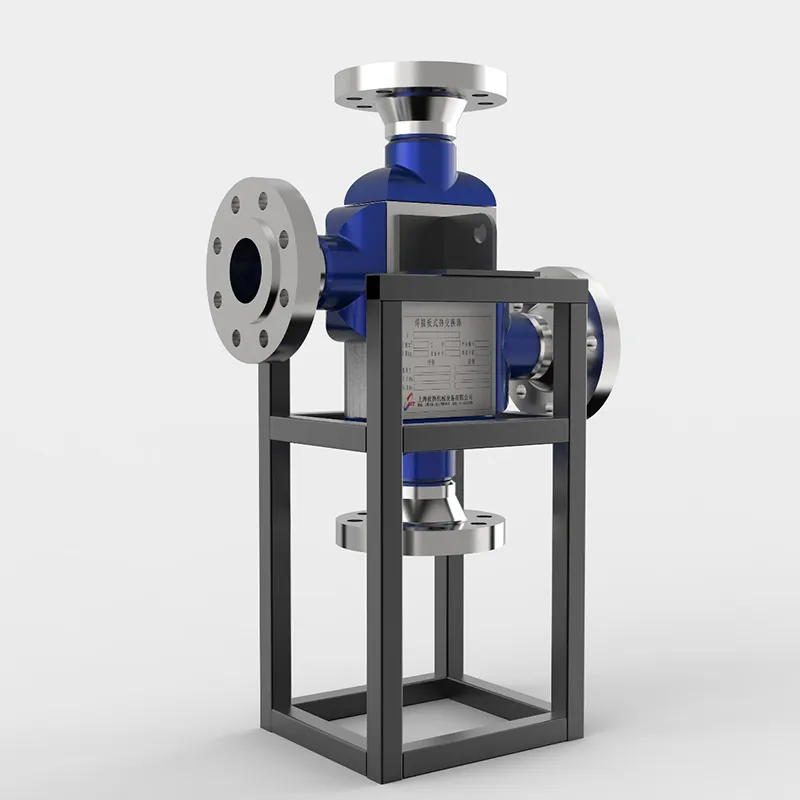
The SHPHE Printed Circuit Heat Exchanger (PCHE) represents a paradigm shift in microchannel thermal management, meticulously engineered for the world's most critical and demanding industrial boundaries. Developed to surpass the physical limitations of conventional shell-and-tube designs in ultra-high-pressure environments, our custom PCHEs integrate advanced photochemical etching and solid-state diffusion bonding to provide unmatched safety, thermal efficiency, and integrity under extreme stress. Initially deployed within high-consequence sectors such as aerospace and nuclear power generation, PCHE technology has completely revolutionized high-density thermal processing. Today, SHPHE brings this breakthrough engineering to mainstream energy transitions—including LNG liquefaction, supercritical CO² power cycles, hydrocarbon processing, and high-pressure hydrogen systems—enabling plants to maximize energy recovery, ensure zero-leakage security, and significantly shrink environmental footprints.
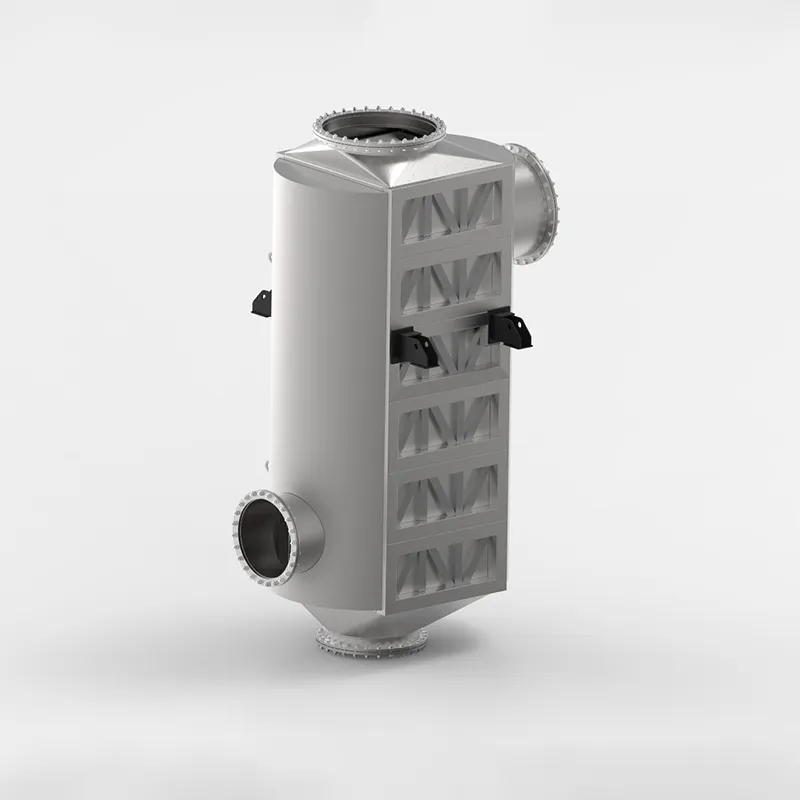
Industrial furnace and boiler exhaust gases carry vast amounts of unutilized thermal energy. The SHPHE custom Plate Air Preheater (PAPH) is target-engineered to intercept this high-temperature flue gas, recovering valuable waste heat and transferring it directly back to incoming combustion air or process gas streams. By substantially elevating the temperature of your flame feed, our custom systems optimize combustion thermodynamics, deliver massive fuel savings, and significantly reduce industrial carbon and emissions footprints. Built to withstand severe flue-gas environments, SHPHE PAPH systems serve as the premier choice for modern, energy-intensive plants prioritizing decarb compliance and maximum thermal efficiency.
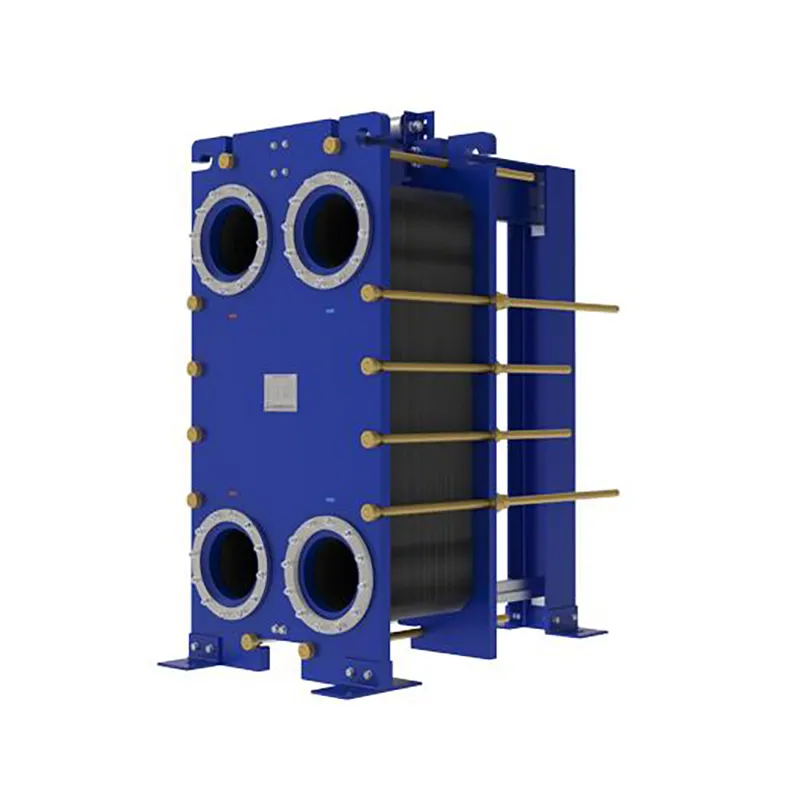
Since the invention of the plate heat exchanger (PHE) in 1923, thermal technology has evolved from standard food-grade processing to highly complex industrial operations. At SHPHE, we take this classic, versatile design and transform it into highly bespoke heat transfer solutions tailored to your unique process fluids and thermal loads. While traditional gasketed PHEs offer high efficiency and compact footprints, SHPHE optimizes plate corrugations, metallurgy, and sealing systems to handle your specific chemical, HVAC, or energy recovery parameters. Our custom-engineered gasketed plate heat exchangers provide outstanding scalability and ease of maintenance, serving as an indispensable asset for heavy industries—including oil and gas, metallurgy, and food processing—where uptime, energy recovery, and long-term sustainability are top priorities.
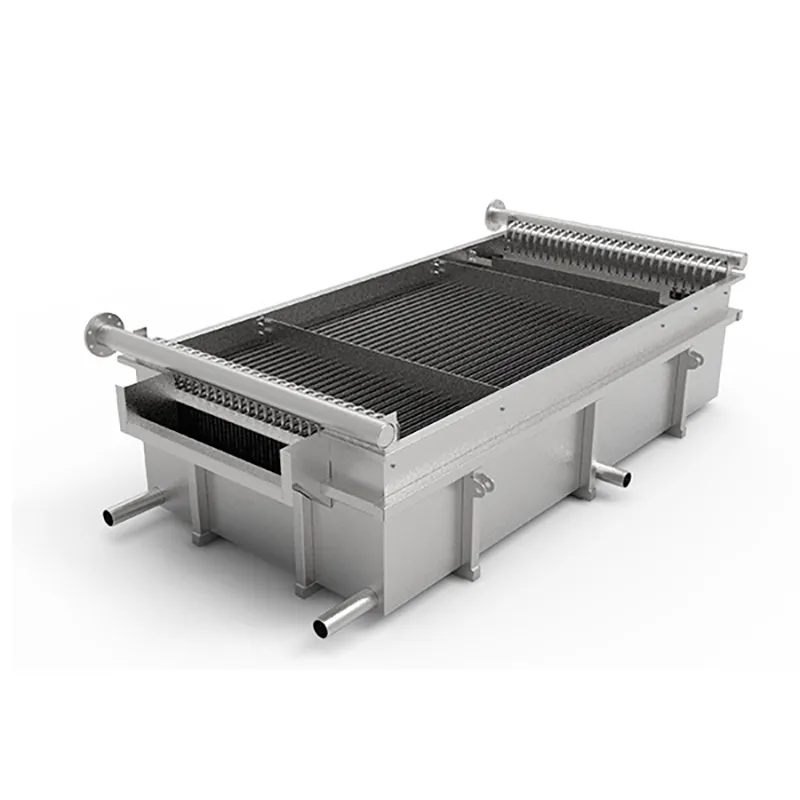
Originated in the mid-20th century to bypass the manufacturing bottlenecks and weight limitations of standard jacketed thermal components, the Pillow Plate (also known as a dimple plate or embossed plate) has revolutionized precision fluid-wall engineering. At SHPHE, we take this highly flexible technology and elevate it into a core foundation for bespoke industrial heat transfer integration. By utilizing state-of-the-art automated CNC fiber laser welding, our engineers customize the mechanical inflation profiles and spot pitch grids to directly match your specific fluid dynamics, pressure limits, and vessel configurations. Today, SHPHE's custom pillow plates are indispensable assets for worldwide processing plants prioritizing advanced thermal performance, zero-leak safety, and hygienic processing—serving as the definitive solution across food, pharmaceutical, chemical, and bulk solids cooling sectors.
Select the most popular foreign trade service products to meet your diverse needs
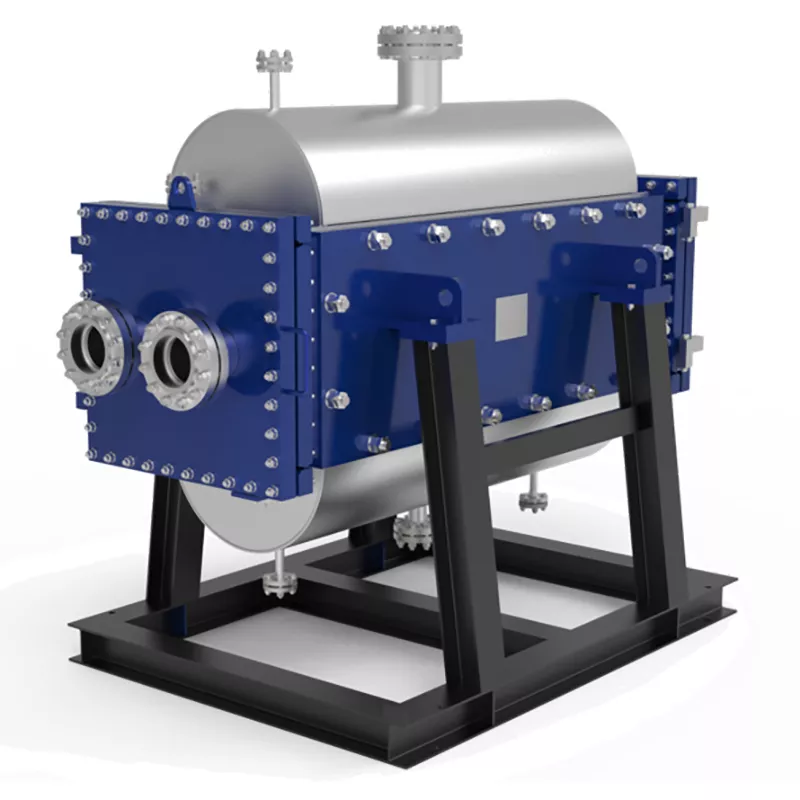
Industrial processes involving particle-laden slurries, high-viscosity syrups, or fiber-rich pulp demand more than standard equipment—they require target-engineered thermal management. At SHPHE, we configure the TP Welded Plate Heat Exchanger to directly conquer your plant's severe fouling, blockage, and erosion threats. Combining custom-tailored channel geometries, wear-resistant metallurgy, and integrated CIP (Cleaning-in-Place) systems, we deliver absolute production continuity where conventional heat exchangers fail.
Since the invention of the plate heat exchanger (PHE) in 1923, thermal technology has evolved from standard food-grade processing to highly complex industrial operations. At SHPHE, we take this classic, versatile design and transform it into highly bespoke heat transfer solutions tailored to your unique process fluids and thermal loads. While traditional gasketed PHEs offer high efficiency and compact footprints, SHPHE optimizes plate corrugations, metallurgy, and sealing systems to handle your specific chemical, HVAC, or energy recovery parameters. Our custom-engineered gasketed plate heat exchangers provide outstanding scalability and ease of maintenance, serving as an indispensable asset for heavy industries—including oil and gas, metallurgy, and food processing—where uptime, energy recovery, and long-term sustainability are top priorities.
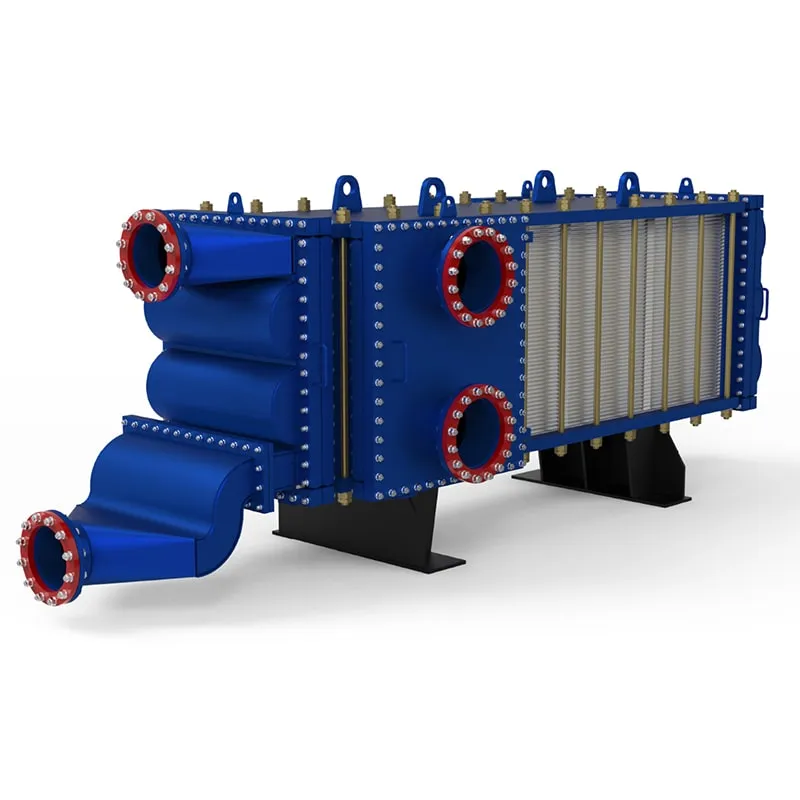
Custom-Engineered Anti-Clogging Solutions for High-Viscosity Slurries: Deployed specifically to conquer severe industrial fouling, SHPHE wide gap welded plate heat exchangers are tailor-built to handle complex media containing dense fibers, coarse crystals, or solid suspensions without clogging. Each non-obstructed channel is calculated and formed by laser-welded plate packs matching your fluid’s exact rheology and grain size, completely eliminating structural "dead zones" and media stagnation. Available in highly compact vertical and versatile horizontal configurations, our vertical engineering drastically reduces plant footprints while maintaining unhindered product throughput, minimal pressure drops, and flawless continuous operations across harsh process loops.



User Comments
Service Experience Sharing from Real Customers
Elena
Senior Shift EngineerWe’ve been using this PHE monitoring module for about six months now, and it’s honestly cut our unplanned downtime by nearly a third. The thermal performance curves are way more accurate than our old manual logs. I can finally trust the fouling factor alerts without double-checking everything.
Marcus
Maintenance TechnicianNot gonna lie, I was skeptical at first because the interface looked a bit too clean, but after the last firmware update it’s been solid. The real-time delta-P tracking caught a scaling issue in our LP preheater before it became a full-blown tube failure. Saved us a weekend of emergency work.
Priya
Process Control SpecialistI’ve worked in three different plants over the last decade, and this is the first PHE tool that actually makes sense for operators on the floor. The predictive scaling model isn't perfect yet—it sometimes overestimates fouling in low-load periods—but the trend visualization alone is worth the price of admission.
Tomás
Plant ManagerDeployed this across two units in our fleet. The biggest win for me is the remote access—I can check heat exchanger performance from my tablet while I’m in meetings or even at home. It helped me justify a cleaning schedule change to the ops team with actual data instead of gut feel. One UI glitch on the export report page, but support fixed it in two days.