Optimizing Acid Heating and Cooling with a Steel Pickling Line Heat Exchanger
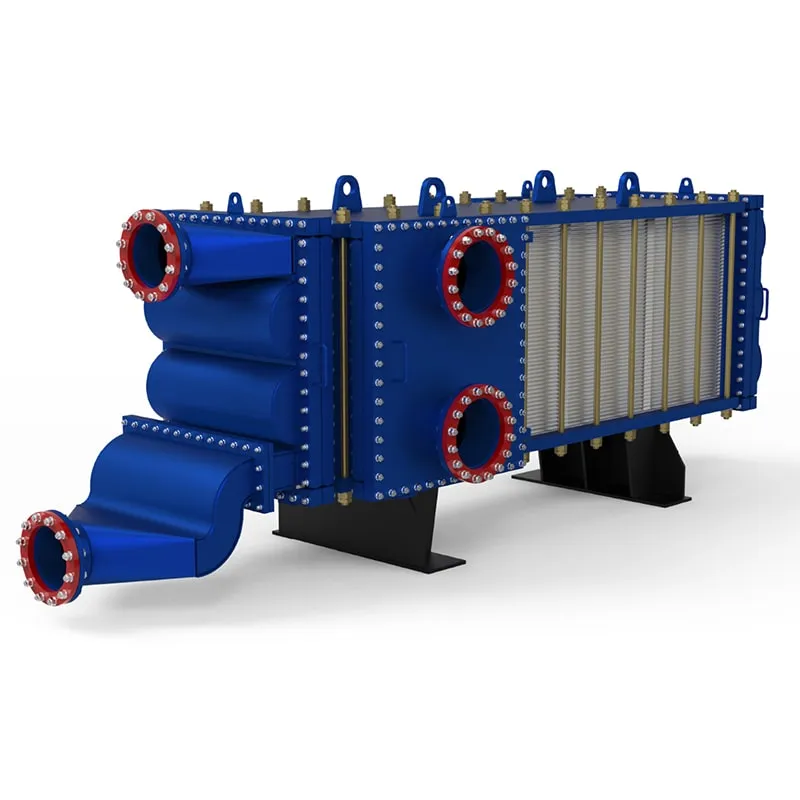
In steel pickling lines, managing acid temperature directly impacts pickling speed, metal quality, and equipment lifespan. A steel pickling line heat exchanger is the core component that heats or cools the acid bath efficiently. This article explains how these exchangers work, their key features, and how to select the right one for your operation. We cover working principles, typical parameters, and practical solutions, including a look at SHPHE's welded plate heat exchangers as a reliable alternative to traditional designs.
What Is a Steel Pickling Line Heat Exchanger and Why Does It Matter?
A steel pickling line heat exchanger is a specialized thermal device used to control the temperature of acid baths in continuous or batch pickling processes. In these lines, hot acid (typically hydrochloric or sulfuric) removes scale and rust from steel surfaces. If the acid is too cold, pickling slows down; if too hot, over-pickling or excessive fume generation occurs. The heat exchanger maintains the acid at an optimal temperature range, usually between 70°C and 95°C for hydrochloric acid pickling, ensuring consistent quality and higher throughput.
Without proper temperature control, operators face uneven pickling, increased acid consumption, and frequent shutdowns for maintenance. A well-designed heat exchanger reduces energy costs by recovering heat from spent acid and minimizes corrosion risks. For process engineers and purchasing managers, understanding the design and material selection of these exchangers is critical to long-term plant efficiency.
How Does a Pickling Line Heat Exchanger Work in Practice?
In a typical pickling line, the acid circulates through a loop that includes the heat exchanger. For heating, steam or hot water flows on one side of the exchanger plates, while the acid flows on the other side. For cooling, chilled water or a cooling tower circuit is used. The plates are made from corrosion-resistant materials like Hastelloy or titanium to withstand the aggressive acid environment.
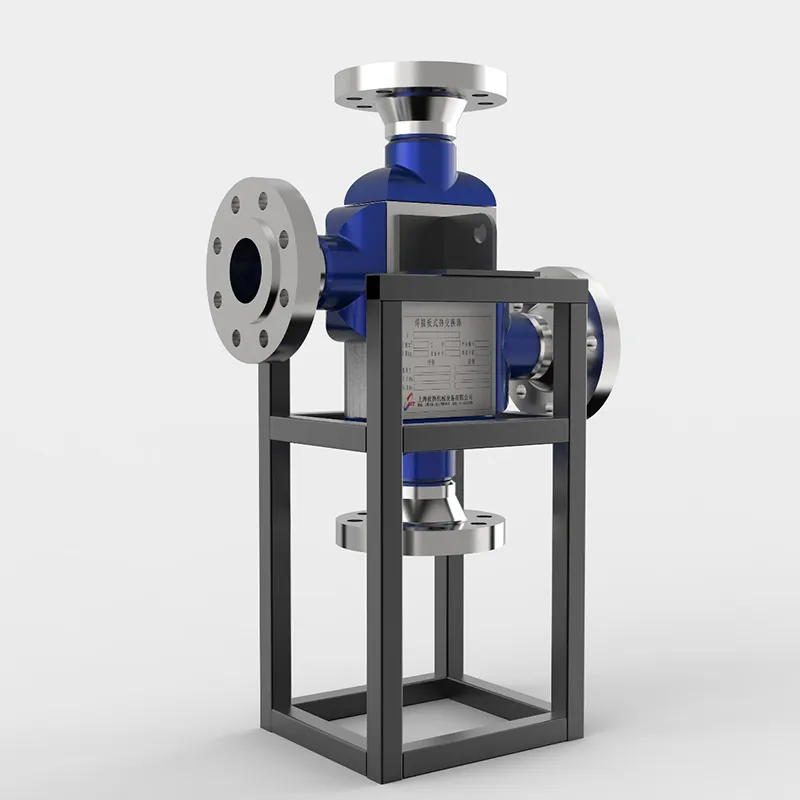
The heat transfer occurs through thin metal plates that create turbulent flow, which enhances the heat transfer coefficient. This design allows for compact installations and easy maintenance. Many modern pickling lines use welded plate heat exchangers because they eliminate gaskets that can fail under high temperatures and corrosive conditions. For example, SHPHE's HT-Bloc welded plate heat exchangers are specifically engineered for such demanding applications, offering high thermal efficiency and leak-free operation.
Key Features and Typical Parameter Ranges
When selecting a heat exchanger for a steel pickling line, consider these features and common operating ranges:
- Material compatibility: Plates made from titanium, Hastelloy C-276, or stainless steel 316L for acid resistance.
- Temperature range: Typically from 20°C to 120°C for pickling acid circuits.
- Pressure range: Design pressures up to 16 bar for most gasketed or welded units.
- Flow capacity: From 10 m³/h for small batch lines to over 500 m³/h for large continuous lines.
- Heat transfer coefficient: Between 3,000 and 7,000 W/m²K depending on plate geometry and fluid properties.
- Maintenance access: Welded plate designs offer longer service intervals, while gasketed versions allow plate replacement.
These parameters help engineers size the exchanger correctly. Always consult with the manufacturer for a free thermal design and selection service, which SHPHE provides to ensure the unit matches your specific process conditions.
Applications and Recommended Solutions for Acid Heating and Cooling
Steel pickling line heat exchangers are used in various stages of the pickling process. For acid heating, they preheat fresh acid before it enters the bath, using steam or hot water as the heating medium. For acid cooling, they remove excess heat from recirculating acid, especially after the pickling reaction generates heat. Some plants also use them for heat recovery, preheating incoming acid with hot spent acid to save energy.
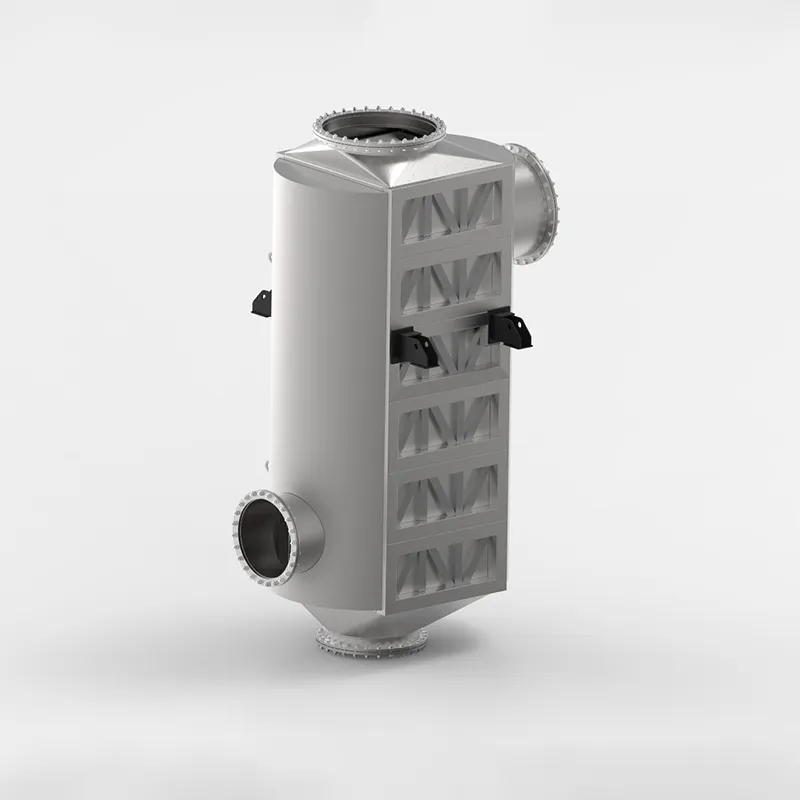
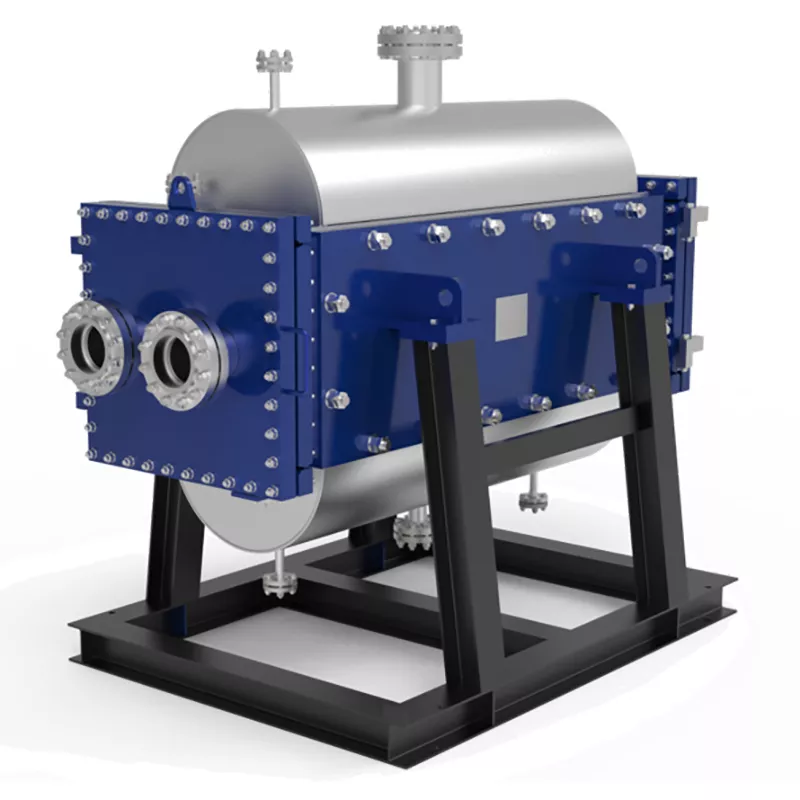
For these applications, wide gap welded plate heat exchangers are particularly effective. They handle fluids with suspended solids or fibers, which can clog standard plate designs. In pickling lines, acid often contains iron salts and scale particles, so a wide gap design prevents fouling and reduces cleaning frequency. Alternatively, for clean acid circuits, gasketed plate heat exchangers offer a cost-effective solution with easy maintenance.
Another option is the TP welded plate heat exchanger, which combines the robustness of welded construction with the flexibility of plate geometry. This design is compatible with high-temperature and high-pressure applications, making it suitable for modern pickling lines that operate at elevated conditions. It also serves as an alternative to traditional shell-and-tube exchangers, offering a smaller footprint and better thermal performance.
Why Choose SHPHE for Your Pickling Line Heat Exchanger Needs?
SHPHE is a Shanghai-based plate heat exchanger manufacturer founded in 2005, with a strong track record of exporting to over 20 countries. The company holds ISO9001 and ASME U certifications, ensuring that every unit meets international quality standards. Their product range includes HT-Bloc welded plate heat exchangers, wide gap welded plate heat exchangers, gasketed plate heat exchangers, printed circuit heat exchangers (PCHE), plate air preheaters, and pillow plates.
What sets SHPHE apart is the free thermal design and selection service. Their engineers work directly with your team to calculate the exact heat transfer area, plate material, and flow configuration needed for your pickling line. This eliminates guesswork and ensures optimal performance from day one. Whether you need a replacement for an existing Alfa Laval or Compabloc unit, or a custom solution for a new line, SHPHE offers compatible alternatives that deliver reliable results.
Additionally, SHPHE's gasketed plate heat exchangers are widely used in less aggressive acid circuits, providing easy maintenance and low initial cost. For high-temperature or high-pressure applications, the HT-Bloc series is a proven choice. The company also offers custom-engineered pillow plates for specialized heating or cooling duties in pickling tanks.
Frequently Asked Questions About Steel Pickling Line Heat Exchangers
Q: What materials are best for a steel pickling line heat exchanger?
A: Titanium and Hastelloy C-276 are the most common choices for plates in hydrochloric acid pickling lines. Stainless steel 316L works for less aggressive acids or lower temperatures. The gaskets, if used, should be made from EPDM or Viton for chemical resistance.
Q: How often should I clean the heat exchanger in a pickling line?
A: Cleaning frequency depends on acid quality and process conditions. Typically, a visual inspection every 3 to 6 months is recommended. If you notice a drop in heat transfer efficiency or increased pressure drop, it is time for cleaning. Wide gap designs require less frequent cleaning than standard plate exchangers.
Q: Can I use a gasketed plate heat exchanger for hot acid above 90°C?
A: Yes, but you must select high-temperature gaskets like Viton or PTFE. Many gasketed units are rated up to 150°C. However, for continuous operation above 90°C, welded plate heat exchangers are more reliable because they eliminate gasket failure risks and provide longer service life.
Q: What is the typical payback period for upgrading to a welded plate heat exchanger?
A: Most plants see a payback period of 12 to 18 months through reduced maintenance costs, lower energy consumption, and increased production uptime. Exact figures depend on your current system efficiency and acid usage rates.
Q: How do I size a heat exchanger for a new pickling line?
A: You need to know the acid flow rate, inlet and outlet temperatures, heating or cooling medium temperatures, and the acid's specific heat capacity. Most manufacturers, including SHPHE, offer free thermal design services. Simply provide your process parameters, and they will calculate the required heat transfer area and recommend a suitable model.
Q: Is SHPHE's heat exchanger compatible with existing Alfa Laval or GEA systems?
A: Yes, SHPHE designs its gasketed and welded plate heat exchangers to be compatible with or serve as alternatives to brands like Alfa Laval, Compabloc, and GEA. They offer interchangeable plate patterns and connection sizes, making retrofitting straightforward.
Request a Quote for Your Steel Pickling Line Heat Exchanger
Choosing the right steel pickling line heat exchanger is essential for maintaining acid temperature control, reducing energy costs, and extending equipment life. To get a precise recommendation, please provide the following details: flow rate (m³/h), inlet and outlet temperatures (°C), operating pressure (bar), and the type of acid or media used. SHPHE's engineering team will perform a free thermal design and selection, ensuring you receive a unit that fits your process perfectly. Contact us today to discuss your project requirements and receive a competitive quote.
Remember, a well-optimized pickling line heat exchanger not only improves product quality but also lowers your total cost of ownership. With SHPHE's expertise and certified quality, you can achieve reliable performance year after year.

 English EN





User Comments
Service Experience Sharing from Real Customers
Ethan
Process EngineerWe swapped out our old shell-and-tube unit for this heat exchanger on the pickling line six months ago. The corrosion resistance on the acid side is night and day better. Downtime for cleaning dropped by almost half. Installation was straightforward, and the pressure drop stayed right where we needed it. Solid build quality.
Maya
Maintenance SupervisorBeen dealing with frequent leaks on our previous exchangers for years. This one finally holds up. The titanium plates are handling the hot HCl like a champ. Only gave four stars because the gasket kit took a bit longer to arrive than promised, but once installed, it's been running smooth for three months straight. My crew appreciates not having to patch it every other week.
Leo
Plant ManagerWe needed to increase throughput on our existing pickling line without a major rebuild. This heat exchanger delivered. The thermal efficiency is noticeably better—we're seeing consistent bath temperatures even during peak production. The compact footprint saved us valuable floor space too. Overall a smart investment for any continuous strip operation.
Chloe
Senior MetallurgistI was skeptical about a non-custom design handling our mixed acid chemistry, but the material selection here is spot on. After three months of continuous operation, there's zero pitting or scaling. The heat recovery has also cut our steam consumption noticeably. Exactly what a modern pickling line needs for efficiency and longevity.