How a Jacket Water Cooler Marine System Enhances Engine Performance
A jacket water cooler marine system is essential for maintaining optimal engine temperature in vessels, directly improving fuel efficiency and extending equipment life. This article explains how these systems work, their key parameters, and why choosing the right plate heat exchanger matters for your marine operations.
For process engineers and purchasing managers in the marine industry, managing engine heat is a constant challenge. A jacket water cooler marine system removes excess heat from the engine's cooling jacket, keeping coolant temperatures within a safe range—typically 70°C to 90°C for most medium-speed diesel engines. Without proper cooling, thermal stress can lead to cylinder liner cracks, piston seizures, and unplanned downtime. This is where a reliable plate heat exchanger becomes a critical component.
What Is a Jacket Water Cooler Marine System?
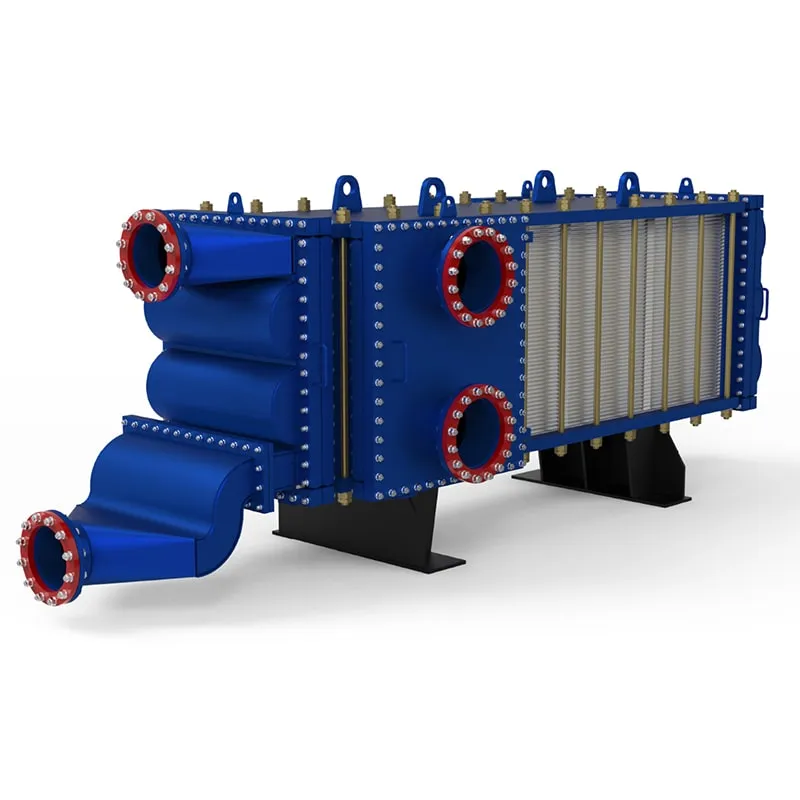
A jacket water cooler marine system is a heat exchange loop that circulates coolant through the engine's water jacket, then passes it through a cooler—often a plate heat exchanger—where seawater or freshwater absorbs the heat. The cooled coolant returns to the engine, maintaining stable operating temperatures. This closed-loop design prevents overheating and reduces thermal fatigue, which is especially important in continuous-duty marine applications.
How Does a Jacket Water Cooler Improve Engine Performance?
By keeping the engine jacket water at a consistent temperature, the system enables better combustion efficiency. When coolant temperature stays within the recommended range—usually 75°C to 85°C for four-stroke marine engines—fuel burns more completely, reducing particulate emissions and lowering specific fuel oil consumption (SFOC) by 2% to 5%. Additionally, stable temperatures minimize thermal expansion differences between engine components, reducing wear on piston rings, cylinder liners, and valve seats.
Key Features of a Marine Jacket Water Cooler
- Compact design: Plate heat exchangers offer high heat transfer surface area in a small footprint, ideal for engine rooms with limited space.
- Corrosion resistance: Plates are typically made from titanium or stainless steel 316L, with seawater-side materials rated for saline environments.
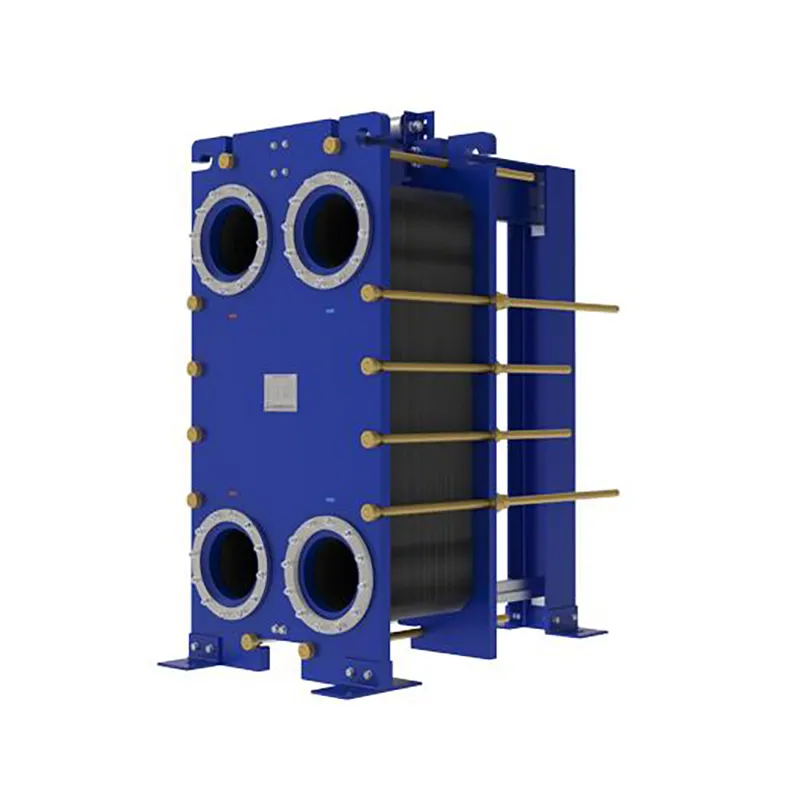
- Easy maintenance: Gasketed plate heat exchangers allow for plate removal and cleaning without special tools.
- High thermal efficiency: Typical overall heat transfer coefficients range from 3,000 to 7,000 W/m²K for water-to-water applications.
- Pressure capability: Standard designs handle working pressures up to 25 bar, with test pressures of 30 bar.
Typical Parameter Ranges for Marine Jacket Water Coolers
| Parameter |
Typical Range |
| Coolant flow rate |
50 – 500 m³/h |
| Coolant inlet temperature |
70 – 95°C |
| Coolant outlet temperature |
60 – 85°C |
| Seawater inlet temperature |
10 – 35°C |
| Design pressure |
10 – 25 bar |
| Heat duty |
100 – 2,000 kW |
Why Choose a Plate Heat Exchanger for Your Jacket Water Cooler?
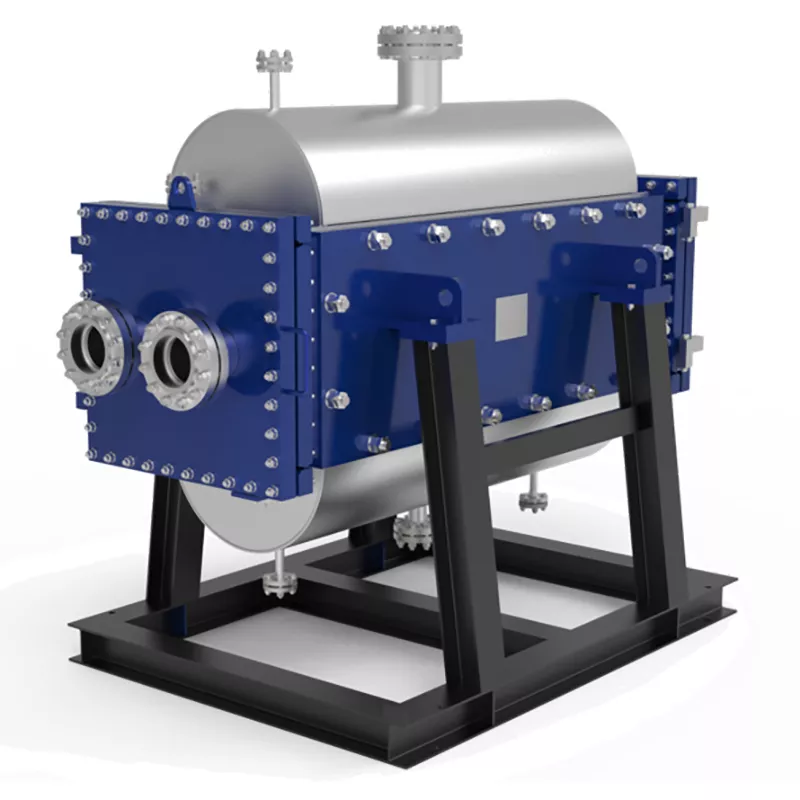
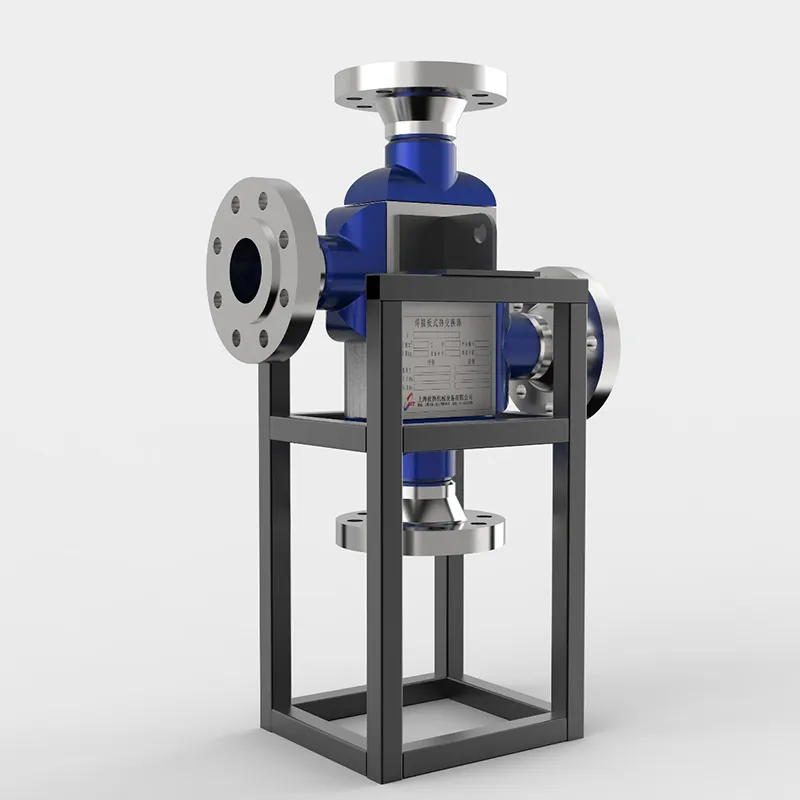
Plate heat exchangers are the preferred choice for jacket water cooling in modern marine engines due to their high efficiency and compactness. Compared to shell-and-tube designs, plate units offer up to 40% more heat transfer per unit volume. They are also easier to inspect and clean, which is vital for seawater-cooled systems where fouling can reduce performance. Many ship operators choose gasketed plate heat exchangers for their flexibility, while welded options like the HT-Bloc welded plate heat exchanger provide higher pressure and temperature tolerance.
What Are the Common Applications for Marine Jacket Water Coolers?
These systems are used across a wide range of vessels, including container ships, tankers, offshore supply vessels, and tugboats. In each case, the jacket water cooler marine system protects the main propulsion engine, as well as auxiliary engines and generator sets. For high-power engines exceeding 10,000 kW, multiple coolers may be arranged in parallel to handle the thermal load. The system is also integrated with central cooling water circuits that use seawater as the ultimate heat sink.
How to Select the Right Jacket Water Cooler for Your Vessel
Selection depends on engine power, coolant flow rate, seawater temperature, and available space. A good starting point is to calculate the required heat duty using the formula: Q = m × Cp × ΔT, where m is the coolant mass flow rate, Cp is specific heat capacity (about 4.2 kJ/kg·K for water), and ΔT is the temperature drop across the cooler. For example, a 5,000 kW engine with a 10°C coolant temperature drop needs roughly 1,190 kW of cooling capacity. At SHPHE, we offer free thermal design and selection service to match your exact operating conditions.
Why SHPHE for Your Marine Jacket Water Cooler Needs?
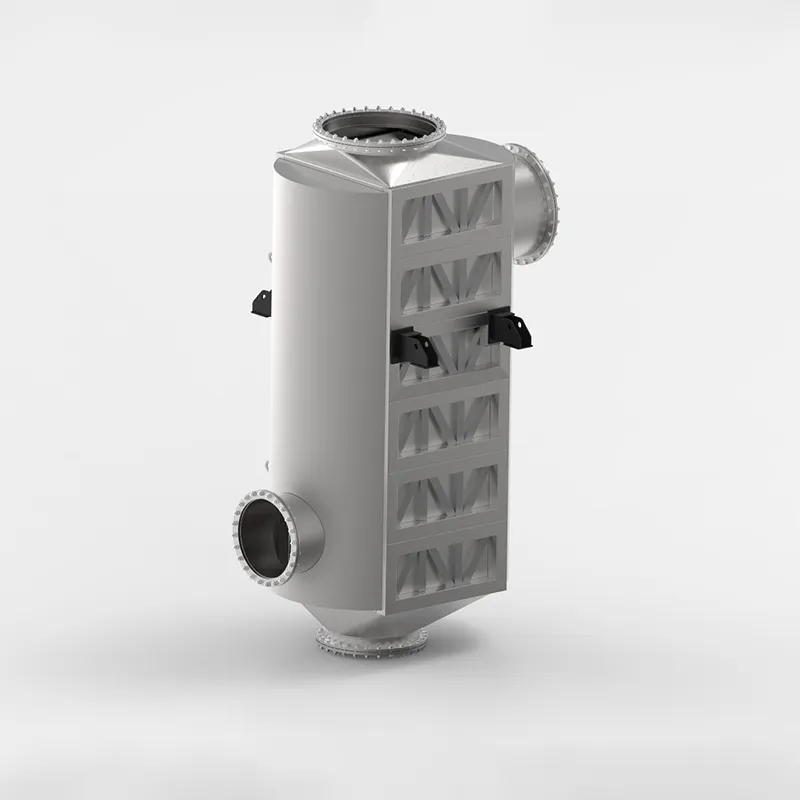
SHPHE is a Shanghai-based plate heat exchanger manufacturer founded in 2005, with ISO9001 and ASME U certifications. We export to over 20 countries and offer a full range of products, including wide gap welded plate heat exchangers for dirty fluids, TP welded plate heat exchangers for high-pressure applications, and plate air preheaters for exhaust gas heat recovery. Our team provides free thermal design and selection, ensuring the jacket water cooler marine system you receive is optimized for your engine and operating profile. We are a reliable alternative to brands like Alfa Laval and GEA, offering compatible designs at competitive lead times.
Frequently Asked Questions About Jacket Water Cooler Marine Systems
What is the typical temperature drop across a jacket water cooler?
The typical temperature drop is 5°C to 12°C, depending on engine load and cooler design. A 10°C drop is common for medium-speed engines operating at 85% load.
Can I use a gasketed plate heat exchanger for seawater cooling?
Yes, but plates must be made from titanium or super duplex stainless steel to resist chloride corrosion. Gasketed designs are common for seawater applications, though welded options offer longer service life in aggressive conditions.
How often should I clean a marine jacket water cooler?
Cleaning frequency depends on seawater quality and operating hours. Typically, a visual inspection every 6 months and chemical cleaning every 12 to 18 months is recommended to maintain thermal performance.
What happens if the jacket water cooler fails?
A cooler failure can cause engine overheating, leading to reduced power output, increased fuel consumption, and potential damage to cylinder heads and liners. Redundant coolers or bypass systems are often installed for critical applications.
Is a jacket water cooler marine system compatible with all engine types?
Most medium and high-speed marine diesel engines can be fitted with a jacket water cooler. The system must be sized to match the engine's heat rejection rate, which is typically provided in the engine technical manual.
What is the difference between a jacket water cooler and a central cooler?
A jacket water cooler is dedicated to cooling the engine jacket water, while a central cooler handles multiple heat loads (e.g., lube oil, charge air) in a single seawater circuit. Both are often used together in modern engine rooms.
Request a Quote for Your Jacket Water Cooler Marine System
To get a tailored solution for your vessel, please provide the following details: coolant flow rate (m³/h), coolant inlet and outlet temperatures, seawater temperature, design pressure, and any space constraints. Our engineering team will perform a free thermal design and recommend the most cost-effective plate heat exchanger configuration. Contact SHPHE today to ensure your jacket water cooler marine system delivers reliable performance for years to come.

 English EN





User Comments
Service Experience Sharing from Real Customers
Mack
Chief EngineerWe installed this jacket water cooler on our offshore supply vessel six months ago. The build quality is solid—no leaks, no corrosion issues despite the salt spray. It dropped our main engine coolant temps by a solid 8 degrees compared to the old unit. Easy to service too, which is a big plus when you're 50 miles out.
Zack
Dock Master & Maintenance LeadBought this for a repower project on a 40-foot workboat. Fits the footprint perfectly and the copper-nickel tubes look like they'll last. Only reason it's not a 5 is the mounting brackets could be beefier—I had to add some extra support. But performance-wise, it's been flawless through a busy summer season.
Jack
Yacht CaptainRunning a 70-foot motor yacht, engine room space is always tight. This cooler is compact but moves serious heat. I love the dual-pass design—keeps the freshwater side stable even when we're pushing hard in warm Gulf waters. No more overheating alarms at cruising speed. Highly recommend for any serious marine diesel setup.
Rocky
Fleet MechanicWe've swapped these into three of our harbor tugs so far. The core is heavy-duty and the gaskets are holding up better than the OEM stuff we used before. Had a minor issue with the zinc anode plug being a bit tight, but that's a five-minute fix. Overall, a solid drop-in replacement that doesn't break the bank.