Key Design Considerations for a Seawater Cooled Plate Heat Exchanger
Selecting and designing a seawater cooled plate heat exchanger requires careful attention to material compatibility, fouling control, and thermal performance. This guide covers the critical factors process engineers and purchasing managers must evaluate to ensure long-term reliability in marine and coastal applications. From corrosion resistance to maintenance strategies, we break down the essentials without the fluff.
Seawater is a challenging cooling medium due to its high chloride content, biological activity, and suspended solids. A poorly designed seawater cooled plate heat exchanger can lead to rapid corrosion, fouling, and unexpected downtime. For over 18 years, SHPHE has addressed these challenges through robust engineering and a deep understanding of heat transfer in harsh environments. This article outlines the key design parameters, material choices, and operational strategies that make a seawater cooled plate heat exchanger reliable and cost-effective.
How Does a Seawater Cooled Plate Heat Exchanger Work?
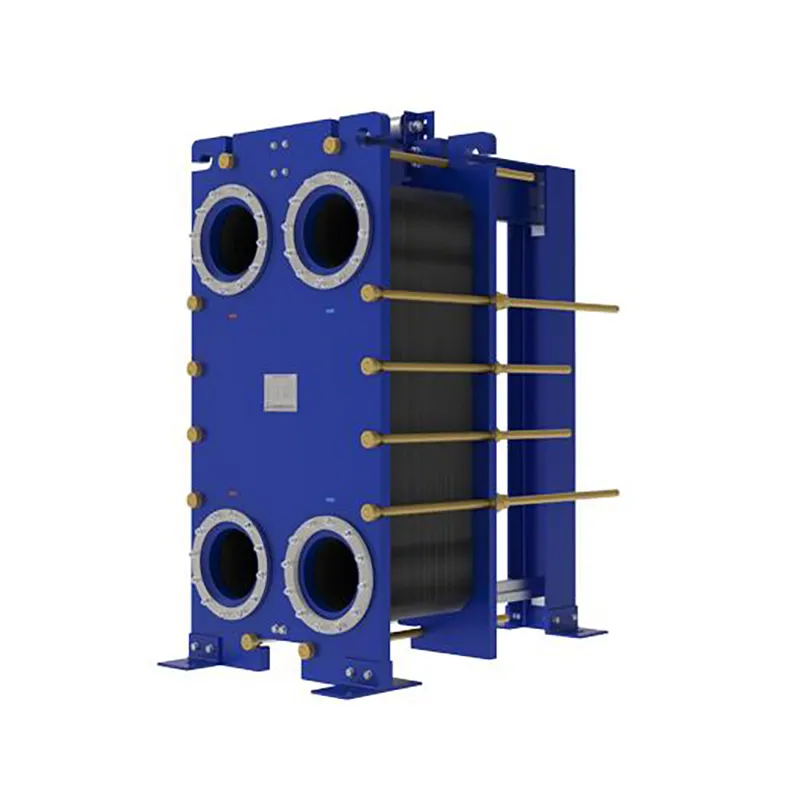
In a typical setup, seawater flows on one side of the plates while the process fluid—often fresh water, oil, or a chemical stream—flows on the other. The plates create turbulent flow paths that enhance heat transfer efficiency. The design must balance thermal performance with pressure drop, especially when dealing with seawater's corrosive nature. SHPHE offers both gasketed and welded plate heat exchangers that are compatible with seawater applications, providing flexibility for different temperature and pressure requirements.
What Materials Are Best for Seawater Service?
Material selection is the most critical decision. Titanium is the preferred choice for seawater plates due to its exceptional resistance to chloride-induced stress corrosion cracking. For less demanding conditions, super duplex stainless steel (e.g., UNS S32750) offers a cost-effective alternative with good pitting resistance. Gaskets must be made of EPDM or HNBR to withstand seawater exposure. SHPHE uses only certified materials and can provide full traceability for projects requiring ASME U stamp certification.
Key Design Parameters for Seawater Applications
When specifying a seawater cooled plate heat exchanger, engineers should focus on the following parameters:
- Flow velocity: Maintain seawater velocity above 1.5 m/s to minimize fouling and sedimentation.
- Temperature approach: A 3–5°C approach is typical, but wider gaps may be needed for high-fouling seawater.
- Pressure drop: Limit seawater side pressure drop to 0.5–1.0 bar to reduce pumping costs.
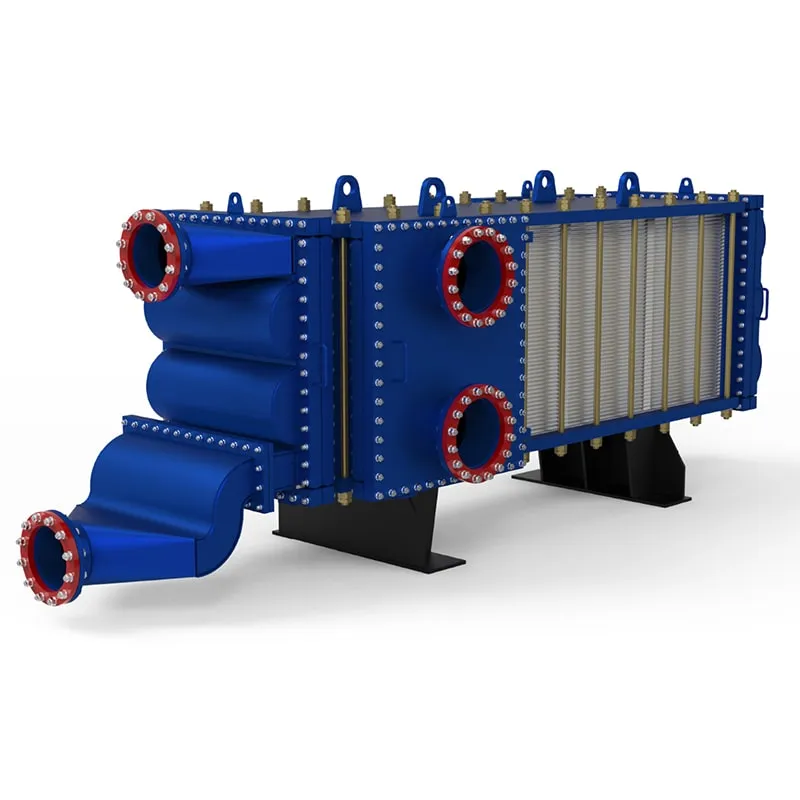
- Plate gap: Wide-gap designs (e.g., SHPHE Wide Gap Welded Plate Heat Exchangers) are recommended for seawater with high suspended solids.
- Corrosion allowance: Use thicker plates (0.6–0.8 mm) for extended service life in aggressive environments.
Applications and Recommended Solutions
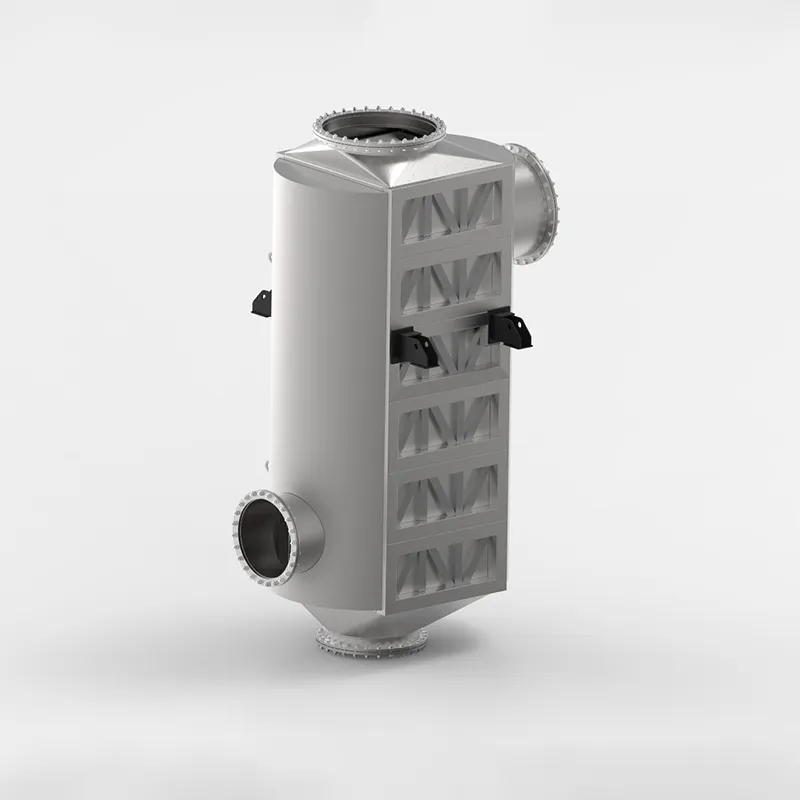
Seawater cooled plate heat exchangers are widely used in offshore platforms, shipboard cooling systems, desalination plants, and coastal industrial facilities. For high-pressure or high-temperature duties, SHPHE recommends its HT-Bloc Welded Plate Heat Exchangers, which offer excellent durability without gaskets. For applications requiring easy maintenance, Gasketed Plate Heat Exchangers provide a reliable and cost-effective solution. Both product lines can be customized with titanium or super duplex plates for seawater service.
Why Choose SHPHE for Seawater Heat Exchangers?
SHPHE, founded in 2005 and based in Shanghai, has exported to over 20 countries with ISO9001 and ASME U certifications. Our engineering team provides free thermal design and selection services, ensuring your seawater cooled plate heat exchanger meets exact process conditions. We do not use generic designs—every unit is sized based on your specific flow rates, temperatures, and media properties. Whether you need a compact gasketed unit or a robust welded design, SHPHE delivers solutions that are compatible with existing systems from brands like Alfa Laval and GEA.
Frequently Asked Questions
Can I use a standard gasketed heat exchanger with seawater?
Yes, but only if the plates are made of titanium or super duplex stainless steel and the gaskets are seawater-resistant EPDM. Standard stainless steel 316L will corrode quickly in seawater. SHPHE offers gasketed units specifically designed for seawater service with appropriate material upgrades.
How often should I clean a seawater cooled plate heat exchanger?
Cleaning frequency depends on seawater quality and flow velocity. In clean coastal waters, annual cleaning may suffice. In turbid or biologically active waters, cleaning every 3–6 months is recommended. SHPHE designs units with easy access for chemical cleaning or backflushing.
What is the maximum seawater temperature for a plate heat exchanger?
Seawater inlet temperatures typically range from 5°C to 35°C. For higher temperatures, special gasket materials like HNBR or fully welded designs are required. SHPHE TP Welded Plate Heat Exchangers can handle temperatures up to 200°C with seawater on one side.
How does SHPHE ensure corrosion resistance in seawater designs?
We use only certified titanium or super duplex plates with a minimum thickness of 0.6 mm. All welds are inspected, and the entire unit is tested for pressure integrity. Our ASME U stamp certification guarantees compliance with strict quality standards.
Can I retrofit an existing seawater cooling system with a plate heat exchanger?
Yes. SHPHE provides custom-engineered units that fit existing piping and support structures. Our free thermal design service helps you select the right size and plate configuration without costly modifications. We also offer Pillow Plates for specialized retrofit applications.
What is the typical lifespan of a seawater cooled plate heat exchanger?
With proper material selection and maintenance, a titanium plate heat exchanger can last 15–20 years in seawater service. Regular cleaning and monitoring of gasket condition are key to achieving this lifespan. SHPHE provides detailed maintenance guidelines with every unit.
Request a Quote for Your Seawater Cooling Project
To get an accurate thermal design and quotation for your seawater cooled plate heat exchanger, please provide the following details: flow rate (hot and cold sides), inlet and outlet temperatures, operating pressure, and media composition (e.g., chloride content, suspended solids). SHPHE engineers will respond with a customized solution within 48 hours. Contact us today to discuss your project requirements.

 English EN





User Comments
Service Experience Sharing from Real Customers
Mike
Marine Engineering ManagerWe installed this seawater cooled plate heat exchanger on a retrofit project for an offshore supply vessel. The titanium plates handled the corrosive saltwater without a single pitting issue during the first six months of operation. The compact design saved us almost 40% of the space compared to our old shell-and-tube unit. Only minor gripe is the gasket alignment can be finicky during reassembly, but once torqued down, it holds steady. Highly recommend for any salty application.
Sarah
Process TechnicianI work on the floor of a desalination plant and we've got three of these units running 24/7. They handle the high flow rates really well and the pressure drop is lower than I expected for a plate design. Cleaning is straightforward too, which is a big plus because we deal with a lot of scale buildup. I knocked off one star because the bolts on the frame started to show a little rust after a year, but nothing that a stainless upgrade can't fix. Solid workhorse overall.
Tom
Senior HVAC EngineerSpecified this for a coastal hotel's central cooling system where seawater is the only viable heat sink. The exchanger has been running for two full seasons now with zero leaks and consistent thermal performance. The 316L frames are holding up better than some competitors we tried before. Installation was a breeze with the supplied brackets. If you're in a marine climate, this is the one to get.
Emma
Maintenance SupervisorWe use this at a fish processing plant to cool brine with seawater. It does the job thermally, but I've had to replace the gaskets twice in 14 months. The seawater side builds up biofilm pretty fast despite our filtration, and the plates are a bit of a pain to pull apart and clean thoroughly. When it works, it works great, but the maintenance frequency is higher than I'd like. Might be fine for cleaner seawater sources, but not ideal for our dirty inlet conditions.