 English EN


What Is a Wide Gap Welded Plate Heat Exchanger? A Complete Technical Guide
A wide gap plate heat exchanger uses welded plates and wide channels to handle viscous, fibrous fluids efficiently in demanding industrial processes.
More
A sulfuric acid cooler is a critical component in sulfuric acid production plants, where hot acid from the absorption tower must be cooled efficiently and safely before storage or further use. The cooling process directly impacts plant throughput, equipment corrosion rates, and overall energy consumption. For overseas process engineers and purchasing managers, understanding the engineering principles behind these coolers—and the advantages of modern plate heat exchanger designs—can lead to better capital decisions and lower total cost of ownership.
The fundamental task of any sulfuric acid cooler is to transfer heat from concentrated sulfuric acid (typically 93–98% H₂SO₄) to a cooling medium—usually cooling water or air—while maintaining strict material compatibility. The acid enters at temperatures ranging from 80°C to 120°C and must be cooled to 40–60°C for safe handling. The heat transfer process relies on countercurrent flow arrangement, which maximizes the temperature gradient and thermal efficiency. In plate heat exchangers, the corrugated plate pattern induces turbulent flow even at low velocities, significantly enhancing the heat transfer coefficient compared to traditional shell-and-tube designs.
Material selection is the most critical engineering decision. Sulfuric acid at high temperatures is extremely corrosive. Common construction materials include high-silicon stainless steels (e.g., 904L, 254SMO), Hastelloy C-276, or Teflon-lined components. For HT-Bloc welded plate heat exchangers, the plates are typically made from 904L stainless steel or higher alloys, with gaskets eliminated entirely to avoid leak paths. This design principle ensures long service life even under cyclic thermal stresses.
Welded plate heat exchangers, such as the TP Welded and HT-Bloc series, operate by directing hot sulfuric acid through alternating channels formed by pairs of laser-welded plates. The cooling water flows through the adjacent channels in a countercurrent pattern. The welded construction eliminates gaskets, which are a common failure point in traditional gasketed plate heat exchangers when exposed to concentrated acid. This design also allows for higher operating pressures—up to 30 bar in some configurations—and temperatures up to 200°C.
The plate geometry creates a highly turbulent flow regime, which not only improves heat transfer but also reduces fouling. For sulfuric acid service, fouling from iron sulfate or other impurities can be a concern; the self-cleaning effect of turbulent flow helps maintain thermal performance over extended operating periods. Additionally, the compact footprint of welded plate units saves valuable floor space compared to shell-and-tube coolers of equivalent duty.
When specifying a sulfuric acid cooler, engineers should evaluate the following parameters. The table below summarizes typical ranges for welded plate heat exchangers in this service:
| Parameter | Typical Range |
|---|---|
| Acid concentration | 93% – 98% H₂SO₄ |
| Acid inlet temperature | 80°C – 120°C |
| Acid outlet temperature | 40°C – 60°C |
| Cooling water inlet temperature | 25°C – 35°C |
| Design pressure | 6 – 30 bar |
| Heat transfer coefficient (U) | 800 – 2500 W/m²·K |
| Plate material | 904L, 254SMO, Hastelloy C-276 |
These values are industry-generic and should be confirmed with a thermal design study for your specific process conditions. A free thermal design and selection service is available from experienced manufacturers like SHPHE to optimize the cooler for your plant.
Sulfuric acid coolers are used in a variety of industrial contexts beyond the initial absorption stage. Common applications include:
For each of these scenarios, the recommended solution often involves a welded plate heat exchanger due to its leak-free construction and high thermal efficiency. For plants handling dirty or particulate-laden acid streams, a wide gap welded plate heat exchanger provides wider channel spacing to prevent clogging. For applications requiring extreme compactness and high pressure, a printed circuit heat exchanger (PCHE) can be an alternative, though it is less common for standard sulfuric acid cooling due to cost considerations.
SHPHE is a Shanghai-based plate heat exchanger manufacturer founded in 2005, with products exported to over 20 countries. The company holds ISO9001 and ASME U certifications, ensuring that every sulfuric acid cooler meets rigorous international quality standards. Their product portfolio includes HT-Bloc and TP Welded Plate Heat Exchangers, Wide Gap Welded Plate Heat Exchangers, Gasketed Plate Heat Exchangers, PCHE, Plate Air Preheaters, and Pillow Plates. For sulfuric acid cooling, the HT-Bloc series is particularly well-suited, offering fully welded construction with no gaskets, high corrosion resistance, and a compact design that is compatible with or serves as an alternative to established brands like Alfa Laval or Compabloc.
One of the key advantages of working with SHPHE is the free thermal design and selection service. Their engineers analyze your specific flow rates, temperatures, pressures, and media compositions to recommend the optimal heat exchanger configuration. This service reduces the risk of undersizing or oversizing the equipment and helps avoid costly field modifications. Additionally, the company offers custom-engineered solutions, such as pillow plates for specialized heating or cooling duties, and plate air preheaters for integrated heat recovery systems.
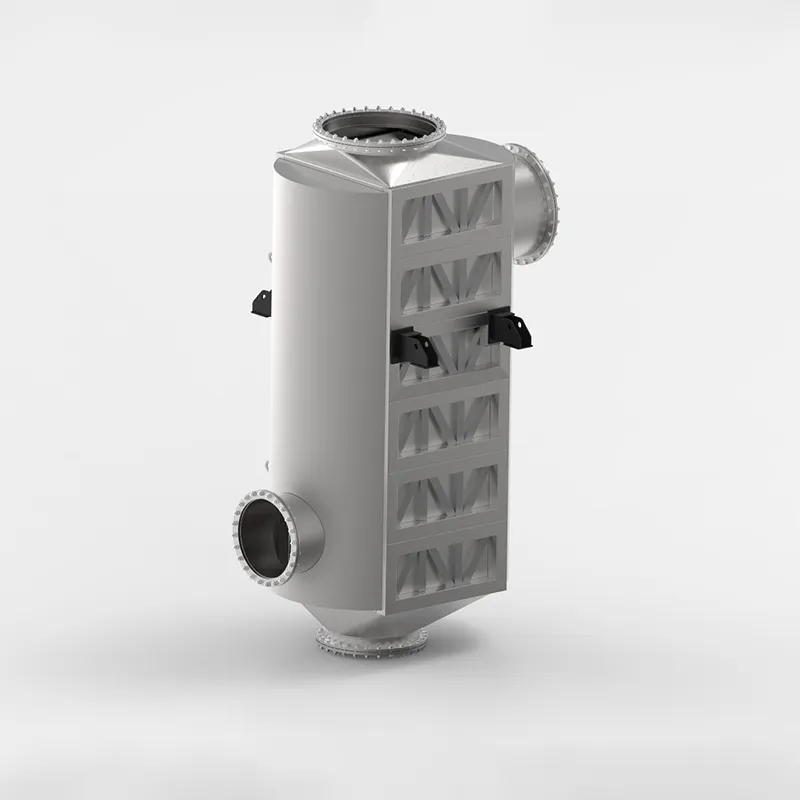
The best materials are high-alloy stainless steels like 904L or 254SMO for acid concentrations above 93% and temperatures up to 120°C. For more aggressive conditions, Hastelloy C-276 is recommended. These materials offer excellent resistance to general corrosion and stress corrosion cracking in sulfuric acid service.
Annual inspections are standard for most plants. However, if the acid stream contains impurities or if operating conditions fluctuate frequently, semi-annual inspections are advisable. Key checkpoints include plate thickness measurement, weld integrity, and pressure drop monitoring across the unit.
Gasketed plate heat exchangers are generally not recommended for concentrated sulfuric acid above 80°C because the gaskets degrade quickly and create leak paths. Welded plate heat exchangers are the safer, more reliable choice. For lower temperatures or dilute acid, gasketed plate heat exchangers with EPDM or Viton gaskets may be used, but always consult a thermal design engineer first.
Pressure drop depends on flow velocity, plate geometry, and the number of passes. For a well-designed welded plate unit, the acid-side pressure drop is typically between 0.5 and 2.0 bar, while the water-side drop ranges from 0.3 to 1.5 bar. These values should be confirmed during the thermal design phase.
For welded plate units, chemical cleaning is the preferred method. A dilute caustic solution followed by a water rinse can remove iron sulfate deposits. Mechanical cleaning is not recommended because it can damage the plate surface. Always follow the manufacturer’s cleaning guidelines to maintain the corrosion-resistant layer.
Yes, retrofitting is common and often results in significant space savings and improved thermal efficiency. A welded plate heat exchanger typically requires only 30–50% of the footprint of a shell-and-tube unit for the same duty. The retrofit process involves verifying piping connections, support structures, and pressure ratings. SHPHE provides engineering support for such conversions.
Selecting the right sulfuric acid cooler is a technical decision that directly affects your plant’s reliability and operating costs. To receive a tailored recommendation and a detailed thermal design, please provide the following information to the SHPHE engineering team: flow rate of sulfuric acid (in m³/h or kg/h), inlet and outlet temperatures, operating pressure, acid concentration, and cooling water temperature and availability. With these parameters, the team can quickly size and select the most cost-effective heat exchanger for your process. Contact SHPHE today to begin the free selection process and ensure your next sulfuric acid cooler delivers optimal performance for years to come.
We provide you with comprehensive foreign trade solutions to help enterprises achieve global development
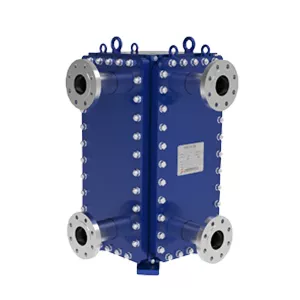
Custom-Engineered for Severe Process Demands. At SHPHE, we don't just supply equipment; we design tailored thermal solutions. Our HT-Bloc welded plate heat exchangers are custom-configured by our experienced engineers to overcome your specific industry challenges—whether handling high-viscosity media, extreme temperatures, or strict space constraints.
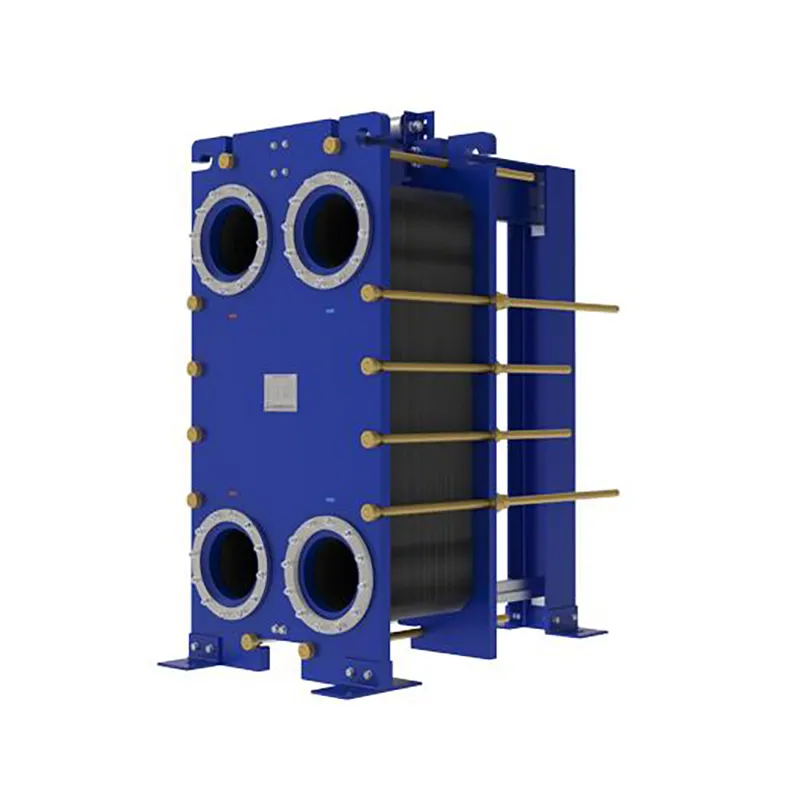
Since the invention of the plate heat exchanger (PHE) in 1923, thermal technology has evolved from standard food-grade processing to highly complex industrial operations. At SHPHE, we take this classic, versatile design and transform it into highly bespoke heat transfer solutions tailored to your unique process fluids and thermal loads. While traditional gasketed PHEs offer high efficiency and compact footprints, SHPHE optimizes plate corrugations, metallurgy, and sealing systems to handle your specific chemical, HVAC, or energy recovery parameters. Our custom-engineered gasketed plate heat exchangers provide outstanding scalability and ease of maintenance, serving as an indispensable asset for heavy industries—including oil and gas, metallurgy, and food processing—where uptime, energy recovery, and long-term sustainability are top priorities.
Originated in the mid-20th century to bypass the manufacturing bottlenecks and weight limitations of standard jacketed thermal components, the Pillow Plate (also known as a dimple plate or embossed plate) has revolutionized precision fluid-wall engineering. At SHPHE, we take this highly flexible technology and elevate it into a core foundation for bespoke industrial heat transfer integration. By utilizing state-of-the-art automated CNC fiber laser welding, our engineers customize the mechanical inflation profiles and spot pitch grids to directly match your specific fluid dynamics, pressure limits, and vessel configurations. Today, SHPHE's custom pillow plates are indispensable assets for worldwide processing plants prioritizing advanced thermal performance, zero-leak safety, and hygienic processing—serving as the definitive solution across food, pharmaceutical, chemical, and bulk solids cooling sectors.
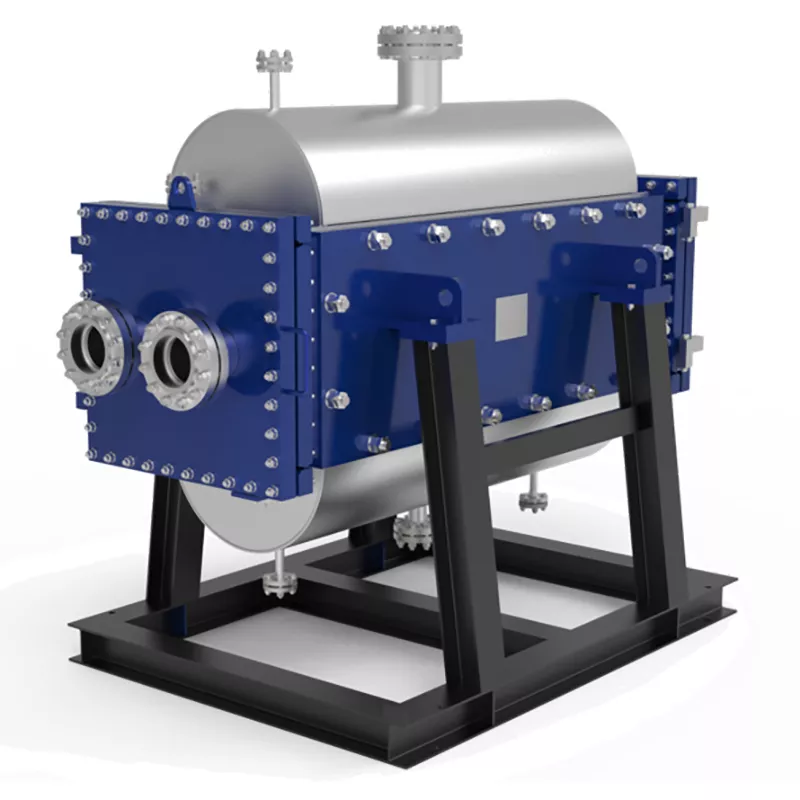
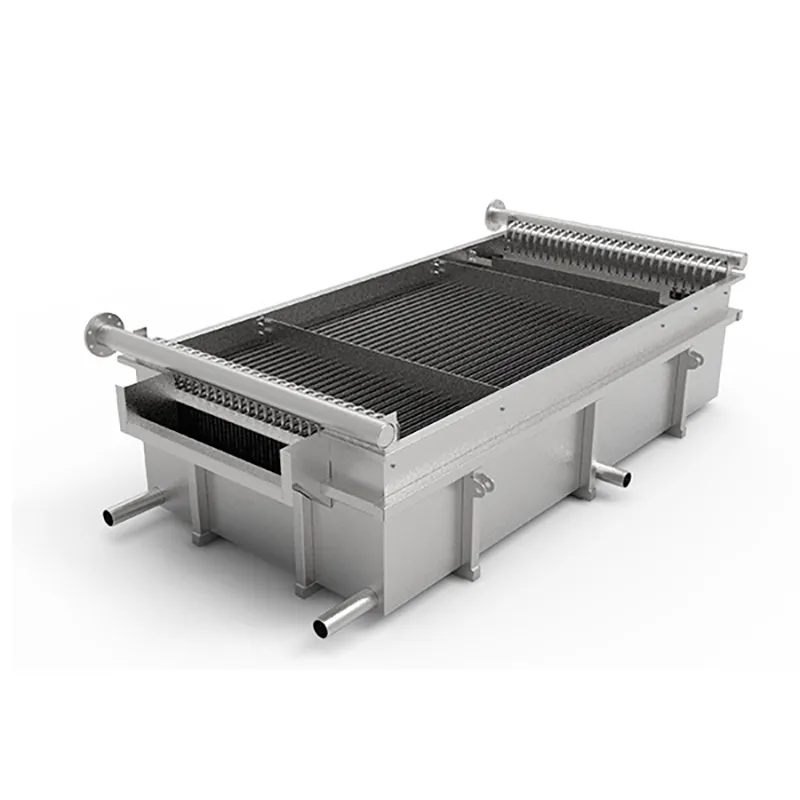
Industrial processes involving particle-laden slurries, high-viscosity syrups, or fiber-rich pulp demand more than standard equipment—they require target-engineered thermal management. At SHPHE, we configure the TP Welded Plate Heat Exchanger to directly conquer your plant's severe fouling, blockage, and erosion threats. Combining custom-tailored channel geometries, wear-resistant metallurgy, and integrated CIP (Cleaning-in-Place) systems, we deliver absolute production continuity where conventional heat exchangers fail.
Select the most popular foreign trade service products to meet your diverse needs
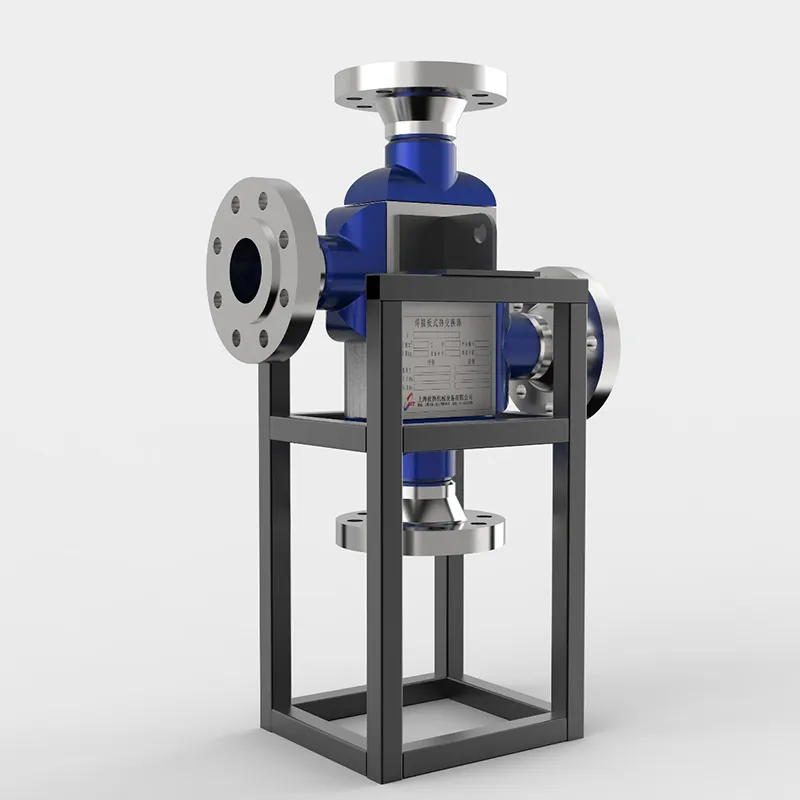
The SHPHE Printed Circuit Heat Exchanger (PCHE) is an advanced diffusion bonded microchannel heat exchanger engineered for demanding high-pressure and high-temperature thermal duties. Compared with conventional shell-and-tube equipment, its chemically etched microchannel structure provides exceptionally high heat-transfer surface density within a compact core. Combined with solid-state diffusion bonding, the design delivers high thermal effectiveness, mechanical integrity, and reliable containment under extreme operating conditions.
Designed as a compact high pressure heat exchanger, the SHPHE PCHE supports critical thermal processes across LNG, natural gas processing, offshore energy systems, supercritical CO₂ power cycles, hydrocarbon processing, and high-pressure hydrogen applications. Its combination of compact size, high pressure capability, low fluid inventory, and efficient heat recovery makes PCHE technology particularly suitable for applications where equipment footprint, weight, safety, and thermal performance are equally important.
Industrial processes involving particle-laden slurries, high-viscosity syrups, or fiber-rich pulp demand more than standard equipment—they require target-engineered thermal management. At SHPHE, we configure the TP Welded Plate Heat Exchanger to directly conquer your plant's severe fouling, blockage, and erosion threats. Combining custom-tailored channel geometries, wear-resistant metallurgy, and integrated CIP (Cleaning-in-Place) systems, we deliver absolute production continuity where conventional heat exchangers fail.
Since the invention of the plate heat exchanger (PHE) in 1923, thermal technology has evolved from standard food-grade processing to highly complex industrial operations. At SHPHE, we take this classic, versatile design and transform it into highly bespoke heat transfer solutions tailored to your unique process fluids and thermal loads. While traditional gasketed PHEs offer high efficiency and compact footprints, SHPHE optimizes plate corrugations, metallurgy, and sealing systems to handle your specific chemical, HVAC, or energy recovery parameters. Our custom-engineered gasketed plate heat exchangers provide outstanding scalability and ease of maintenance, serving as an indispensable asset for heavy industries—including oil and gas, metallurgy, and food processing—where uptime, energy recovery, and long-term sustainability are top priorities.



User Comments
Service Experience Sharing from Real Customers
EmilyChan
Process EngineerWe replaced an old shell-and-tube unit with this sulfuric acid cooler last quarter. The temperature control is way more stable, and I haven't had a single fouling issue yet. Maintenance guys are actually happy for once. Solid build quality.
MarcusR
Shift SupervisorRunning a 98% acid loop at 180°F is no joke, but this cooler handles it like a champ. Only complaint is the initial installation took a bit longer than expected due to flange alignment. Once it was up, though, zero leaks and consistent outlet temps. Would buy again.
LiamT
Plant ManagerI was skeptical about switching vendors, but this cooler cut our energy consumption by nearly 12% compared to the previous model. The graphite block design really makes a difference in heat transfer. My team appreciates the simpler cleaning procedure too. Highly recommend for any high-concentration acid service.
SofiaW
Maintenance TechnicianIt works fine most days, but we had a gasket failure after about 8 months of continuous operation. Replacing it was a pain because the bolts are in a tight spot. When it's running smooth, the cooling performance is great. Just wish it was a bit easier to service on the fly.