Key Design Features of a Modern Coke Oven Gas Cooler
Article Summary: This article explores the critical design features of a modern coke oven gas cooler, focusing on thermal efficiency, fouling resistance, and material selection. Written for process engineers and procurement managers, it covers working principles, key parameters, and practical solutions. SHPHE, a Shanghai-based plate heat exchanger manufacturer since 2005, offers reliable alternatives to brands like Alfa Laval and GEA. Learn how a properly designed coke oven gas cooler can reduce downtime and improve heat recovery in your coking plant.
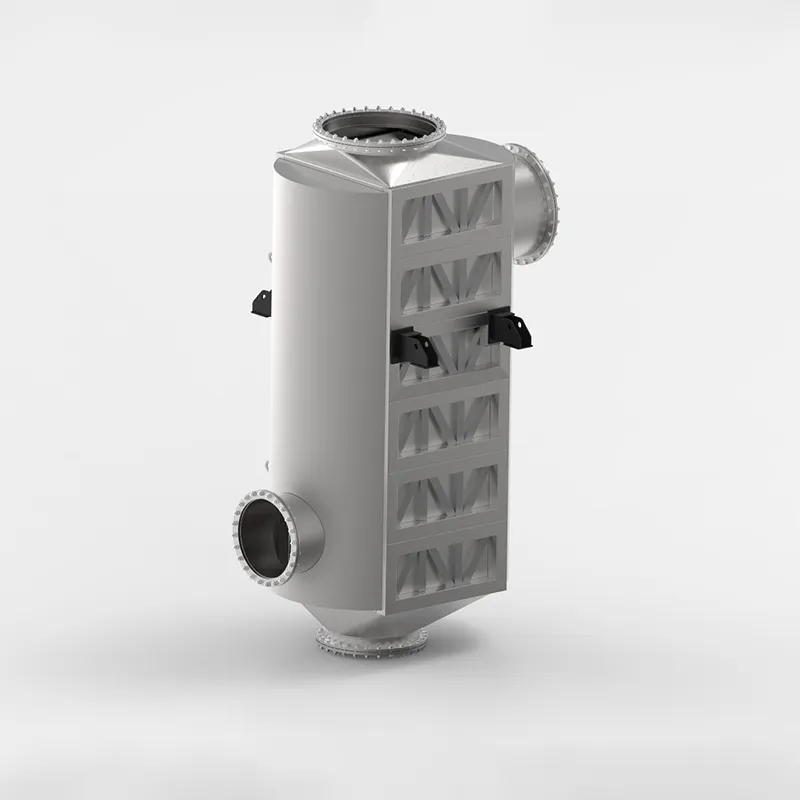
A coke oven gas cooler is a critical piece of equipment in any coking plant. It handles hot, dirty gas straight from the coke oven and cools it down for further processing. The challenge is not just about dropping temperature. It is about managing tar, naphthalene, and particulates that stick to heat transfer surfaces. Without a well-designed cooler, you face frequent cleaning, pressure drop issues, and lost production time.
Modern designs solve these problems with robust plate geometries, wide gaps, and materials that resist corrosion. This article walks you through the key features you need to look for when selecting or specifying a coke oven gas cooler. We will cover working principles, performance ranges, and practical recommendations based on real-world operation.
How Does a Coke Oven Gas Cooler Work?
The process is straightforward. Hot coke oven gas enters the cooler at temperatures between 650°C and 850°C. It passes through a series of heat transfer plates or tubes. Cooling water or another medium flows on the opposite side. The gas temperature drops to around 80°C to 100°C before it moves to the next stage.
The main challenge is fouling. Coke oven gas contains tar, ammonia, hydrogen sulfide, and naphthalene. These components condense and stick to surfaces. A modern coke oven gas cooler uses wide-gap plate designs to let these deposits pass through without clogging. Some designs also incorporate self-cleaning features or easy-access panels for manual cleaning.
For a deeper look at plate configurations, check our wide gap welded plate heat exchanger page. It explains how the gap size affects flow and fouling behavior.
What Are the Key Design Parameters for a Coke Oven Gas Cooler?
When you specify a coke oven gas cooler, you need to consider several parameters. These directly affect performance, maintenance intervals, and total cost of ownership.
- Gas inlet temperature: Typically 650°C to 850°C. Some plants run higher.
- Gas outlet temperature: Target is usually 80°C to 100°C.
- Cooling medium: Water or thermal oil. Water is common but requires careful treatment.
- Pressure drop: Keep below 5 kPa to avoid backpressure on the oven.
- Fouling factor: Design for at least 0.0003 m²·K/W to account for tar buildup.
- Material: Stainless steel 316L or higher for corrosion resistance. Carbon steel is used in low-corrosion zones.
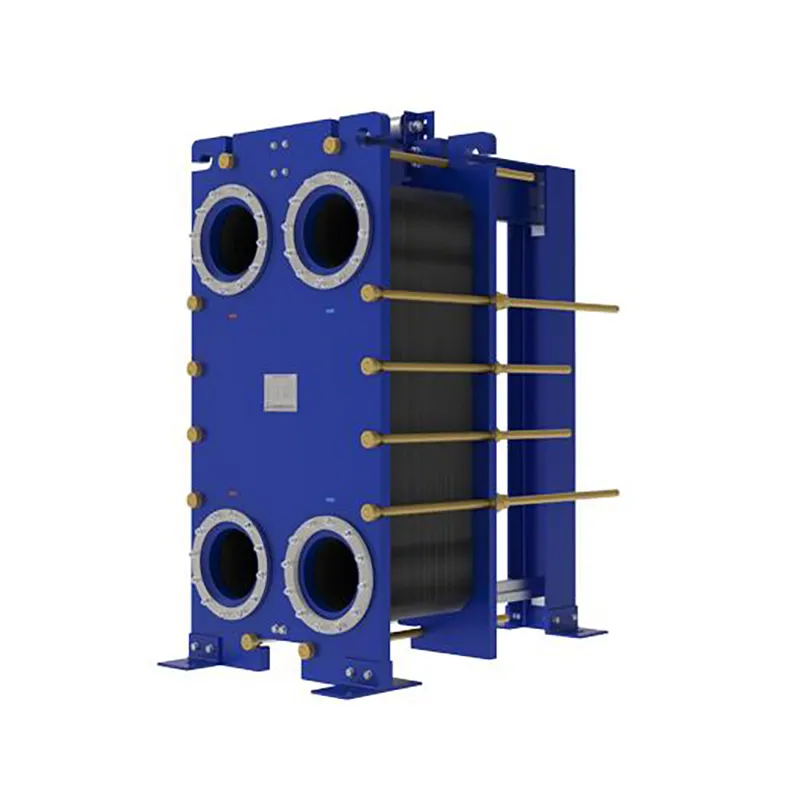
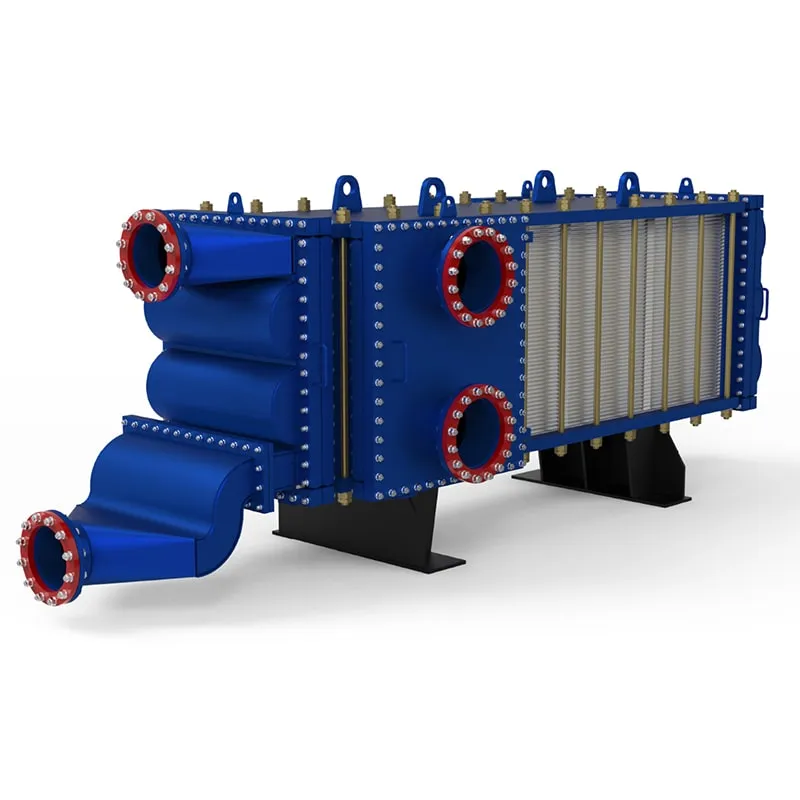
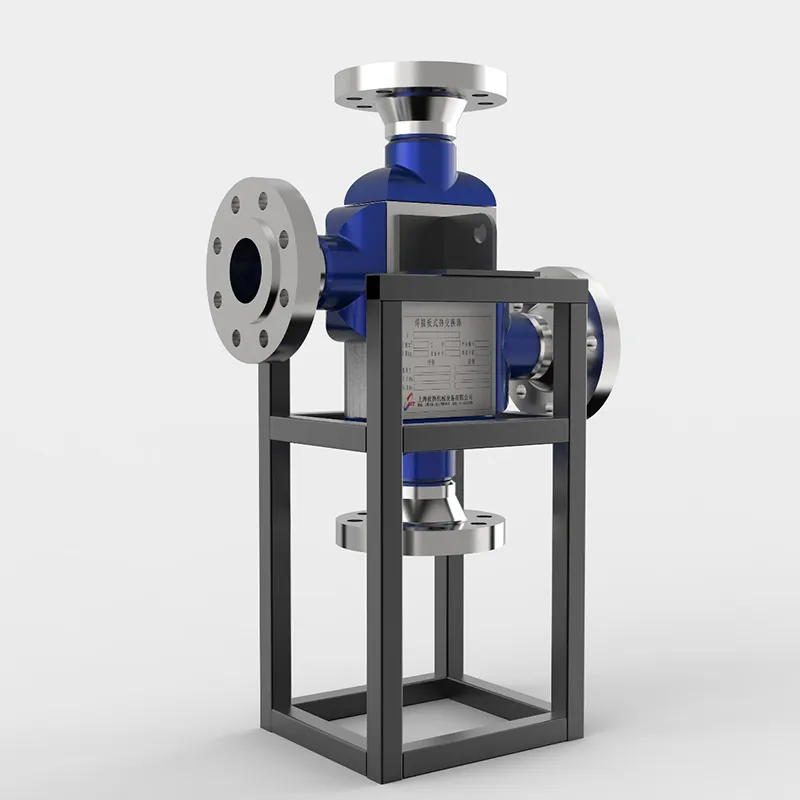
A typical coke oven gas cooler from SHPHE uses welded plate technology. This eliminates gaskets that can fail under high temperature. The plates are pressed from 316L stainless steel and laser-welded into a compact block. The design is compatible with Alfa Laval Compabloc units and offers a cost-effective alternative.
Why Choose a Welded Plate Design for Coke Oven Gas Cooling?
Gasketed plate heat exchangers work well for clean fluids. But coke oven gas is not clean. Tar and solids quickly degrade gaskets. Leaks become a safety and environmental issue. Welded plate designs solve this.
The SHPHE HT-Bloc welded plate heat exchanger is a good example. It uses fully welded plate pairs. There are no gaskets between the gas channels. This means higher temperature limits and no leak paths. The design also allows for wider gaps on the gas side, which reduces fouling.
For more details on this product line, visit our HT-Bloc welded plate heat exchanger page. It covers the specific gap sizes and pressure ratings available.
What Are the Common Applications for a Coke Oven Gas Cooler?
Coke oven gas coolers are used in several stages of a coking plant:
- Primary cooling: Directly after the oven, cooling gas from 800°C to 300°C.
- Secondary cooling: Further cooling to 80°C before desulfurization.
- Final cooling: Used in some plants to reach 30°C for storage or transport.
- Heat recovery: Capturing waste heat for steam generation or preheating combustion air.
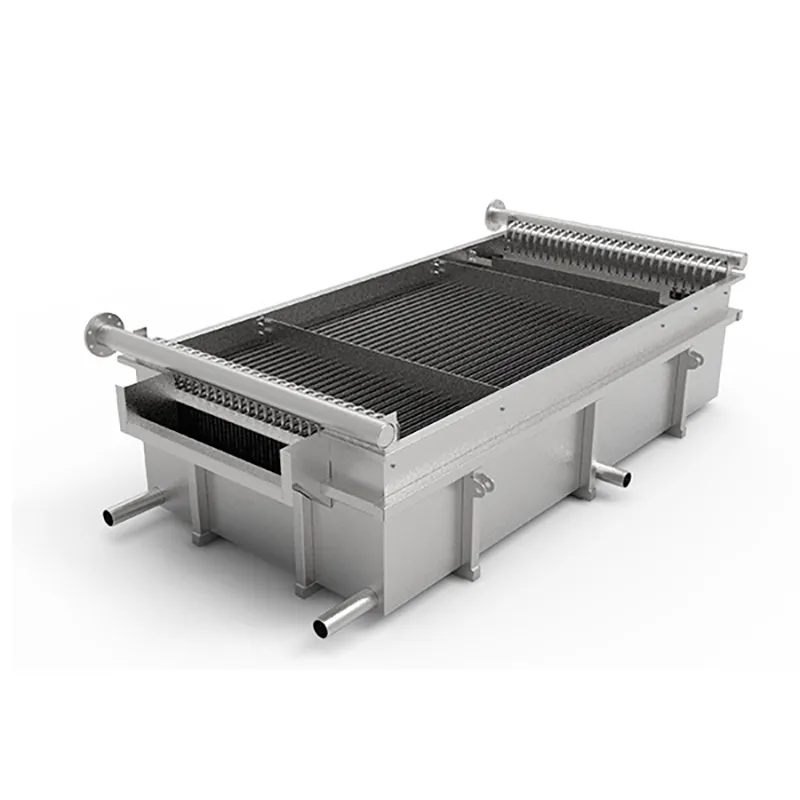
Each stage has different requirements. Primary cooling needs high-temperature materials. Secondary cooling needs good fouling resistance. Final cooling needs precise temperature control. A modern coke oven gas cooler can be customized for each stage.
Why SHPHE for Your Coke Oven Gas Cooler?
SHPHE has been manufacturing plate heat exchangers in Shanghai since 2005. We export to over 20 countries. Our factory holds ISO9001 and ASME U certifications. We do not just sell equipment. We provide free thermal design and selection services. You send us your process conditions, and we recommend the right coke oven gas cooler for your plant.
Our product range includes HT-Bloc welded plate heat exchangers, TP welded plate heat exchangers, wide gap welded plate heat exchangers, gasketed plate heat exchangers, PCHE, plate air preheaters, and pillow plates. All are designed for industrial duty. We also offer custom-engineered solutions for unique applications.
If you need a compact, reliable alternative to GEA or Alfa Laval units, talk to us. Our TP welded plate heat exchanger is a direct replacement for many existing installations. Check the TP welded plate heat exchanger page for dimensions and performance data.
Frequently Asked Questions About Coke Oven Gas Coolers
What is the typical lifespan of a coke oven gas cooler?
With proper maintenance and material selection, a welded plate coke oven gas cooler can last 10 to 15 years. The key is choosing 316L or duplex stainless steel for the gas side. Regular cleaning every 6 to 12 months also extends life.
Can I retrofit a coke oven gas cooler into an existing plant?
Yes. Many plants replace old shell-and-tube coolers with compact plate designs. The footprint is smaller, and thermal efficiency is higher. SHPHE offers custom flange connections to match your existing piping.
How do I clean a fouled coke oven gas cooler?
For welded plate designs, chemical cleaning is the standard method. A caustic solution circulates through the gas side to dissolve tar and naphthalene. Some designs allow for high-pressure water jetting if the plates are accessible.
What is the maximum operating temperature for a coke oven gas cooler?
Welded plate designs can handle up to 900°C on the gas side if made from high-temperature alloys. Standard 316L stainless steel is suitable up to 800°C. For higher temperatures, we recommend Inconel or Hastelloy plates.
Is a coke oven gas cooler compatible with Alfa Laval Compabloc units?
Yes. SHPHE designs are compatible with Compabloc dimensions and connections. We offer direct replacement blocks that fit existing frames. This is a cost-effective alternative to buying new from Alfa Laval.
What maintenance is required for a coke oven gas cooler?
Routine maintenance includes monitoring pressure drop and outlet temperature. When pressure drop increases by 20%, it is time for cleaning. Also inspect welds and connections annually for corrosion. No gasket replacement is needed for welded designs.
Request a Quote for Your Coke Oven Gas Cooler
A properly selected coke oven gas cooler reduces downtime and improves heat recovery. To get the right design for your plant, please provide the following information:
- Gas flow rate (Nm³/h)
- Inlet and outlet temperatures (°C)
- Operating pressure (bar)
- Gas composition (tar, H₂S, NH₃, naphthalene content)
- Cooling medium type and temperature
Our engineering team will perform a free thermal design and selection. We will recommend the most cost-effective coke oven gas cooler for your application. Contact us today with your process data.

 English EN





User Comments
Service Experience Sharing from Real Customers
Elena_M
Senior Process EngineerWe installed this coke oven gas cooler six months ago and the difference in downstream gas quality is night and day. The fouling rate dropped dramatically, and cleaning cycles went from weekly to quarterly. Saved us a ton on maintenance man-hours. Solid build, no leaks so far.
Raj_87
Shift SupervisorI was skeptical about the price tag at first, but this unit handles the high-temp gas way better than our old shell-and-tube. The only hiccup was the initial alignment with our existing ductwork—took an extra day. But once it was running, it’s been smooth. Operator-friendly access for rodding too.
Liam_K
Maintenance TechnicianHonestly, the best part is how easy it is to open up and inspect. We used to dread shutdowns because cleaning the old cooler was a nightmare. This one? Quick access doors, less gunk buildup. My team loves it. No more cutting out gaskets every month.
Sophie_W
Environmental Compliance ManagerWe needed to bring our emissions in line with new local regulations, and upgrading the gas cooling stage made a real difference. The outlet temperature is much more stable, which helps our downstream desulfurization. Only reason I’m not giving 5 stars is the documentation could be clearer for non-native English speakers on site.