How a Central Fresh Water Cooler Marine System Enhances Vessel Thermal Management
A central fresh water cooler marine system is a closed-loop cooling solution that uses fresh water as the primary coolant to remove heat from engines, generators, and auxiliary machinery aboard ships. This article explains how it works, its key performance parameters, and why selecting the right plate heat exchanger is critical for efficiency and reliability. We cover typical temperature ranges, flow rates, and pressure drops, and offer practical guidance for process engineers and purchasing managers evaluating marine thermal management upgrades.
What Is a Central Fresh Water Cooler Marine System?
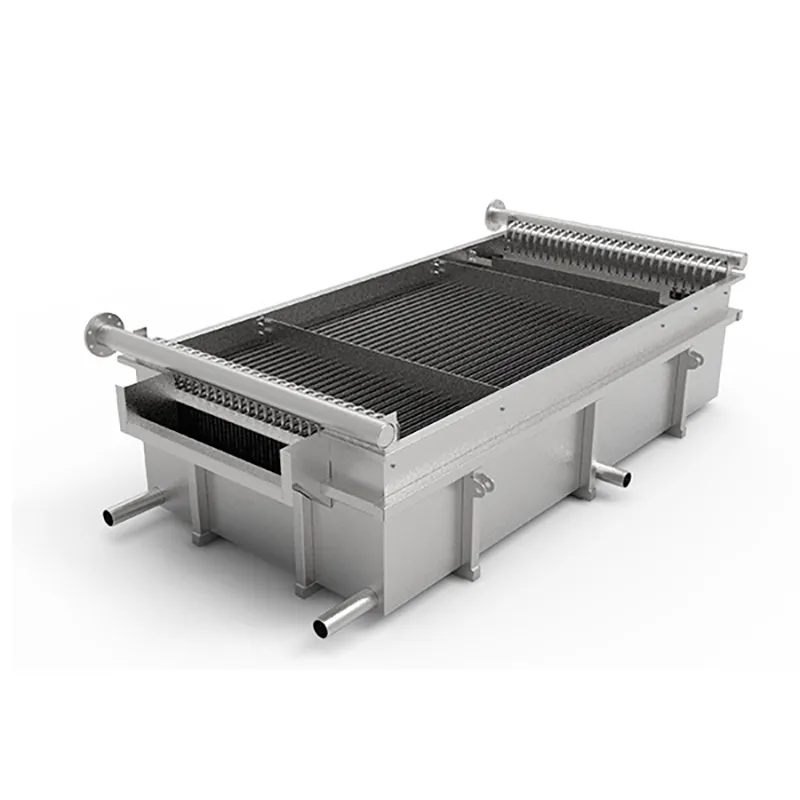
A central fresh water cooler marine system circulates treated fresh water through a closed loop to absorb heat from shipboard machinery. The heated fresh water then passes through a plate heat exchanger, where it transfers thermal energy to seawater or another cooling medium. This design protects internal engine components from corrosion and fouling, which are common with direct seawater cooling. It also allows precise temperature control, improving fuel efficiency and extending equipment life.
For overseas process engineers and purchasing managers, understanding the thermal dynamics of this system is essential. The central fresh water cooler marine system typically operates with fresh water inlet temperatures between 30°C and 50°C, and outlet temperatures between 40°C and 65°C, depending on engine load and ambient conditions. Seawater inlet temperatures range from 10°C to 32°C, with a maximum allowable temperature rise of 10°C to 15°C across the heat exchanger.
How Does a Central Fresh Water Cooler Marine System Work?
The system operates in a simple but effective loop. Fresh water is pumped through the engine jacket, oil coolers, and intercoolers, where it picks up heat. The warmed fresh water then flows to a plate heat exchanger, where it meets cooler seawater on the opposite side of the plates. The heat transfers through the thin metal plates without mixing the two fluids. The cooled fresh water returns to the machinery, and the warmed seawater is discharged overboard.
Key parameters that affect performance include:
- Fresh water flow rate: 50–500 m³/h for most marine applications
- Seawater flow rate: 60–600 m³/h
- Pressure drop: typically 0.5–2.5 bar on each side
- Plate material: titanium or 316L stainless steel for seawater resistance
- Gasket material: EPDM or NBR, rated for 80°C to 150°C
These values are industry-generic and may vary based on vessel size and engine configuration. Always consult thermal design engineers for site-specific sizing.
What Are the Key Features of a Central Fresh Water Cooler Marine System?
A well-designed central fresh water cooler marine system offers several advantages over direct seawater cooling. These include reduced maintenance, longer component life, and better temperature stability. The plate heat exchanger at the heart of the system must be robust, compact, and corrosion-resistant.
Typical features of a marine-grade plate heat exchanger include:
- High thermal efficiency with plate corrugation patterns optimized for turbulent flow
- Compact footprint, saving valuable engine room space
- Easy disassembly for cleaning and inspection
- Compatibility with Alfa Laval, Compabloc, and GEA gasket patterns for retrofit projects
- Wide gap plate options for fluids with suspended solids or high viscosity
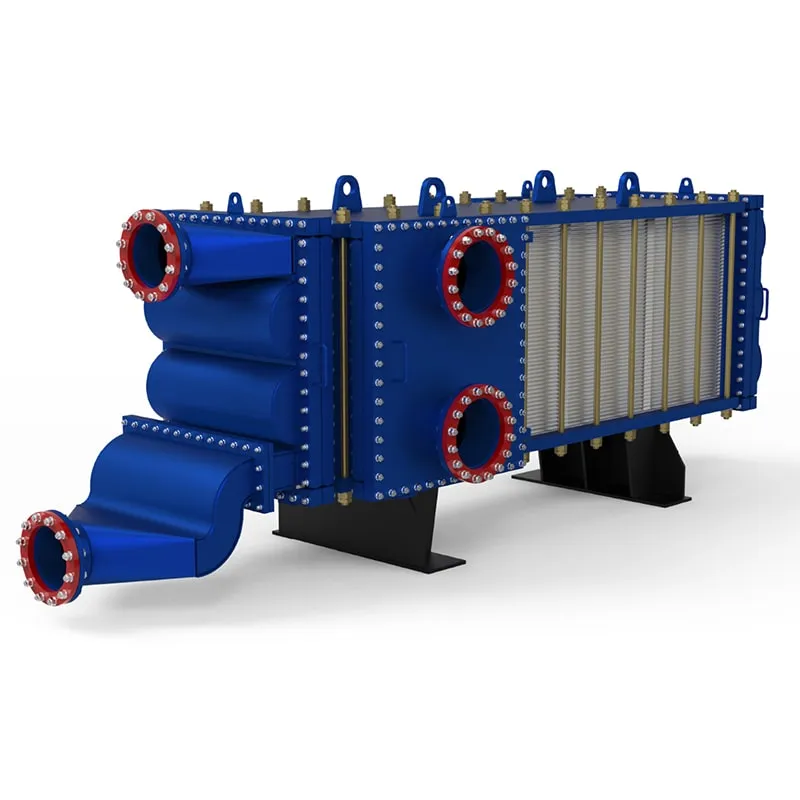
For demanding marine environments, welded plate heat exchangers are often preferred because they eliminate gasket failure risks. Our HT-Bloc welded plate heat exchanger is a popular choice for central fresh water cooling duties, offering all-welded construction with no gaskets and high pressure ratings up to 40 bar.
Applications and Recommended Solutions for Marine Thermal Management
Central fresh water cooler marine systems are used across a wide range of vessels, including container ships, tankers, offshore supply vessels, and naval craft. Each application has unique thermal demands. For example, a large container ship may require multiple heat exchangers in parallel to handle high heat loads, while a smaller workboat might use a single compact unit.
Recommended solutions depend on the cooling medium and space constraints. For seawater applications, titanium plate heat exchangers offer excellent corrosion resistance. For fresh water-to-fresh water duties, 316L stainless steel is cost-effective. When dealing with fluids containing debris or fibers, a wide gap welded plate heat exchanger prevents clogging and reduces cleaning frequency.
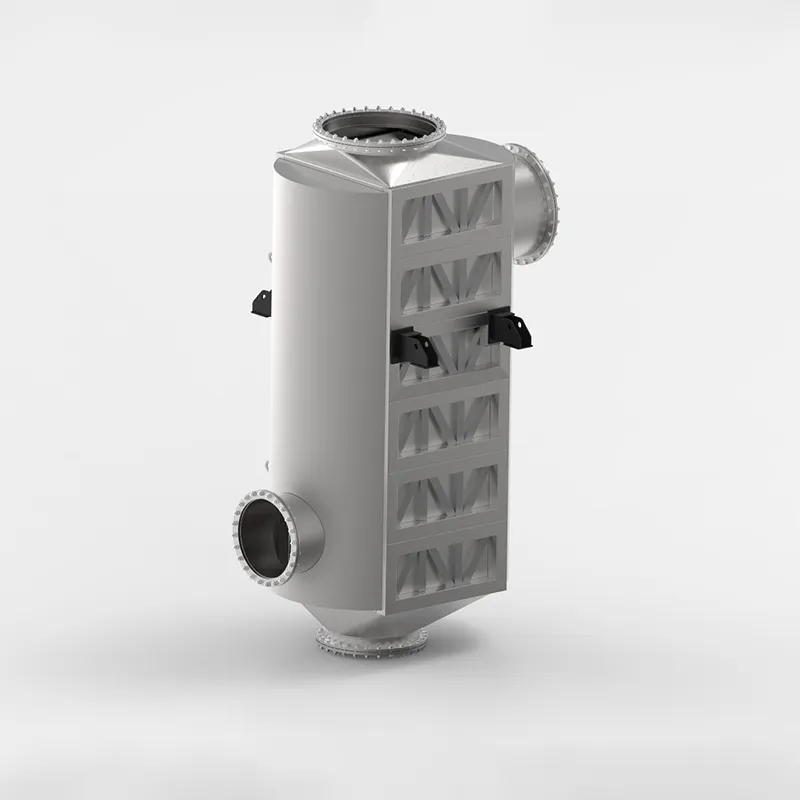
For high-temperature or high-pressure loops, such as those found in engine jacket cooling, a TP welded plate heat exchanger provides robust performance. These units handle temperatures up to 350°C and pressures up to 50 bar, making them suitable for central fresh water cooler marine system applications where reliability is paramount.
Why Choose SHPHE for Your Central Fresh Water Cooler Marine System?
SHPHE is a Shanghai-based plate heat exchanger manufacturer founded in 2005. We export to more than 20 countries and hold ISO9001 and ASME U certifications. Our product lines include HT-Bloc and TP welded plate heat exchangers, wide gap welded plate heat exchangers, gasketed plate heat exchangers, PCHE, plate air preheaters, and pillow plates. We offer free thermal design and selection services to help you find the right solution for your vessel.
Our engineers have extensive experience with central fresh water cooler marine system designs. We can recommend the optimal plate material, gasket type, and flow arrangement based on your specific parameters. Whether you need a drop-in replacement for an existing unit or a custom-engineered solution, we provide technical support from concept through commissioning.
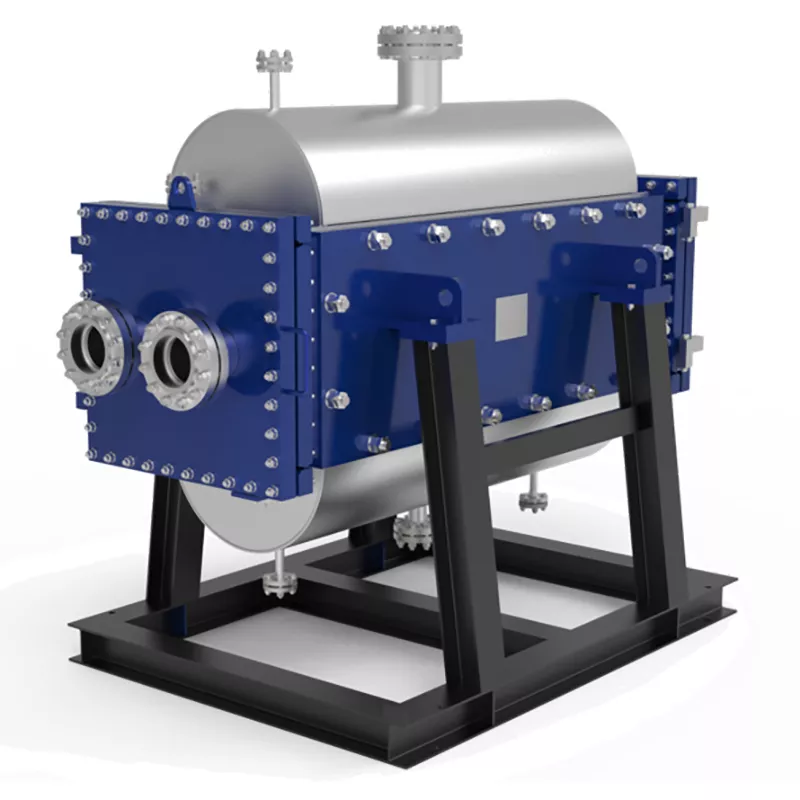
For projects requiring high integrity and minimal downtime, our gasketed plate heat exchangers offer easy maintenance and fast turnaround. For corrosive or high-temperature marine environments, our PCHE and custom engineered pillow plates provide alternative solutions with exceptional durability.
Frequently Asked Questions About Central Fresh Water Cooler Marine Systems
What is the typical temperature difference in a central fresh water cooler marine system?
The temperature difference between fresh water inlet and outlet is usually 5°C to 15°C, depending on engine load and heat exchanger sizing. Seawater temperature rise across the heat exchanger is typically 5°C to 10°C to minimize thermal discharge impact.
How often should the heat exchanger in a central fresh water cooler marine system be cleaned?
Cleaning frequency depends on water quality and operating conditions. For seawater applications, inspection every 6 to 12 months is recommended. If fouling is observed, cleaning with a mild acid solution or mechanical brushing restores performance. Gasketed units are easier to clean than welded types.
Can I retrofit a central fresh water cooler marine system with a different heat exchanger brand?
Yes, many plate heat exchangers are dimensionally compatible with Alfa Laval, Compabloc, and GEA patterns. SHPHE offers gasketed plate heat exchangers that match standard frame sizes and bolt patterns, making retrofitting straightforward without modifying piping.
What materials are best for a central fresh water cooler marine system heat exchanger?
For seawater cooling, titanium plates are recommended due to their excellent corrosion resistance. For fresh water loops, 316L stainless steel is sufficient and more economical. Gaskets should be EPDM for seawater and NBR for fresh water applications.
How do I calculate the required heat exchanger size for my vessel?
You need the heat load in kW, which is the product of fresh water flow rate, specific heat, and temperature difference. Divide by the log mean temperature difference and overall heat transfer coefficient to estimate the required surface area. SHPHE provides free thermal design and selection when you submit your process parameters.
What is the maximum pressure for a central fresh water cooler marine system heat exchanger?
Standard gasketed plate heat exchangers typically handle up to 25 bar. Welded plate heat exchangers, such as the HT-Bloc series, can handle up to 40 bar. For higher pressures, PCHE units are rated up to 600 bar. Always verify the design pressure with your system requirements.
Request a Quote for Your Central Fresh Water Cooler Marine System
To get an accurate thermal design and quotation for your central fresh water cooler marine system, please provide the following details: fresh water flow rate (m³/h), fresh water inlet and outlet temperatures (°C), seawater flow rate (m³/h), seawater inlet temperature (°C), allowable pressure drop (bar), and media type (fresh water, seawater, or other). Our engineering team will respond with a recommended plate heat exchanger model, material options, and pricing within 24 hours.
A properly designed central fresh water cooler marine system reduces fuel consumption, extends engine life, and minimizes downtime. Contact SHPHE today to discuss your vessel thermal management needs and receive a free thermal design proposal.

 English EN





User Comments
Service Experience Sharing from Real Customers
Ethan
Chief EngineerWe installed this central fresh water cooler on our 65-foot sportfisher last season. The build quality is solid—no leaks, no corrosion after months of salt spray. Cools the cabin and bridge deck evenly even in Florida August heat. The only minor gripe is the initial setup instructions could be clearer, but once dialed in, it's a workhorse. Highly recommend for any serious offshore vessel.
Liam
Yacht Delivery SkipperFor the price point, this marine water cooler punches above its weight. I've used it on three different deliveries now—from the Chesapeake to the Bahamas. It's compact enough to fit in tight engine rooms but still pushes plenty of chilled water. The stainless steel housing holds up well to humidity. Only reason not 5 stars is the pump is a bit noisy at full speed, but nothing earplugs can't fix.
Mia
Dive Boat OperatorAbsolute game-changer for our dive charter. Divers come back up parched, and this cooler keeps the water ice-cold even when we're anchored in direct sun all day. The fresh water tank is easy to clean, and the marine-grade components don't rust. We've had ours for eight months of daily use, and it still runs like new. Worth every penny.
Noah
Liveaboard CruiserLiving aboard full-time means every system has to be reliable. This central fresh water cooler replaced an old, inefficient unit, and the difference is night and day. It's quieter than I expected, and the water stays cold even when the solar panels are struggling. Installation took a weekend with basic tools. My only wish is that the drain valve was easier to access for winterizing.