What Factors Influence the Selection of Chemical Process Temperature Solutions in Industrial Reactors?

John A. Smith, Emily R. Johnson, Michael T. Brown

Jun-09-2026

The selection of optimal temperature solutions in industrial reactors is governed by a complex interplay of thermodynamic, kinetic, catalytic, thermal, and safety constraints. Thermodynamically, temperature shifts the equilibrium position of reversible reactions, where exothermic processes favor lower temperatures for higher conversion, while endothermic reactions require elevated temperatures. Kinetically, higher temperatures exponentially increase reaction rates by overcoming activation energy barriers, though this must be balanced against potential side reactions and selectivity losses. Catalyst performance imposes strict thermal stability windows; exceeding the maximum operating temperature can lead to sintering, coking, or deactivation, while insufficient temperatures fail to activate the catalytic sites. Effective heat transfer and reactor thermal management are critical to maintain uniform temperatures, prevent hot spots, and manage heat removal or addition, especially in large-scale systems. Finally, safety considerations dictate careful control of exothermic or endothermic processes to avoid thermal runaway, pressure buildup, or hazardous decomposition. All these factors must be integrated to define a feasible and efficient temperature operating window that maximizes yield, selectivity, and safety in industrial reactor design.

Thermodynamic Constraints and Reaction Equilibrium Shifts

Temperature selection in industrial reactors is fundamentally governed by thermodynamic principles. The Gibbs free energy change (ΔG = ΔH – TΔS) dictates whether a reaction is spontaneous. Endothermic reactions require elevated temperatures to overcome energy barriers, while exothermic reactions benefit from lower temperatures to favor product formation. The equilibrium constant K, defined by van’t Hoff equation, shifts with temperature, directly influencing conversion rates.

For reversible reactions, Le Chatelier’s principle applies: increasing temperature favors endothermic direction, decreasing temperature favors exothermic direction. Thus, optimal temperature profiles must balance kinetic rates with equilibrium limitations. In practice, staged temperature control or heat exchange integration is used to manage these constraints. For further technical insights, refer to custom engineered heat exchanger solutions that address such thermodynamic challenges.

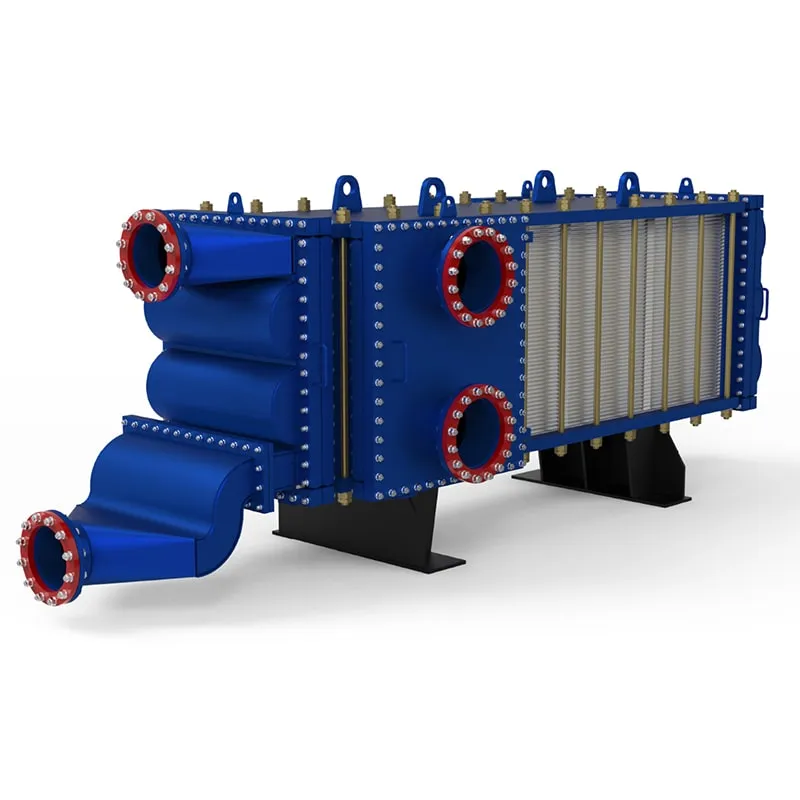
Reaction equilibrium shifts are also influenced by pressure and concentration, but temperature remains the most direct lever. Industrial designs often incorporate multi-stage reactors with inter-stage cooling or heating to maintain favorable equilibrium conditions. For more details on temperature control hardware, explore wide gap welded plate heat exchangers designed for viscous or fouling fluids.

Additionally, catalyst selection and reactor type (e.g., CSTR, PFR) interact with thermodynamic constraints. Temperature gradients within reactors can cause local equilibrium shifts, impacting yield. Advanced heat exchanger technologies like TP welded plate heat exchangers offer precise thermal management to mitigate such issues.

Ultimately, understanding thermodynamic constraints allows engineers to design temperature profiles that maximize selectivity and conversion. Process simulation tools often incorporate these principles to predict equilibrium shifts. For high-temperature applications, custom engineered plate air preheaters provide efficient heat recovery, improving overall process economics.

In summary, temperature solutions are not arbitrary but are constrained by thermodynamics. The interplay between reaction enthalpy, entropy, and equilibrium constants defines operable windows. For robust industrial reactor design, consulting resources like HT Bloc welded plate heat exchangers can provide practical solutions for managing these constraints.

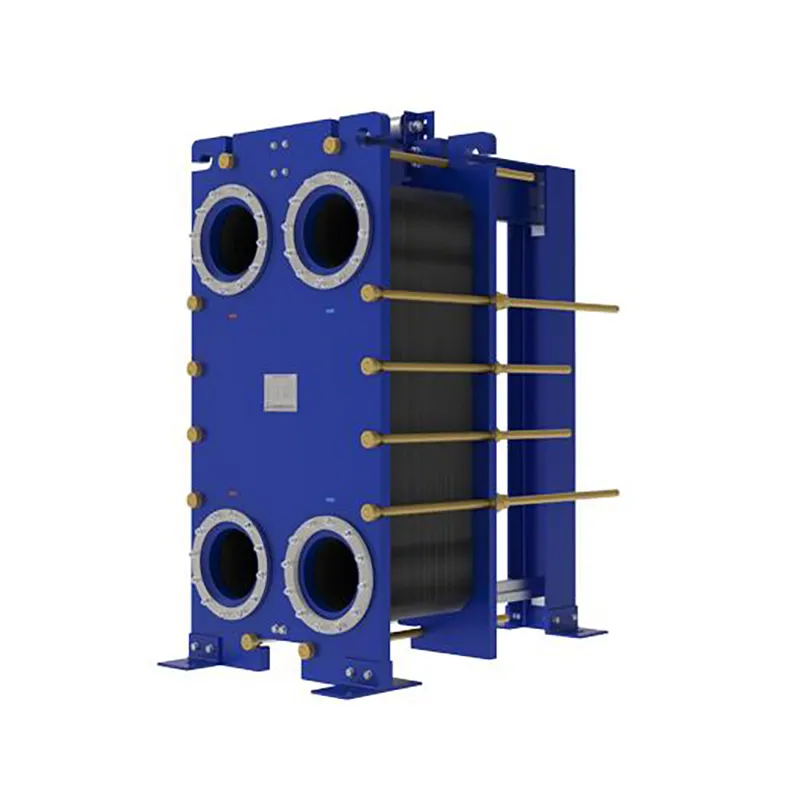
Temperature also affects side reactions and product distribution. Equilibrium shifts may lead to unwanted byproducts if not carefully controlled. Therefore, temperature profiling and heat exchanger design are critical. For modular and scalable options, gasketed plate heat exchangers offer flexibility in industrial reactor temperature control.

Finally, the integration of thermodynamic analysis with equipment selection ensures optimal reactor performance. For specialized geometry requirements, custom engineered pillow plates provide efficient heat transfer surfaces for demanding temperature solutions.

Kinetic Rate Dependencies and Activation Energy Barriers

Reaction kinetics are fundamentally governed by the Arrhenius equation, where temperature exponentially influences the reaction rate constant. The activation energy barrier determines the minimum energy required for reactants to convert into products, directly impacting rate sensitivity to temperature changes.

High activation energy barriers result in stronger temperature dependence, meaning even small temperature adjustments can cause significant changes in reaction rate. For exothermic reactions, careful temperature control is essential to avoid runaway conditions while maintaining optimal conversion.

Industrial reactor design must account for these kinetic dependencies when selecting temperature solutions, balancing reaction rate requirements with heat transfer limitations and safety constraints.

Catalyst Performance and Thermal Stability Windows

The operational temperature range directly determines catalyst activity, selectivity, and longevity. Exceeding the thermal stability window accelerates deactivation through sintering, coking, or phase transformation. Below is a comparative summary of common industrial catalysts and their recommended temperature limits.

Catalyst Type Optimal Temp. (°C) Max. Stable Temp. (°C) Deactivation Risk
Zeolite (ZSM-5) 350 – 450 550 Coking & dealumination
Ni-based (methanation) 280 – 350 450 Sintering & carbon deposition
Cu/ZnO (methanol synth.) 220 – 270 300 Thermal sintering
V₂O₅/WO₃ (SCR) 300 – 400 500 Phase transformation
Pt/Al₂O₃ (reforming) 480 – 520 580 Metal sintering & coking

Selecting a temperature solution must ensure that the reactor’s thermal profile remains within the catalyst’s stable window. For processes requiring precise heat management, advanced heat exchanger designs such as custom engineered printed circuit heat exchangers or wide gap welded plate heat exchangers provide superior temperature uniformity and fast response, helping to preserve catalyst integrity over extended campaigns.

When reaction kinetics demand narrow temperature bands, solutions like gasketed plate heat exchangers or HT Bloc welded plate heat exchangers offer the thermal precision required to avoid local hot spots that could push the catalyst beyond its stability threshold.

Heat Transfer Efficiency and Reactor Thermal Management

Effective thermal management in industrial reactors directly impacts reaction rates, product quality, and energy consumption. Heat transfer efficiency determines how quickly heat can be added or removed from the process fluid, influencing temperature uniformity and control stability.

Key factors affecting heat transfer include fluid properties, flow regime, heat transfer surface area, and fouling resistance. Reactor design must balance heat transfer surface area with mixing requirements to avoid hot spots or cold zones.

Advanced thermal management strategies such as internal coils, external jackets, or recirculation loops are selected based on reaction exothermicity, viscosity, and scale. Proper selection ensures safe operation, minimal thermal degradation, and optimal energy efficiency.

Safety Considerations and Exothermic/Endothermic Process Control

In industrial reactors, the thermal nature of chemical reactions—whether exothermic or endothermic—directly impacts the selection of temperature control systems. Exothermic reactions release heat, requiring robust cooling and emergency relief mechanisms to prevent runaway reactions. Endothermic reactions demand precise heat input to maintain reaction rates and product quality.

Exothermic Reaction Control

For exothermic processes, safety systems must include rapid heat removal through jacketed vessels or external heat exchangers. Advanced control algorithms monitor temperature gradients and adjust coolant flow in real-time. Redundant temperature sensors and interlock systems are critical to prevent thermal excursions.

Heat exchanger selection plays a vital role in managing exothermic heat. Custom engineered printed circuit heat exchangers offer high surface area for efficient cooling, while gasketed plate heat exchangers provide flexibility for varying loads. Explore custom engineered printed circuit heat exchangers and gasketed plate heat exchangers for exothermic applications.

Endothermic Reaction Control

Endothermic reactions require consistent heat supply to sustain activation energy. Temperature solutions often involve direct steam injection, electric heating, or hot oil circulation systems. Heat transfer efficiency is paramount to avoid cold spots and incomplete conversion.

Wide gap welded plate heat exchangers are suitable for endothermic processes handling viscous or fouling media. For high-temperature duties, HT-Bloc welded plate heat exchangers provide robust performance. Learn more about wide gap welded plate heat exchangers and HT-Bloc welded plate heat exchangers.

Safety Integration and Redundancy

Regardless of reaction type, safety considerations include pressure relief valves, emergency shutdown systems, and thermal runaway detection. Temperature control strategies must incorporate fail-safe mechanisms such as redundant cooling loops and independent power supplies for heating elements.

Custom engineered pillow plates offer tailored heat transfer surfaces for reactor jackets, enhancing safety margins. Additionally, TP welded plate heat exchangers provide durable construction for high-pressure applications. View custom engineered pillow plates and TP welded plate heat exchangers for reactor safety solutions.

Process Control Strategies

Advanced process control (APC) systems integrate temperature sensors, flow meters, and valve actuators to maintain setpoints within narrow bands. For exothermic reactions, cascade control loops prioritize cooling capacity, while endothermic systems focus on heating response time.

Plate air preheaters can improve energy efficiency in endothermic processes by preheating feed streams. For custom heat exchanger requirements, explore custom engineered plate air preheaters to optimize thermal control.

Summary

The selection of temperature solutions in industrial reactors is governed by a complex interplay of thermodynamic, kinetic, catalytic, thermal, and safety factors. Thermodynamic constraints dictate the feasibility and equilibrium position of reactions, often requiring temperature adjustments to shift yields favorably. Kinetic rate dependencies highlight the critical role of activation energy barriers, where temperature directly influences reaction speed and selectivity.

Catalyst performance is highly sensitive to temperature, with each catalyst possessing a specific thermal stability window that must be respected to maintain activity and prevent deactivation. Heat transfer efficiency and reactor thermal management are essential for maintaining uniform temperatures and preventing hot spots or thermal runaway, especially in large-scale or highly exothermic processes.

Safety considerations are paramount, particularly in exothermic or endothermic processes, where precise temperature control is necessary to avoid hazardous conditions. The integration of these factors ensures that the chosen temperature solution optimizes reactor performance while maintaining operational safety and economic viability.

Key Takeaways

  • Thermodynamic equilibrium shifts guide temperature selection for maximum product yield.
  • Kinetic rates and activation energy barriers determine the temperature sensitivity of reaction speed.
  • Catalyst thermal stability windows set upper and lower temperature limits for effective operation.
  • Heat transfer efficiency and reactor design are critical for uniform temperature distribution and control.
  • Safety protocols for exothermic and endothermic processes dictate strict temperature monitoring and control strategies.

Ultimately, the optimal temperature solution is a balanced decision that considers all these interdependent factors to achieve safe, efficient, and sustainable chemical production.

Q: How do thermodynamic constraints shift reaction equilibrium in industrial reactors?
A: Thermodynamic constraints, governed by Gibbs free energy (ΔG), dictate equilibrium composition. For exothermic reactions, lower temperatures favor product formation (Le Chatelier’s principle). Endothermic reactions require higher temperatures to shift equilibrium toward products. Reactors operating outside these windows risk low conversion or unwanted byproducts.
Q: What role do activation energy barriers play in kinetic rate dependencies?
A: The Arrhenius equation shows that reaction rate constants increase exponentially with temperature due to overcoming activation energy (Ea). Higher temperatures provide more molecules with energy above the barrier, accelerating reaction rates. However, excessive temperature may cause undesired side reactions or catalyst deactivation.
Q: How do catalyst thermal stability windows influence temperature selection?
A: Catalysts have optimal temperature ranges where activity, selectivity, and stability are maximized. Operating below the window leads to slow kinetics; above it causes sintering, coking, or irreversible deactivation. Temperature must be tightly controlled to maintain catalyst performance and avoid costly replacements.
Q: Why is heat transfer efficiency critical for reactor thermal management?
A: Efficient heat removal or addition maintains uniform temperature, preventing hotspots or cold zones. Poor heat transfer can cause thermal runaway in exothermic reactions or insufficient heat supply in endothermic processes. Jacket design, agitation, and coolant selection directly affect temperature control and product quality.
Q: How do safety considerations dictate temperature control for exothermic/endothermic processes?
A: Exothermic reactions require rapid heat dissipation to avoid pressure buildup or explosions. Endothermic reactions need stable heat input to prevent quenching. Temperature monitoring, emergency cooling, and pressure relief systems are essential. Safe operating limits are defined by reaction calorimetry and worst-case scenario analysis.

Related Products

We provide you with comprehensive foreign trade solutions to help enterprises achieve global development

Custom-Engineered Printed Circuit Heat Exchanger (PCHE)

The SHPHE Printed Circuit Heat Exchanger (PCHE) represents a paradigm shift in microchannel thermal management, meticulously engineered for the world's most critical and demanding industrial boundaries. Developed to surpass the physical limitations of conventional shell-and-tube designs in ultra-high-pressure environments, our custom PCHEs integrate advanced photochemical etching and solid-state diffusion bonding to provide unmatched safety, thermal efficiency, and integrity under extreme stress. Initially deployed within high-consequence sectors such as aerospace and nuclear power generation, PCHE technology has completely revolutionized high-density thermal processing. Today, SHPHE brings this breakthrough engineering to mainstream energy transitions—including LNG liquefaction, supercritical CO² power cycles, hydrocarbon processing, and high-pressure hydrogen systems—enabling plants to maximize energy recovery, ensure zero-leakage security, and significantly shrink environmental footprints.

Heat Exchangers

‌TP Welded Plate Heat Exchanger

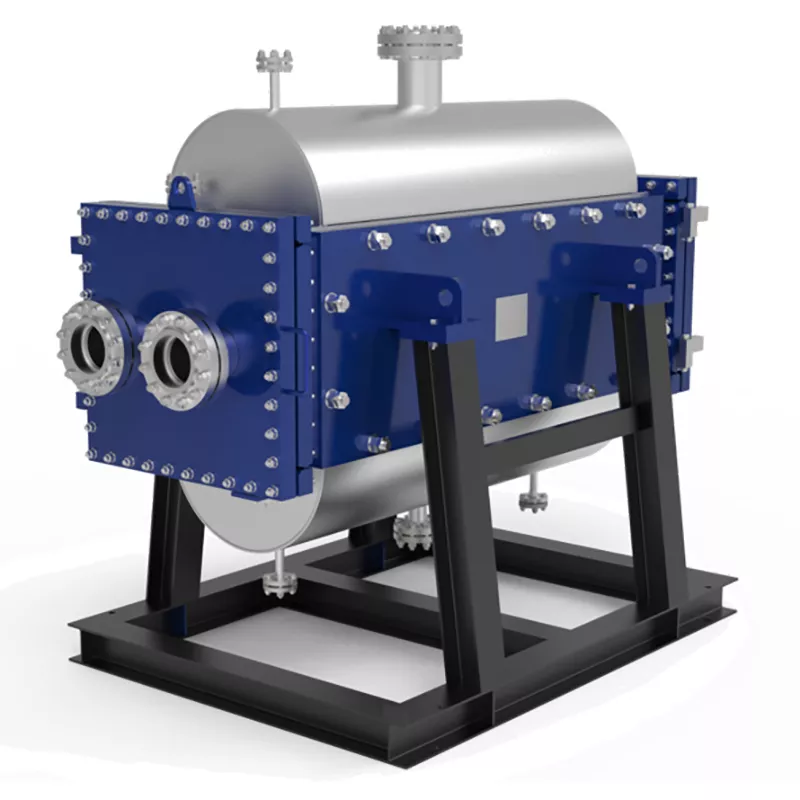
Industrial processes involving particle-laden slurries, high-viscosity syrups, or fiber-rich pulp demand more than standard equipment—they require target-engineered thermal management. At SHPHE, we configure the TP Welded Plate Heat Exchanger to directly conquer your plant's severe fouling, blockage, and erosion threats. Combining custom-tailored channel geometries, wear-resistant metallurgy, and integrated CIP (Cleaning-in-Place) systems, we deliver absolute production continuity where conventional heat exchangers fail.

Heat Exchangers

Custom-Engineered Plate Air Preheaters

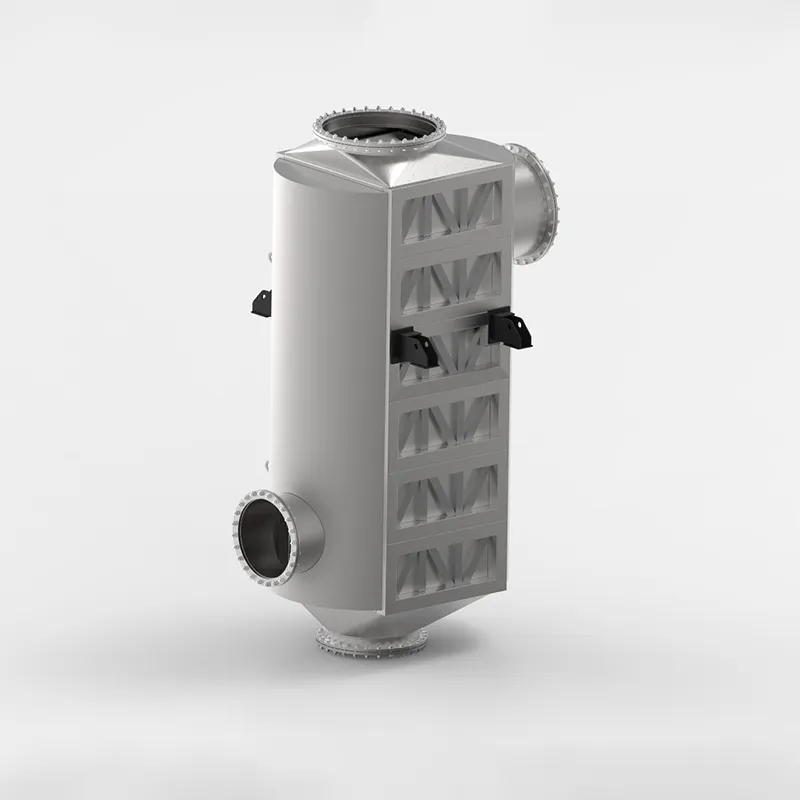
Industrial furnace and boiler exhaust gases carry vast amounts of unutilized thermal energy. The SHPHE custom Plate Air Preheater (PAPH) is target-engineered to intercept this high-temperature flue gas, recovering valuable waste heat and transferring it directly back to incoming combustion air or process gas streams. By substantially elevating the temperature of your flame feed, our custom systems optimize combustion thermodynamics, deliver massive fuel savings, and significantly reduce industrial carbon and emissions footprints. Built to withstand severe flue-gas environments, SHPHE PAPH systems serve as the premier choice for modern, energy-intensive plants prioritizing decarb compliance and maximum thermal efficiency.

Heat Exchangers

Custom-Engineered Gasketed Plate Heat Exchangers

Since the invention of the plate heat exchanger (PHE) in 1923, thermal technology has evolved from standard food-grade processing to highly complex industrial operations. At SHPHE, we take this classic, versatile design and transform it into highly bespoke heat transfer solutions tailored to your unique process fluids and thermal loads. While traditional gasketed PHEs offer high efficiency and compact footprints, SHPHE optimizes plate corrugations, metallurgy, and sealing systems to handle your specific chemical, HVAC, or energy recovery parameters. Our custom-engineered gasketed plate heat exchangers provide outstanding scalability and ease of maintenance, serving as an indispensable asset for heavy industries—including oil and gas, metallurgy, and food processing—where uptime, energy recovery, and long-term sustainability are top priorities.

Heat Exchangers

Hot-Sale Products

Select the most popular foreign trade service products to meet your diverse needs

Heat Exchangers
Custom-Engineered Plate Air Preheaters

Custom-Engineered Plate Air Preheaters

Industrial furnace and boiler exhaust gases carry vast amounts of unutilized thermal energy. The SHPHE custom Plate Air Preheater (PAPH) is target-engineered to intercept this high-temperature flue gas, recovering valuable waste heat and transferring it directly back to incoming combustion air or process gas streams. By substantially elevating the temperature of your flame feed, our custom systems optimize combustion thermodynamics, deliver massive fuel savings, and significantly reduce industrial carbon and emissions footprints. Built to withstand severe flue-gas environments, SHPHE PAPH systems serve as the premier choice for modern, energy-intensive plants prioritizing decarb compliance and maximum thermal efficiency.

Heat Exchangers
Custom-Engineered Pillow Plates & Laser-Welded Jackets

Custom-Engineered Pillow Plates & Laser-Welded Jackets

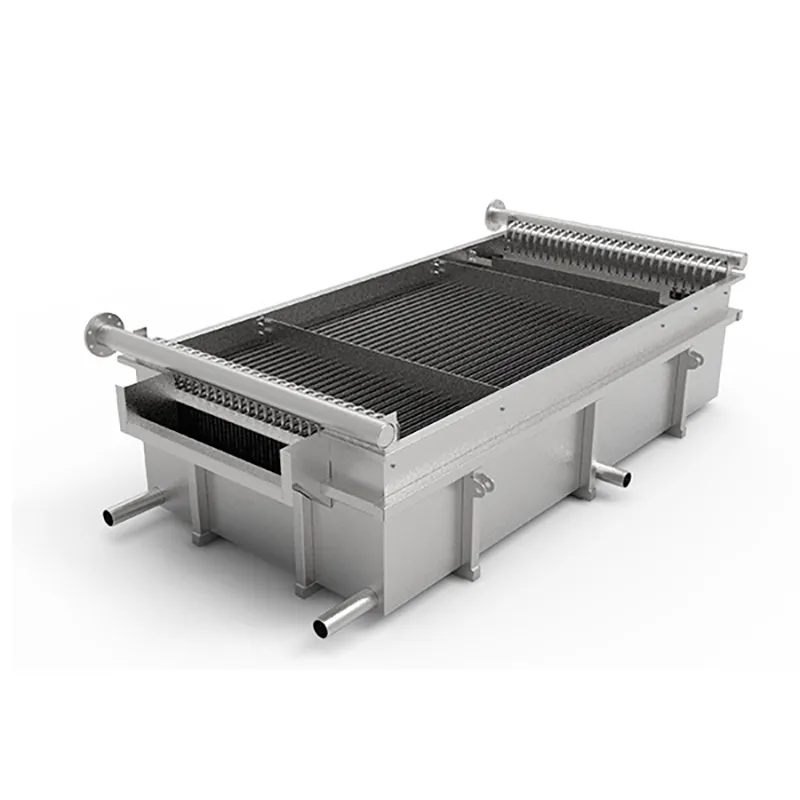
Originated in the mid-20th century to bypass the manufacturing bottlenecks and weight limitations of standard jacketed thermal components, the Pillow Plate (also known as a dimple plate or embossed plate) has revolutionized precision fluid-wall engineering. At SHPHE, we take this highly flexible technology and elevate it into a core foundation for bespoke industrial heat transfer integration. By utilizing state-of-the-art automated CNC fiber laser welding, our engineers customize the mechanical inflation profiles and spot pitch grids to directly match your specific fluid dynamics, pressure limits, and vessel configurations. Today, SHPHE's custom pillow plates are indispensable assets for worldwide processing plants prioritizing advanced thermal performance, zero-leak safety, and hygienic processing—serving as the definitive solution across food, pharmaceutical, chemical, and bulk solids cooling sectors.

Heat Exchangers
Wide Gap Welded Plate Heat Exchanger for Viscous Fluids

Wide Gap Welded Plate Heat Exchanger for Viscous Fluids

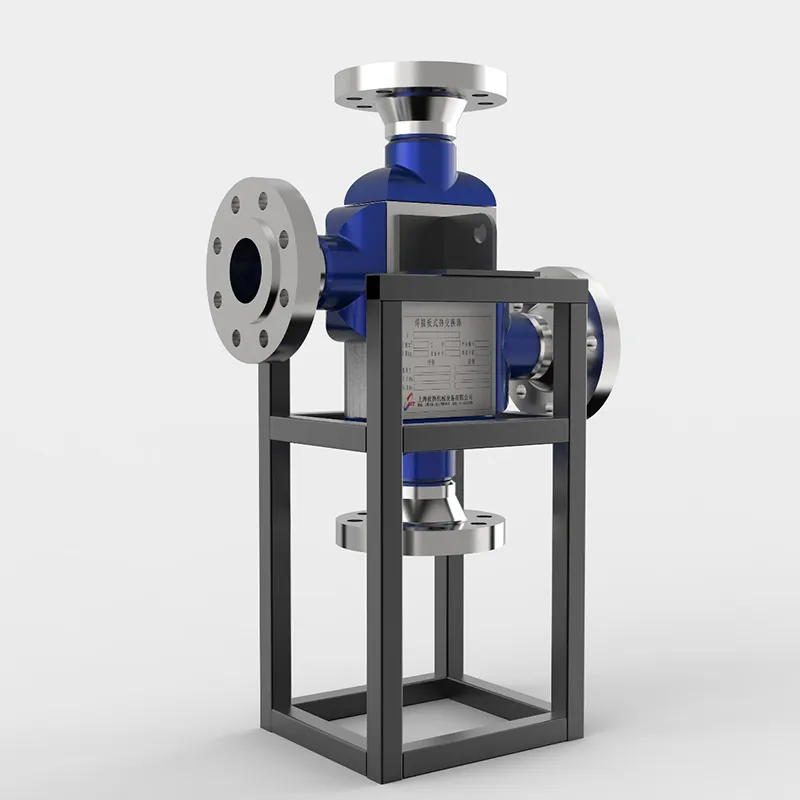
Custom-Engineered Anti-Clogging Solutions for High-Viscosity Slurries: Deployed specifically to conquer severe industrial fouling, SHPHE wide gap welded plate heat exchangers are tailor-built to handle complex media containing dense fibers, coarse crystals, or solid suspensions without clogging. Each non-obstructed channel is calculated and formed by laser-welded plate packs matching your fluid’s exact rheology and grain size, completely eliminating structural "dead zones" and media stagnation. Available in highly compact vertical and versatile horizontal configurations, our vertical engineering drastically reduces plant footprints while maintaining unhindered product throughput, minimal pressure drops, and flawless continuous operations across harsh process loops.

User Comments

Service Experience Sharing from Real Customers

5.0

We’ve been using these temp control units for our batch reactors, and the precision is insane. No more thermal runaway scares, and the ramp-up time is spot on. Saved us a ton on energy bills too.

5.0

Honestly, I was skeptical at first because our old setup was a mess. But these solutions are dead simple to operate. My guys picked it up in a day. Only knock is the initial calibration took a bit longer than expected.

5.0

For lab-scale trials, consistency is everything. This system holds temperature within ±0.1°C even when I’m running exothermic reactions. It’s like having a steady hand I never had before. Huge win for our polymer research.

5.0

I’ve worked in food processing for 12 years, and these units are the easiest to clean and service. No weird nooks where stuff gums up. Only reason it’s not a 5 is the manual could be clearer about the PID tuning.

SHPHE has complete quality assurance system from design, manufacturing, inspection and delivery. It is certified with ISO9001, ISO14001, OHSAS18001 and hold ASME U Certificate.
© 2005-2026 Shanghai Heat Transfer - Privacy Policy