Engineering Excellence in High Pressure Plate Heat Exchanger Design
High pressure plate heat exchanger design demands precision, robust materials, and proven thermal engineering. This article explores how SHPHE delivers reliable solutions for demanding processes, covering working principles, key features, applications, and practical answers to common buyer questions. Whether you are evaluating gasketed or welded options, understanding the engineering behind high pressure plate heat exchangers helps you make informed decisions for your plant.
Process engineers and purchasing managers often face the challenge of selecting a heat exchanger that can withstand high operating pressures while maintaining thermal efficiency. A high pressure plate heat exchanger must balance mechanical strength with compact design, especially in industries like chemical processing, oil and gas, and power generation. At SHPHE, a Shanghai-based manufacturer founded in 2005, we have focused on engineering excellence in high pressure plate heat exchanger design for nearly two decades, exporting to over 20 countries with ISO9001 and ASME U certifications.
What Makes a High Pressure Plate Heat Exchanger Different?
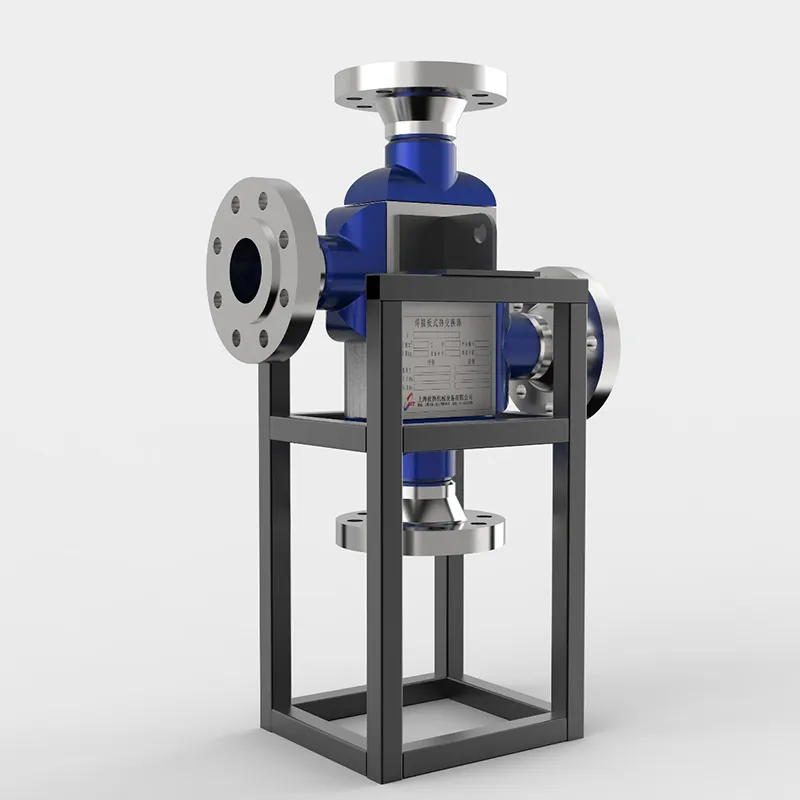
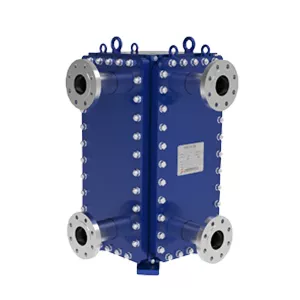
Standard plate heat exchangers typically operate below 30 bar. A high pressure plate heat exchanger, however, is designed to handle pressures exceeding 40 bar, sometimes up to 100 bar or more, depending on the construction. The key difference lies in the plate geometry, gasket or welding technology, and frame strength. SHPHE uses thicker plates, reinforced port openings, and heavy-duty frames to ensure leak-free performance under extreme conditions. Our HT-Bloc welded plate heat exchanger is a prime example of this engineering approach, offering a fully welded construction that eliminates gasket limitations at high pressures.
How Does a High Pressure Plate Heat Exchanger Work?
The working principle remains similar to standard plate heat exchangers: two fluids flow through alternating channels formed by corrugated plates, transferring heat through the thin metal walls. In a high pressure plate heat exchanger design, the plates are laser-welded or gasketed with high-pressure rated elastomers, and the frame is bolted with extra clamping force. The corrugation pattern is optimized to maintain turbulent flow even at reduced velocities, enhancing heat transfer without excessive pressure drop. For applications where fouling or viscous fluids are present, SHPHE offers wide gap welded plate heat exchangers, which provide larger channel openings while still handling elevated pressures.
Key Features and Typical Parameter Ranges
When evaluating a high pressure plate heat exchanger, consider these commonly accepted design parameters:
- Design pressure: 40 bar to 100 bar (higher for custom welded units)
- Design temperature: -40°C to 350°C, depending on gasket or welding material
- Plate materials: stainless steel 316L, titanium, Hastelloy, or duplex alloys
- Gasket options: NBR, EPDM, Viton, or compressed fiber for high-pressure service
- Frame construction: carbon steel with heavy-duty tie bolts and guide bars
- Thermal performance: overall heat transfer coefficients typically range from 3,000 to 7,000 W/m²K
SHPHE provides free thermal design and selection service to match these parameters to your specific process conditions. Our engineers use validated software to simulate performance before manufacturing.
Applications and Recommended Solutions
High pressure plate heat exchangers are widely used in:
- Chemical processing: reactor cooling, solvent heating, and high-pressure distillation
- Oil and gas: gas compression intercoolers, amine treatment, and hydraulic oil cooling
- Power generation: steam condensing, feedwater heating, and turbine lube oil cooling
- Pharmaceuticals: high-purity fluid heating and cooling under pressure
- Renewable energy: geothermal brine heat exchange and hydrogen processing
For each application, SHPHE recommends the most suitable product line. Our TP welded plate heat exchanger is ideal for moderate pressures and temperatures where gaskets are undesirable. For extreme pressures, the HT-Bloc series provides a robust alternative to shell-and-tube designs. If your process involves slurries or fibrous media, consider our wide gap welded units. We also offer printed circuit heat exchangers for ultra-high pressure and compact applications.
Why Choose SHPHE for High Pressure Plate Heat Exchanger Design?
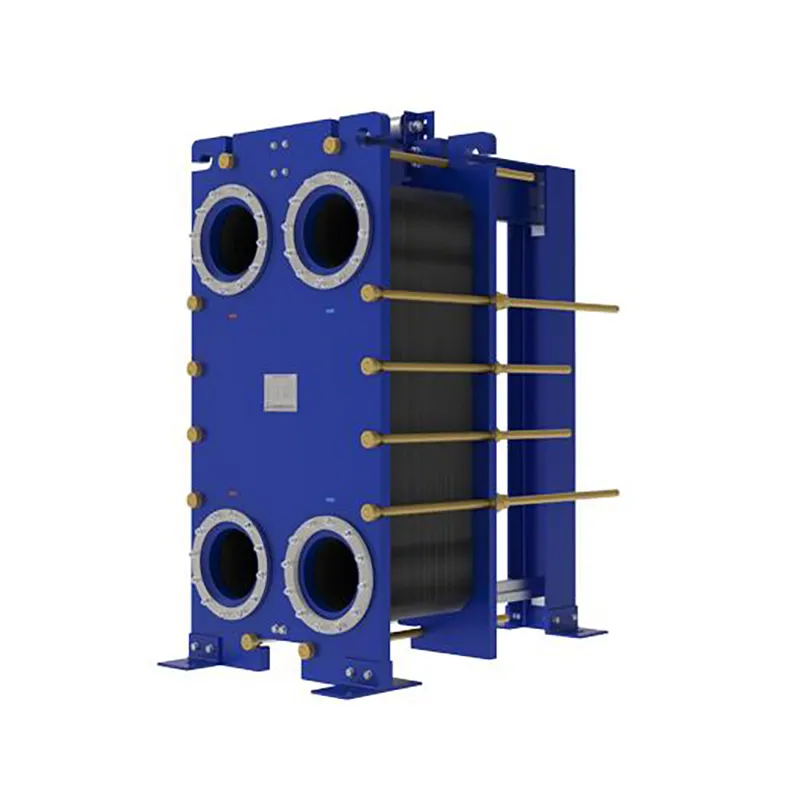
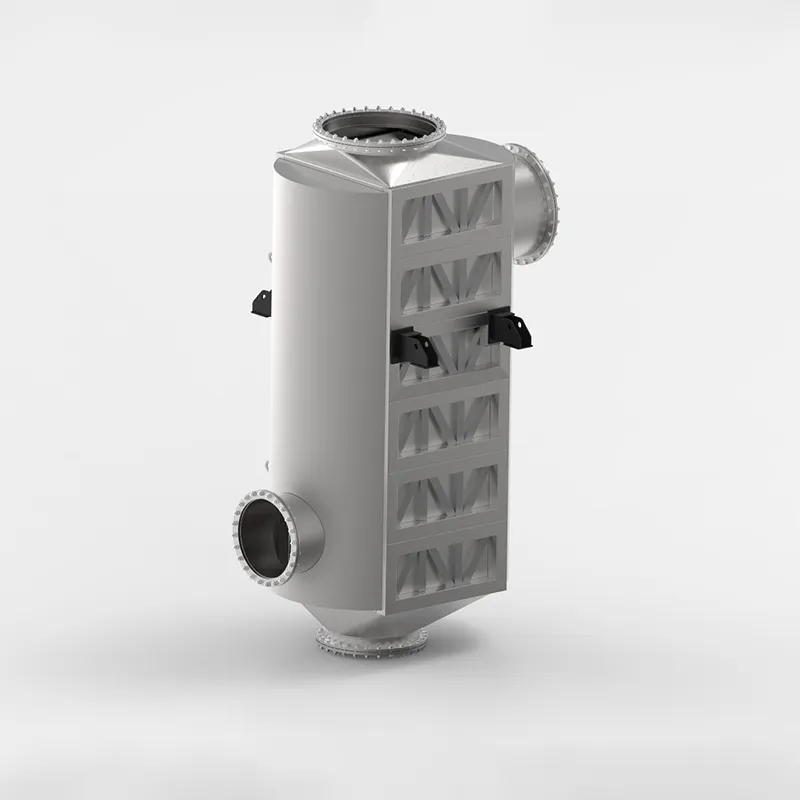
SHPHE combines two decades of manufacturing experience with a commitment to engineering excellence. Our high pressure plate heat exchanger design is backed by ISO9001 quality management and ASME U stamp certification, ensuring every unit meets international standards. We offer a full range of products, including gasketed plate heat exchangers, welded plate heat exchangers, plate air preheaters, and pillow plates. Unlike many suppliers, we provide free thermal design and selection, helping you find the optimal configuration without upfront cost. Our team works closely with clients to understand process conditions, pressure requirements, and media properties, delivering a solution that fits your plant exactly.
We also understand that existing installations may need replacement or upgrades. Our products are compatible with major brands such as Alfa Laval, Compabloc, and GEA, offering a reliable alternative that matches or exceeds original performance. Whether you need a direct replacement or a custom-engineered solution, SHPHE delivers with short lead times and competitive pricing.
Frequently Asked Questions About High Pressure Plate Heat Exchangers
What is the maximum pressure for a plate heat exchanger?
The maximum pressure depends on the design and construction. Gasketed plate heat exchangers typically handle up to 30 bar, while fully welded designs like SHPHE HT-Bloc can operate at 100 bar or more. Always consult the manufacturer for specific pressure ratings based on your plate material and gasket selection.
Can a high pressure plate heat exchanger handle corrosive fluids?
Yes. SHPHE offers plates in titanium, Hastelloy, and duplex stainless steels, which resist corrosion from acids, chlorides, and other aggressive media. Proper material selection is critical, and our engineers can recommend the best alloy based on your fluid composition and operating temperature.
How do I choose between a gasketed and welded high pressure plate heat exchanger?
Choose gasketed if you need frequent cleaning, lower initial cost, and pressures below 30 bar. Choose welded if you require higher pressures, higher temperatures, or want to eliminate gasket leakage risks. SHPHE provides both options and can help you evaluate the trade-offs for your specific process.
What maintenance is required for a high pressure plate heat exchanger?
Regular inspection of gaskets, bolts, and plate surfaces is recommended. For gasketed units, replace gaskets every 3-5 years depending on operating conditions. Welded units require less frequent maintenance but should be checked for fouling and pressure drop changes. SHPHE provides maintenance guidelines with every unit.
Can SHPHE provide a replacement for an existing Alfa Laval or GEA unit?
Yes. SHPHE offers compatible replacement plates, gaskets, and complete units that match the dimensions and performance of Alfa Laval, Compabloc, GEA, and other major brands. Our thermal design team ensures the replacement meets your duty requirements without modifying existing piping.
How long does it take to get a custom high pressure plate heat exchanger?
Lead times vary based on complexity and materials. Standard designs typically ship within 4-6 weeks. Custom high pressure units with special alloys or ASME U stamp certification may take 8-12 weeks. SHPHE offers expedited options for urgent projects.
Request a Quote for Your High Pressure Plate Heat Exchanger
To get a precise recommendation and quotation for your high pressure plate heat exchanger design, please provide the following details to our engineering team:
- Flow rate for both hot and cold sides
- Inlet and outlet temperatures
- Operating pressure and allowable pressure drop
- Media type, composition, and any fouling tendencies
- Preferred material or compatibility with existing equipment
SHPHE offers free thermal design and selection service, ensuring you get the most efficient and cost-effective high pressure plate heat exchanger for your process. Contact us today to start your project.

 English EN





User Comments
Service Experience Sharing from Real Customers
Ethan
Maintenance TechnicianWe installed this high pressure plate heat exchanger in our pilot plant six months ago. The thermal performance is solid and it handles the pressure spikes without leaking. Only gave it 4 stars because the gasket replacement took a bit longer than expected on the first service, but once you get the hang of it, it's fine.
Sophie
Process EngineerI've been specifying plate heat exchangers for over a decade, and this one is a beast. The high pressure rating really opened up design options for our new heat recovery loop. No fouling issues so far, and the compact footprint saved us a ton of floor space. Highly recommend for anyone dealing with aggressive pressure requirements.
Marcus
Shift SupervisorIt does the job for our dairy pasteurization line, but I wish the cleaning cycle was a bit more straightforward. The plates are tough and handle the pressure well, but we've had to adjust our CIP procedure twice to get it consistently clean. Not a deal breaker, just something to be aware of if you're in food production.
Liam
Senior Mechanical EngineerWe're using this exchanger in a high-temperature geothermal loop, and it's been flawless for 18 months. The titanium plates are holding up against the corrosive brine, and the pressure containment is exactly as rated. I was skeptical about plate heat exchangers at high pressures, but this one changed my mind. Absolutely reliable.