Why Nickel Alloy Heat Exchangers Excel in Corrosive and High-Temperature Environments
Process engineers and purchasing managers handling aggressive chemical streams or extreme thermal loads know that standard stainless steel heat exchangers often fail prematurely. Nickel alloy heat exchangers, with their exceptional resistance to pitting, stress corrosion cracking, and oxidation at elevated temperatures, offer a reliable solution for harsh environments. This article examines why these units outperform conventional designs, covers working principles, typical parameters, and application scenarios, and provides actionable guidance for selecting the right equipment. SHPHE, a Shanghai-based manufacturer founded in 2005 with ISO9001 and ASME U certifications, supplies several nickel alloy heat exchanger configurations tailored to corrosive and high-temperature duties.
What Makes Nickel Alloys Essential for Heat Exchanger Construction?
Nickel alloys, such as Alloy C-276, Alloy 625, and Alloy 400, contain high levels of nickel (typically 40–70%) combined with chromium, molybdenum, and other elements. This composition forms a stable passive layer that resists chloride-induced pitting and crevice corrosion, even in seawater or hydrochloric acid environments. At temperatures above 500°C, nickel alloys maintain mechanical strength and resist oxidation far better than austenitic stainless steels. For example, Alloy C-276 can withstand wet chlorine gas and hypochlorite solutions, while Alloy 625 offers excellent fatigue resistance under cyclic thermal loads. These properties make nickel alloy heat exchangers a preferred choice for chemical processing, offshore oil and gas, and waste heat recovery systems.
How Do Nickel Alloy Heat Exchangers Handle Corrosive Fluids?
In a typical shell-and-tube or plate heat exchanger design, the nickel alloy wetted surfaces come into direct contact with aggressive media. The high molybdenum content (up to 16% in C-276) provides resistance to reducing acids like sulfuric and formic acid. For oxidizing environments, chromium content (14–22%) helps maintain passivity. The thermal design must account for lower thermal conductivity compared to copper or aluminum, but modern plate geometries compensate by enhancing turbulence and heat transfer coefficients. SHPHE offers several configurations compatible with nickel alloys:
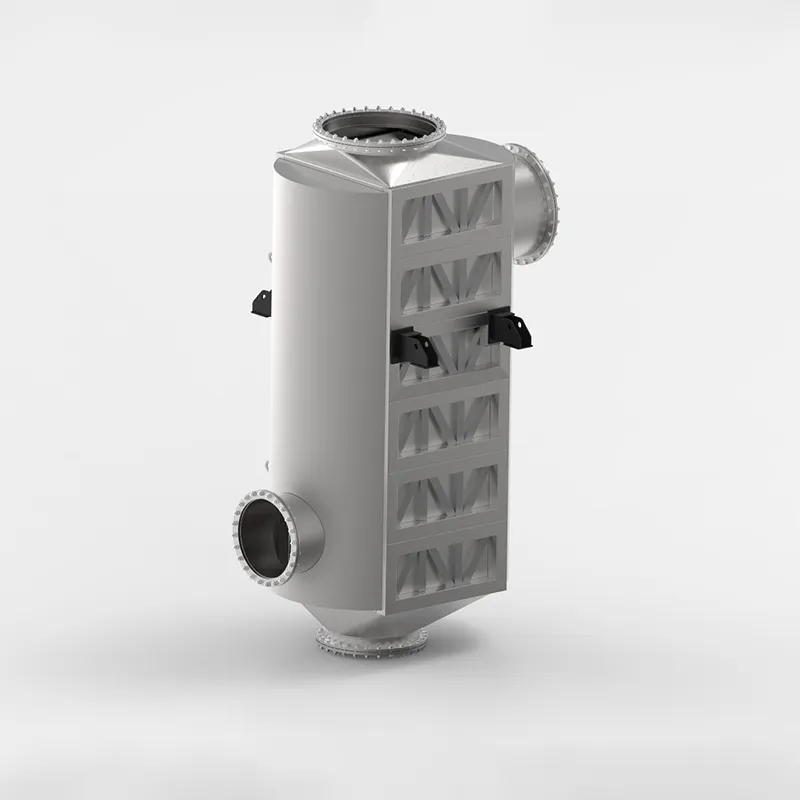
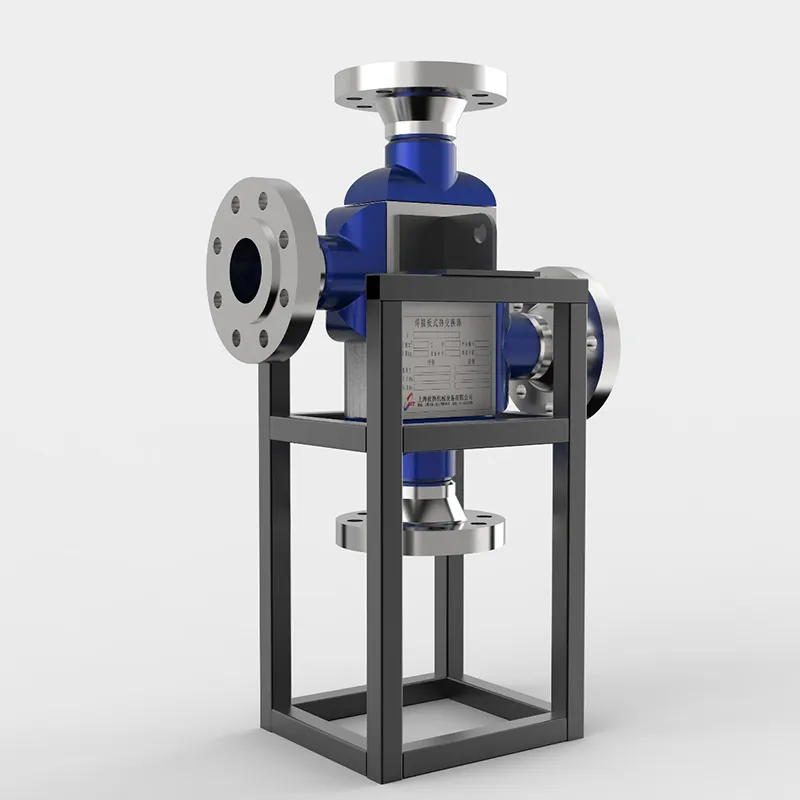
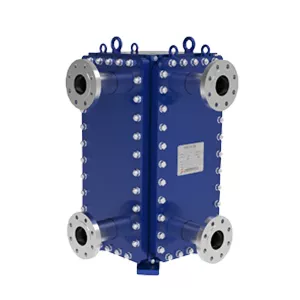
- HT-Bloc/TP Welded Plate Heat Exchangers – fully welded construction eliminates gasket failures in aggressive media.
- Wide Gap Welded Plate Heat Exchangers – handle fouling fluids and slurries with nickel alloy plates.
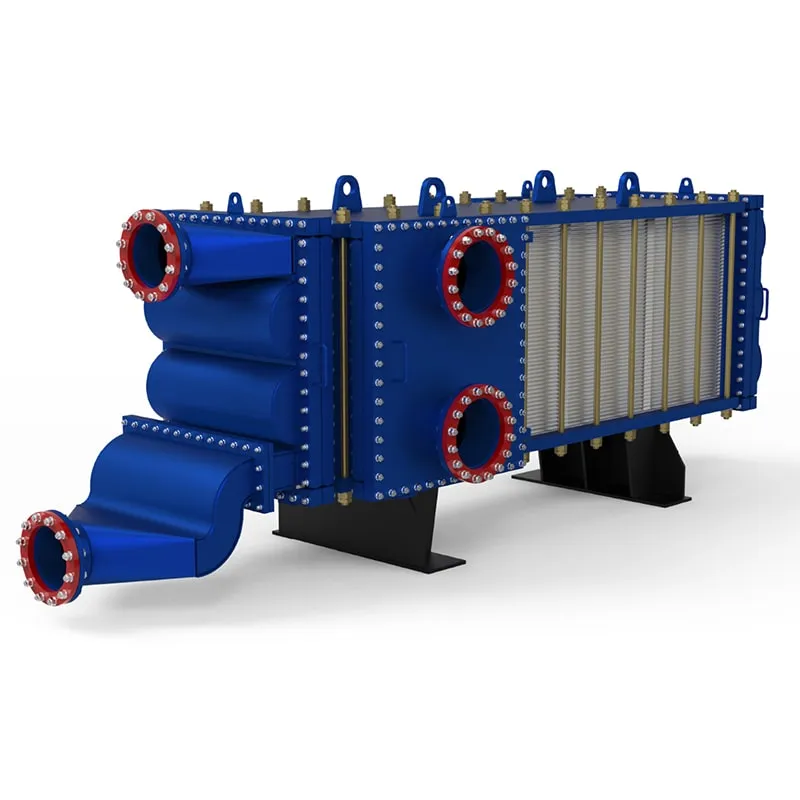
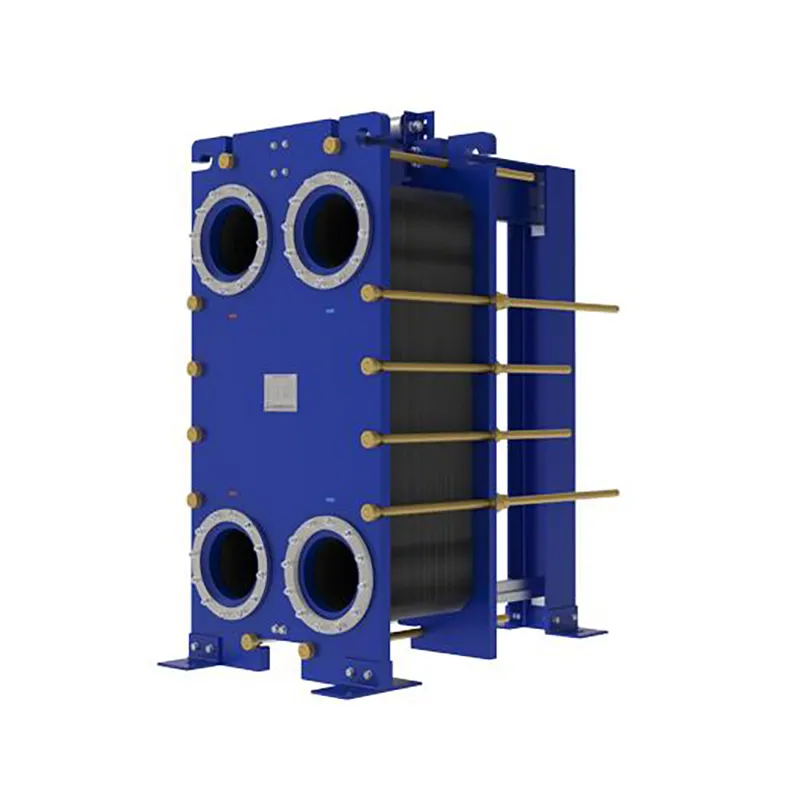
- Gasketed Plate Heat Exchangers – available in nickel alloy for moderate corrosive duties with easy maintenance.
- PCHE (Printed Circuit Heat Exchangers) – compact, high-pressure units for extreme temperatures.
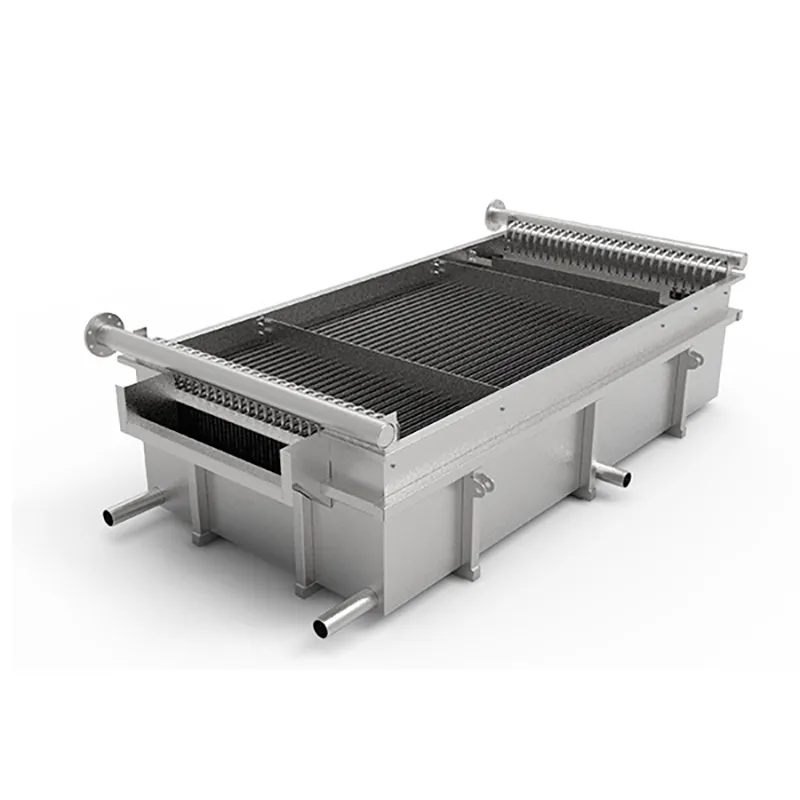
- Plate Air Preheaters – nickel alloy options for flue gas heat recovery.
- Pillow Plates – jacketed heating/cooling surfaces for reactors and tanks.
Each design can be fabricated from Alloy C-276, Alloy 625, or Alloy 400 depending on the specific chemical composition and temperature profile. SHPHE provides free thermal design and selection service to match the alloy grade with process conditions.
Typical Parameter Ranges for Nickel Alloy Heat Exchangers
While exact values depend on the specific alloy and design, industry-generic parameters for nickel alloy heat exchangers fall within these commonly accepted ranges:
| Parameter |
Typical Range |
| Maximum operating temperature |
800–1100°C (depending on alloy) |
| Maximum operating pressure |
30–100 bar (plate designs); up to 600 bar (PCHE) |
| pH range for continuous service |
0–14 (alloy-dependent) |
| Chloride concentration tolerance |
Up to 200,000 ppm (C-276) |
| Heat transfer coefficient (water-water) |
3000–7000 W/m²·K (gasketed plate) |
These ranges are industry-generic; actual performance should be verified through thermal design calculations. SHPHE engineers can provide detailed datasheets for specific alloy grades and configurations.
Applications and Recommended Solutions
Nickel alloy heat exchangers are deployed across several demanding industries. In chemical processing, they handle sulfuric acid coolers, chlor-alkali plant brine heaters, and acetic acid recovery units. Offshore oil and gas platforms use them for seawater cooling and produced water treatment. Power generation facilities rely on them for flue gas desulfurization (FGD) systems and supercritical CO₂ cycles. For each application, the recommended solution depends on temperature, pressure, and fouling tendency:
SHPHE units are compatible with or serve as alternatives to established brands like Alfa Laval, Compabloc, and GEA, offering cost-effective solutions without compromising performance.
Why SHPHE for Nickel Alloy Heat Exchangers?
SHPHE has been manufacturing plate heat exchangers in Shanghai since 2005, exporting to over 20 countries. The company holds ISO9001 and ASME U certifications, ensuring quality management and pressure vessel compliance. Their engineering team provides free thermal design and selection service, helping clients choose the correct nickel alloy grade and configuration. With a broad product portfolio covering welded, gasketed, PCHE, air preheater, and pillow plate designs, SHPHE can address nearly any corrosive or high-temperature requirement. The company does not fabricate case studies or client names beyond its general export footprint, but its track record in supplying nickel alloy heat exchangers to chemical and energy sectors is well established.
Frequently Asked Questions About Nickel Alloy Heat Exchangers
Q: Can nickel alloy heat exchangers handle seawater cooling?
A: Yes, alloys like C-276 and 625 offer excellent resistance to chloride-induced pitting in seawater. Gasketed or welded plate designs with these alloys are commonly used in offshore cooling systems.
Q: What is the maximum temperature for a nickel alloy plate heat exchanger?
A: Depending on the alloy, continuous service up to 1100°C is possible. For Alloy 625, typical limits are around 980°C; for C-276, 800°C is common. Always verify with thermal design.
Q: Are nickel alloy heat exchangers more expensive than stainless steel?
A: Yes, material costs are higher, but longer service life and reduced downtime often justify the investment. SHPHE offers competitive pricing through optimized plate designs.
Q: Can I retrofit an existing stainless steel unit with nickel alloy plates?
A: In many gasketed plate designs, replacement plates can be fabricated from nickel alloys. SHPHE provides retrofit services for compatible frames.
Q: How do I select the right nickel alloy for my process?
A: Provide the chemical composition, temperature, pressure, and any fouling tendencies. SHPHE engineers perform free thermal design and material selection based on your data.
Q: What certifications does SHPHE hold for nickel alloy fabrication?
A: SHPHE is ISO9001 and ASME U certified, ensuring traceability and quality control for nickel alloy welding and assembly.
Request a Quote for Your Nickel Alloy Heat Exchanger
To receive a tailored thermal design and quotation, please provide the following details:
- Flow rate (hot side and cold side)
- Inlet and outlet temperatures
- Operating pressure
- Media composition (including corrosive species and concentrations)
Contact SHPHE with your process parameters to get started. Nickel alloy heat exchangers deliver long-term reliability in the toughest environments—ensure your next project uses the right material and design.

 English EN





User Comments
Service Experience Sharing from Real Customers
Ethan
Senior Process EngineerWe installed a nickel alloy heat exchanger in our ammonia synthesis loop last quarter. The corrosion resistance in our high-pressure, high-temp environment is night and day compared to the 304L we were using. No pitting or stress cracks after six months of continuous operation. Installation was straightforward, and the thermal performance exceeded the spec sheet. Worth the premium price for the peace of mind.
Liam
Maintenance SupervisorBought this for a tricky seawater cooling loop on our offshore platform. The nickel alloy handles the chloride content like a champ—we were replacing our old titanium units every 18 months. So far, zero fouling issues and the pressure drop is consistent. Only giving 4 stars because the delivery took a week longer than promised, but the product itself is solid.
Mia
R&D Lab ManagerWe needed a compact heat exchanger for a pilot plant testing aggressive organic acids at 250°C. This nickel alloy unit arrived perfectly machined, and the weld joints are flawless. After 200+ thermal cycles, no leaks or deformation. The data logging from the integrated sensors is a nice bonus. My team is already planning to spec it for our next scale-up project.
Owen
Plant OperatorIt’s a well-built exchanger—heavy duty flanges and good surface finish. We’re using it to preheat a caustic soda stream, and it handles the alkalinity fine. My only gripe is the cleaning access: the tube bundle is a tight squeeze. Took us half a shift longer to rod out than our old unit. Works great when it’s running, but maintenance is a hassle.