How a Lithium Battery Plant Heat Exchanger Optimizes Production Efficiency and Safety
In lithium battery manufacturing, precise thermal management is critical for both production throughput and workplace safety. A lithium battery plant heat exchanger directly impacts electrode drying, electrolyte filling, and cell aging processes. This article explains how selecting the right heat exchanger design—whether welded, gasketed, or plate air preheaters—can reduce energy consumption, prevent thermal runaway risks, and improve overall plant efficiency. We cover working principles, key performance parameters, application-specific recommendations, and answer common buyer questions. For process engineers and procurement managers seeking reliable thermal solutions, understanding these factors ensures optimal capital investment and operational reliability.
What Makes a Lithium Battery Plant Heat Exchanger Different from Industrial Standards?
Lithium battery production involves aggressive electrolytes, high-purity water, and temperature-sensitive electrode coatings. Standard heat exchangers may suffer from corrosion, fouling, or leakage that compromises product quality. A dedicated lithium battery plant heat exchanger must handle:
- NMP (N-Methyl-2-pyrrolidone) solvent recovery with high vapor loads
- Deionized water cooling for electrode slurry mixing
- Thermal oil or steam heating for drying ovens
- Precise temperature control during cell formation and aging
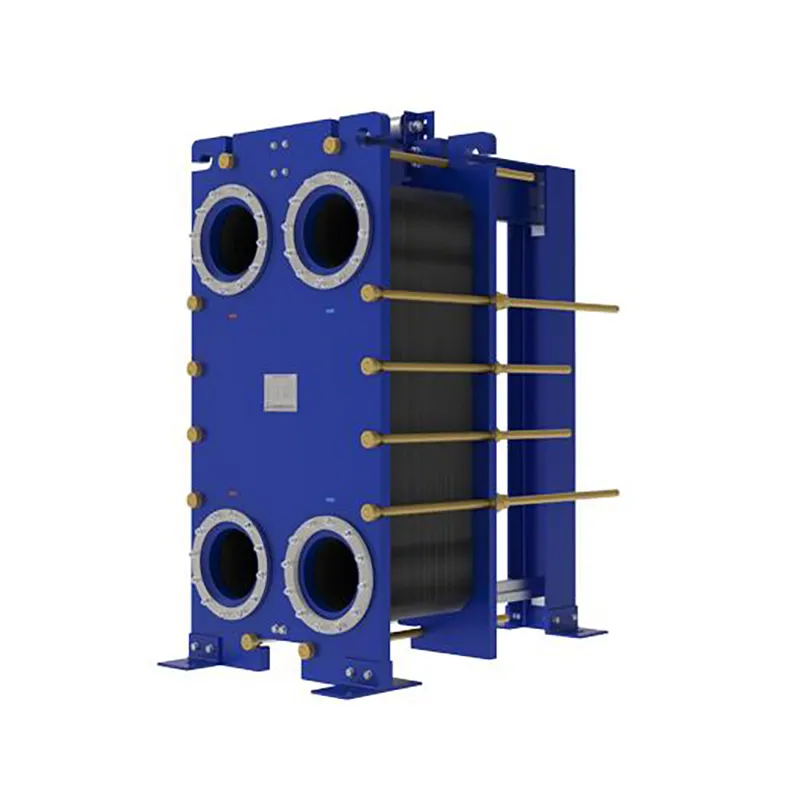
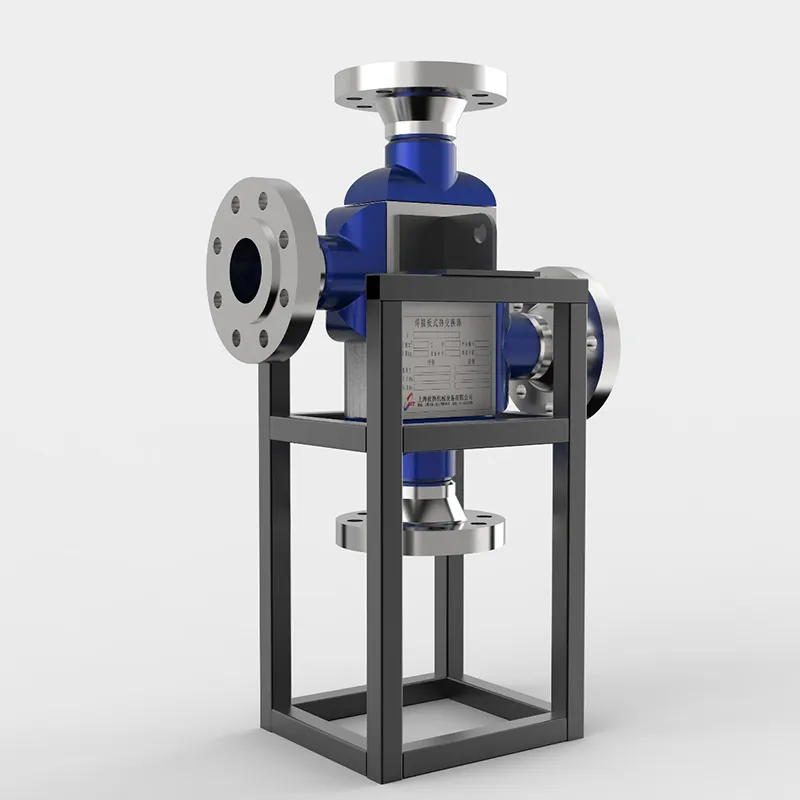
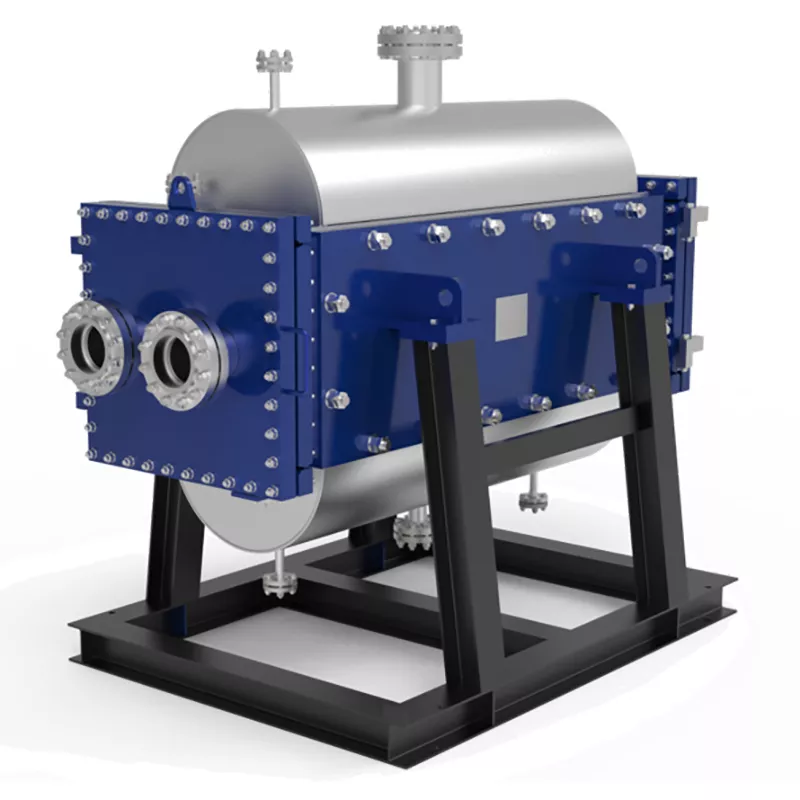
Welded plate designs, such as the HT-Bloc welded plate heat exchanger, eliminate gasket failure risks in aggressive chemical environments. Wide gap variants handle viscous slurries without clogging. For battery plants, these features translate to less downtime and consistent heat transfer performance.
How Does a Heat Exchanger Improve Safety in Lithium Battery Production?
Thermal runaway is a primary safety concern in battery plants. During electrode drying and electrolyte filling, temperature spikes can ignite flammable solvents. A properly designed heat exchanger maintains stable process temperatures and prevents hot spots. Key safety features include:
- Leak-free welded construction that contains hazardous fluids
- High-pressure ratings up to 30 bar for thermal oil systems
- Corrosion-resistant materials like 316L stainless steel or titanium
- Compact footprint reducing piping complexity and leak points
For example, wide gap welded plate heat exchangers allow easy cleaning of fouling media like electrode slurries, preventing blockages that could cause pressure buildup. This design is compatible with Alfa Laval and GEA alternatives, offering a cost-effective safety upgrade.
Key Performance Parameters for Battery Plant Heat Exchangers
When specifying a lithium battery plant heat exchanger, process engineers should evaluate these commonly accepted ranges:
| Parameter |
Typical Range |
Application |
| Operating temperature |
-20°C to 250°C |
Drying oven heating, solvent cooling |
| Operating pressure |
Up to 30 bar |
Thermal oil, steam systems |
| Flow rate per unit |
10–500 m³/h |
Cooling water, NMP recovery |
| Heat transfer coefficient |
2,000–6,000 W/m²K |
Liquid-liquid, condensing duties |
These values are industry-generic. Actual performance depends on media properties, fouling factors, and allowable pressure drop. SHPHE offers free thermal design and selection to match your specific process conditions.
Applications and Recommended Heat Exchanger Solutions
Different battery production stages require different heat exchanger types. Here are common applications with recommended solutions:
- NMP solvent recovery: Use a printed circuit heat exchanger (PCHE) for high-temperature vapor condensation with minimal pressure drop.
- Electrode slurry cooling: Wide gap welded plate heat exchangers handle high-viscosity slurries without clogging.
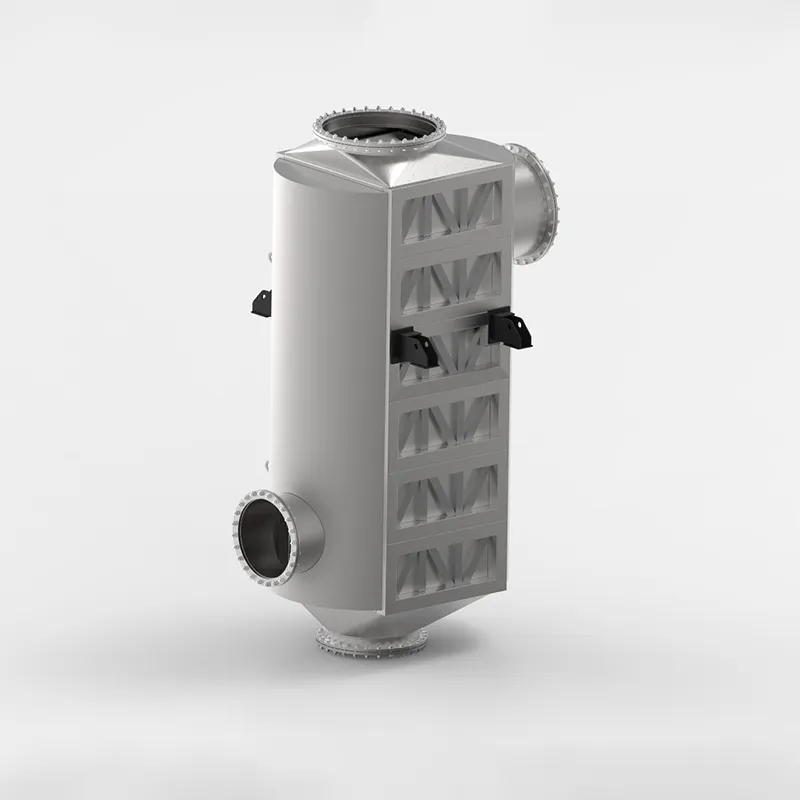
- Drying oven air preheating: Plate air preheaters recover waste heat from exhaust gases, reducing energy consumption by up to 30%.
- Cell formation thermal cycling: Gasketed plate heat exchangers provide precise temperature control for aging chambers.
For high-pressure or corrosive duties, the TP welded plate heat exchanger is an alternative to Compabloc designs, offering similar compactness with easier maintenance access.
Why Choose SHPHE for Your Lithium Battery Plant Heat Exchanger?
SHPHE is a Shanghai-based plate heat exchanger manufacturer founded in 2005, exporting to over 20 countries. We hold ISO9001 and ASME U certifications, ensuring quality and compliance. Our product lines include HT-Bloc and TP welded plate heat exchangers, wide gap welded plate heat exchangers, gasketed plate heat exchangers, PCHE, plate air preheaters, and pillow plates. We offer free thermal design and selection services to help you find the optimal solution without upfront engineering costs. Our team works closely with process engineers to match flow rate, temperature, pressure, and media requirements.
Unlike generic suppliers, we understand the unique demands of lithium battery production. Our welded plate designs eliminate gasket failure risks, while our wide gap variants handle fouling media reliably. For battery plants upgrading from older shell-and-tube units, our compact plate exchangers reduce footprint by up to 50% while improving heat transfer efficiency.
Frequently Asked Questions
What is the typical lifespan of a lithium battery plant heat exchanger?
With proper maintenance, welded plate heat exchangers last 15–20 years in battery plant service. Gasketed units may require gasket replacement every 3–5 years depending on chemical exposure. Regular cleaning of fouling media extends operational life.
Can I use a standard gasketed heat exchanger for NMP recovery?
No. NMP is a strong solvent that degrades standard gaskets. Use a welded plate heat exchanger or a PCHE design to avoid leakage and contamination. SHPHE offers fully welded options compatible with aggressive solvents.
How do I size a heat exchanger for electrode slurry cooling?
Provide the slurry flow rate, inlet/outlet temperatures, viscosity, and allowable pressure drop. For viscous slurries, a wide gap welded plate heat exchanger is recommended. SHPHE provides free thermal sizing based on your data.
What materials are best for lithium battery plant heat exchangers?
316L stainless steel is standard for most battery media. For high-chloride cooling water or aggressive electrolytes, titanium or Hastelloy alloys are recommended. SHPHE offers multiple material options based on your media analysis.
Is a plate air preheater suitable for battery plant drying ovens?
Yes. Plate air preheaters recover heat from exhaust gases to preheat incoming air, reducing energy costs by 20–30%. They handle high-temperature gas streams up to 400°C and are compact enough for retrofit installations.
How does a lithium battery plant heat exchanger prevent thermal runaway?
By maintaining stable process temperatures within ±1°C, the heat exchanger prevents overheating during electrolyte filling and cell formation. Welded construction eliminates leak paths that could ignite flammable vapors. Proper sizing ensures adequate cooling capacity during peak loads.
Request a Quote for Your Lithium Battery Plant Heat Exchanger
To get a tailored solution for your production line, please provide the following details to our engineering team:
- Flow rate (m³/h or kg/h)
- Inlet and outlet temperatures (°C)
- Operating pressure (bar)
- Media type and composition (e.g., NMP vapor, deionized water, thermal oil)
- Allowable pressure drop
Our team will provide a free thermal design and selection within 24 hours. Choosing the right lithium battery plant heat exchanger from SHPHE ensures optimized production efficiency, enhanced safety, and long-term reliability for your facility.

 English EN





User Comments
Service Experience Sharing from Real Customers
Mike Torres
Lead Process EngineerWe installed three of these heat exchangers in our new lithium hydroxide line last quarter. The thermal efficiency is noticeably better than our old shell-and-tube units, and the pressure drop is lower than I expected. Maintenance access is straightforward, which is a huge plus when you're running 24/7 shifts. Only wish the delivery lead time was a bit shorter.
Priya Sharma
Senior Project ManagerI've been overseeing the retrofit of our cathode material drying system, and this exchanger handled the corrosive fluoride gases without any issues so far. The Hastelloy construction is solid. We did have a minor gasket leak on start-up, but the supplier's tech support walked us through the fix within a day. For the price point, it's a reliable workhorse.
James Okafor
Facility Maintenance SupervisorHonestly, I was skeptical about switching suppliers for our battery plant's thermal management, but this unit has been running for eight months without a single fouling issue. The cleaning ports are placed exactly where you need them, and the control interface is idiot-proof. My crew actually prefers servicing this over the old Alfa Laval. Solid buy.
Emma Chen
R&D Chemical EngineerWorks fine for our pilot-scale electrolyte synthesis, but the documentation could be clearer. I had to spend an afternoon cross-referencing the P&ID with the actual piping layout because the manual skipped some details on the condensate return. Performance-wise, it holds temperature within ±1°C, which is acceptable for our tests. Not bad, but not amazing either.