Optimizing Thermal Performance with Alumina Refinery Plate Heat Exchanger Technology
In alumina refineries, efficient heat recovery directly impacts operating costs and production throughput. Plate heat exchanger technology offers a compact, high-efficiency solution for handling aggressive Bayer process liquors, caustic streams, and scaling fluids. This article explores how modern plate heat exchangers improve thermal performance, reduce fouling, and extend service life in alumina processing, with practical guidance for process engineers and procurement managers.
What Makes Alumina Refinery Plate Heat Exchanger Technology Critical for Process Efficiency?
Alumina refineries rely on the Bayer process, where bauxite is digested in hot caustic soda at temperatures exceeding 250°C. The heat exchangers used in this environment must withstand high pressure, corrosive slurries, and rapid scaling from sodium aluminate precipitation. Traditional shell-and-tube units often suffer from poor heat transfer coefficients and frequent downtime for cleaning. Plate heat exchangers, particularly welded and gasketed designs, provide a superior alternative by delivering higher thermal efficiency in a smaller footprint, with easier access for maintenance.
For overseas process engineers and purchasing managers, selecting the right heat exchanger technology means balancing upfront capital costs with long-term operational reliability. The alumina refinery plate heat exchanger segment has grown rapidly because these units can handle temperature crossovers and close approach temperatures, recovering more heat from spent liquor and reducing steam consumption in digestion.
How Does a Plate Heat Exchanger Work in Alumina Processing?
In a typical alumina refinery, hot spent liquor from the digestion stage passes through the heat exchanger, transferring thermal energy to incoming bauxite slurry or fresh caustic solution. Plate heat exchangers use a series of corrugated metal plates to create alternating hot and cold channels. The high turbulence induced by the plate pattern enhances heat transfer coefficients, often reaching 3,000–7,000 W/m²·K for clean fluids, compared to 500–1,500 W/m²·K for shell-and-tube designs.
For alumina refineries, the key challenge is scaling. Sodium aluminate crystals can deposit on heat transfer surfaces, reducing efficiency. Modern plate heat exchangers incorporate wide-gap or free-flow plate patterns that allow larger particles to pass through without clogging. Additionally, the ability to open the plate pack for mechanical cleaning or chemical flushing makes maintenance straightforward. Many refineries now use a combination of gasketed plate heat exchangers for lower-temperature sections and welded units for high-pressure, high-temperature stages.
Key Features and Typical Parameter Ranges
When evaluating alumina refinery plate heat exchanger options, consider these commonly accepted specifications:
- Operating pressure: Up to 30 bar (435 psi) for gasketed designs; up to 100 bar (1,450 psi) for welded plate heat exchangers.
- Operating temperature: -20°C to 200°C for gasketed units; up to 550°C for welded and plate air preheater designs.
- Plate material: Stainless steel 316L, titanium, or Hastelloy for caustic resistance.
- Gasket materials: EPDM, NBR, or Viton for chemical compatibility with Bayer liquors.
- Heat transfer area: From 1 m² to over 2,000 m² per unit.
- Flow rates: Up to 5,000 m³/h per exchanger.
These ranges are industry-generic and should be verified against your specific process conditions. A free thermal design and selection service is available from manufacturers like SHPHE to match your exact requirements.
Applications and Recommended Solutions
Alumina refineries use heat exchangers in multiple stages: liquor heating, spent liquor cooling, evaporation, and condensate recovery. For each application, different plate heat exchanger designs are recommended:
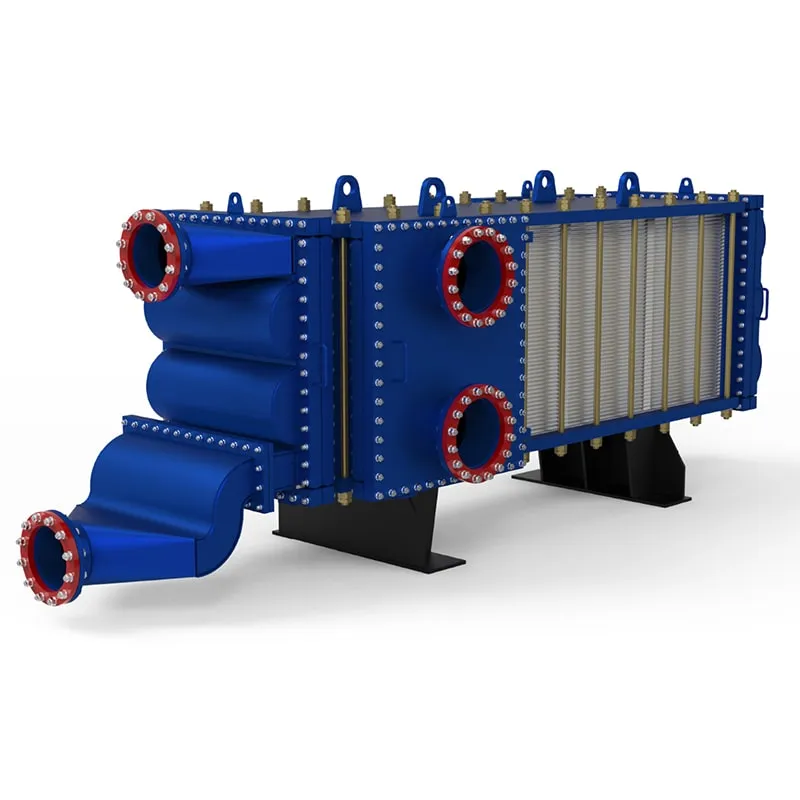
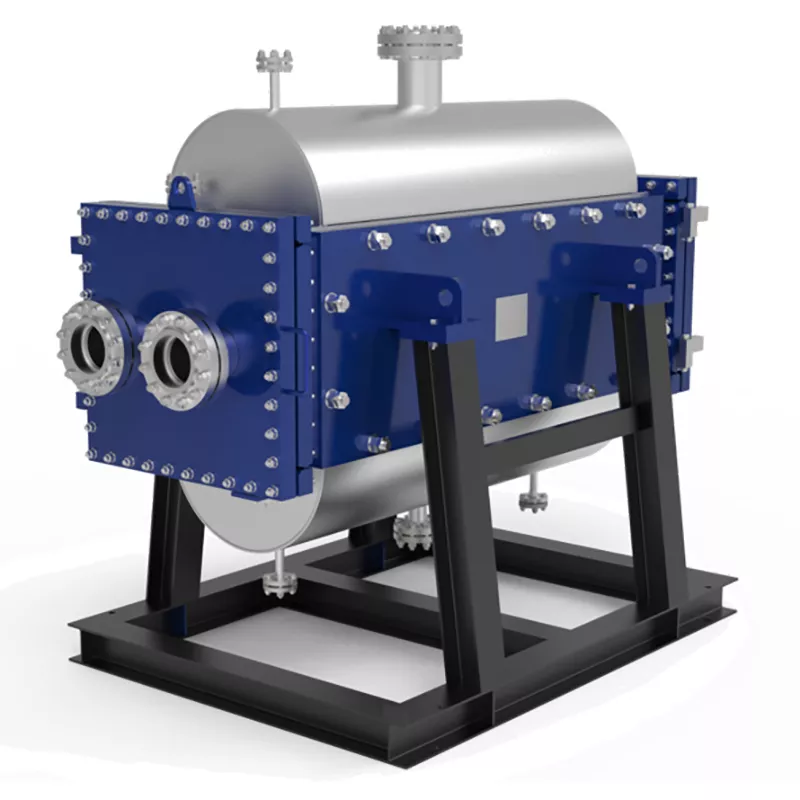
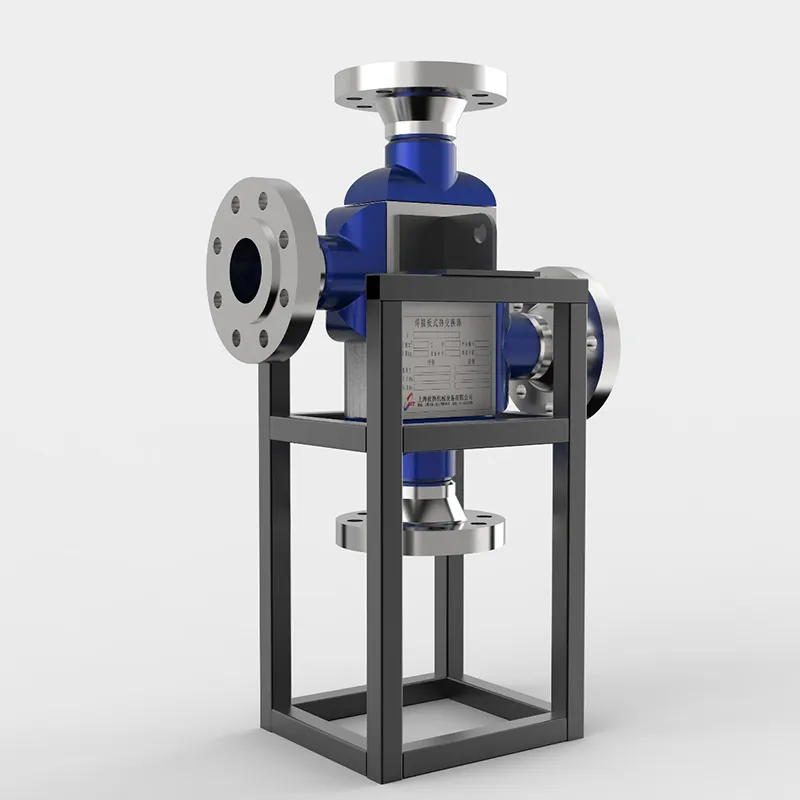
- Liquor heating (digestion preheat): Use welded plate heat exchangers (HT-Bloc or TP Welded) to handle high temperatures and pressures. These units are compatible with Alfa Laval Compabloc designs and offer similar thermal performance with a fully welded construction that eliminates gasket failure risks.
- Spent liquor cooling: Wide gap welded plate heat exchangers are ideal for fluids with suspended solids or scaling tendencies. The wide channel gap (up to 15 mm) prevents blockages and reduces cleaning frequency.
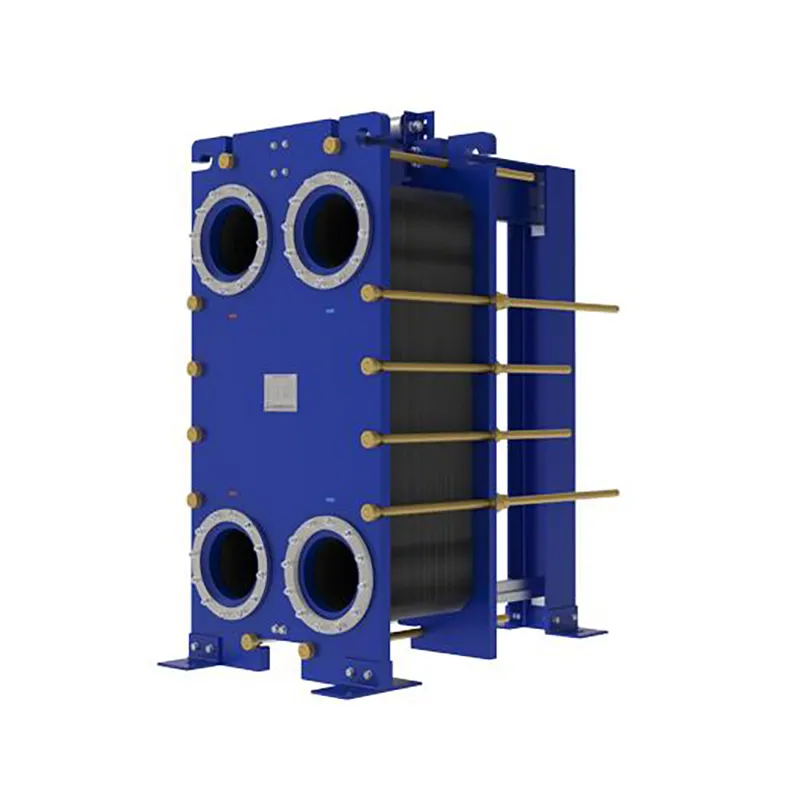
- Evaporation and condensate recovery: Gasketed plate heat exchangers provide cost-effective heat recovery at moderate temperatures. They are easy to open for inspection and plate replacement.
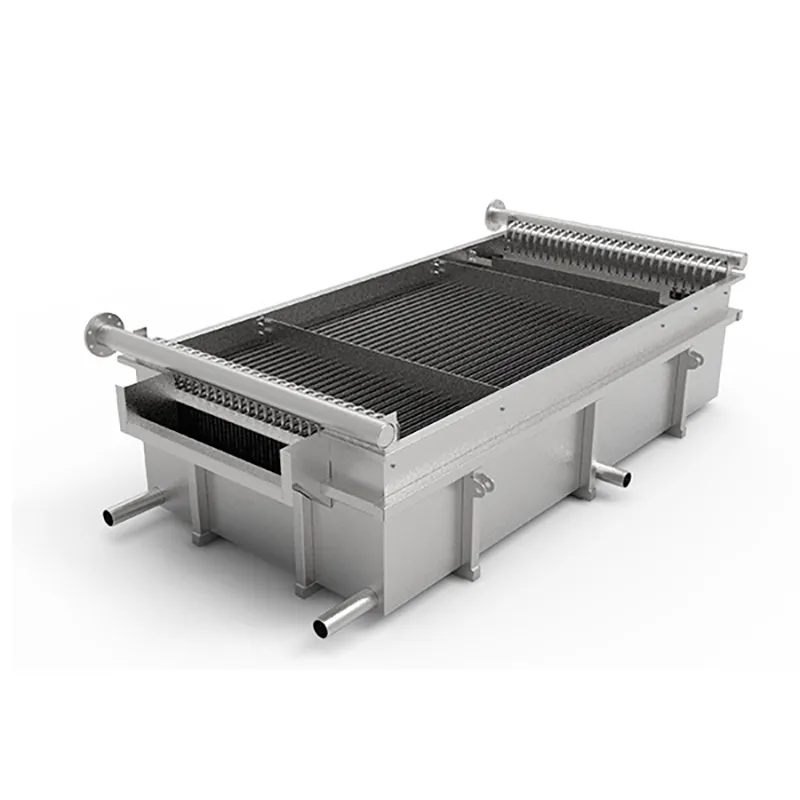
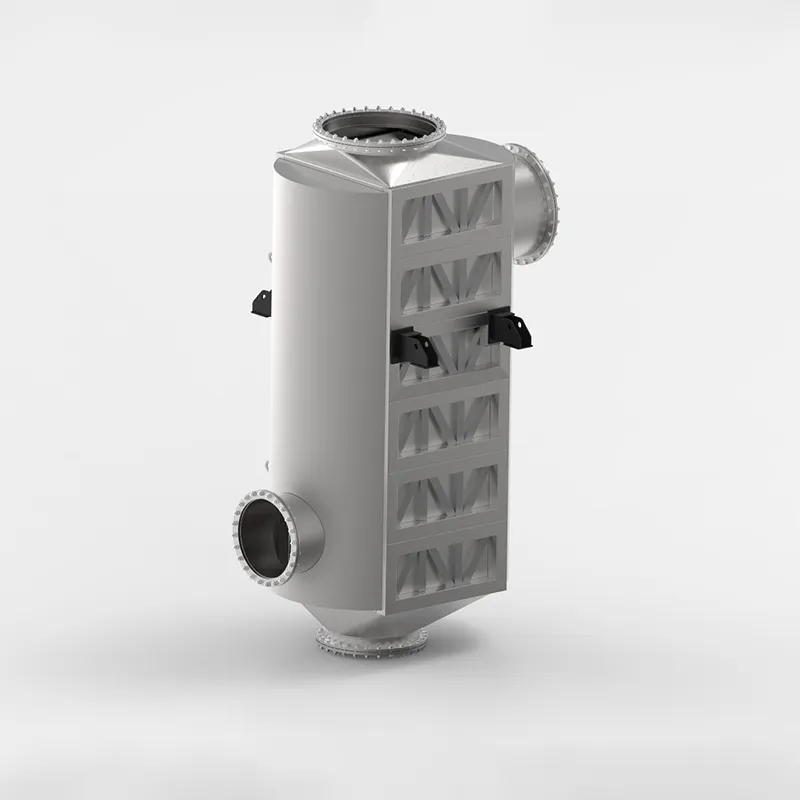
- Flue gas heat recovery: Plate air preheaters can be integrated into calcination kiln exhaust systems to preheat combustion air, improving overall plant energy efficiency.
For specialized needs, such as high-viscosity fluids or extreme fouling conditions, custom engineered pillow plates offer a robust alternative with enhanced turbulence and self-draining capabilities.
Why SHPHE for Your Alumina Refinery Plate Heat Exchanger Needs?
SHPHE is a Shanghai-based plate heat exchanger manufacturer founded in 2005, with ISO9001 and ASME U certifications. We export to over 20 countries and offer a full range of products, including HT-Bloc/TP Welded Plate Heat Exchangers, Wide Gap Welded Plate Heat Exchangers, Gasketed Plate Heat Exchangers, PCHE, Plate Air Preheaters, and Pillow Plates. Our engineering team provides free thermal design and selection service, ensuring that each alumina refinery plate heat exchanger is optimized for your specific process parameters.
We understand that alumina refineries demand reliability and low total cost of ownership. That is why our heat exchangers are designed with thicker plates, corrosion-resistant materials, and easy-to-maintain gasket systems. As a direct alternative to brands like Alfa Laval and GEA, our units offer comparable performance with shorter lead times and competitive pricing. For high-temperature applications, our HT-Bloc welded plate heat exchangers are a proven solution in the alumina industry.
Frequently Asked Questions
Q: What is the typical lifespan of a plate heat exchanger in an alumina refinery?
A: With proper maintenance, gasketed plate heat exchangers last 8–12 years before gasket replacement is needed. Welded units can operate 15–20 years, depending on corrosion and scaling conditions. Regular cleaning and material selection (e.g., titanium for caustic service) extend service life.
Q: Can plate heat exchangers handle the high solids content in Bayer process slurries?
A: Yes, but you need a wide gap or free-flow plate design. Standard plate heat exchangers with narrow channels (2–5 mm) may clog. Wide gap units with 10–15 mm channel gaps allow particles up to 8 mm to pass, reducing fouling risks.
Q: How do I clean a plate heat exchanger that has severe scaling from sodium aluminate?
A: Chemical cleaning with dilute caustic or acid solutions is common. For gasketed units, you can open the plate pack and manually scrub plates. Welded units require in-place cleaning (CIP) with high-velocity flushing. SHPHE provides detailed cleaning protocols for each product line.
Q: Are SHPHE heat exchangers compatible with existing Alfa Laval or GEA installations?
A: Yes, many of our gasketed and welded designs are dimensionally compatible with Alfa Laval and GEA frames. We can supply replacement plate packs or complete units that fit existing piping and foundations, reducing retrofit costs.
Q: What certifications does SHPHE hold for alumina refinery equipment?
A: SHPHE is ISO9001 and ASME U certified. Our welding procedures are qualified to ASME Section IX, and we can provide material traceability and pressure test reports for each unit shipped.
Q: How long does it take to receive a thermal design and quotation?
A: Typically within 1–3 business days after you provide flow rates, temperatures, pressures, and media compositions. Our free thermal design service ensures the selected alumina refinery plate heat exchanger meets your performance targets.
Request a Quote for Your Alumina Refinery Plate Heat Exchanger
To receive a tailored thermal design and quotation, please provide your process parameters: flow rate (m³/h or GPM), hot and cold side inlet/outlet temperatures (°C or °F), operating pressure (bar or psi), and media details (composition, viscosity, solids content). Our engineering team will recommend the optimal plate heat exchanger configuration, whether gasketed, welded, or wide gap, to maximize heat recovery and minimize fouling in your alumina refinery.
Contact SHPHE today for a free consultation. With over 18 years of experience in thermal engineering and a global export network, we are ready to support your next project with reliable, high-performance alumina refinery plate heat exchanger solutions. For specialized applications, explore our wide gap welded plate heat exchangers or gasketed plate heat exchangers for cost-effective heat recovery.

 English EN





User Comments
Service Experience Sharing from Real Customers
Mike
Senior Process EngineerWe swapped out an older gasketed unit for this plate heat exchanger in the alumina refinery last quarter. The thermal efficiency improvement was immediate and noticeable—our digestion stage temperatures stabilized way better than before. Maintenance access is also surprisingly easy for a unit this size. Definitely a solid upgrade for anyone dealing with caustic slurry.
Liam
Shift SupervisorBeen running this exchanger on the liquor heating circuit for about six months now. It handles the scaling better than I expected, though you still need to be on top of your cleaning schedule. The real win for us was the reduced downtime during changeovers. Not a perfect machine, but it's a workhorse that keeps the line moving.
Sarah
Reliability & Maintenance ManagerI was skeptical about switching to a plate design for such an abrasive environment, but this unit has proven me wrong. We've had zero leaks at the gaskets, and the titanium plates are holding up beautifully against the corrosive liquor. My crew appreciates that we can do a full plate pack inspection in half the time it used to take. Highly recommend it for anyone tired of shell-and-tube headaches.
Tom
Process TechnicianIt works fine for our alumina refinery's evaporation section, but I wouldn't call it revolutionary. The heat recovery is decent, and it's definitely more compact than the old setup. My only gripe is that the pressure drop seems a bit higher than the spec sheet suggested, and we had to tweak our pump settings. Not a dealbreaker, but something to be aware of if you're retrofitting an existing line.