Optimizing Thermal Efficiency with a Sewage Treatment Plant Heat Exchanger
A sewage treatment plant heat exchanger recovers thermal energy from wastewater streams, reducing operational costs and improving process stability. This article explains how plate heat exchanger technology works in such environments, covering key design features, typical performance parameters, and practical selection criteria for engineers and procurement managers.
Why Use a Sewage Treatment Plant Heat Exchanger?
Wastewater treatment facilities generate large volumes of warm effluent that often go to waste. Installing a dedicated heat exchanger allows you to capture that thermal energy for preheating incoming sludge, digester heating, or building HVAC systems. This directly lowers energy bills and reduces carbon footprint. For plant managers, the payback period is typically under two years when designed correctly.
The challenge lies in the fluid itself: raw sewage contains solids, fibers, grease, and corrosive compounds. Standard shell-and-tube units often foul quickly. That is why many engineers now turn to plate heat exchangers with wide-gap or welded plate designs, which handle dirty fluids more reliably.
How Does a Plate Heat Exchanger Work in Wastewater Applications?
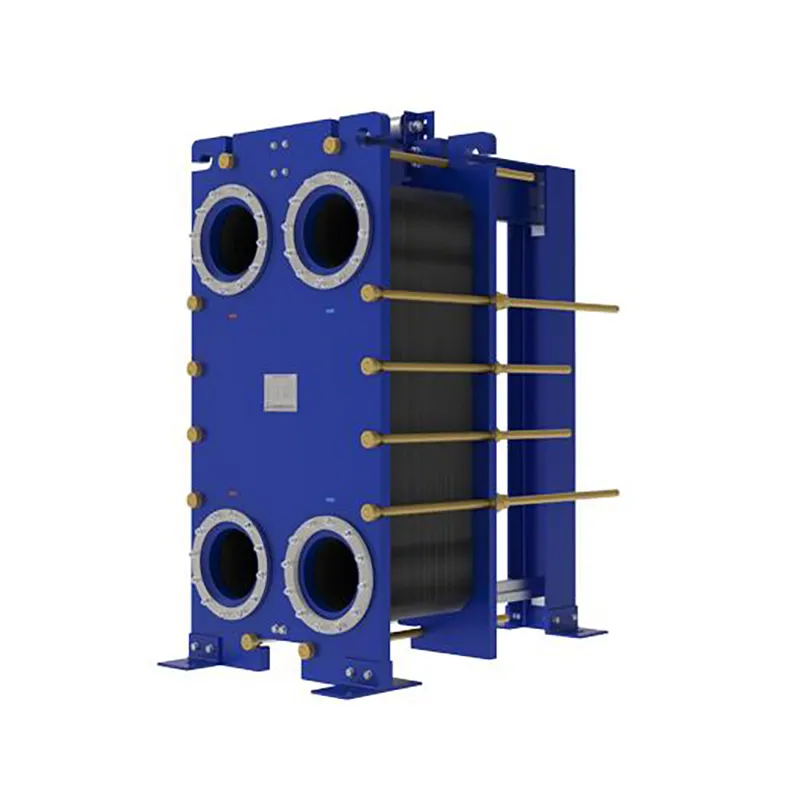
In a typical setup, the hot effluent stream passes through one side of the plate pack, while the cooler process fluid flows counter-currently on the other side. The corrugated plates create turbulence, which enhances heat transfer even at low flow velocities. For sewage treatment, the key is to use plates with wider gaps—typically 5 to 12 mm—to allow solids to pass through without clogging.
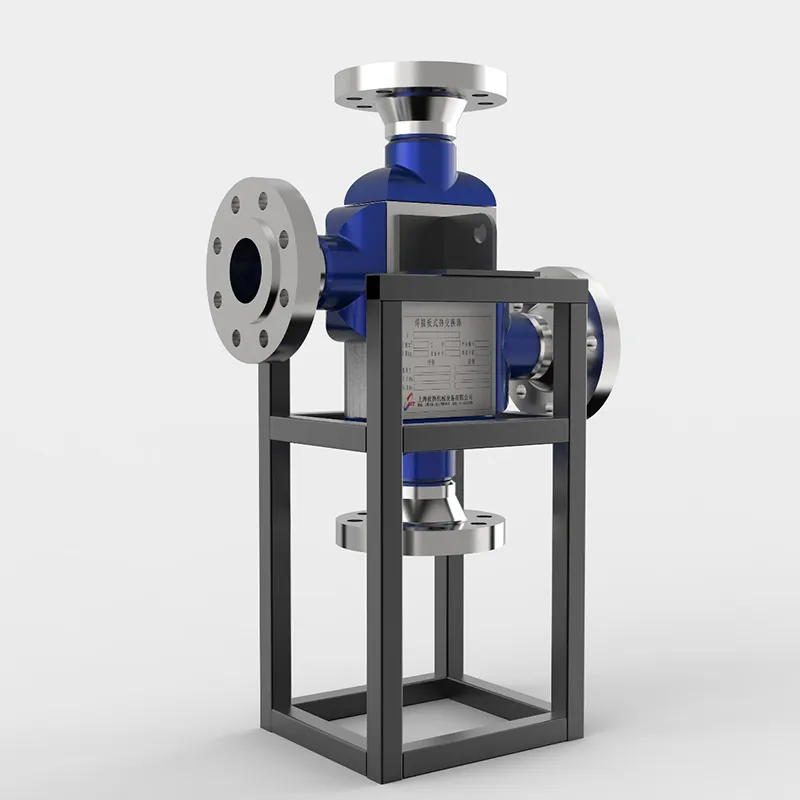
Many facilities pair a wide gap welded plate heat exchanger with a downstream gasketed unit for polishing. This two-stage approach balances fouling resistance with thermal efficiency. The welded construction eliminates gasket failure risks in high-temperature or aggressive chemical environments.
What Are the Typical Design Parameters for a Sewage Heat Exchanger?
When specifying a unit, you need to consider flow rate, temperature range, pressure drop, and fluid composition. Below is a summary of commonly accepted ranges for municipal wastewater applications:
| Parameter |
Typical Range |
Notes |
| Flow rate (effluent side) |
50 – 500 m³/h |
Depends on plant capacity |
| Inlet temperature (hot side) |
25 – 45 °C |
Higher in summer months |
| Design pressure |
6 – 16 bar |
Welded units can go higher |
| Plate gap (wide gap) |
5 – 12 mm |
Prevents clogging by solids |
| Material (plates) |
SS304, SS316L, Titanium |
Chloride content drives selection |
These values are industry-generic. Your specific conditions may require adjustments. Always provide actual process data for a proper thermal design.
What Are the Best Heat Exchanger Types for Sewage Treatment?
Not all heat exchangers perform equally in dirty water. Based on field experience, the following designs work best:
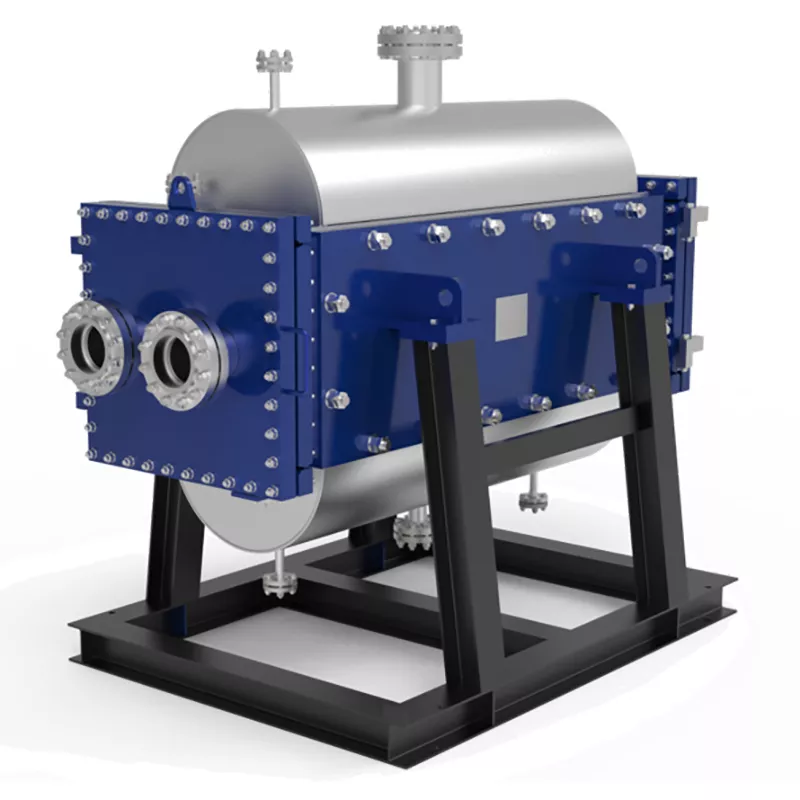
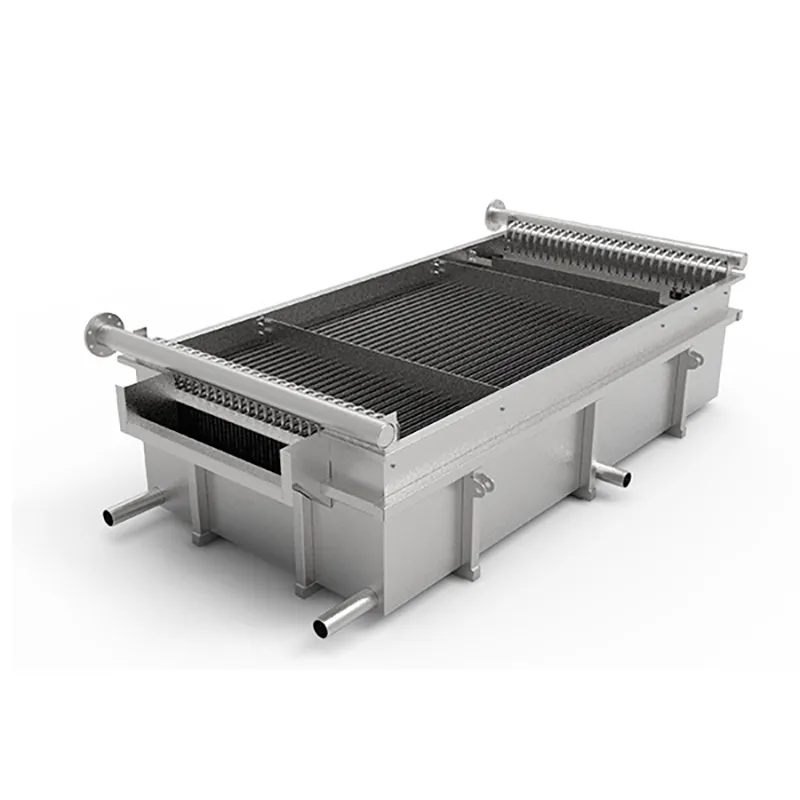
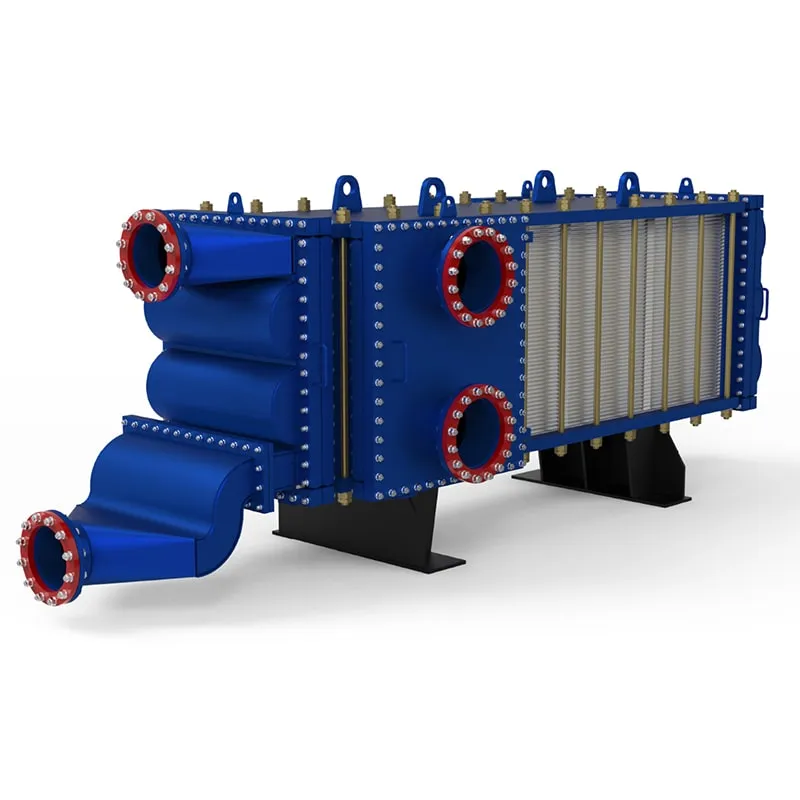
- Wide gap welded plate heat exchangers – Ideal for raw sewage with suspended solids up to 5 mm. The welded construction eliminates gaskets, reducing maintenance.
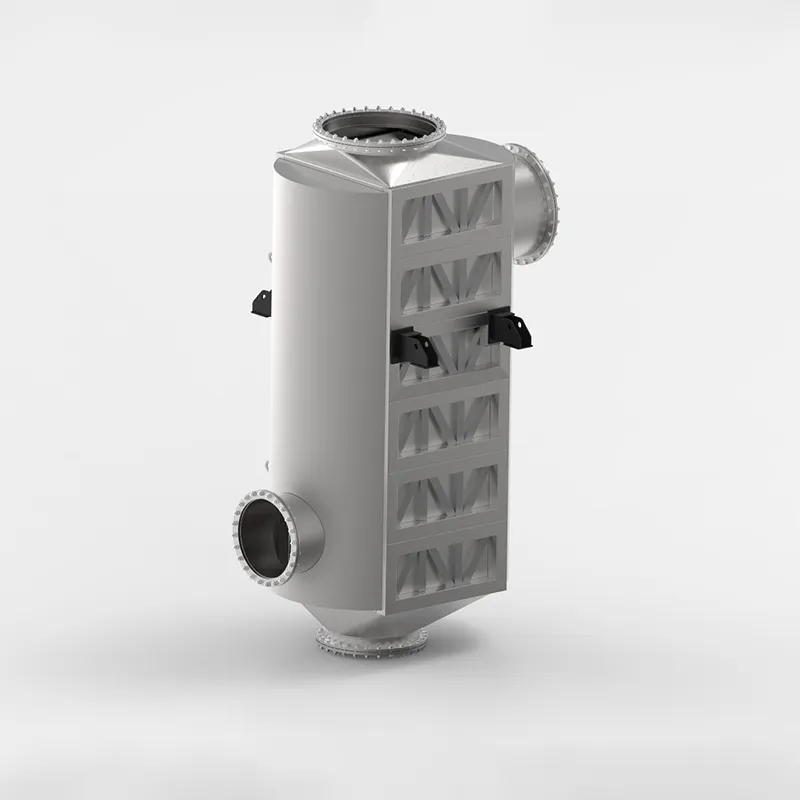
- HT-Bloc / TP welded plate heat exchangers – Suitable for high-temperature sludge heating (up to 350 °C) and high-pressure duties. Fully welded without inter-plate gaskets.
- Gasketed plate heat exchangers – Used for cleaner side streams or as a polishing stage after primary filtration. Easy to open for cleaning.
- Pillow plates – Often applied in digester heating jackets or tank coils. Good for low-pressure, moderate-temperature duties.
For a complete overview of available configurations, you can explore our gasketed plate heat exchangers and HT-Bloc welded plate heat exchangers product pages.
Why Choose SHPHE for Your Sewage Treatment Plant Heat Exchanger?
SHPHE is a Shanghai-based plate heat exchanger manufacturer founded in 2005. We export to over 20 countries and hold ISO9001 and ASME U certifications. Our product range includes HT-Bloc/TP welded plate heat exchangers, wide gap welded plate units, gasketed plate heat exchangers, PCHE, plate air preheaters, and pillow plates. We offer free thermal design and selection service for your project.
Our engineers have extensive experience with wastewater heat recovery. We can recommend a unit that is compatible with or serves as an alternative to brands like Alfa Laval, Compabloc, or GEA, while offering competitive lead times and pricing. Every unit is designed to handle the specific fouling and corrosion challenges of sewage treatment.
Frequently Asked Questions
Can a sewage treatment plant heat exchanger handle raw sewage without pretreatment?
Yes, but only if the unit is designed with wide gaps (at least 8 mm) and appropriate plate geometry. A wide gap welded plate heat exchanger can handle suspended solids up to 5 mm without clogging. For larger debris, a coarse screen upstream is still recommended.
What is the typical payback period for installing a heat exchanger in a wastewater plant?
Most facilities see payback within 12 to 24 months, depending on flow rate and temperature differential. Energy savings from digester heating or building preheat usually account for 15–30% reduction in natural gas consumption.
How often does a sewage heat exchanger need cleaning?
Cleaning frequency depends on solid loading and flow velocity. For wide gap welded units, cleaning intervals range from 3 to 6 months. Gasketed units may need more frequent attention if used on dirty streams. CIP (clean-in-place) systems can extend intervals.
What materials are best for corrosive wastewater?
For high chloride content, titanium plates offer excellent corrosion resistance. SS316L is suitable for moderate chloride levels. Always check pH and chloride concentration before selecting materials. Our free design service includes material recommendation.
Can I use a gasketed plate heat exchanger for sewage sludge?
Gasketed units are not recommended for raw sludge due to fouling and gasket degradation. They work better on filtered or digested sludge. For raw sewage, a wide gap welded or HT-Bloc design is more reliable and requires less maintenance.
Does SHPHE provide custom designs for non-standard flow rates?
Yes. We offer free thermal design and selection for any flow rate, temperature, and pressure combination. Simply provide your process parameters, and our engineers will propose an optimized plate configuration and material set.
Request a Quote for Your Sewage Treatment Plant Heat Exchanger
To get an accurate thermal design and quotation, please provide the following details: flow rate (hot and cold sides), inlet and desired outlet temperatures, operating pressure, and media composition (including solid content and chloride level). Our team will respond with a tailored solution within 48 hours.
A well-selected sewage treatment plant heat exchanger not only cuts energy costs but also improves overall plant reliability. Contact us today to start your project with a trusted partner.

 English EN





User Comments
Service Experience Sharing from Real Customers
Marcus
Shift SupervisorWe swapped our old shell-and-tube for this plate heat exchanger last quarter. The fouling resistance is noticeably better, and cleaning cycles have dropped from weekly to bi-weekly. Saved us a solid chunk on downtime. No leaks so far, which is more than I can say for the previous unit.
Elena
Process EngineerSpec’d this for a digester heating loop upgrade. Thermal recovery is decent—we’re seeing about 88% efficiency under full load. Installation was straightforward, though the gasket kit took a bit to source locally. Would have given 5 stars if the manual included torque specs for the tie rods.
Jake
Maintenance TechnicianBeen working on sewage plants for 12 years, and this is one of the few exchangers I don't dread cleaning. The plates come apart easy even after months of sludge exposure. We had a minor pressure drop issue last month, but a quick backflush sorted it out. Solid build quality.
Priya
Plant ManagerWe needed a compact solution for our retrofit, and this fit the footprint perfectly. Performance has been consistent through the summer peak flows. Only gripe is the corrosion resistance on the end plates could be better in high-H2S environments—had to upgrade to a different coating after six months.