Why Choose a Hygienic Plate Heat Exchanger for Your Sanitary Process Line
In food, dairy, beverage, and pharmaceutical processing, maintaining product purity while achieving efficient heat transfer is non-negotiable. A hygienic plate heat exchanger is specifically designed to meet strict sanitary standards, offering easy cleaning, corrosion resistance, and reliable performance. This article explains why sanitary process lines benefit from this equipment, how it works, and what to consider when selecting one for your operation.
What Is a Hygienic Plate Heat Exchanger?
A hygienic plate heat exchanger is a specialized heat transfer device built for applications where product contact surfaces must meet FDA, EHEDG, or 3-A sanitary standards. Unlike standard industrial units, these exchangers feature polished stainless steel plates, crevice-free gaskets, and fully drainable designs that prevent bacterial growth and facilitate clean-in-place (CIP) procedures. They are commonly used in pasteurization, sterilization, and cooling processes for liquid foods, dairy products, and pharmaceutical intermediates.
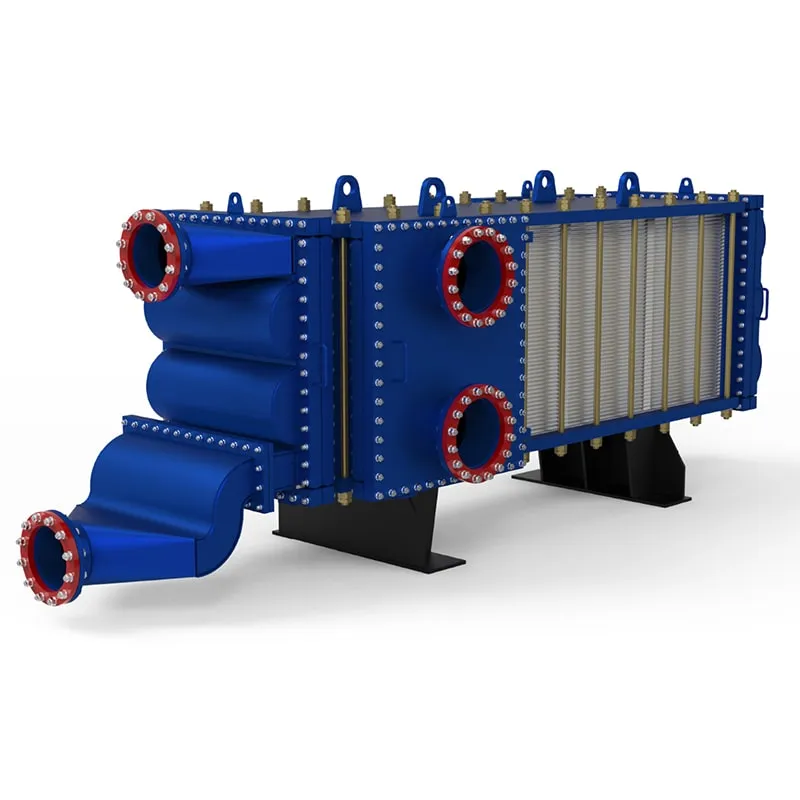
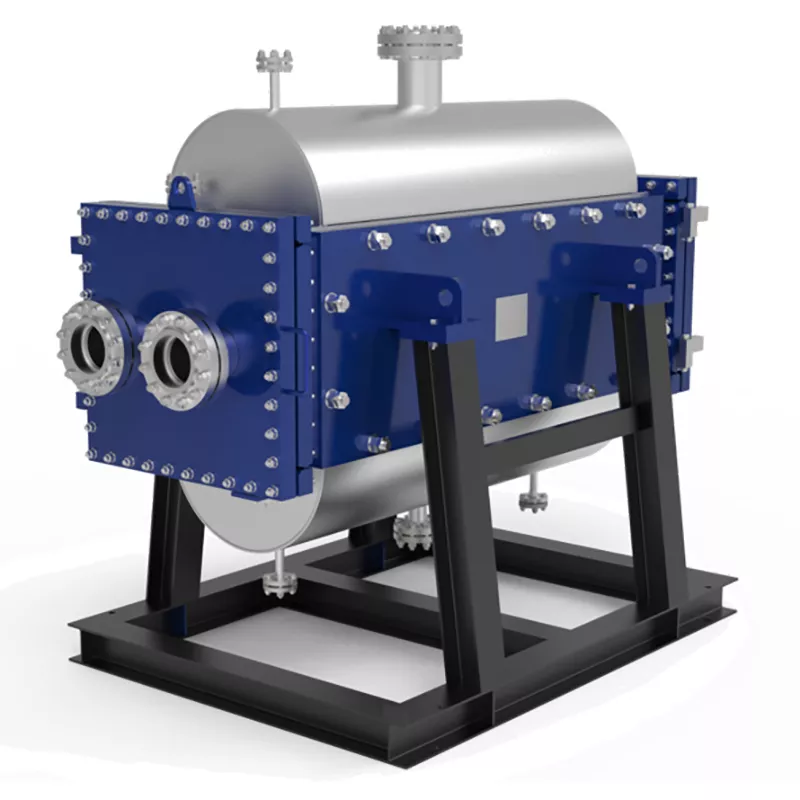
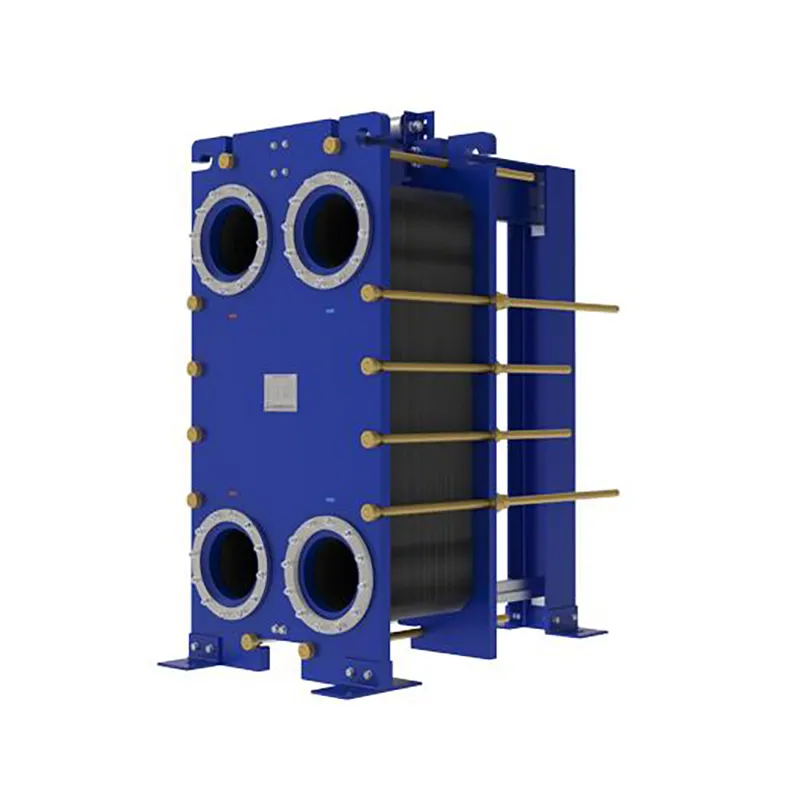
The core design consists of a series of corrugated plates clamped together between a fixed frame and a movable pressure plate. Gaskets seal the plate channels, directing the product and service fluids into alternating passages. This arrangement creates high turbulence at low flow rates, which enhances heat transfer efficiency while minimizing fouling. For sanitary lines, the plates are typically made of AISI 316L stainless steel with a surface finish of Ra ≤ 0.5 µm to ensure cleanability.
How Does It Work in a Sanitary Process?
In a typical sanitary process line, the product stream flows through one set of plate channels while a heating or cooling medium flows counter-currently through the adjacent channels. The thin metal plates transfer heat rapidly, allowing precise temperature control. For example, in milk pasteurization, the hygienic plate heat exchanger heats raw milk to 72°C for 15 seconds, then cools it rapidly using chilled water. The entire cycle is automated, with CIP cycles running between batches to maintain hygiene.
Key process parameters include flow rates from 1 to 500 m³/h, operating pressures up to 16 bar, and temperature ranges from -20°C to 180°C. The plate gap is typically 2.5 to 5 mm, which accommodates fluids with moderate viscosity. For more viscous products or those containing particulates, a wide gap welded plate heat exchanger is often recommended.
What Are the Key Features of a Sanitary Plate Heat Exchanger?
When evaluating a hygienic plate heat exchanger for your line, look for these features:
- Fully drainable plate design with no dead zones to prevent liquid retention.
- Gaskets made of EPDM, silicone, or FKM, approved for food contact and CIP chemicals.
- Plates with a surface finish of Ra ≤ 0.5 µm to reduce bacterial adhesion.
- Frame construction from stainless steel or coated carbon steel for corrosion resistance.
- Optional double-wall plates for leak detection in critical applications.
- Compliance with 3-A, EHEDG, or ASME BPE standards.
SHPHE, a Shanghai-based manufacturer founded in 2005, offers hygienic plate heat exchangers that meet these criteria. Their gasketed plate heat exchangers are compatible with Alfa Laval and GEA frames, making them a reliable alternative for retrofit projects. All units come with free thermal design and selection service to match your process parameters.
What Are Typical Applications for Hygienic Plate Heat Exchangers?
Hygienic plate heat exchangers are used across multiple industries where product purity is critical. Common applications include:
- Dairy processing: pasteurization of milk, cream, yogurt, and cheese whey.
- Beverage production: heating and cooling of juices, beer, wine, and soft drinks.
- Food processing: sauces, soups, edible oils, and liquid egg products.
- Pharmaceutical: sterilization of injectable water, buffer solutions, and intermediates.
- Cosmetics: temperature control for lotions, creams, and liquid soaps.
For applications with high fouling potential, such as juice with pulp or protein-rich dairy streams, a wide gap welded plate heat exchanger is often a better choice. These units have wider plate spacing (up to 12 mm) and no gaskets in the product zone, reducing clogging and cleaning frequency.
Why Choose SHPHE for Your Sanitary Heat Exchanger Needs?
SHPHE has been designing and manufacturing plate heat exchangers since 2005, with products exported to over 20 countries. The company holds ISO9001 and ASME U certifications, ensuring quality and compliance with international standards. Their product range includes HT-Bloc and TP welded plate heat exchangers, wide gap welded units, gasketed plate heat exchangers, PCHE, plate air preheaters, and pillow plates. All sanitary models are designed for easy integration into existing lines.
One advantage of working with SHPHE is the free thermal design and selection service. Their engineers analyze your process conditions—flow rate, inlet/outlet temperatures, pressure drop, and media properties—and recommend the optimal plate size, number of plates, and gasket material. This ensures the hygienic plate heat exchanger performs efficiently from day one.
Frequently Asked Questions About Hygienic Plate Heat Exchangers
How do I clean a hygienic plate heat exchanger?
Most sanitary units are designed for clean-in-place (CIP) systems. Use a caustic solution (1-2% NaOH) at 70-80°C for 30-60 minutes, followed by an acid rinse (0.5-1% HNO3) to remove mineral deposits. Always follow the gasket manufacturer's temperature and chemical compatibility guidelines.
Can a hygienic plate heat exchanger handle viscous fluids?
Yes, but with limitations. Standard plate gaps of 2.5-5 mm work for fluids up to 10,000 cP. For higher viscosities, consider a wide gap welded plate heat exchanger, which can handle up to 100,000 cP and fluids with fibers or particulates up to 5 mm in size.
What is the typical lifespan of a sanitary plate heat exchanger?
With proper maintenance, including regular gasket replacement every 3-5 years and CIP cycles, a hygienic plate heat exchanger can last 15-20 years. Plate corrosion or pitting may reduce lifespan if the fluid is aggressive or if the wrong material is selected.
Is a gasketed or welded design better for sanitary applications?
Gasketed designs offer easier maintenance and plate replacement, making them cost-effective for most sanitary processes. Welded designs, such as HT-Bloc or TP welded plate heat exchangers, eliminate gasket failure risks and are preferred for high-pressure or high-temperature applications where leakage cannot be tolerated.
How do I size a hygienic plate heat exchanger for my line?
Sizing requires knowing the flow rate, inlet and outlet temperatures, allowable pressure drop, and fluid properties (viscosity, specific heat, density). SHPHE offers free thermal design and selection service—simply provide these parameters, and they will recommend the right model and plate count.
Can I use a hygienic plate heat exchanger for both heating and cooling?
Yes, many sanitary lines use a single unit for both functions by switching the service fluid. For example, in a pasteurization process, the same exchanger can heat the product to the target temperature and then cool it using a separate section. Multi-section designs are common in dairy and beverage plants.
Request a Quote for Your Hygienic Plate Heat Exchanger
Selecting the right hygienic plate heat exchanger for your sanitary process line requires accurate process data. To receive a tailored recommendation and pricing, please provide the following details:
- Flow rate (m³/h or GPM)
- Inlet and outlet temperatures for both product and service fluids
- Allowable pressure drop
- Media type and composition (e.g., milk, juice, pharmaceutical buffer)
- Viscosity and density at operating temperature
- Desired material and surface finish
SHPHE's engineering team will analyze your requirements and provide a free thermal design and selection within 24 hours. Whether you need a gasketed plate heat exchanger compatible with existing frames or a fully welded solution for demanding conditions, we can help optimize your sanitary process line with a reliable hygienic plate heat exchanger.

 English EN





User Comments
Service Experience Sharing from Real Customers
Liam
Dairy Processing Shift LeadWe switched to this hygienic plate heat exchanger six months ago for our pasteurization line, and it’s been a game-changer. Cleaning is way faster, and I haven’t had a single clog issue during a heavy run. The gaskets hold up better than our old units too. Solid investment.
Elena
Brewery Maintenance TechnicianGot this installed in our craft brewery for wort cooling. It’s compact and the plates are easy to pull apart for inspection. Only reason I’m not giving 5 stars is the initial torque spec on the bolts seemed a bit touchy, but once we dialed it in, it’s been running smooth. No leaks or cross-contamination worries.
Marcus
Pharmaceutical Process EngineerFor a clean-in-place system in a pharma environment, this exchanger is exactly what we needed. The surface finish is impeccable, and the lack of dead zones means we’re getting consistent validation passes. It’s saved us hours on every batch changeover. Highly recommend for anyone dealing with strict hygiene protocols.
Priya
Sauce Production SupervisorWe run a lot of chunky tomato-based sauces, and I was worried about fouling. So far, this plate heat exchanger handles the viscosity better than I expected. The hygienic design makes it simple to sanitize between runs. Only minor gripe: the frame could use a slightly sturdier clamp mechanism, but it does the job.