
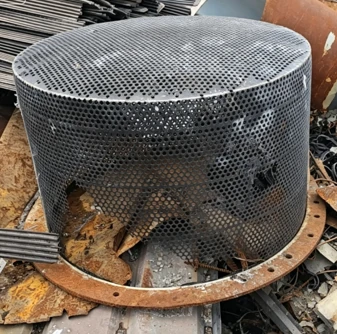
Upstream filter failure can expose an alumina slurry heat exchanger to debris that its normal operating design never intended to receive. A wide passage helps accommodate the specified slurry, but broken screens, scale fragments and foreign objects can still create blockage, erosion and plate damage.
In seeded precipitation cooling, the filter and the exchanger form part of the same hydraulic system. A damaged screen or failed seal can allow oversized material to enter the exchanger. Partial channel blockage then changes the flow distribution: some channels carry less flow while other regions can experience locally higher velocities.
That combination can encourage deposition and localized wear. If plate integrity is lost, alkaline process slurry may contaminate the circulating-water side. A cleaning action alone cannot resolve a damaged upstream screen or a plate that has already been perforated.
| Observation | Possible explanation | Useful next check |
|---|---|---|
| Rising filter pressure drop at comparable flow | Accumulating debris or reduced screen area | Compare the trend with the approved cleaning limit |
| Unexpectedly low pressure drop after an upset | Lower flow, bypassing or possible screen damage | Confirm flow, valve positions and screen integrity |
| Rising exchanger pressure drop | Channel restriction, changed slurry properties or excessive flow | Check both the process condition and upstream protection |
| Changed cooling-water chemistry | Possible contamination from the process side | Follow the plant's isolation and integrity investigation procedure |
No single differential-pressure reading establishes the cause. Instrument condition, operating flow and the clean baseline are necessary context. A low reading is not automatically evidence that a screen is clean.
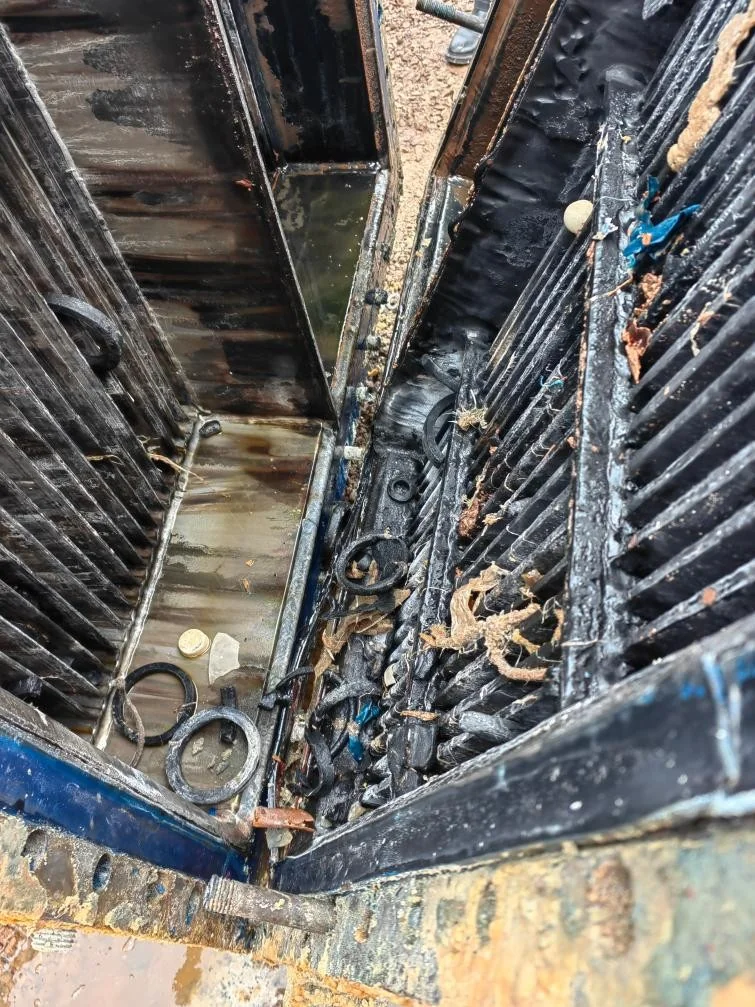
Filter opening, effective screen area, minimum operating flow and allowable pressure loss should be reviewed together. An oversized housing is not necessarily a better design if low local velocity encourages particles to settle. Likewise, increasing pump flow to restore duty can worsen erosion when the protection system is compromised.
The wide-gap welded plate heat exchanger channel and inlet arrangement should be selected using the slurry's particle-size distribution, concentration, rheology and expected debris conditions. Filtration must remove unacceptable carryover without unintentionally removing solids that belong to the production process.
Record screen condition, seals, pressure-drop trend, flow excursions and the material removed during cleaning. Inspect after process disturbances or signs of damage, in addition to the site's scheduled checks. Replacement intervals should reflect observed wear and the manufacturer's requirements, rather than an assumed universal monthly cycle.
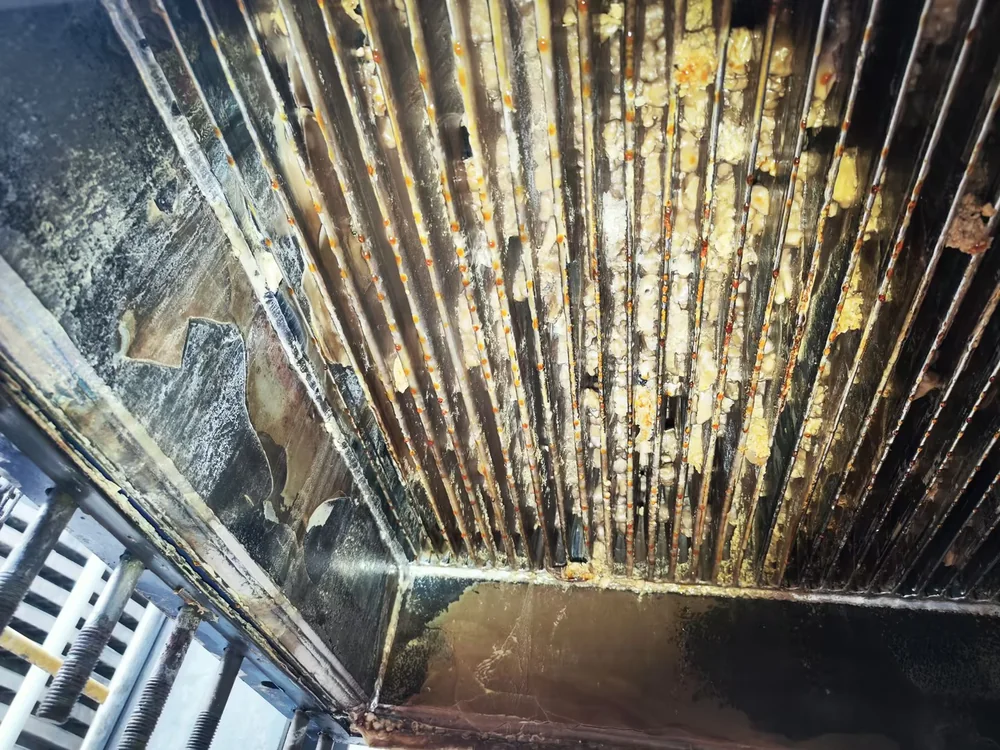
Where a suitable instrument package is available, Smart Eye monitoring and optimization can support trending of exchanger temperatures, pressure drop and operating condition. Monitoring provides evidence for an investigation; it does not replace physical inspection when screen or plate damage is suspected.



 English EN