Understanding Core Plate Heat Exchanger Parts and Components for Reliable Operation
A plate heat exchanger (PHE) is a compact, efficient device widely used in industrial heating and cooling processes. For process engineers and purchasing managers, knowing the core plate heat exchanger parts and components is essential to ensure reliable operation, minimize downtime, and extend equipment life. This article breaks down the key components, working principles, and selection criteria, with a focus on practical, data-backed insights.
What Are the Main Components of a Plate Heat Exchanger?
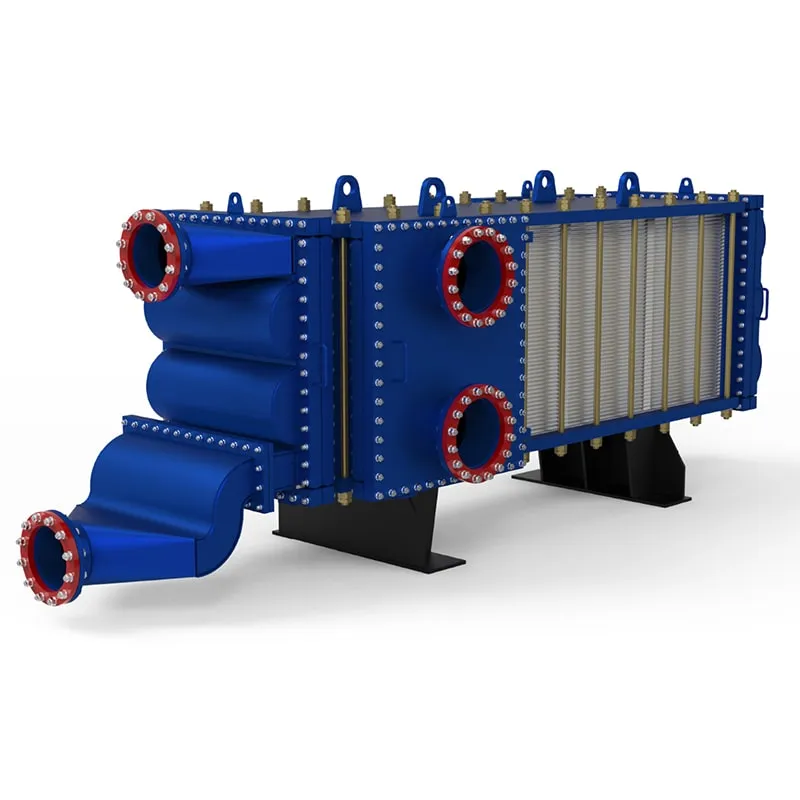
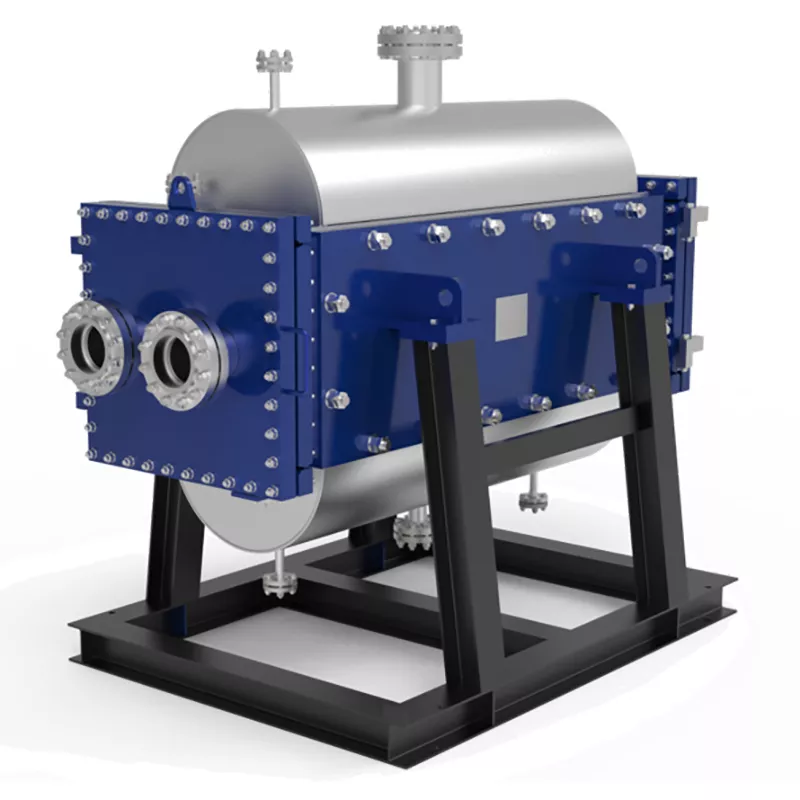
A typical gasketed plate heat exchanger consists of a series of corrugated metal plates, gaskets, a fixed frame plate, a movable pressure plate, carrying bars, and tightening bolts. The plates are pressed with a herringbone or chevron pattern to create turbulent flow, which enhances heat transfer. Gaskets seal the plate channels and direct fluids into alternating passages. The frame compresses the plate pack to prevent leakage. For welded designs, such as the TP Welded Plate Heat Exchanger, gaskets are eliminated, offering higher temperature and pressure capabilities.
Other critical parts include the connections (nozzles) for fluid inlet and outlet, and support feet for mounting. The plate material is typically stainless steel (AISI 304 or 316L), but titanium and Hastelloy are used for corrosive media. Understanding these plate heat exchanger parts helps you diagnose issues like fouling or leakage early.
How Does a Plate Heat Exchanger Work in a Process System?
In a typical setup, hot fluid enters through one nozzle and flows through every other plate channel, while cold fluid flows counter-currently through the adjacent channels. The corrugated plates induce turbulence at low Reynolds numbers, achieving heat transfer coefficients three to five times higher than shell-and-tube exchangers. For example, in a cooling application with water-to-water duty, a gasketed PHE can handle temperature cross as low as 1°C with a close approach. The compact design reduces footprint by up to 50% compared to traditional units.
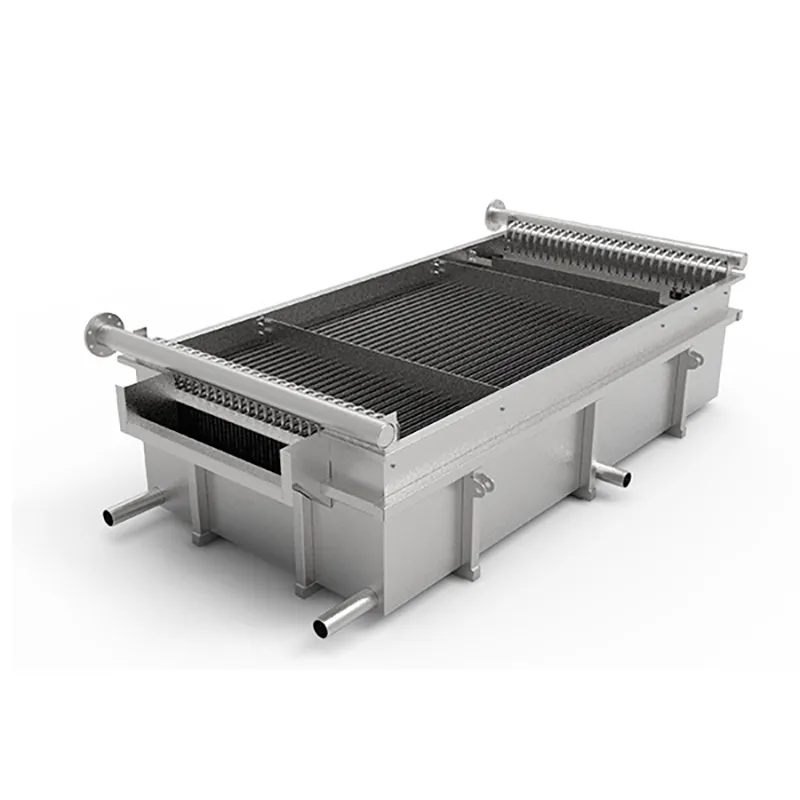
For viscous or particle-laden fluids, a Wide Gap Welded Plate Heat Exchanger is recommended, as it features wider plate spacing to prevent clogging. The working principle remains the same, but the gap allows fibers or slurries to pass without fouling.
Key Parameters for Selecting Plate Heat Exchanger Parts
When specifying a PHE, engineers must consider the following commonly accepted ranges:
| Parameter |
Typical Range |
| Operating temperature |
-20°C to 200°C (gasketed); up to 500°C (welded) |
| Operating pressure |
Up to 25 bar (gasketed); up to 100 bar (welded) |
| Plate material thickness |
0.4 mm to 0.8 mm |
| Flow rate per unit |
1 m³/h to 2,500 m³/h |
The number of plates and their arrangement (single-pass or multi-pass) directly affect thermal performance. Always verify that the gasket material (NBR, EPDM, Viton) is compatible with your process fluids to avoid swelling or degradation.
Applications and Recommended Solutions for Plate Heat Exchangers
Plate heat exchangers are used across industries, including:
- Chemical processing: heating or cooling aggressive chemicals with titanium plates.
- HVAC: district heating and cooling with close temperature approaches.
- Food and beverage: pasteurization requiring sanitary gaskets and easy cleaning.
- Oil and gas: high-pressure duties with welded units like the HT-Bloc.
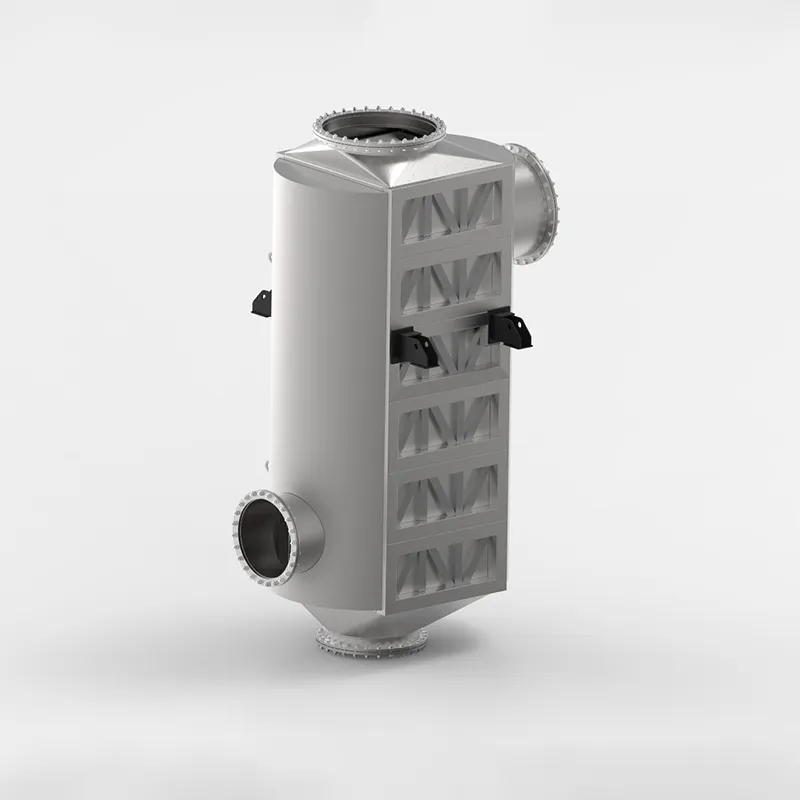
- Power generation: Plate Air Preheaters for waste heat recovery.
For extreme conditions, a Printed Circuit Heat Exchanger (PCHE) offers compactness and high integrity, suitable for supercritical CO2 cycles. If you need a cost-effective alternative to Alfa Laval or GEA units, the gasketed PHE from SHPHE provides full interchangeability.
Why Choose SHPHE for Your Plate Heat Exchanger Parts?
SHPHE, founded in 2005 in Shanghai, is an ISO9001 and ASME U certified manufacturer exporting to over 20 countries. Our product lines include HT-Bloc/TP Welded Plate Heat Exchangers, Wide Gap Welded Plate Heat Exchangers, Gasketed Plate Heat Exchangers, PCHE, Plate Air Preheaters, and Pillow Plates. We offer free thermal design and selection services, ensuring you get the right plate heat exchanger parts for your specific duty. All units are compatible with major brands like Alfa Laval and Compabloc, serving as a reliable alternative.
Our engineering team uses real-world data to optimize plate count, gasket material, and frame size. Whether you need a replacement for an existing unit or a custom solution, we deliver with short lead times. The core plate heat exchanger parts we supply are tested for leakage and pressure integrity.
Frequently Asked Questions About Plate Heat Exchanger Parts
Q: What is the most common cause of leakage in a plate heat exchanger?
A: The most common cause is gasket degradation due to incompatible chemicals or overtightening. Regular inspection and using the correct gasket material (e.g., EPDM for hot water) prevent leaks.
Q: Can I replace individual plates in a gasketed PHE?
A: Yes. Plates are individually replaceable. Ensure the new plate has the same corrugation pattern and thickness to maintain thermal performance and sealing.
Q: How do I know if my PHE needs a welded or gasketed design?
A: If your process involves high temperatures (above 200°C) or aggressive fluids, choose a welded plate heat exchanger. For moderate conditions where cleaning is frequent, gasketed is more cost-effective.
Q: What is the typical lifespan of plate heat exchanger parts?
A: With proper maintenance, gaskets last 3–5 years, and plates can last 15–20 years. Corrosion or erosion may shorten this, so material selection is critical.
Q: Are SHPHE units compatible with Alfa Laval frames?
A: Yes. Our gasketed plate heat exchangers are designed as a direct alternative to Alfa Laval, GEA, and Compabloc units, with interchangeable plate and gasket dimensions.
Q: How do I request a thermal design for my application?
A: Contact SHPHE with your flow rate, inlet/outlet temperatures, operating pressure, and media type. Our team provides a free selection report within 24 hours.
Request a Quote for Your Plate Heat Exchanger Needs
To get a reliable solution for your process, share the following details with our engineering team: flow rate, temperature range, operating pressure, and media composition. We will recommend the optimal plate heat exchanger parts and configuration, including gasketed or welded options. SHPHE delivers quality components that ensure long-term, trouble-free operation. Understanding these core plate heat exchanger parts is the first step toward a successful installation.
Our free thermal design service covers all product lines, from Pillow Plates to high-pressure welded units. Contact us today to discuss your project.

 English EN





User Comments
Service Experience Sharing from Real Customers
Jack Morrison
Maintenance SupervisorWe swapped out an old gasketed bundle in our brewery’s pasteurizer loop with these plates and gaskets. Fit was spot-on, no leaks after torquing. Saved us a day of downtime compared to the OEM lead time. Solid build quality.
Elena Vasquez
Process EngineerOrdered a complete set of tightening bolts and support bars for a retrofit on an older Alfa unit. The threads were clean and the stainless looked good. Only gripe is the instructions were a bit generic, but my team figured it out. Works fine now.
Marcus Chen
HVAC Service TechnicianHad to replace a leaking plate pack on a district cooling exchanger. These parts matched the original dimensions exactly. No need to modify the frame. Customer was happy we could fix it same day instead of waiting a week.
Sarah O'Donnell
Plant OperatorThe gaskets seem decent for the price, but I had two plates with a small burr on the edge that I had to file down. Not a dealbreaker, just a little extra cleanup. Other than that, the heat transfer is back to normal on our dairy pasteurizer.