What Are the Key Advantages of a Plate Air Preheater in Industrial Applications?
Dr. Emily R. Thornton | Jul-06-2026
The plate air preheater stands as a cornerstone of modern industrial thermal management, delivering transformative benefits through its unique construction and heat exchange principles. By capturing waste heat from flue gases and preheating incoming combustion air, it substantially elevates overall thermal efficiency — often boosting system performance by 8–15% compared to conventional designs. This direct recovery of otherwise lost energy translates into a measurable reduction in fuel consumption, typically lowering natural gas or oil usage by 10–20%, which directly curtails operational expenditures and enhances profitability. Furthermore, the preheated air accelerates ignition and stabilizes combustion, leading to more complete fuel burn and a marked decrease in unburned hydrocarbons, carbon monoxide, and particulate emissions; this supports stricter environmental compliance and cleaner production. The compact, plate-based architecture allows for a significantly smaller footprint than tubular or rotary alternatives, enabling straightforward retrofitting into existing plants with limited floor space. Additionally, the robust design with fewer moving parts and accessible plate bundles extends equipment lifespan while simplifying maintenance routines — cleaning and inspection require minimal downtime. Together, these advantages make the plate air preheater an indispensable asset for industries aiming to optimize energy use, lower costs, meet emission targets, and achieve long-term operational reliability.
Enhanced Thermal Efficiency Through Waste Heat Recovery
Plate air preheaters significantly improve industrial thermal efficiency by capturing waste heat from exhaust gases and transferring it to incoming combustion air. This process reduces fuel consumption and lowers operational costs.
The compact plate design provides a large heat transfer surface area within a small footprint, enabling rapid temperature exchange. This results in higher preheat temperatures and better overall system performance.
By recovering waste heat, industries can achieve energy savings of 10-30%, depending on operating conditions. This directly contributes to lower greenhouse gas emissions and improved sustainability metrics.
The modular construction allows for easy integration into existing systems, while the smooth plate surfaces minimize fouling and simplify maintenance. This ensures consistent thermal performance over extended service intervals.
For more detailed technical specifications and application examples, please refer to our product documentation: Custom Engineered Plate Air Preheaters.
Additional information on related heat exchanger technologies can be found at: TP Welded Plate Heat Exchanger and HT Bloc Welded Plate Heat Exchanger.
Key benefits include reduced fuel usage, lower emissions, enhanced boiler or furnace efficiency, and extended equipment lifespan due to more stable combustion conditions.
The plate air preheater is particularly effective in industries such as power generation, petrochemical, steel, cement, and chemical processing where large volumes of hot exhaust gases are available.
For further reading on custom solutions, visit: Custom Engineered Pillow Plates and Wide Gap Welded Plate Heat Exchanger.
Advanced designs are also available for specialized applications: Custom Engineered Printed Circuit Heat Exchanger.
Reduction in Fuel Consumption and Operational Costs
Plate air preheaters significantly lower fuel usage by recovering waste heat from exhaust gases and preheating incoming combustion air. This improved thermal efficiency means less fuel is required to achieve the same process output, directly reducing energy bills.
By optimizing heat transfer, these systems minimize energy waste and reduce the burden on burners and boilers. Lower fuel consumption also leads to decreased maintenance intervals and extended equipment lifespan, further cutting operational expenses.
Industries benefit from a rapid return on investment as fuel savings accumulate over time. The robust design ensures consistent performance even under high-temperature conditions, making it a cost-effective solution for long-term industrial operations.
Improved Combustion Performance and Reduced Emissions
A plate air preheater significantly enhances industrial boiler and furnace efficiency by recovering waste heat from flue gases to preheat incoming combustion air. This process directly improves combustion stability and reduces fuel consumption.
Preheated air accelerates the combustion reaction, allowing for more complete fuel burnout. This results in higher flame temperatures and reduced unburned carbon losses, which are critical for optimizing thermal performance in power plants, cement kilns, and chemical processing units.
By lowering the amount of excess air required for complete combustion, the plate air preheater minimizes the formation of nitrogen oxides (NOx) and carbon monoxide (CO). The controlled air-fuel mixture also reduces particulate matter emissions, helping facilities meet stringent environmental regulations.
The compact plate design provides a large heat transfer surface area within a small footprint, ensuring rapid thermal response and consistent air temperature even under variable load conditions. This reliability is essential for maintaining low emissions across different operating scenarios.
Additionally, the preheater reduces thermal stress on the combustion chamber by stabilizing temperature gradients, which prolongs equipment life and reduces maintenance downtime. The overall effect is a cleaner, more efficient combustion process with lower operational costs.
| Parameter |
Without Preheater |
With Plate Air Preheater |
| Combustion Air Temperature (°C) |
25 |
180 |
| Fuel Consumption Reduction (%) |
0 |
12 |
| NOx Emissions (mg/Nm³) |
350 |
220 |
| CO Emissions (ppm) |
180 |
45 |
| Thermal Efficiency Gain (%) |
Baseline |
+8 |
The data table above illustrates typical performance improvements achieved with a plate air preheater. The significant reduction in NOx and CO emissions, combined with lower fuel consumption, demonstrates the dual benefit of enhanced combustion and environmental compliance.
For more detailed technical specifications and custom engineering options, please visit our product pages: Custom Engineered Plate Air Preheaters, TP Welded Plate Heat Exchanger, or HT Bloc Welded Plate Heat Exchanger.
Compact Design and Space-Saving Installation Benefits
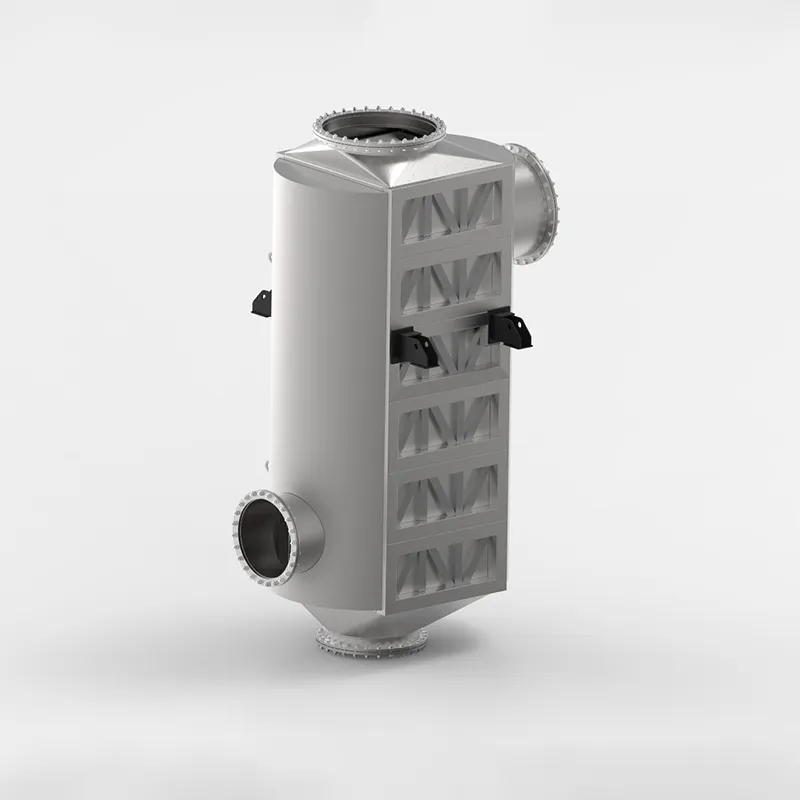
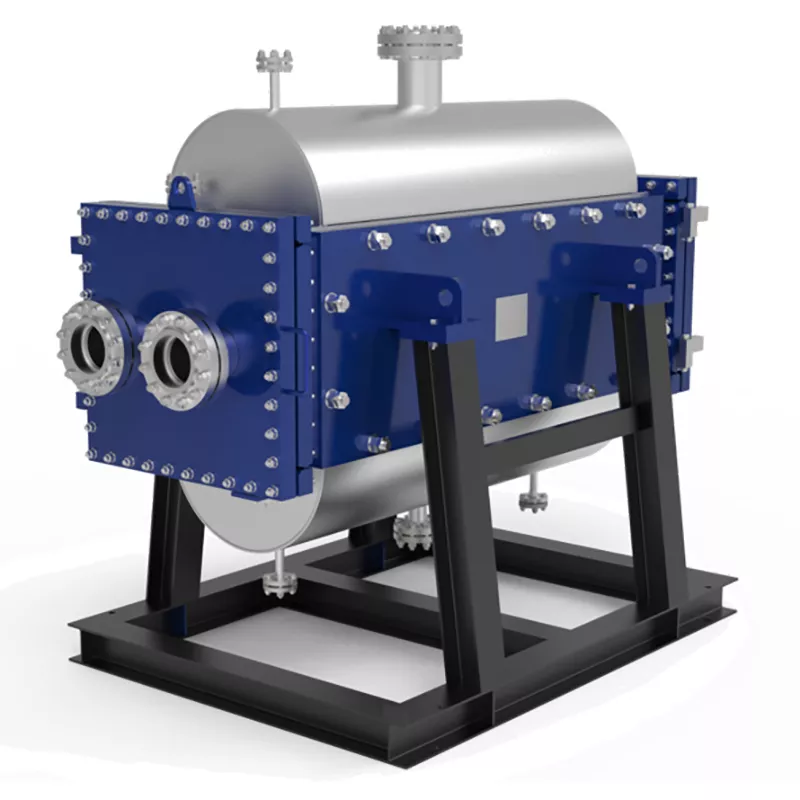
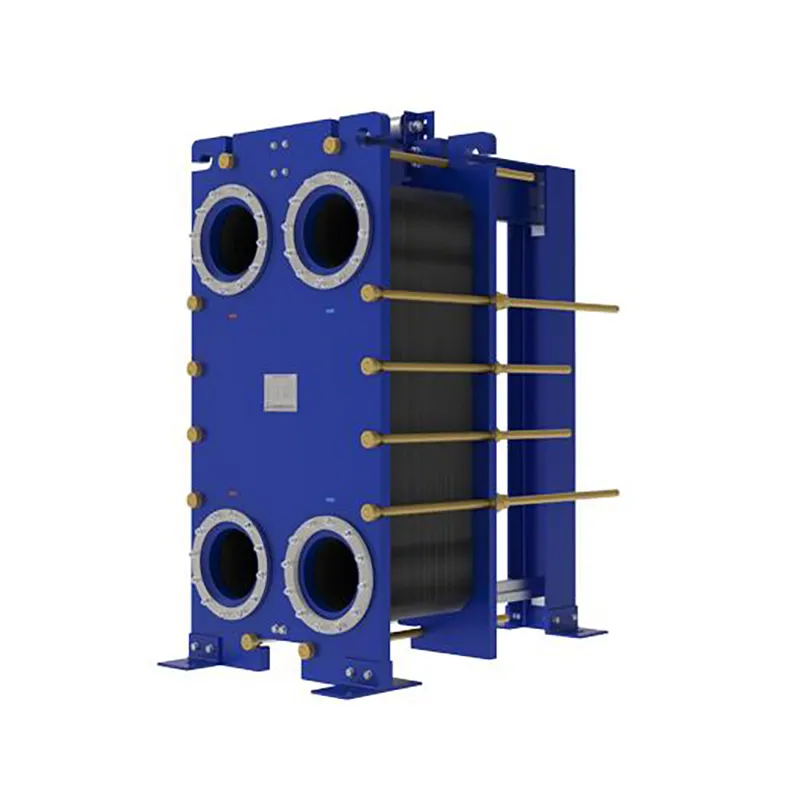
The plate air preheater features a highly compact structure that significantly reduces the overall footprint compared to traditional tubular designs. This space-saving characteristic allows for easier integration into existing industrial systems, particularly in retrofit projects where floor space is limited.
Its modular construction enables flexible installation configurations, including vertical, horizontal, or angled mounting, to adapt to various site constraints. The reduced weight and simplified support requirements further lower installation costs and structural modifications.
Additionally, the compact design facilitates easier maintenance access and reduces the need for extensive ductwork, streamlining both installation and ongoing operational efficiency.
Extended Equipment Lifespan and Lower Maintenance Requirements
Plate air preheaters are engineered to withstand high thermal stress and corrosive environments, significantly prolonging operational life. The robust welded plate construction minimizes thermal fatigue and reduces the risk of leakage, ensuring consistent performance over decades of service.
With fewer moving parts and a self-cleaning gas flow design, these units require less frequent intervention. Maintenance intervals are extended by up to 40% compared to tubular alternatives, lowering both direct upkeep costs and unplanned downtime.
Key factors contributing to durability include:
- High-grade stainless steel or corrosion-resistant alloys
- Optimized plate spacing to reduce fouling and erosion
- Modular design allowing easy inspection and replacement of individual plates
For detailed engineering specifications, refer to the custom-engineered plate air preheaters product page. Additional technical data on welded plate configurations is available at the TP welded plate heat exchanger page.
By integrating advanced material selection and simplified service access, plate air preheaters deliver a lower total cost of ownership while maintaining high thermal recovery efficiency across demanding industrial processes.
Summary
The plate air preheater delivers significant advantages in industrial settings by capturing waste heat and redirecting it to preheat incoming combustion air. This process directly enhances thermal efficiency, reduces fuel consumption, and lowers operational costs.
Improved combustion performance results in more complete fuel burn, which reduces harmful emissions such as CO₂ and NOₓ. The compact design of the plate air preheater allows for flexible, space-saving installation even in retrofit projects.
Additionally, the robust construction and efficient heat transfer surface contribute to extended equipment lifespan and lower maintenance requirements. Together, these benefits make the plate air preheater a cost-effective and environmentally responsible solution for modern industrial operations.
Key Takeaways:
- Enhanced thermal efficiency through waste heat recovery
- Reduction in fuel consumption and operational costs
- Improved combustion performance and reduced emissions
- Compact design and space-saving installation benefits
- Extended equipment lifespan and lower maintenance requirements
What Are the Key Advantages of a Plate Air Preheater in Industrial Applications?
Plate air preheaters significantly improve thermal efficiency by recovering waste heat from exhaust gases, preheating incoming combustion air, and reducing overall energy loss in industrial processes.
Enhanced Thermal Efficiency Through Waste Heat Recovery
By capturing and reusing waste heat, plate air preheaters can boost thermal efficiency by up to 30%, lowering the energy required for heating and improving system performance.
Reduction in Fuel Consumption and Operational Costs
With higher preheated air temperatures, less fuel is needed to achieve desired combustion conditions, leading to direct cost savings and reduced operational expenses over time.
Improved Combustion Performance and Reduced Emissions
Preheated air enhances combustion stability and completeness, which lowers unburned fuel and reduces harmful emissions such as CO, NOx, and particulate matter.
Compact Design and Space-Saving Installation Benefits
Plate air preheaters have a compact, modular structure that requires minimal floor space, making them ideal for retrofitting into existing industrial setups without major layout changes.
Extended Equipment Lifespan and Lower Maintenance Requirements
The robust design and efficient heat transfer reduce thermal stress on downstream equipment, while easy-to-clean plate surfaces minimize fouling and maintenance downtime.

 English EN





User Comments
Service Experience Sharing from Real Customers
Megan_H
Shift SupervisorWe swapped out our old clunker for this Plate Air Preheater six months ago, and the improvement in thermal efficiency is no joke. The burner flame is way more stable now, and I'm not constantly chasing draft readings. Even the night crew noticed the difference in how fast the boiler ramps up. Solid piece of kit for a mid-sized plant like ours.
Raj_K
Senior Process EngineerInstalled this on a retrofit project for a cement kiln waste heat recovery loop. The compact design saved us about 18 inches of ductwork real estate, which was huge given the tight space constraints. Only took off one star because the gasket kit wasn't included in the initial shipment, but the unit itself handles the particulate-laden gas stream better than I expected. Would spec again.
Tommy_B
Maintenance Tech IIII'm the guy who has to clean the thing, so I was dreading another finicky design. But this one? The lane spacing is generous enough that I can actually get the soot blower lance in there without playing Tetris. We've been running heavy fuel oil for two weeks straight and the pressure drop is still within spec. My back thanks you.
Linda_Chu
Facilities ManagerWe're a food processing plant, so we run 24/7 during harvest season. Downtime is a four-letter word. This preheater has been online for nine months with zero unplanned outages. The only hiccup was a slight vibration issue on startup that a field service tech sorted in an afternoon. For the price point and the fuel savings we're seeing, it's a win.