Optimizing Pulp Mill Operations with a High-Performance Black Liquor Heat Exchanger
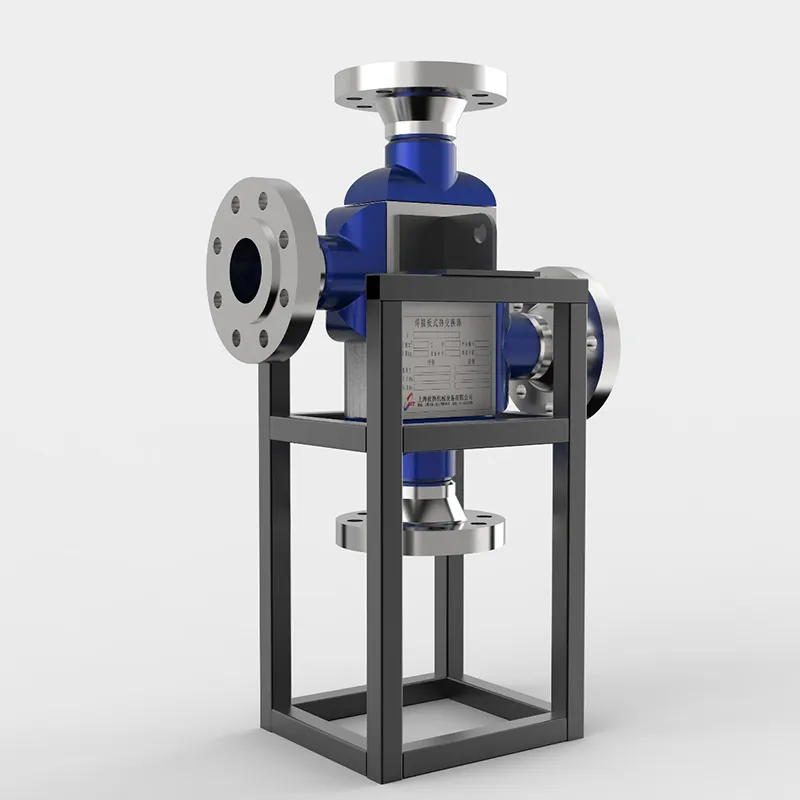
In pulp mills, black liquor heat exchangers play a critical role in recovering thermal energy from the concentrated byproduct of the kraft pulping process. A high-performance black liquor heat exchanger not only boosts energy efficiency but also reduces fouling and maintenance downtime. This article explores how selecting the right heat exchanger design can optimize mill operations, lower operating costs, and extend equipment life. We cover working principles, key features, typical parameters, and practical application scenarios, with a focus on welded plate solutions from SHPHE.
What Makes a Black Liquor Heat Exchanger Different?
Black liquor is a viscous, corrosive, and fiber-laden fluid produced during the chemical pulping process. It contains lignin, sodium salts, and residual cooking chemicals. When concentrated in evaporators, its solids content can exceed 65%, making it prone to severe fouling and scaling on heat transfer surfaces. A standard gasketed plate heat exchanger often struggles with such media because the narrow channels clog quickly, leading to frequent cleaning and pressure drops.
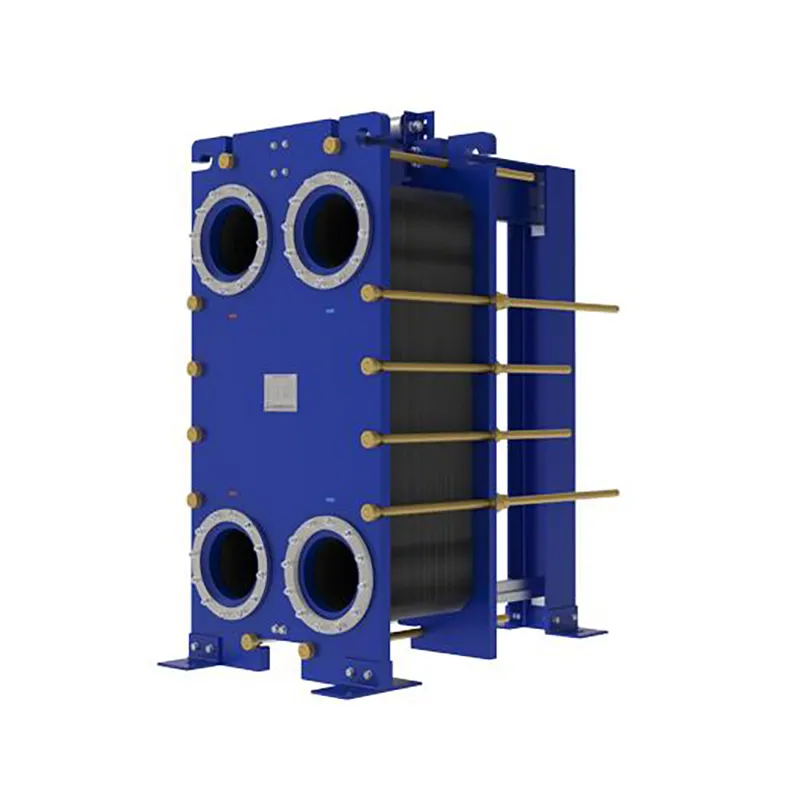
A dedicated black liquor heat exchanger must feature wide gaps, corrosion-resistant materials, and robust welding to withstand high temperatures and aggressive chemical environments. Unlike shell-and-tube units, modern welded plate designs offer higher thermal efficiency and a smaller footprint, making them increasingly popular in brownfield and greenfield pulp mills.
How Does a Black Liquor Heat Exchanger Work in a Pulp Mill?
The typical application involves preheating concentrated black liquor before it enters the recovery boiler. Cold black liquor (around 80–100°C) is pumped through the heat exchanger, where it absorbs heat from a hot stream—often steam or hot condensate—raising its temperature to 130–150°C. This preheating step reduces the energy load on the recovery boiler and improves overall thermal efficiency of the mill.
In some configurations, the black liquor heat exchanger also serves as a cooler for intermediate streams, such as weak black liquor before storage. The key is to maintain a balanced flow regime that minimizes fouling while maximizing heat transfer coefficients. Welded plate designs, like the Wide Gap Welded Plate Heat Exchanger, are particularly effective because their channel gaps can be customized to handle high-viscosity fluids with suspended solids.
Key Features of a High-Performance Black Liquor Heat Exchanger
- Wide channel gaps: Typically 8–16 mm to accommodate fibers and prevent clogging.
- All-welded construction: Eliminates gasket failures and reduces leak points.
- Corrosion-resistant materials: 316L stainless steel or duplex alloys for long service life.
- High thermal efficiency: Up to 90% heat recovery compared to 70–80% for shell-and-tube units.
- Compact footprint: Up to 60% less floor space than traditional designs.
- Easy maintenance: Accessible plate packs for inspection and cleaning.
Typical Parameter Ranges for Black Liquor Heat Exchangers
| Parameter |
Typical Range |
| Operating temperature |
80–180°C |
| Operating pressure |
6–16 bar |
| Black liquor solids content |
50–70% |
| Viscosity |
50–500 cP |
| Channel gap |
8–16 mm |
| Heat transfer coefficient |
800–2000 W/m²·K |
Applications and Recommended Solutions for Black Liquor Heating
Black liquor heat exchangers are used in several stages of the pulp mill: preheating before the recovery boiler, cooling after evaporation, and heat recovery from condensate streams. For each application, the choice of heat exchanger type depends on the solids content, temperature, and pressure conditions.
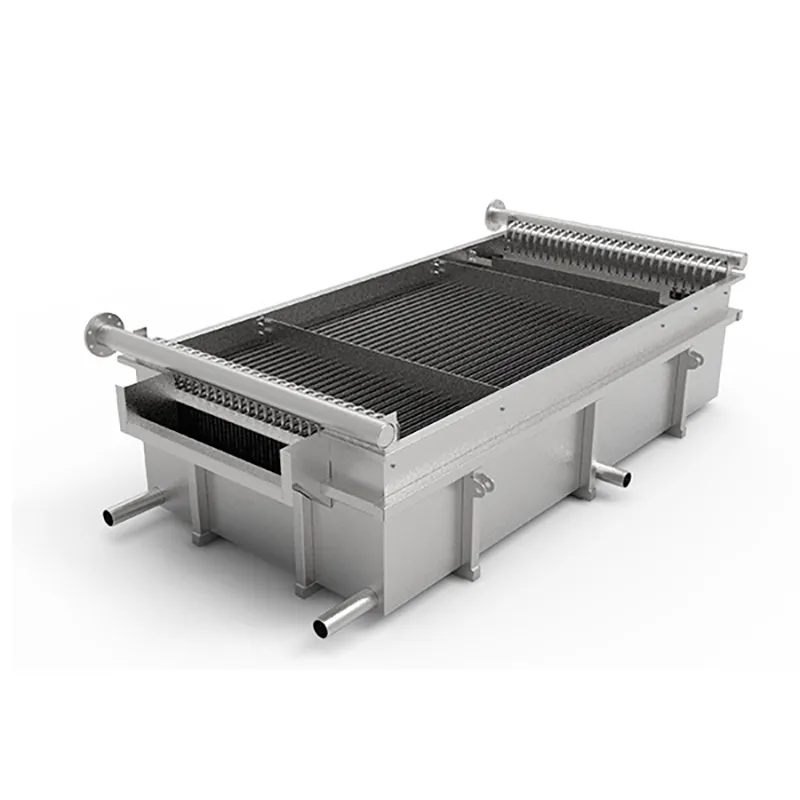
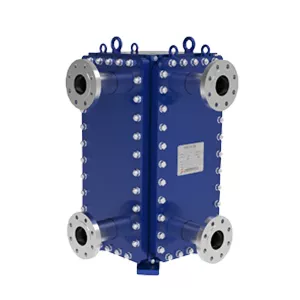
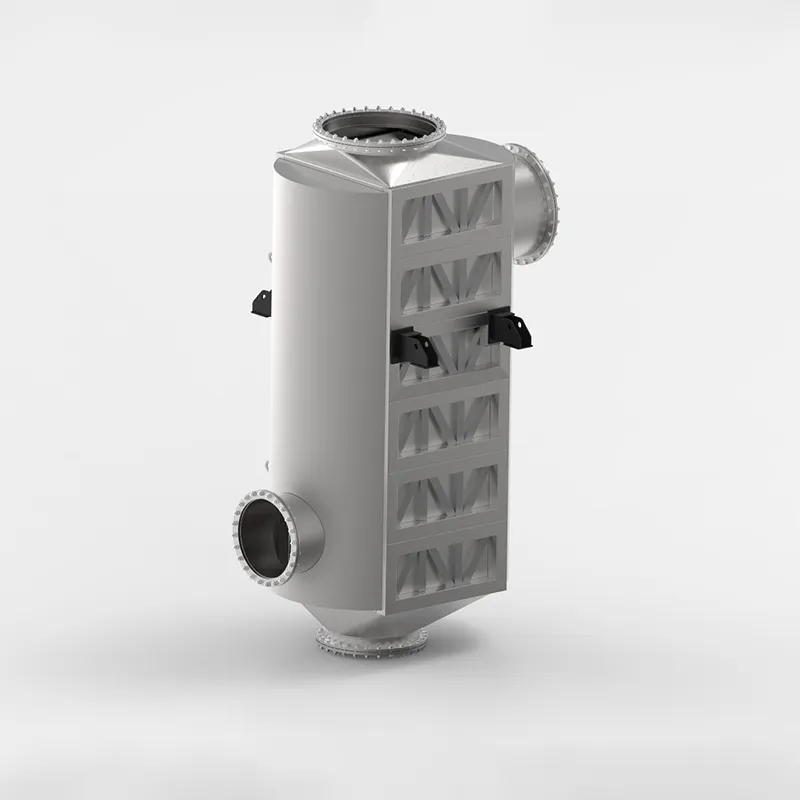
For high-solids black liquor (above 60%), a Wide Gap Welded Plate Heat Exchanger is recommended because it handles fibers without blockage. For moderate solids (40–55%), a HT-Bloc Welded Plate Heat Exchanger offers excellent thermal performance and durability. In cases where steam is the heating medium, a Plate Air Preheater can be integrated for additional energy savings.
Many mills also retrofit existing shell-and-tube units with welded plate exchangers to reduce fouling and improve heat recovery. These retrofits typically pay back within 12–18 months through reduced steam consumption and lower maintenance costs.
Why SHPHE for Your Black Liquor Heat Exchanger?
SHPHE is a Shanghai-based plate heat exchanger manufacturer founded in 2005, exporting to over 20 countries. We hold ISO9001 and ASME U certifications, ensuring our products meet international quality standards. Our black liquor heat exchanger solutions include HT-Bloc welded plate, Wide Gap welded plate, and gasketed plate designs, all backed by free thermal design and selection services.
Unlike some global brands, we focus on custom-engineered solutions for demanding process fluids. Our welded plate heat exchangers are compatible with Alfa Laval and Compabloc installations, offering a reliable alternative for replacement or new projects. With over 15 years of experience in the pulp and paper industry, we understand the specific challenges of black liquor heating and provide tailored designs that optimize performance and longevity.
Frequently Asked Questions About Black Liquor Heat Exchangers
1. What is the best material for a black liquor heat exchanger?
316L stainless steel is the most common choice for its corrosion resistance and cost-effectiveness. For higher chloride concentrations or extreme temperatures, duplex stainless steels like 2205 are recommended to prevent stress corrosion cracking.
2. How often does a black liquor heat exchanger need cleaning?
Cleaning frequency depends on the solids content and flow velocity. With a properly designed wide-gap welded plate unit, cleaning intervals can extend to 6–12 months. Regular monitoring of pressure drop and temperature difference helps schedule maintenance proactively.
3. Can a black liquor heat exchanger be used for other fluids?
Yes, the same welded plate design can handle other viscous or fouling fluids such as green liquor, tall oil, or digester blow steam condensate. It is important to verify compatibility of materials and channel geometry with the specific media.
4. What is the typical payback period for upgrading to a welded plate exchanger?
Most mills see a payback period of 12–24 months through reduced steam consumption, lower maintenance costs, and increased uptime. The exact period depends on the existing equipment condition and operating parameters.
5. How does a wide-gap plate exchanger compare to a shell-and-tube design?
Wide-gap plate exchangers offer 2–3 times higher heat transfer coefficients, a smaller footprint, and easier cleaning. They are less prone to fouling than shell-and-tube units, especially with high-viscosity fluids like black liquor. However, they may have lower pressure ratings, so selection must consider the operating conditions.
6. Can SHPHE provide a custom design for my specific black liquor parameters?
Absolutely. SHPHE offers free thermal design and selection services. We will analyze your flow rate, temperature, pressure, and media composition to recommend the optimal heat exchanger configuration, including channel gap, plate material, and connection sizes.
Request a Quote for Your Black Liquor Heat Exchanger
To ensure the best performance and cost-efficiency for your pulp mill, we recommend providing the following details when requesting a quote: flow rate (m³/h or GPM), inlet and outlet temperatures, operating pressure, black liquor solids content, and viscosity. Our engineering team will then prepare a tailored thermal design and selection for your black liquor heat exchanger.
Contact SHPHE today to discuss your project. With our ISO9001 and ASME U certified manufacturing and over 15 years of experience, we deliver reliable, high-performance heat exchangers that optimize mill operations and reduce energy costs. Let us help you find the right black liquor heat exchanger for your specific application.

 English EN





User Comments
Service Experience Sharing from Real Customers
Elena
Process EngineerWe swapped out our old shell-and-tube for this black liquor heat exchanger six months ago, and the fouling issues we used to have are almost gone. The cleaning cycle has doubled, which is a huge win for our uptime. Installation was straightforward too, even with our cramped layout.
Marcus
Maintenance SupervisorI was skeptical about the price tag at first, but this unit has held up well under our heavy black liquor flow. The gaskets are still tight after a year, and the pressure drop is stable. Only reason I’m not giving five stars is because the manual could be clearer on the cleaning procedure.
Priya
Senior Operations ManagerWe’ve been running this exchanger non-stop for eight months in our recovery area. The thermal recovery efficiency is noticeably better than our previous setup, and the corrosion resistance on the liquor side is top-notch. My team loves that we don’t have to baby it during startup anymore.
Tomás
Shift LeadThis thing handles the high solids content in our black liquor like a champ. We had a couple of minor leaks at the flange connections early on, but a quick gasket swap fixed it. Overall, it’s cut our steam consumption by about 12%, so the ROI is real. Solid piece of equipment.