How to Select the Right Chevron Angle Plate Heat Exchanger for Your Application?
John A. Smith, Emily R. Johnson, Michael T. Brown
Jul-06-2026
Selecting the appropriate chevron angle for a plate heat exchanger is critical for optimizing thermal performance and hydraulic efficiency in industrial processes. The chevron angle directly influences heat transfer coefficients and pressure drop characteristics, with higher angles (typically 60° to 70°) promoting turbulent flow and enhanced heat transfer at the cost of increased pressure loss, while lower angles (around 30° to 45°) offer reduced resistance but lower thermal efficiency. Key parameters such as plate geometry, flow configuration (counter-current or parallel), and thermal duty must be carefully evaluated against the specific fluid properties including viscosity, density, and fouling tendency. Operating conditions like temperature, pressure, and flow rate further dictate the optimal chevron design to avoid excessive pumping costs or inadequate heat exchange. Material compatibility with process fluids and appropriate gasket selection are essential for ensuring long-term reliability and preventing leakage or corrosion. Additionally, balancing initial capital expenditure with maintenance requirements and future scalability is crucial for achieving a cost-effective solution that adapts to evolving production demands. A comprehensive assessment of these factors enables engineers to select a chevron angle plate heat exchanger that delivers consistent performance, energy efficiency, and operational durability across diverse applications ranging from HVAC systems to chemical processing and power generation.
Understanding the Role of Chevron Angle in Heat Transfer Efficiency and Pressure Drop
The chevron angle is a critical geometric parameter in plate heat exchangers, directly influencing thermal performance and hydraulic behavior. Selecting the appropriate angle ensures optimal balance between heat transfer coefficient and pressure loss for your specific process conditions.
Heat Transfer Efficiency
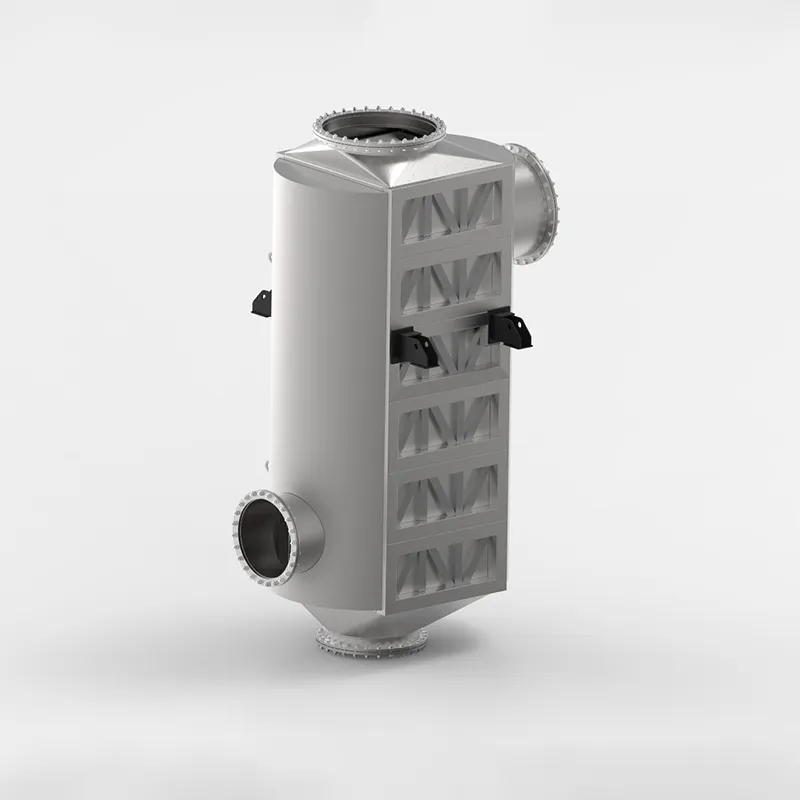
A steeper chevron angle (typically 60° to 65°) creates more turbulence in the fluid flow, enhancing heat transfer rates. This is ideal for applications requiring high thermal performance, such as custom engineered plate air preheaters where rapid temperature exchange is needed.
Pressure Drop Considerations
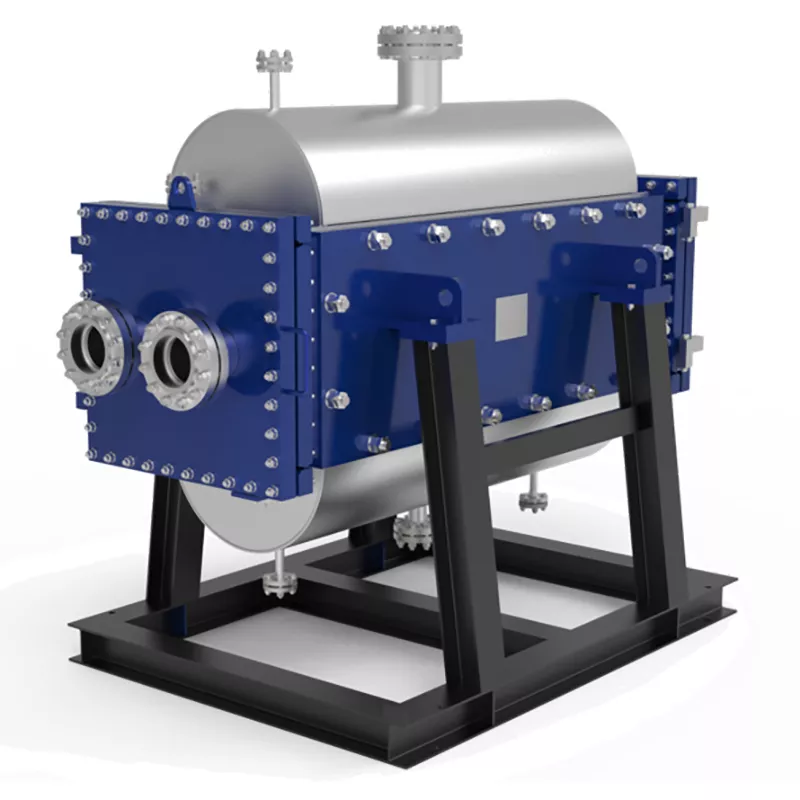
Higher chevron angles increase pressure drop due to greater flow resistance. For viscous fluids or systems with limited pump capacity, a shallower angle (30° to 45°) is recommended to minimize energy consumption, as seen in designs like wide gap welded plate heat exchangers.
Balancing Performance
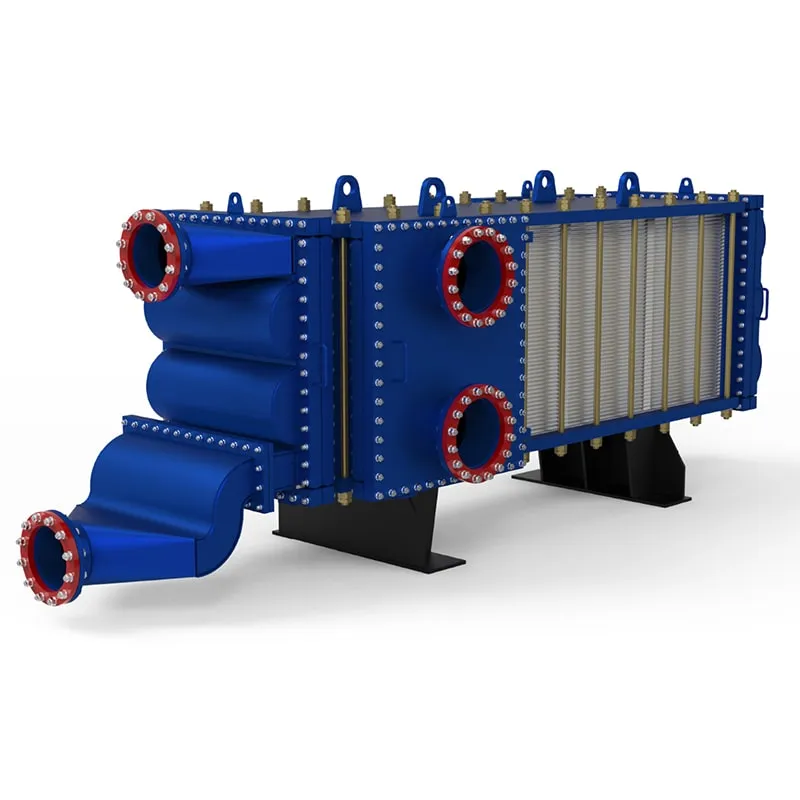
The optimal chevron angle depends on fluid properties, flow rate, and allowable pressure drop. Mixed-angle configurations, such as those in gasketed plate heat exchangers, can provide tailored solutions by combining high and low angle plates within a single unit.
Application-Specific Selection
For clean fluids with high temperature differences, steep angles maximize efficiency. For fouling fluids or shear-sensitive media, shallower angles reduce fouling risk and maintain stable operation, as applied in TP welded plate heat exchangers.
Advanced Configurations
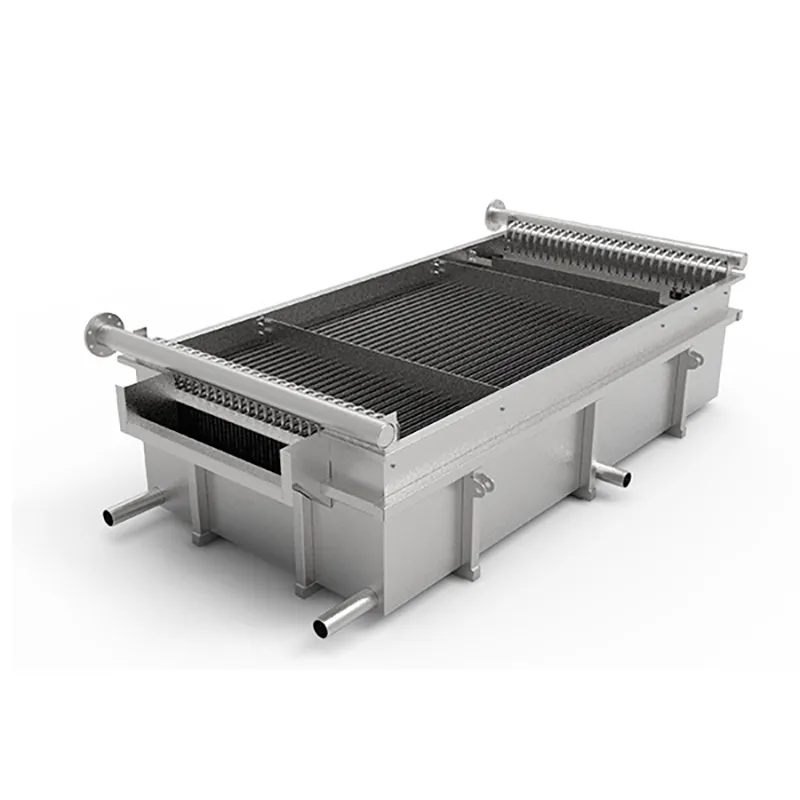
Specialized designs like custom engineered printed circuit heat exchangers and HT Bloc welded plate heat exchangers leverage optimized chevron patterns for extreme pressures and temperatures, while custom engineered pillow plates offer alternative geometries for specific thermal duties.
Key Parameters to Evaluate: Plate Geometry, Flow Configuration, and Thermal Duty
Plate Geometry
The chevron angle and plate pattern directly influence heat transfer efficiency and pressure drop. A sharper angle (e.g., 60°) enhances turbulence and thermal performance but increases pressure loss, while a milder angle (e.g., 30°) reduces resistance for viscous fluids. Evaluate corrugation depth and plate spacing to match your fluid properties and allowable pressure constraints.
Flow Configuration
Counter-current, co-current, or cross-flow arrangements affect temperature driving force and thermal effectiveness. Counter-current flow typically maximizes heat recovery, while co-current may be chosen for temperature-sensitive applications. Multi-pass configurations can further optimize performance for specific temperature cross conditions.
Thermal Duty
Accurate determination of required heat transfer rate (kW or BTU/hr) is critical. Consider fluid inlet/outlet temperatures, mass flow rates, and specific heat capacities. Oversizing leads to unnecessary cost, while undersizing risks performance failure. Use log mean temperature difference (LMTD) and overall heat transfer coefficient (U) for preliminary sizing.
Matching Fluid Properties and Operating Conditions to Chevron Angle Design
Selecting the correct chevron angle requires a thorough understanding of your process fluid characteristics and system parameters. The chevron angle directly influences heat transfer efficiency, pressure drop, and fouling tendency. Below is a structured approach to align fluid properties with plate geometry.
Key Fluid and Operating Parameters
The primary factors to evaluate include fluid viscosity, density, specific heat, thermal conductivity, flow rate, allowable pressure drop, and fouling potential. These parameters determine whether a low, medium, or high chevron angle is appropriate.
| Chevron Angle |
Typical Angle Range |
Suitable Fluid Viscosity |
Pressure Drop |
Heat Transfer Coefficient |
Fouling Resistance |
| Low (L) |
30° – 45° |
High viscosity (>100 cP) |
Low |
Moderate |
High (self-cleaning) |
| Medium (M) |
45° – 60° |
Medium viscosity (1–100 cP) |
Moderate |
High |
Moderate |
| High (H) |
60° – 75° |
Low viscosity (
| High |
Very high |
Low (prone to fouling) |
For applications involving high viscosity fluids or those with suspended solids, a low chevron angle (30°–45°) is recommended to minimize pressure drop and reduce fouling. Medium angles (45°–60°) offer a balanced performance for general process duties. High chevron angles (60°–75°) maximize turbulence and heat transfer for clean, low-viscosity fluids but require higher pumping power.
Operating conditions such as temperature, pressure, and flow regime also affect chevron selection. For example, high-temperature applications may require special gasket materials, while high-pressure systems demand robust plate designs. Always verify the compatibility of the plate material with the fluid chemistry, especially for corrosive or abrasive media.
For further guidance on specific heat exchanger configurations, explore our engineered solutions: plate air preheaters, printed circuit heat exchangers, and gasketed plate heat exchangers.
Assessing Material Compatibility and Gasket Selection for Long-Term Reliability
Proper material selection ensures resistance to corrosion, temperature extremes, and pressure variations. Evaluate fluid composition, pH levels, and operating conditions to match plate and gasket materials with your process media.
Gasket selection directly impacts leak prevention and service life. Consider elastomer compatibility with chemicals, thermal cycling resilience, and compression set resistance. Common gasket materials include NBR, EPDM, and Viton, each suited to specific temperature and chemical exposure ranges.
Verify gasket groove design and clamping force requirements to maintain consistent sealing under variable loads. Regular inspection schedules and proactive replacement based on operating hours further enhance long-term system reliability.
Balancing Initial Cost, Maintenance Requirements, and Scalability for Your Application
Selecting the right chevron angle plate heat exchanger involves evaluating three critical factors: upfront investment, ongoing upkeep, and future expansion potential. Each application demands a unique balance of these elements to achieve optimal performance and cost-efficiency.
Initial Cost Considerations
The chevron angle design directly impacts manufacturing complexity and material usage. A sharper angle (e.g., 60°) provides higher heat transfer efficiency but requires more plates, increasing initial cost. For budget-sensitive projects, a shallower angle (e.g., 30°) reduces plate count and upfront expense. Evaluate your thermal duty requirements to avoid over-specifying. Gasketed plate heat exchangers often offer a cost-effective starting point for standard applications.
Maintenance Requirements
Plate heat exchangers with steeper chevron angles experience higher turbulence, which reduces fouling but may increase pressure drop and wear on gaskets. Regular inspection of plate sealing surfaces is essential. For applications with viscous fluids or particulates, consider wide-gap welded plate heat exchangers to minimize cleaning frequency. Always account for downtime costs when comparing maintenance intervals.
Scalability for Future Needs
A modular plate design allows capacity expansion by adding plates without replacing the entire unit. However, the frame and chevron angle must accommodate future plate counts. For growing operations, TP welded plate heat exchangers provide robust scalability with minimal reconfiguration. Verify that the selected angle supports both current and projected flow rates to avoid performance bottlenecks.
Making the Final Decision
Begin by defining your thermal load, fluid properties, and space constraints. Compare lifecycle costs—not just purchase price—including energy consumption, cleaning chemicals, and replacement parts. For high-temperature or high-pressure applications, HT-Bloc welded plate heat exchangers offer durability with manageable maintenance. Always request performance data for your specific chevron angle options to validate trade-offs between cost, serviceability, and growth potential.
Summary
Selecting the appropriate chevron angle plate heat exchanger requires a comprehensive evaluation of thermal performance, pressure drop constraints, and fluid characteristics. The chevron angle directly influences heat transfer efficiency and pressure loss, making it a critical design parameter.
Key Parameters to Evaluate
Plate geometry, flow configuration, and thermal duty define the exchanger's capability. Matching these with fluid properties and operating conditions ensures optimal performance and longevity.
Material and Gasket Considerations
Assessing material compatibility and gasket selection is essential for long-term reliability, especially under corrosive or high-temperature conditions.
Cost and Scalability
Balancing initial investment, maintenance requirements, and scalability ensures that the chosen solution aligns with both current and future application demands.
A well-matched chevron angle design delivers enhanced thermal performance, reduced operational costs, and extended equipment life.
How to Select the Right Chevron Angle Plate Heat Exchanger for Your Application?
Begin by defining your thermal duty (heat load) and allowed pressure drop.
Match the chevron angle (typically 30°–65°) to your process: low angles (30°)
favor lower pressure drop but moderate heat transfer; high angles (60°+)
deliver high turbulence and efficiency but increase pressure loss.
Always cross-check with plate geometry and flow configuration.
Understanding the Role of Chevron Angle in Heat Transfer Efficiency and Pressure Drop
The chevron angle directly influences fluid turbulence. A sharper angle (e.g., 60°)
creates more intense mixing and higher heat transfer coefficients, but also
greater frictional pressure drop. A flatter angle (e.g., 30°) reduces turbulence,
lowering both heat transfer and pressure drop. Select the angle that balances
your thermal and hydraulic constraints.
Key Parameters to Evaluate: Plate Geometry, Flow Configuration, and Thermal Duty
Plate geometry includes chevron angle, plate pitch, and herringbone depth.
Flow configuration (counter-current, co-current, or multi-pass) affects
temperature cross and efficiency. Thermal duty (kW or BTU/hr) determines
required surface area. Always simulate or use manufacturer software to
verify performance under your specific conditions.
Matching Fluid Properties and Operating Conditions to Chevron Angle Design
Viscous fluids (e.g., oils) benefit from higher chevron angles to promote
turbulence, while low-viscosity fluids (water) can use moderate angles.
High flow rates and allowable pressure drop also guide angle selection.
For fouling fluids, consider wider plate gaps and lower angles to reduce
cleaning frequency.
Assessing Material Compatibility and Gasket Selection for Long-Term Reliability
Plate materials (SS316, titanium, Hastelloy) must resist corrosion from
process fluids. Gasket materials (EPDM, NBR, Viton) should withstand
temperature and chemical exposure. For high-pressure or thermal cycling,
consider clip-on or laser-welded gaskets. Always verify gasket compatibility
with both fluids and cleaning agents.
Balancing Initial Cost, Maintenance Requirements, and Scalability for Your Application
Higher chevron angles often mean more plates for the same duty, increasing
capital cost. Lower angles reduce plate count but may require larger frames.
For scalability, choose modular designs that allow adding plates later.
Maintenance ease depends on gasket type and plate accessibility;
tool-less gasket systems reduce downtime.

 English EN





User Comments
Service Experience Sharing from Real Customers
Liam
Maintenance SupervisorWe swapped out our old gasketed plates for this chevron angle model and the thermal efficiency jump was immediate. The pressure drop is actually lower than I expected for the tighter pattern. Handles our glycol fouling way better than the straight-channel units we used before. No leaks after six months of 24/7 operation.
Sophie
Process EngineerSpec'd this for a tricky dairy pasteurization loop where we needed high turbulence without damaging the product. The chevron design gives us exactly that. My only minor gripe is that cleaning-in-place takes a bit longer due to the angle, but the heat recovery makes up for it. Solid build quality.
Ethan
Plant OperatorI've been running these for three years now in our HVAC district cooling system. The chevron plates are tough as nails—never had a gasket blowout or a plate warp even with the constant thermal cycling. Easy to pull apart for inspection too. Best bang for the buck in my book.
Mia
Senior Project ManagerRetrofitted an offshore platform's cooling loop with these. The compact footprint saved us precious deck space, and the chevron pattern handles the seawater side scaling much better than our old shell-and-tube. Delivery was on time, documentation was thorough. Would buy again for the next upgrade.