Understanding the Role of Molten Salt Heat Exchanger in Thermal Energy Systems
Molten salt heat exchangers are critical components in modern thermal energy storage and concentrated solar power (CSP) plants, enabling efficient heat transfer at high temperatures. This article explores how these exchangers work, their key design parameters, and why selecting the right plate heat exchanger technology matters for process engineers and procurement managers looking for reliable, cost-effective solutions.
What Is a Molten Salt Heat Exchanger and Why Does It Matter?
A molten salt heat exchanger is a device designed to transfer thermal energy between molten salt and another fluid, such as thermal oil, water, or steam. These systems operate at temperatures typically ranging from 250°C to 565°C, making them ideal for CSP plants, industrial waste heat recovery, and chemical processing. The key challenge is handling the salt's high freezing point (around 120–220°C) and corrosive nature at elevated temperatures.
For process engineers, the molten salt heat exchanger must provide reliable performance under thermal cycling, resist fouling, and maintain high thermal efficiency. Traditional shell-and-tube designs are common, but welded plate heat exchangers are gaining traction due to their compact footprint and superior heat transfer coefficients.
How Does a Molten Salt Heat Exchanger Work in Practice?
In a typical CSP plant, molten salt is heated by solar receivers to around 565°C and stored in hot tanks. When electricity is needed, the hot salt is pumped through a molten salt heat exchanger, where it transfers heat to a working fluid (often thermal oil or water) that drives a turbine. The cooled salt returns to a cold tank at roughly 290°C, ready for reheating.
The heat exchanger must handle large temperature differences and frequent start-stop cycles. Plate-type designs, such as those offered by SHPHE, use corrugated plates to create turbulent flow, enhancing heat transfer while minimizing fouling. This is especially important when dealing with molten salt, which can solidify if temperatures drop too low.
Key Features and Typical Parameter Ranges for Molten Salt Heat Exchangers
When evaluating a molten salt heat exchanger, focus on these critical parameters:
- Operating temperature: 250°C to 565°C (common range for solar salt mixtures)
- Design pressure: Up to 30 bar for plate heat exchangers; higher for specialized units
- Heat transfer coefficient: 500–3000 W/m²·K depending on flow configuration and plate geometry
- Material compatibility: Stainless steel 316L or higher-grade alloys for corrosion resistance
- Freeze protection: Trace heating and drainability to prevent salt solidification
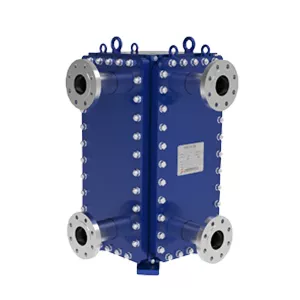
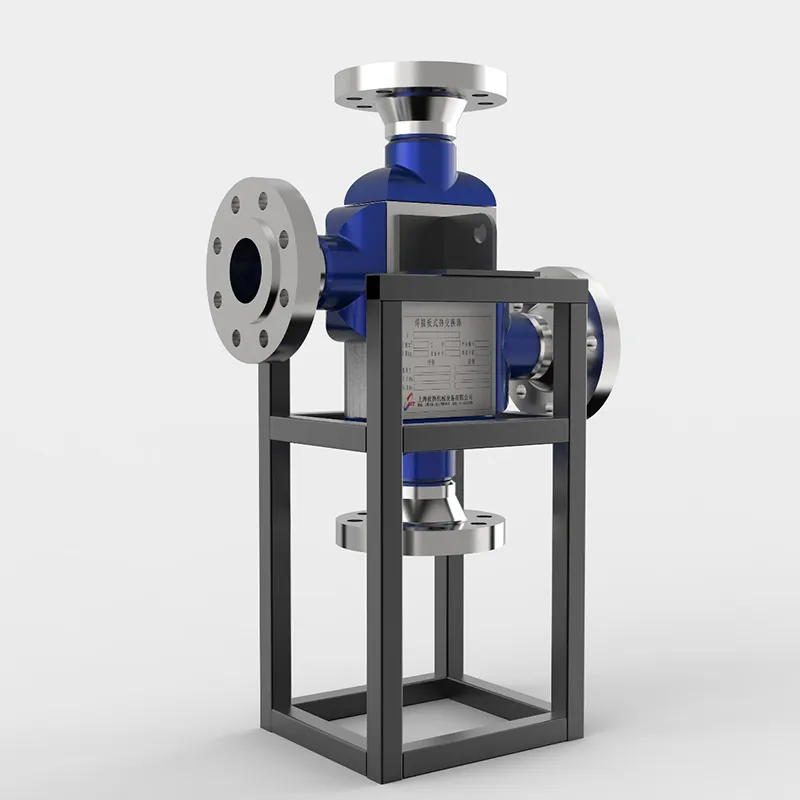
SHPHE's welded plate heat exchangers, including the HT-Bloc and TP series, are designed to meet these demands. They offer a compact alternative to shell-and-tube units, reducing installation space and maintenance costs. For more details, explore our HT-Bloc welded plate heat exchanger product page.
Applications and Recommended Solutions for Molten Salt Systems
Molten salt heat exchangers are used across several industries:
- Concentrated solar power (CSP): For thermal energy storage and power generation
- Industrial waste heat recovery: Capturing high-temperature exhaust for reuse
- Chemical processing: Heating reactors or distillation columns
- Desalination: Using molten salt as a heat source for multi-effect distillation
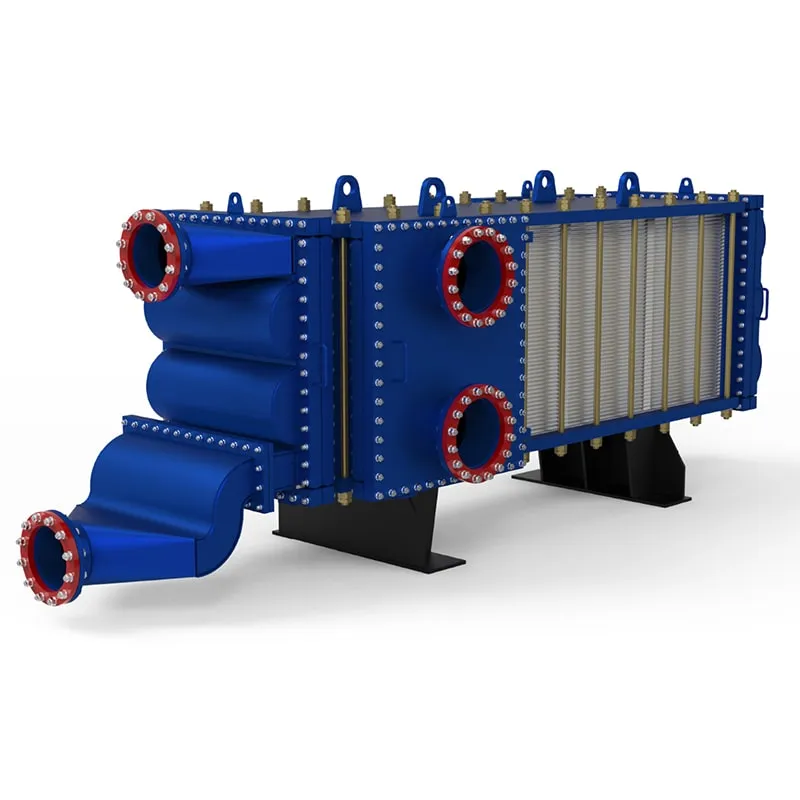
For each application, the choice of heat exchanger depends on flow rates, temperature profiles, and space constraints. Gasketed plate heat exchangers work well for lower pressures, while welded designs handle higher temperatures and aggressive media. SHPHE also offers wide gap welded plate heat exchangers for fluids with particulates or high viscosity.
Why Choose SHPHE for Your Molten Salt Heat Exchanger Needs?
SHPHE, founded in 2005 in Shanghai, is a specialized plate heat exchanger manufacturer with ISO9001 and ASME U certifications. Our products are exported to over 20 countries, and we offer free thermal design and selection services. Our portfolio includes:
- HT-Bloc and TP welded plate heat exchangers
- Wide gap welded plate heat exchangers
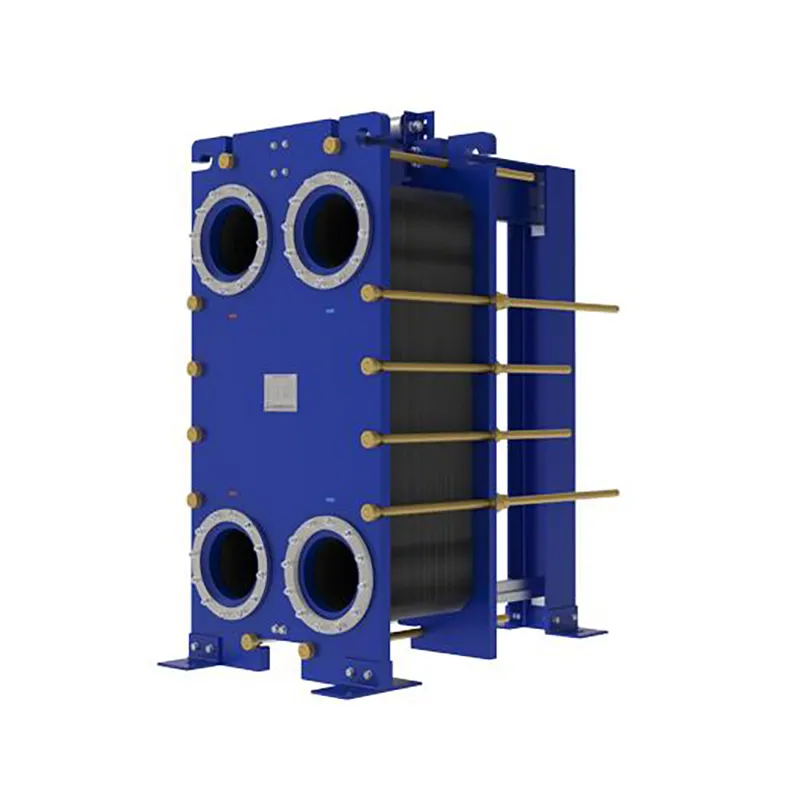
- Gasketed plate heat exchangers
- Printed circuit heat exchangers (PCHE)
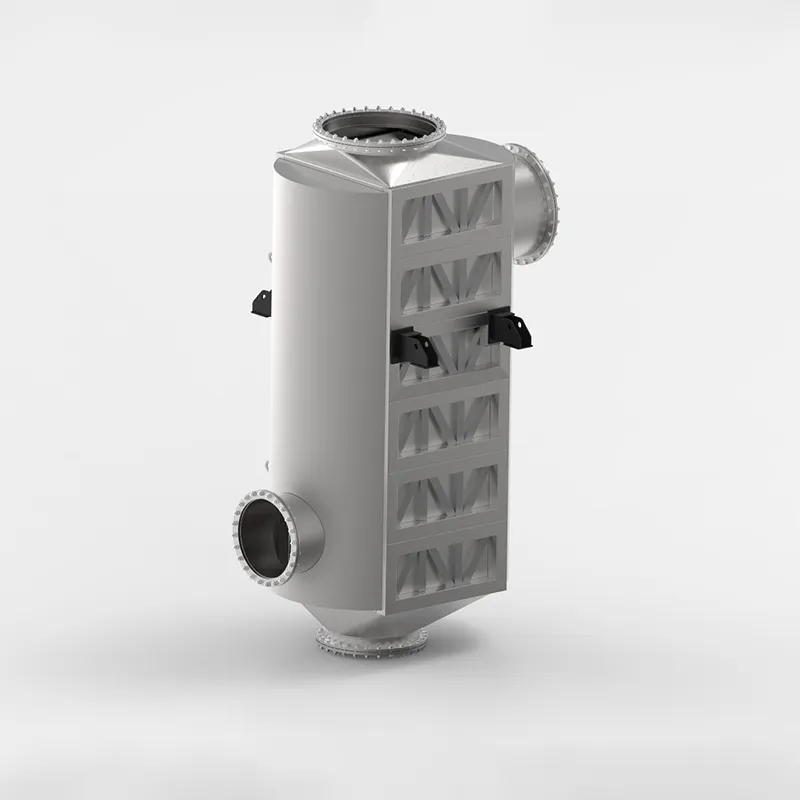
- Plate air preheaters
- Pillow plates
Our welded plate heat exchangers are compatible with Alfa Laval and Compabloc designs, providing a reliable alternative without compromising performance. We focus on delivering custom-engineered solutions that match your exact process conditions. Learn more about our TP welded plate heat exchanger series for high-temperature applications.
Frequently Asked Questions About Molten Salt Heat Exchangers
What materials are best for molten salt heat exchangers?
Stainless steel 316L is the most common choice for molten salt service due to its corrosion resistance and cost-effectiveness. For higher temperatures or more aggressive salt mixtures, alloys like Inconel 625 or Hastelloy may be required. Always consult with your heat exchanger supplier for material recommendations based on your specific salt composition.
How do you prevent salt freezing in a molten salt heat exchanger?
Install trace heating on all pipes and the heat exchanger itself to maintain temperatures above the salt's freezing point. Also design the system for complete drainability so that salt can be removed during shutdowns. Proper insulation and temperature monitoring are essential to avoid blockages.
Can plate heat exchangers handle molten salt?
Yes, welded plate heat exchangers are well-suited for molten salt applications. They offer high thermal efficiency, compact size, and resistance to thermal shock. Gasketed designs are generally not recommended due to gasket material limitations at high temperatures. SHPHE's welded plate units are designed specifically for these demanding conditions.
What is the typical lifespan of a molten salt heat exchanger?
With proper material selection and maintenance, a welded plate heat exchanger can last 15–25 years in molten salt service. Factors like thermal cycling, salt purity, and operating temperature affect longevity. Regular inspections for corrosion and fouling help extend equipment life.
How do I size a molten salt heat exchanger for my plant?
Sizing requires knowing the flow rate, inlet and outlet temperatures, pressure drop limits, and physical properties of both the molten salt and the secondary fluid. SHPHE offers free thermal design and selection services — simply provide your process parameters, and our engineers will recommend the optimal configuration.
Is a molten salt heat exchanger compatible with existing CSP systems?
Most welded plate heat exchangers can be retrofitted into existing CSP plants as a replacement for shell-and-tube units. They offer a smaller footprint and easier maintenance. SHPHE's designs are compatible with standard piping connections and control systems, minimizing integration costs.
Request a Quote for Your Molten Salt Heat Exchanger
Selecting the right molten salt heat exchanger is critical for the efficiency and reliability of your thermal energy system. At SHPHE, we combine over 18 years of manufacturing experience with advanced plate heat exchanger technology to deliver solutions that meet your exact specifications.
To get a customized recommendation, please provide the following details:
- Flow rate of molten salt and secondary fluid
- Inlet and outlet temperatures
- Operating pressure
- Media composition (salt type, impurities)
Contact our engineering team today for a free thermal design and quotation. We are ready to help you optimize your thermal energy system with a reliable, high-performance molten salt heat exchanger from SHPHE.

 English EN





User Comments
Service Experience Sharing from Real Customers
Liam
Senior Thermal EngineerWe swapped our old fired heater for this molten salt exchanger six months ago. The temperature uniformity across the bundle is incredible—no more hot spots during peak load. Maintenance has been a breeze so far, and the thermal efficiency gain paid for itself in under a year. Highly recommend for anyone dealing with high-temp process loops.
Emma
Plant OperatorBeen running this unit for about three months now. It handles the daily thermal cycling like a champ—no leaks or weird noises. The only reason I’m not giving five stars is that the initial startup instructions were a bit confusing for our crew. Once we got the hang of it, though, it’s been solid. Great for our solar thermal storage tie-in.
Noah
R&D Project LeadWe’re testing this exchanger for a next-gen concentrating solar power demo. The corrosion resistance with our nitrate salt mix is outstanding—zero degradation after 500 hours at 565°C. The compact design let us fit the whole setup in a smaller skid, which saved us a ton on piping. Couldn’t ask for better performance from a prototype component.
Sophie
Maintenance SupervisorWe installed three of these in our waste-to-energy plant last year. They take a beating from the dirty molten salt, but so far we’ve only had to clean the tube sheets twice. The drain valves are well placed, which makes flushing easy. My only gripe is the gasket material—switched to a graphite composite and it’s been fine since. Solid workhorse overall.