Critical Role of the Hydrogen Refueling Station Heat Exchanger in Thermal Control
Hydrogen refueling stations rely on precise thermal management to ensure safe, fast, and efficient fueling. The hydrogen refueling station heat exchanger is the core component that handles extreme temperature differentials during compression, storage, and dispensing. This article breaks down how these exchangers work, what parameters matter, and how to select the right solution for your station design.
What Makes a Hydrogen Refueling Station Heat Exchanger Different?
Unlike conventional industrial heat exchangers, units used in hydrogen refueling must handle hydrogen's unique properties: low molecular weight, high diffusivity, and wide operating temperature range from -40°C to over 85°C during precooling. The hydrogen refueling station heat exchanger must also withstand high pressures up to 1,000 bar in some cascade storage systems. Standard gasketed designs often fail under these conditions, which is why many engineers turn to welded plate solutions.
How Does Thermal Control Work in a Hydrogen Station?
The fueling process generates significant heat due to the Joule-Thomson effect as hydrogen expands from high-pressure storage into the vehicle tank. Without active cooling, the gas temperature can exceed safe limits, causing fill interruptions or damage to onboard components. The heat exchanger precools the hydrogen to -40°C before dispensing, ensuring a complete and safe fill within 3–5 minutes. This requires a robust thermal control loop involving a chiller, circulating coolant, and the exchanger itself.
Key Features and Typical Parameter Ranges
When evaluating a hydrogen refueling station heat exchanger, focus on these performance indicators:
- Design pressure: 350–1,000 bar for hydrogen side; 10–16 bar for coolant side
- Temperature range: -50°C to +120°C, with precooling targets at -40°C
- Material compatibility: 316L stainless steel or higher-grade alloys to prevent hydrogen embrittlement
- Leak tightness: Helium leak rate below 1×10⁻⁶ mbar·L/s
- Compact footprint: Plate or PCHE designs reduce space by 40–60% compared to shell-and-tube
These parameters are commonly accepted across the industry and should be verified against your specific station layout and local codes.
Applications and Recommended Solutions
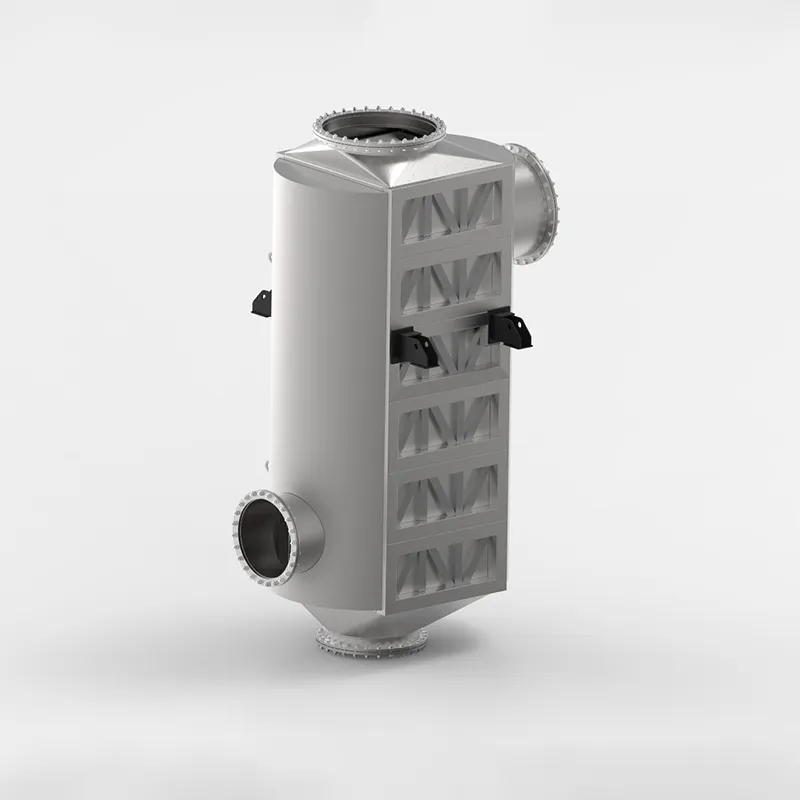
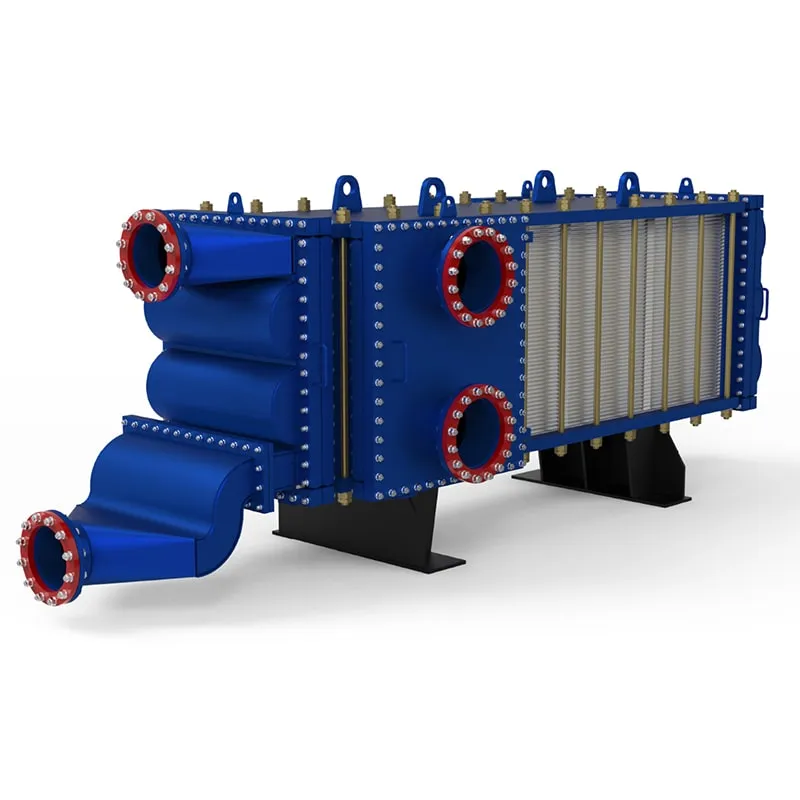
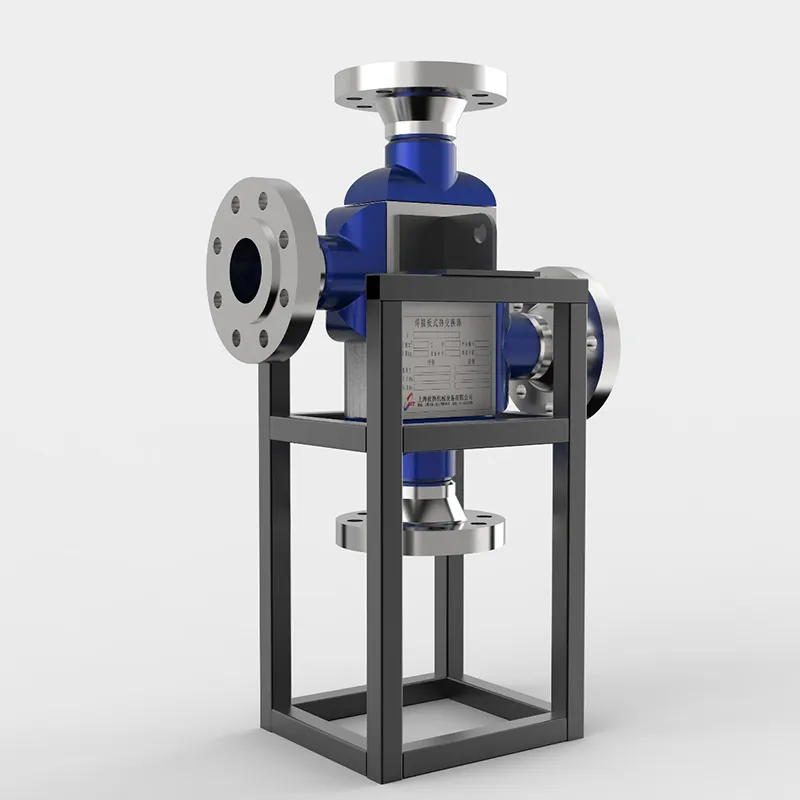
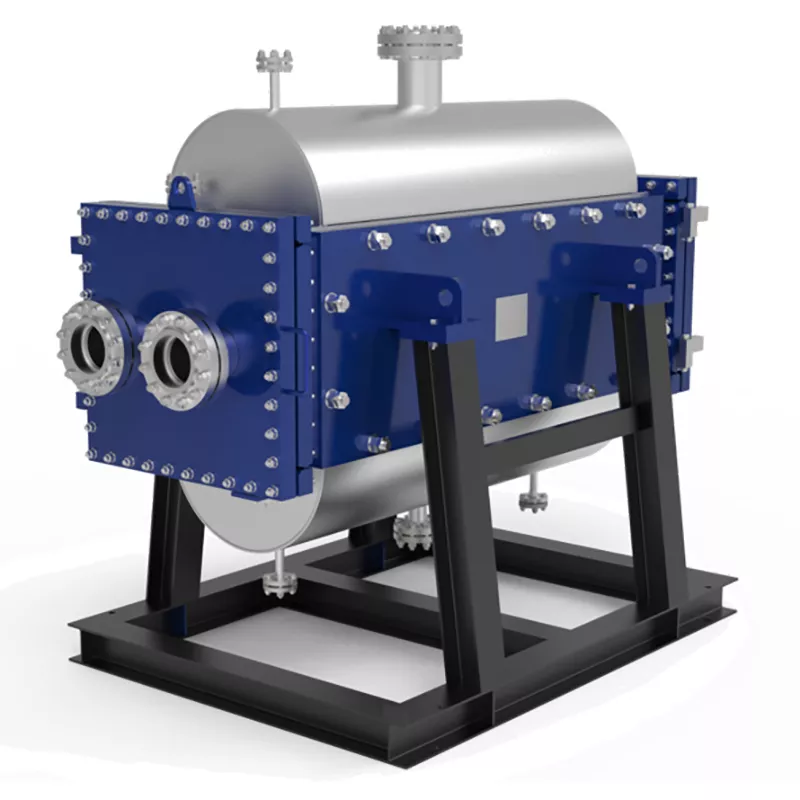
Hydrogen refueling station heat exchangers are used in three main areas: precooling before dispensing, intercooling between compression stages, and cooling during cascade storage filling. For precooling duties, HT-Bloc welded plate heat exchangers offer excellent performance due to their all-welded construction, which eliminates gasket failure risks at high pressure. For intercooling, TP welded plate heat exchangers provide a compact alternative to traditional shell-and-tube units, saving valuable floor space in containerized stations.
If your station handles high particulate loads or viscous coolants, wide gap welded plate heat exchangers are a reliable choice. For extreme high-pressure hydrogen service above 700 bar, printed circuit heat exchangers (PCHE) are often specified due to their diffusion-bonded construction and ability to handle pressures beyond 1,000 bar.
Why SHPHE for Your Hydrogen Refueling Station Heat Exchanger?
SHPHE is a Shanghai-based plate heat exchanger manufacturer founded in 2005, exporting to more than 20 countries. We hold ISO9001 and ASME U certifications, ensuring our designs meet international quality standards. Our product lines include HT-Bloc/TP welded plate heat exchangers, wide gap welded plate heat exchangers, gasketed plate heat exchangers, PCHE, plate air preheaters, and pillow plates. We offer free thermal design and selection services, helping you match the right hydrogen refueling station heat exchanger to your flow rate, temperature, pressure, and media requirements. Our team works closely with process engineers to optimize thermal performance while minimizing pressure drop and capital cost.
We do not claim specific case studies or client names beyond our general experience. However, our exchangers are compatible with systems from Alfa Laval, Compabloc, and GEA, making them a practical alternative for retrofit or new-build projects.
Frequently Asked Questions
1. What is the typical pressure drop across a hydrogen refueling station heat exchanger?
The pressure drop is usually kept below 0.5 bar on the hydrogen side and under 1 bar on the coolant side. Higher pressure drops can reduce fueling speed and increase compressor work, so most designs target these conservative limits.
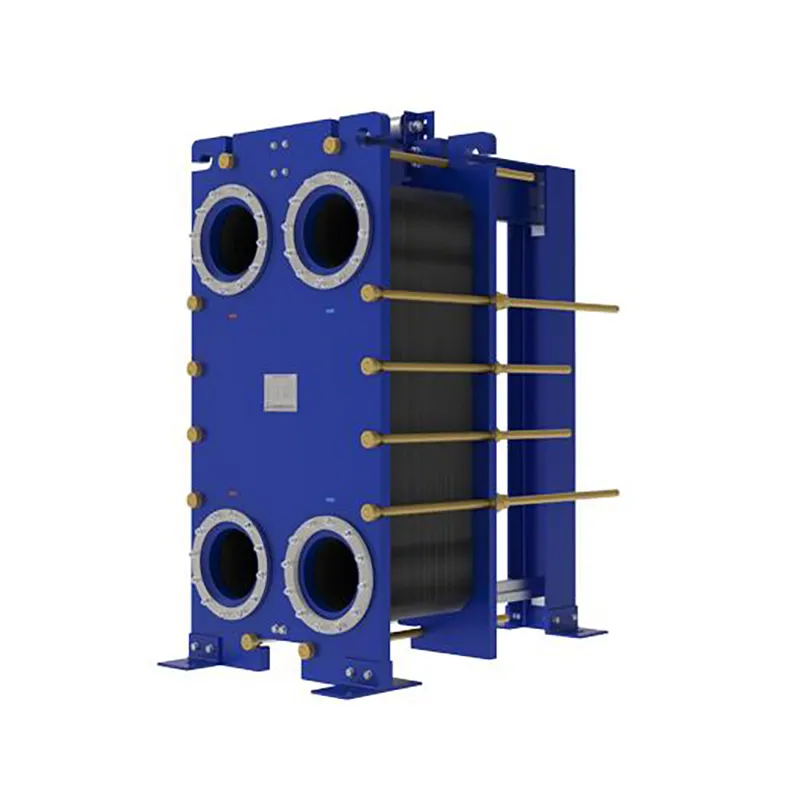
2. Can a gasketed plate heat exchanger be used for hydrogen precooling?
No, gasketed designs are not recommended for hydrogen precooling due to the risk of gasket extrusion and leakage at high pressure and low temperature. Fully welded or diffusion-bonded exchangers are the standard choice for this duty.
3. What materials are best for hydrogen service in heat exchangers?
316L stainless steel is the minimum requirement. For higher pressure or cyclic service, duplex stainless steels or nickel alloys like Inconel 625 are sometimes specified to resist hydrogen embrittlement and thermal fatigue.
4. How often should a hydrogen refueling station heat exchanger be inspected?
Annual visual inspection and helium leak testing are common practice. If the exchanger operates under cyclic pressure or temperature, more frequent checks every six months are advisable to catch potential fatigue cracks early.
5. Can I use a standard chiller with a hydrogen heat exchanger?
Yes, but the chiller must be compatible with the coolant temperature range (-50°C to +20°C) and the heat load profile during fast fueling. A dedicated thermal design is recommended to ensure the chiller and exchanger are properly sized together.
6. What is the lead time for a custom hydrogen refueling station heat exchanger?
Lead times vary by design complexity and material availability. Typical welded plate exchangers take 8–12 weeks, while PCHE units may require 14–20 weeks. Contact us early in your project planning to align delivery with your station construction schedule.
Request a Quote for Your Hydrogen Refueling Station Heat Exchanger
Selecting the right hydrogen refueling station heat exchanger is critical to your station's safety, efficiency, and uptime. To receive a tailored thermal design and quotation, please provide the following details: flow rate (kg/h or Nm³/h), inlet and outlet temperatures, operating pressure, coolant type and temperature, and any space or material constraints. Our engineering team will review your parameters and recommend the most cost-effective solution. The hydrogen refueling station heat exchanger you choose today will directly impact your station's performance for years to come.

 English EN





User Comments
Service Experience Sharing from Real Customers
Mike
Station Operations LeadWe installed this exchanger six months ago at our busiest station. The thermal response is noticeably faster than our old unit, which means we can fuel a heavy-duty truck back-to-back without thermal throttling. Maintenance is a breeze too—the bolt-on headers make cleaning simple. Our team is genuinely impressed.
Elena
Process Safety EngineerI was initially skeptical about the compact design handling 700 bar pre-cooling, but the data logs show consistent outlet temperatures even during peak demand. The only hiccup was the initial gasket seating—took us an extra afternoon to torque everything to spec. Once dialed in, it hasn't budged. Solid piece of kit for the price point.
Tom
Fleet Maintenance SupervisorWe manage a fleet of 40 fuel cell buses, and this exchanger has cut our average fill time by nearly 15%. The corrosion resistance is holding up well against the humid coastal air here. I just wish the manual included a few more troubleshooting diagrams for the control loop. Still, it's been rock solid for eight months straight.
Priya
R&D Project ManagerWe’re piloting a new high-flow dispenser and needed an exchanger that could handle rapid transient loads. This unit exceeded our simulation predictions—pressure drop stayed under 0.2 bar at max flow. The internal fin geometry clearly isn’t just off-the-shelf. Our test engineers actually cheered when they saw the steady-state data. Highly recommend for anyone pushing beyond standard specs.