Selecting the right heat exchanger for hydrogen production directly impacts energy recovery, operating costs, and system reliability. This article explains how plate heat exchangers improve thermal efficiency in steam methane reforming, electrolysis, and other hydrogen processes. We cover working principles, typical performance parameters, and practical selection criteria for process engineers and purchasing managers. SHPHE, a Shanghai-based manufacturer since 2005, offers ISO9001 and ASME U certified solutions with free thermal design support.
Hydrogen production is an energy-intensive process. Whether you are working with steam methane reforming (SMR), autothermal reforming, or water electrolysis, managing heat transfer efficiently is critical to reducing energy consumption and improving overall plant economics. A well-designed heat exchanger for hydrogen production can recover waste heat, preheat feedstocks, and maintain precise temperature control across multiple process stages.
For overseas process engineers and purchasing managers, the challenge often lies in balancing thermal performance with durability under high-temperature and high-pressure conditions. This article provides a practical overview of how plate heat exchangers address these demands, with specific attention to welded and gasketed designs that are compatible with hydrogen service.
What Makes a Heat Exchanger Suitable for Hydrogen Production?
Hydrogen processes involve high-temperature gas streams, often containing hydrogen, steam, carbon monoxide, and trace contaminants. A heat exchanger for hydrogen production must withstand thermal cycling, resist hydrogen embrittlement, and provide tight temperature control to optimize reaction kinetics. Plate heat exchangers, particularly welded types, offer several advantages over shell-and-tube designs in these applications.
- Compact footprint: Plate heat exchangers provide up to 5 times more surface area per unit volume compared to shell-and-tube units.
- Close temperature approach: Typical approach temperatures of 1–5°C enable higher heat recovery.
- High-pressure capability: Welded plate designs can handle pressures up to 100 bar and temperatures up to 900°C.
- Corrosion resistance: Materials such as 316L, 904L, and Hastelloy are commonly used for hydrogen service.
How Does a Plate Heat Exchanger Work in Hydrogen Processes?
In a typical SMR plant, a heat exchanger for hydrogen production is used to preheat the methane-steam mixture before it enters the reformer furnace. Hot flue gas from the furnace passes through the heat exchanger, raising the feed temperature to 500–650°C. This reduces the fuel required for the reformer burner, directly cutting CO₂ emissions and operating costs.
For electrolysis systems, plate heat exchangers cool the hydrogen and oxygen product streams, recover heat from the electrolyte, and maintain stack temperature within the optimal range of 60–80°C. The ability to handle low-pressure drops (typically 0.2–0.5 bar) makes them ideal for integration with PEM and alkaline electrolyzers.
| Parameter |
Typical Range |
Notes |
| Operating temperature |
–40°C to 900°C |
Depends on material and design |
| Operating pressure |
Up to 100 bar |
Welded designs for high pressure |
| Heat transfer coefficient |
500–3000 W/m²·K |
Gas-to-gas: lower end; gas-to-liquid: higher |
| Pressure drop |
0.1–1.0 bar |
Customizable based on process needs |
| Flow capacity |
1–5000 m³/h |
Single unit or multiple in parallel |
Which Plate Heat Exchanger Type Is Best for Hydrogen?
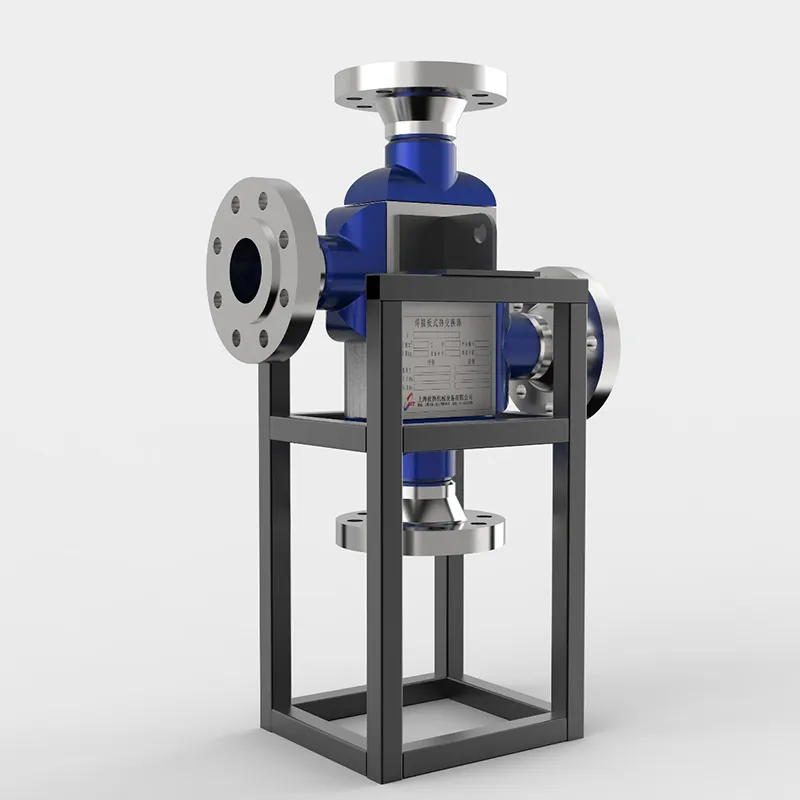
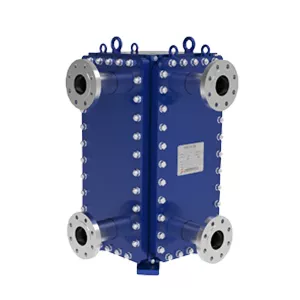
The choice depends on your process conditions. For high-temperature gas-to-gas applications such as flue gas heat recovery, a welded plate heat exchanger (e.g., HT-Bloc or TP Welded) is recommended. These units eliminate gaskets, reducing leakage risk and allowing operation at higher temperatures and pressures. SHPHE offers HT-Bloc Welded Plate Heat Exchangers that are compatible with hydrogen service and can handle thermal gradients up to 500°C.
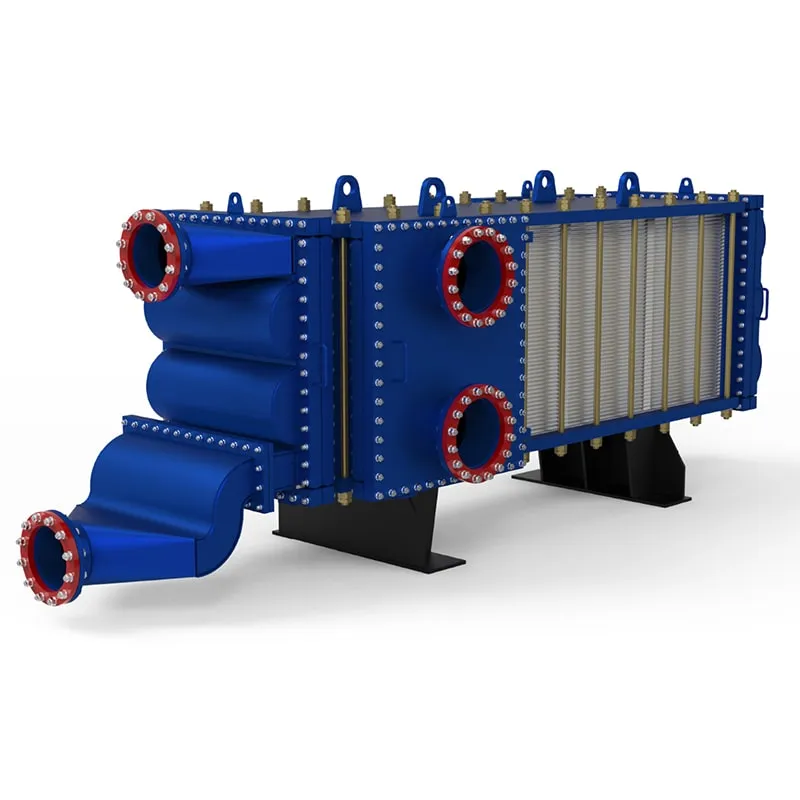
For liquid-to-liquid or liquid-to-gas duties in electrolysis cooling or feedstock preheating, gasketed plate heat exchangers provide a cost-effective solution. They are easy to maintain and can be expanded by adding plates. However, for hydrogen-rich streams above 150°C, a welded design is safer due to gasket material limitations. SHPHE also manufactures Gasketed Plate Heat Exchangers suitable for lower-temperature hydrogen applications.
What Are the Key Design Considerations for a Heat Exchanger for Hydrogen Production?
When specifying a heat exchanger for hydrogen production, engineers should evaluate the following factors:
- Material selection: Hydrogen embrittlement risk increases above 200°C. Use austenitic stainless steels or nickel alloys for wetted parts.
- Thermal fatigue resistance: Frequent start-stop cycles require robust plate geometry and welding quality.
- Fouling tendency: If the gas stream contains particulates, consider a wide gap or plate air preheater design.
- Compliance: ASME U stamp and ISO9001 certification are often mandatory for hydrogen projects.
Applications of Heat Exchangers in Hydrogen Production
Heat exchangers are used at multiple points in a hydrogen plant. Common applications include:
- Feed preheating: Raising natural gas or biogas temperature before reforming.
- Syngas cooling: Reducing temperature of reformer outlet gas before shift conversion.
- Waste heat recovery: Capturing heat from flue gas to preheat combustion air or generate steam.
- Electrolyte cooling: Maintaining stack temperature in alkaline and PEM electrolyzers.
- Hydrogen cooling: Cooling product hydrogen before compression or storage.
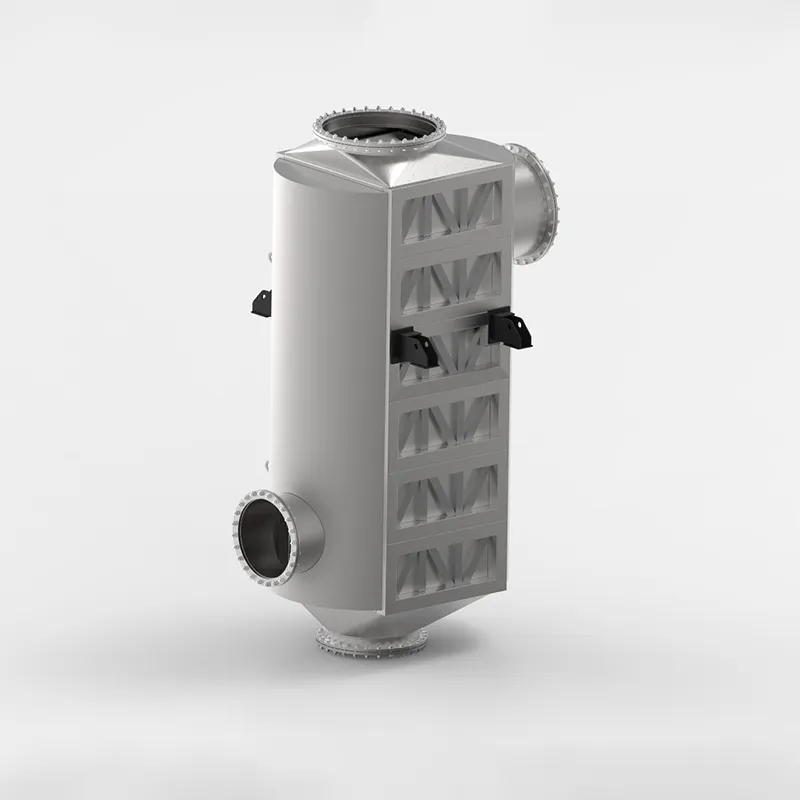
For high-temperature waste heat recovery, SHPHE offers Custom-Engineered Plate Air Preheaters that can handle flue gas temperatures up to 900°C and preheat combustion air to 600°C, improving overall thermal efficiency by 15–25%.
Why Choose SHPHE for Your Hydrogen Heat Exchanger Needs?
SHPHE has been designing and manufacturing plate heat exchangers in Shanghai since 2005. Our products are exported to more than 20 countries and are certified under ISO9001 and ASME U standards. We provide free thermal design and selection services, helping you find the optimal heat exchanger for hydrogen production without upfront engineering fees.
Our product range includes HT-Bloc and TP Welded Plate Heat Exchangers, Wide Gap Welded Plate Heat Exchangers, Gasketed Plate Heat Exchangers, PCHE, Plate Air Preheaters, and Pillow Plates. Whether you need a compact unit for a pilot electrolyzer or a large-scale system for a hydrogen plant, we can deliver a solution that meets your temperature, pressure, and material requirements. Our designs are compatible with major brands such as Alfa Laval and GEA, offering a reliable alternative for replacement or new installations.
We also manufacture Wide Gap Welded Plate Heat Exchangers that handle dirty gas streams with particulates, and Custom-Engineered Pillow Plates for specialized heating and cooling duties in hydrogen storage and transport.
Frequently Asked Questions About Heat Exchangers for Hydrogen Production
Q: Can a gasketed plate heat exchanger be used for hydrogen service?
A: Yes, but only at temperatures below 150°C and with hydrogen partial pressures below 10 bar. For higher temperatures or pressures, a welded plate heat exchanger is recommended to avoid gasket degradation and leakage.
Q: What is the typical payback period for upgrading to a high-efficiency heat exchanger in a hydrogen plant?
A: Depending on plant size and fuel costs, payback periods range from 12 to 24 months. Improved heat recovery can reduce natural gas consumption by 10–20% in SMR plants.
Q: How do I select the right material for a heat exchanger in hydrogen service?
A: For temperatures below 200°C, 316L stainless steel is sufficient. Above 200°C, use 904L, Hastelloy C-276, or Inconel 625 to resist hydrogen embrittlement. Consult with the manufacturer for specific conditions.
Q: Can SHPHE provide a heat exchanger compatible with existing Alfa Laval or Compabloc installations?
A: Yes, SHPHE designs are compatible with major brands. We can match flange dimensions, plate patterns, and performance specifications for drop-in replacement or expansion.
Q: What is the maximum temperature a welded plate heat exchanger can handle?
A: Our HT-Bloc and TP Welded designs can operate continuously at temperatures up to 900°C, depending on material selection and process conditions.
Q: Do you offer thermal design support for custom hydrogen applications?
A: Yes, SHPHE provides free thermal design and selection services. Our engineers will calculate the required surface area, pressure drop, and material thickness based on your process parameters.
Request a Quote for Your Hydrogen Heat Exchanger
Choosing the right heat exchanger for hydrogen production is essential for maximizing thermal efficiency and ensuring long-term reliability. To receive a customized proposal, please provide the following details: flow rate, inlet and outlet temperatures, operating pressure, media composition, and any special material or certification requirements. SHPHE will deliver a free thermal design and a competitive quotation tailored to your process.
Optimizing thermal efficiency with a heat exchanger for hydrogen production is not just about hardware — it is about partnering with a manufacturer that understands the unique demands of hydrogen processes. Contact SHPHE today to discuss your project.

 English EN





User Comments
Service Experience Sharing from Real Customers
Elena_M
Process EngineerWe retrofitted our pilot plant with this heat exchanger six months ago. The thermal efficiency gains on the steam methane reformer side were immediately noticeable. Maintenance is a breeze compared to the old shell-and-tube unit we had. Solid build quality.
Raj_P
R&D Lab ManagerUsing this for a small-scale PEM electrolyzer cooling loop. It handles the fluctuating loads from our renewable power source without any pressure drop issues. Only giving 4 stars because the mounting bracket hardware was a bit fiddly, but the core performance is excellent.
Mike_H
Senior Maintenance TechnicianI've been in this field for 20 years and have seen a lot of fancy gear that can't take the heat. This unit has been running 24/7 on our ATR process for a year now. Zero leaks, zero fouling issues. The guys on my shift actually like cleaning it. That says a lot.
Sarah_B
Project ManagerBrought this in for a green hydrogen demo project. Delivery was on time and the documentation was thorough, which made the installation paperwork much easier. It's performing exactly as spec'd. My only minor gripe is the lack of a digital twin model for our simulation software, but the hardware itself is top-notch.