 English EN


How to Choose the Right Printed Circuit Heat Exchanger for Your Process
Select the right printed circuit heat exchanger by matching process needs, pressure, temperature, and fluid compatibility for optimal efficiency and safety.
More
The Role of CE Certification in Ensuring Safety and Compliance in Air Preheater Design, How CE Certification Influences Material Selection and Structural Integrity of Air Preheaters, Operational Parameters and Performance Standards Mandated by CE Certification for Air Preheaters, Impact of CE Certification on Maintenance Protocols and Lifecycle Management of Air Preheaters, CE Certification as a Gateway to Market Access and International Trade for Air Preheater Manufacturers
Jul-06-2026
CE certification serves as a critical benchmark for air preheater design, ensuring that equipment meets stringent European safety, health, and environmental protection standards. For manufacturers and operators, this certification validates that the design process incorporates rigorous risk assessments, material quality controls, and performance testing. It mandates compliance with directives such as the Pressure Equipment Directive (PED) and Machinery Directive, which directly influence structural integrity, thermal efficiency, and operational reliability. By adhering to CE requirements, designers must integrate fail-safe mechanisms, proper insulation, and corrosion-resistant materials, reducing the likelihood of leaks, overheating, or mechanical failure.
In operation, CE certification ensures that air preheaters are installed and maintained according to standardized protocols, promoting safe interaction with other system components. It requires clear documentation, including user manuals and maintenance schedules, which help operators avoid common hazards like pressure surges or thermal stress. Regular conformity assessments also enforce ongoing compliance, making CE a dynamic tool for lifecycle safety. Ultimately, this certification not only facilitates market access within the European Economic Area but also builds trust among stakeholders by demonstrating a commitment to high-quality, safe, and compliant engineering practices.
For further insights into certified heat exchanger and air preheater solutions, explore our product range: Custom Engineered Plate Air Preheaters, Gasketed Plate Heat Exchangers, and HT Bloc Welded Plate Heat Exchangers.
CE certification imposes strict requirements on the materials used in air preheaters, ensuring they withstand high temperatures, corrosion, and pressure fluctuations. This drives engineers to select alloys and composites that meet European safety and performance standards, directly impacting the unit's longevity and reliability.
Structural integrity is a core focus of CE certification. The design must pass rigorous stress analysis and fatigue tests to prevent failures under operational loads. This influences the thickness of plates, weld quality, and support structures, ensuring the air preheater maintains its shape and function over decades of service.
By mandating traceability and documentation of materials, CE certification also affects supply chain decisions. Manufacturers must source certified steel and gaskets, which in turn standardizes quality across the industry and reduces the risk of catastrophic failures in high-pressure heat exchange systems.
CE certification imposes specific operational thresholds and performance benchmarks that air preheaters must meet to ensure safety, efficiency, and environmental compliance within the European Economic Area. These parameters govern thermal output, pressure integrity, and emissions control.
The following table outlines the key operational parameters and corresponding performance standards required under CE certification for air preheaters used in industrial heat recovery systems.
| Parameter | Required Range / Limit | Performance Standard |
|---|---|---|
| Maximum Operating Temperature | 350°C – 650°C (depending on material) | EN 13445 / PED 2014/68/EU |
| Maximum Operating Pressure | 10 bar – 30 bar (gas side) | EN 12952 / EN 12953 |
| Thermal Efficiency (minimum) | ≥ 85% at design point | EN 303-5 / Ecodesign Directive 2009/125/EC |
| Leakage Rate (air to gas) | ≤ 1.5% of nominal flow | EN 15436 / VDI 3922 |
| NOx Emissions (for fired units) | ≤ 80 mg/Nm³ (natural gas) | EN 676 / MCP Directive 2015/2193 |
These parameters ensure that the air preheater operates within safe mechanical limits while delivering consistent thermal recovery. Compliance with EN pressure vessel standards and Ecodesign efficiency requirements is verified through type testing and factory production control. Manufacturers must document material certificates, weld procedures, and performance test results as part of the CE technical file.
For custom-engineered plate air preheaters, additional standards may apply depending on the heat transfer medium and operating environment. Detailed design validation and risk assessment according to ISO 12100 are also required for CE marking. These operational benchmarks directly influence the selection of plate geometry, gasket materials, and welding methods during the design phase.
Learn more about certified air preheater solutions: Custom Engineered Plate Air Preheaters and Gasketed Plate Heat Exchangers.
CE certification imposes rigorous standards that directly influence maintenance schedules and lifecycle strategies for air preheaters. Compliance requires documented procedures for regular inspection of critical components such as heat exchange surfaces, seals, and structural integrity, ensuring operational safety and efficiency throughout the equipment's service life.
Under CE directives, maintenance protocols must include systematic checks for pressure vessel integrity, thermal performance degradation, and corrosion monitoring. These protocols are designed to preempt failures, extend operational lifespan, and align with EU regulatory expectations for industrial equipment reliability.
Lifecycle management is enhanced through mandatory record-keeping of maintenance activities, part replacements, and performance data. This data-driven approach facilitates predictive maintenance, reduces unplanned downtime, and supports end-of-life assessments for safe decommissioning or retrofitting, all while maintaining CE compliance.
For detailed guidelines on CE-compliant maintenance frameworks, refer to the official documentation available at this resource.
CE certification serves as a critical passport for air preheater manufacturers seeking entry into the European Economic Area and other global markets that recognize the mark. It signifies that the product meets stringent EU health, safety, and environmental protection requirements, thereby reducing trade barriers and facilitating smoother customs clearance.
For manufacturers, obtaining CE marking demonstrates compliance with harmonized standards, which builds trust with international buyers and engineering procurement contractors. This certification often becomes a prerequisite for participating in large-scale industrial projects, especially in sectors like power generation, petrochemicals, and steel manufacturing where air preheaters are essential for energy recovery.
From a design perspective, CE certification requires rigorous documentation of the air preheater's thermal performance, pressure vessel integrity, and emission controls. This drives manufacturers to adopt higher engineering standards, such as EN 13445 for unfired pressure vessels and the Pressure Equipment Directive (PED) 2014/68/EU, ensuring the equipment operates safely under extreme temperatures and pressures.
Operationally, CE-marked air preheaters must include clear user instructions, risk assessments, and conformity declarations. This not only simplifies installation and maintenance for end-users but also provides legal protection for manufacturers in case of disputes. The certification process often involves third-party notified bodies that audit production quality systems, further enhancing product reliability.
In the context of international trade, CE certification aligns with the EU's New Approach Directives, allowing manufacturers to self-declare conformity for certain product categories while still meeting essential requirements. This reduces time-to-market compared to country-specific certifications, making it a cost-effective strategy for expanding into markets such as the Middle East, Southeast Asia, and Africa that often reference European standards.
Ultimately, CE certification is more than a regulatory checkbox—it is a strategic tool that enables air preheater manufacturers to differentiate their products in a competitive global landscape. By investing in compliance, companies unlock access to high-value contracts and demonstrate their commitment to quality, safety, and environmental stewardship.
We provide you with comprehensive foreign trade solutions to help enterprises achieve global development
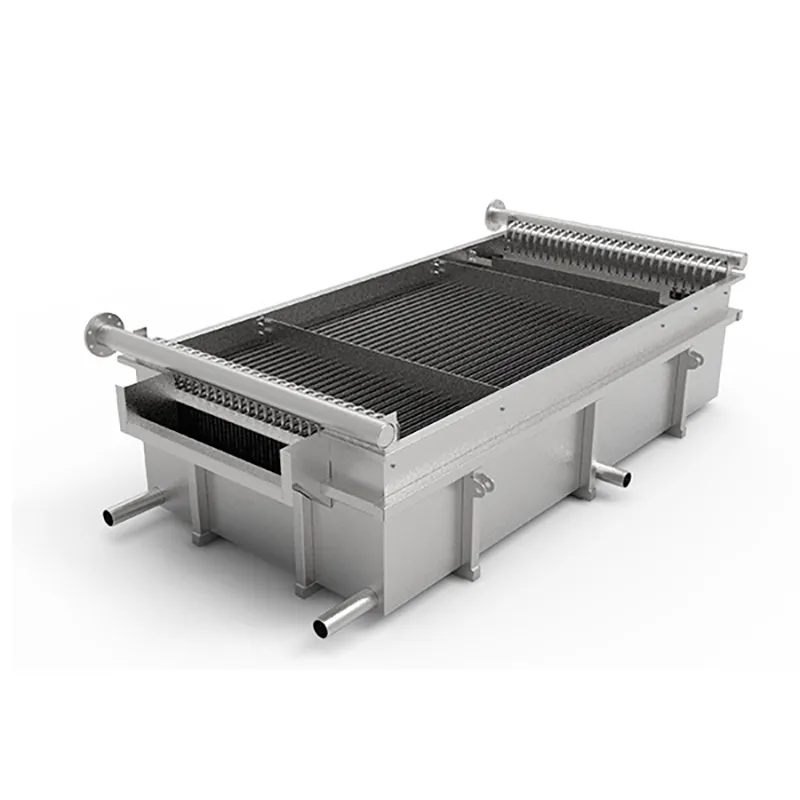
Originated in the mid-20th century to bypass the manufacturing bottlenecks and weight limitations of standard jacketed thermal components, the Pillow Plate (also known as a dimple plate or embossed plate) has revolutionized precision fluid-wall engineering. At SHPHE, we take this highly flexible technology and elevate it into a core foundation for bespoke industrial heat transfer integration. By utilizing state-of-the-art automated CNC fiber laser welding, our engineers customize the mechanical inflation profiles and spot pitch grids to directly match your specific fluid dynamics, pressure limits, and vessel configurations. Today, SHPHE's custom pillow plates are indispensable assets for worldwide processing plants prioritizing advanced thermal performance, zero-leak safety, and hygienic processing—serving as the definitive solution across food, pharmaceutical, chemical, and bulk solids cooling sectors.
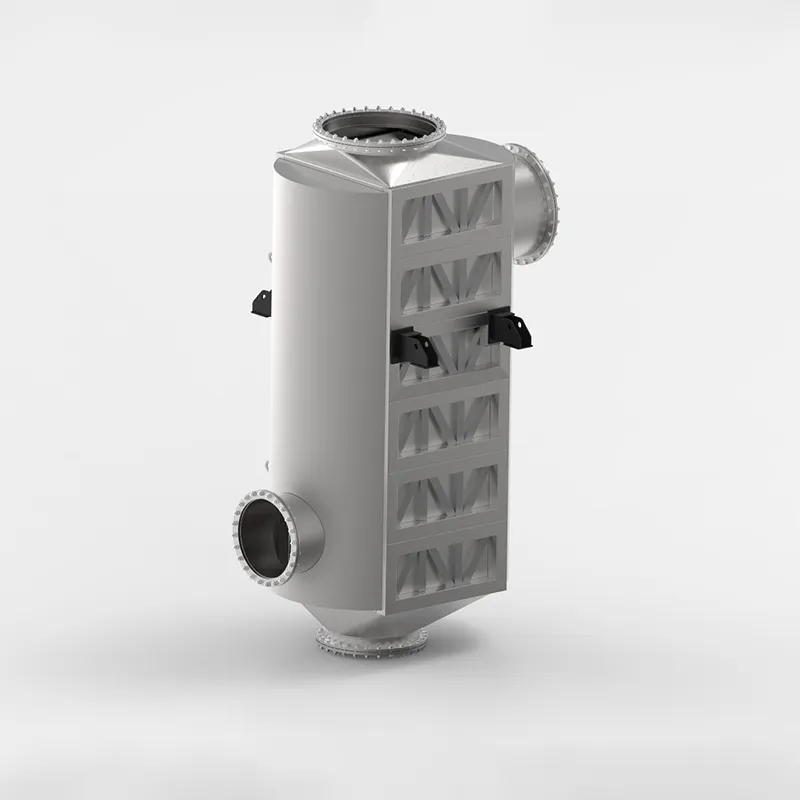
Industrial furnace and boiler exhaust gases carry vast amounts of unutilized thermal energy. The SHPHE custom Plate Air Preheater (PAPH) is target-engineered to intercept this high-temperature flue gas, recovering valuable waste heat and transferring it directly back to incoming combustion air or process gas streams. By substantially elevating the temperature of your flame feed, our custom systems optimize combustion thermodynamics, deliver massive fuel savings, and significantly reduce industrial carbon and emissions footprints. Built to withstand severe flue-gas environments, SHPHE PAPH systems serve as the premier choice for modern, energy-intensive plants prioritizing decarb compliance and maximum thermal efficiency.
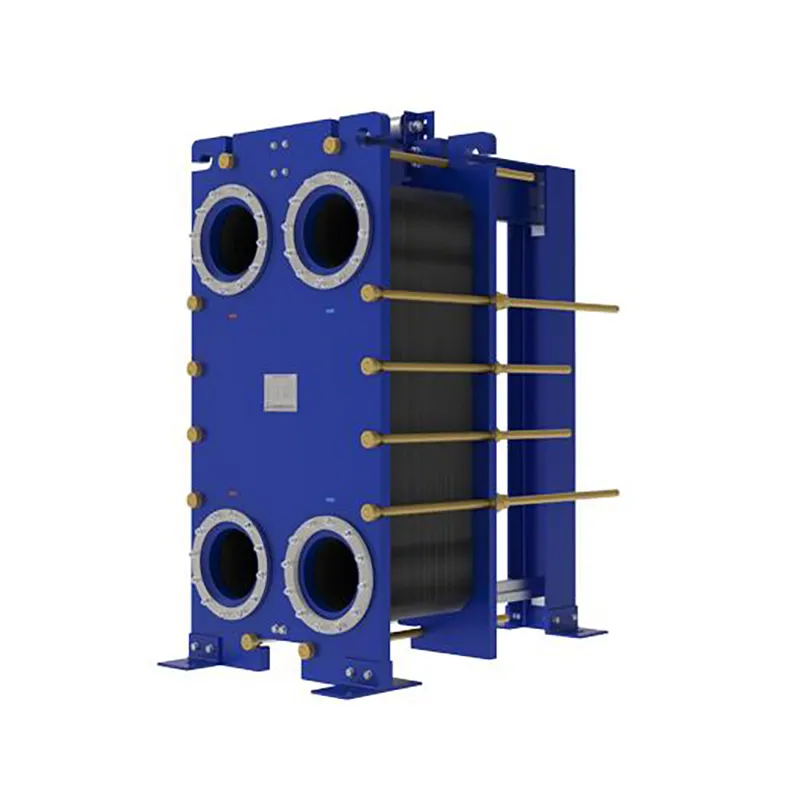
Since the invention of the plate heat exchanger (PHE) in 1923, thermal technology has evolved from standard food-grade processing to highly complex industrial operations. At SHPHE, we take this classic, versatile design and transform it into highly bespoke heat transfer solutions tailored to your unique process fluids and thermal loads. While traditional gasketed PHEs offer high efficiency and compact footprints, SHPHE optimizes plate corrugations, metallurgy, and sealing systems to handle your specific chemical, HVAC, or energy recovery parameters. Our custom-engineered gasketed plate heat exchangers provide outstanding scalability and ease of maintenance, serving as an indispensable asset for heavy industries—including oil and gas, metallurgy, and food processing—where uptime, energy recovery, and long-term sustainability are top priorities.
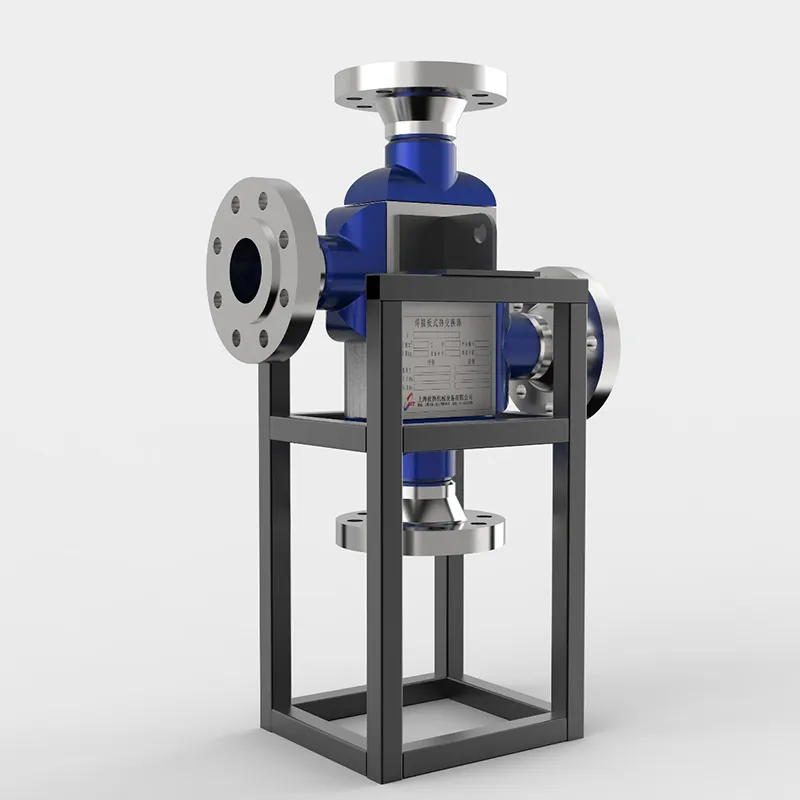
The SHPHE Printed Circuit Heat Exchanger (PCHE) represents a paradigm shift in microchannel thermal management, meticulously engineered for the world's most critical and demanding industrial boundaries. Developed to surpass the physical limitations of conventional shell-and-tube designs in ultra-high-pressure environments, our custom PCHEs integrate advanced photochemical etching and solid-state diffusion bonding to provide unmatched safety, thermal efficiency, and integrity under extreme stress. Initially deployed within high-consequence sectors such as aerospace and nuclear power generation, PCHE technology has completely revolutionized high-density thermal processing. Today, SHPHE brings this breakthrough engineering to mainstream energy transitions—including LNG liquefaction, supercritical CO² power cycles, hydrocarbon processing, and high-pressure hydrogen systems—enabling plants to maximize energy recovery, ensure zero-leakage security, and significantly shrink environmental footprints.
Select the most popular foreign trade service products to meet your diverse needs
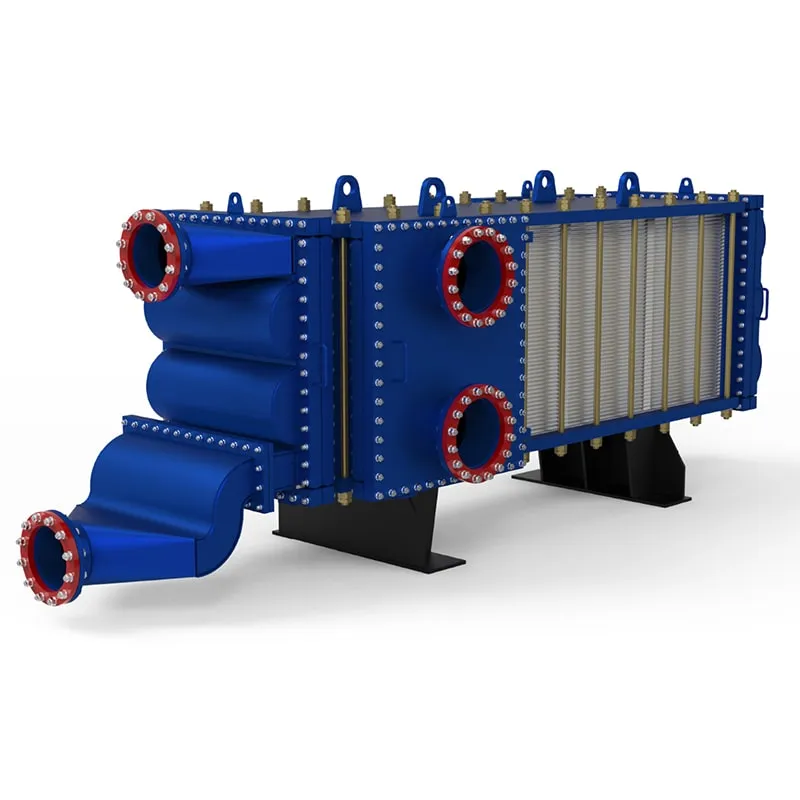
Custom-Engineered Anti-Clogging Solutions for High-Viscosity Slurries: Deployed specifically to conquer severe industrial fouling, SHPHE wide gap welded plate heat exchangers are tailor-built to handle complex media containing dense fibers, coarse crystals, or solid suspensions without clogging. Each non-obstructed channel is calculated and formed by laser-welded plate packs matching your fluid’s exact rheology and grain size, completely eliminating structural "dead zones" and media stagnation. Available in highly compact vertical and versatile horizontal configurations, our vertical engineering drastically reduces plant footprints while maintaining unhindered product throughput, minimal pressure drops, and flawless continuous operations across harsh process loops.
Since the invention of the plate heat exchanger (PHE) in 1923, thermal technology has evolved from standard food-grade processing to highly complex industrial operations. At SHPHE, we take this classic, versatile design and transform it into highly bespoke heat transfer solutions tailored to your unique process fluids and thermal loads. While traditional gasketed PHEs offer high efficiency and compact footprints, SHPHE optimizes plate corrugations, metallurgy, and sealing systems to handle your specific chemical, HVAC, or energy recovery parameters. Our custom-engineered gasketed plate heat exchangers provide outstanding scalability and ease of maintenance, serving as an indispensable asset for heavy industries—including oil and gas, metallurgy, and food processing—where uptime, energy recovery, and long-term sustainability are top priorities.
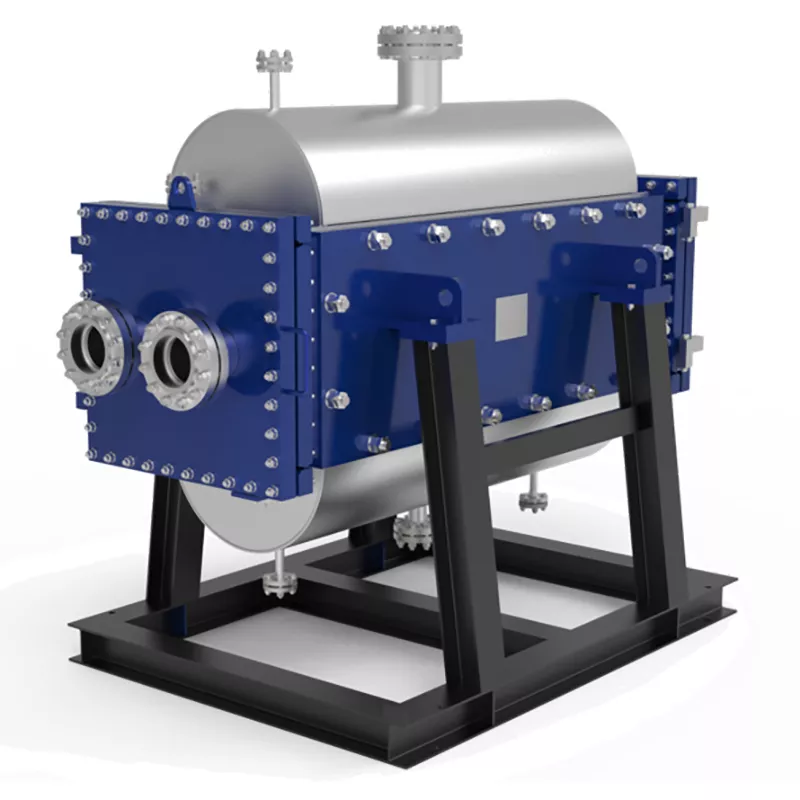
Industrial processes involving particle-laden slurries, high-viscosity syrups, or fiber-rich pulp demand more than standard equipment—they require target-engineered thermal management. At SHPHE, we configure the TP Welded Plate Heat Exchanger to directly conquer your plant's severe fouling, blockage, and erosion threats. Combining custom-tailored channel geometries, wear-resistant metallurgy, and integrated CIP (Cleaning-in-Place) systems, we deliver absolute production continuity where conventional heat exchangers fail.



User Comments
Service Experience Sharing from Real Customers
Mike Torres
Maintenance SupervisorWe installed this CE-certified air preheater six months ago, and it’s been a workhorse. Our boiler efficiency jumped noticeably, and the unit handles the heavy particulate in our exhaust without clogging. The build quality is solid—definitely worth the investment for any industrial plant.
Sarah Chen
Energy ConsultantI recommended this preheater to a mid-size food processing client. The CE mark gave us confidence in meeting EU standards, and the heat recovery numbers from the field trials were impressive. Only reason I’m not giving 5 stars is that the installation manual could be clearer for smaller teams.
James Kowalski
Plant EngineerBeen running this unit 24/7 for eight months now in a steel mill. It’s taken the heat and dust like a champ. The CE certification was a must for our export compliance, and the preheater actually exceeded our expected fuel savings by about 12%. Highly reliable.
Emma Patel
Operations ManagerWe replaced an older model with this CE-certified air preheater in our cement plant. The temperature control is much more stable, and the corrosion-resistant coating seems to be holding up well against the alkaline dust. It took a bit of tweaking to match our ductwork, but overall a solid upgrade.