How a Juice Pasteurization Heat Exchanger Enhances Production Efficiency
In juice processing, maintaining product quality while maximizing throughput is a constant challenge. A juice pasteurization heat exchanger plays a critical role by rapidly heating and cooling juice to eliminate pathogens without degrading flavor or nutrients. This article explores how selecting the right heat exchanger design—whether gasketed, welded, or wide gap—can reduce energy consumption, minimize downtime, and improve overall line efficiency. We will cover working principles, key parameter ranges, application considerations, and answer common buyer questions to help you make an informed decision for your facility.
What Makes a Juice Pasteurization Heat Exchanger Different from Standard Models?
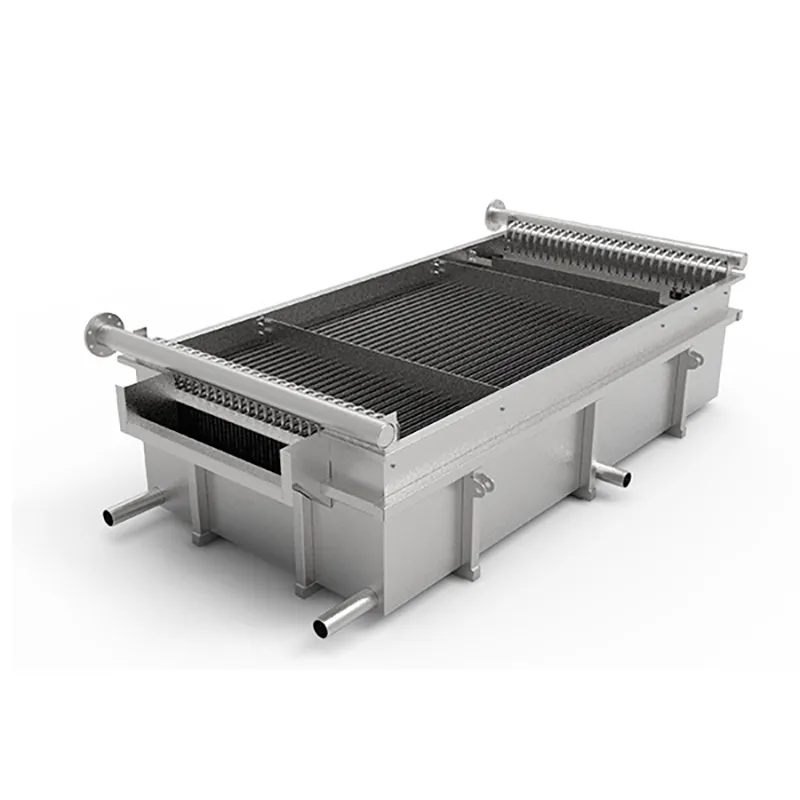
Juice contains pulp, fibers, and suspended solids that can foul or clog standard plate heat exchangers. A dedicated juice pasteurization heat exchanger is designed with wider plate gaps, larger ports, and specialized flow distribution to handle viscous or particulate-laden fluids. For example, wide gap welded plate heat exchangers allow free passage of solids up to 25 mm, reducing blockages and cleaning frequency. This design directly enhances production efficiency by maintaining consistent flow rates and heat transfer performance over longer production runs.
How Does the Working Principle Support High Efficiency?
The core principle is counter-current heat transfer between the juice and a heating or cooling medium (hot water, steam, or chilled water). The juice pasteurization heat exchanger typically operates in a regeneration section where outgoing hot juice preheats incoming cold juice, recovering up to 90% of thermal energy. This significantly reduces steam and cooling water demand. For instance, a typical pasteurization process might heat juice from 20°C to 90°C, hold for 15–30 seconds, then cool back to 4°C. The regeneration step alone can cut energy costs by 40–60% compared to direct heating methods.
Key Features and Typical Parameter Ranges
When evaluating a juice pasteurization heat exchanger, consider these standard specifications:
- Operating temperature: up to 180°C (356°F) for welded plate designs; gasketed models typically up to 150°C.
- Operating pressure: up to 30 bar (435 psi) for fully welded units; gasketed units up to 25 bar.
- Plate gap: 2.5 mm to 8 mm for standard juice; wide gap models offer 10–20 mm for pulpy juices.
- Flow rate: from 1 m³/h to 200 m³/h depending on plate size and number of plates.
- Heat transfer coefficient: 3,000–7,000 W/m²K for clean juice; lower for high-pulp content.
- Material: AISI 316L stainless steel standard; titanium or duplex for aggressive fluids.
These parameters ensure the juice pasteurization heat exchanger meets both safety standards (e.g., 72°C for 15 seconds for high-acid juices) and production targets.
Applications and Recommended Solutions for Juice Processing
Different juice types require different heat exchanger configurations. For clear juices (apple, grape), a gasketed plate heat exchanger offers easy maintenance and low cost. For pulpy juices (orange, mango, tomato), a wide gap welded plate heat exchanger prevents clogging and reduces cleaning downtime. For high-temperature or high-pressure pasteurization (e.g., 121°C for low-acid juices), a fully welded HT-Bloc or TP welded plate heat exchanger is recommended due to its robust construction and no gasket failure risk.
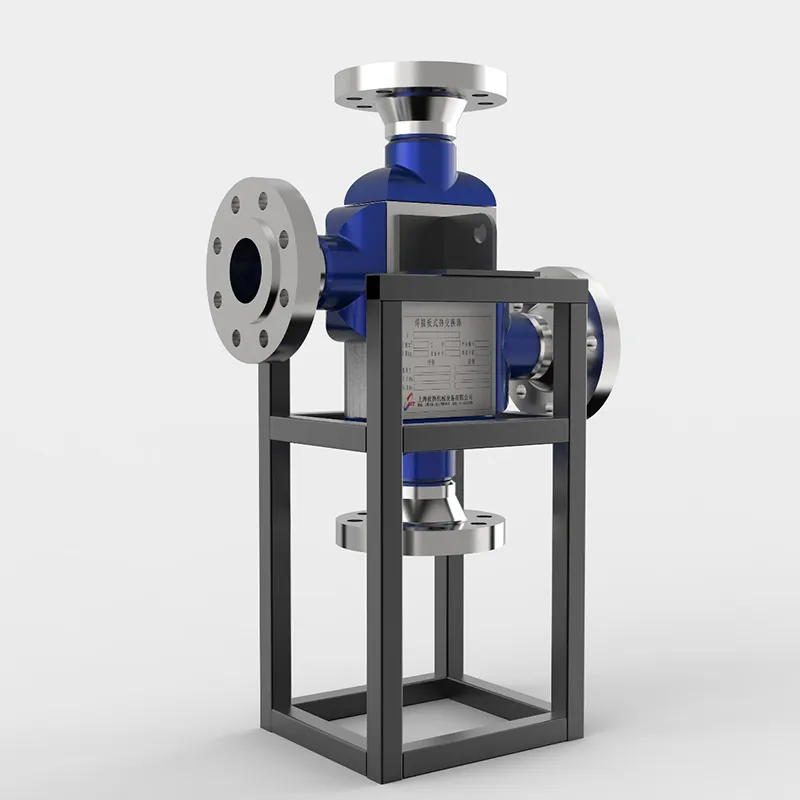
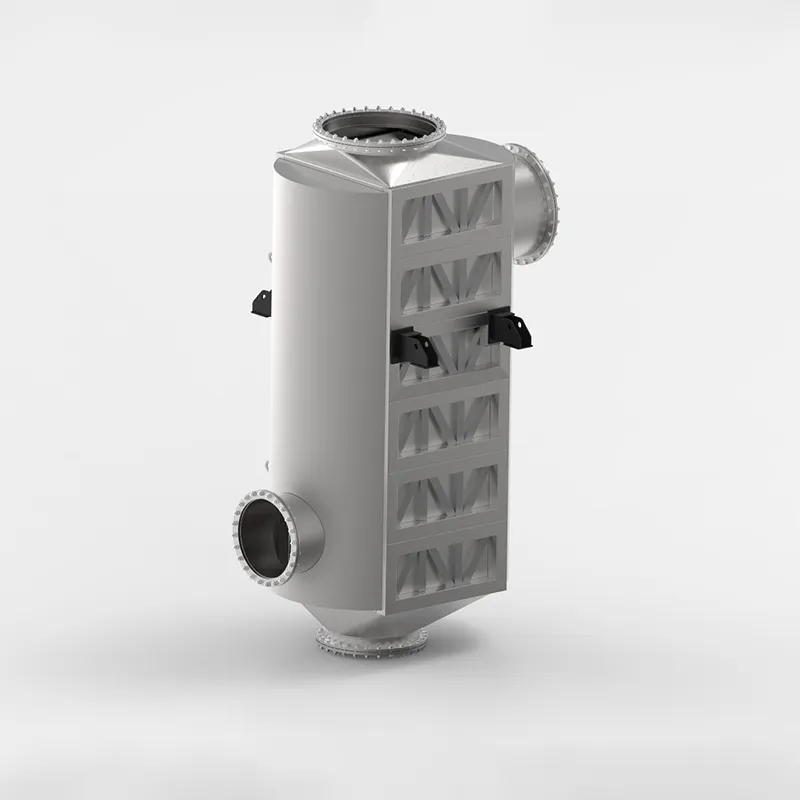
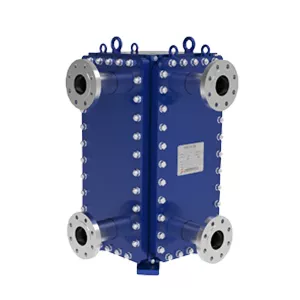
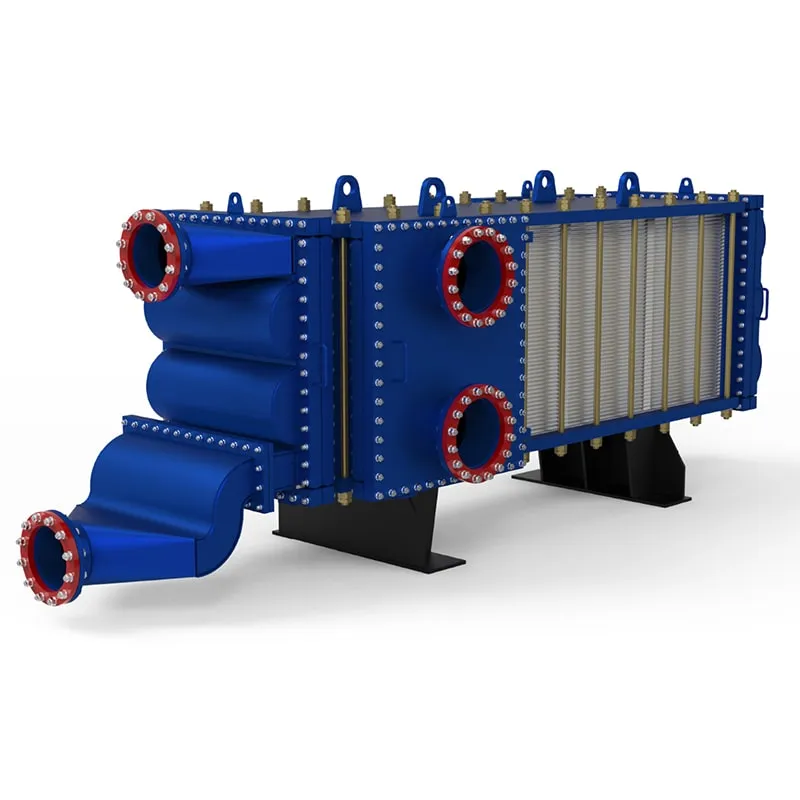
Our wide gap welded plate heat exchanger is specifically designed for fibrous fluids, while the gasketed plate heat exchanger suits low-pulp applications. For extreme conditions, the HT-Bloc welded plate heat exchanger provides a reliable alternative to traditional shell-and-tube units.
Why Choose SHPHE for Your Juice Pasteurization Heat Exchanger?
SHPHE, founded in 2005 in Shanghai, is a dedicated plate heat exchanger manufacturer with ISO9001 and ASME U certifications. We export to over 20 countries and offer a complete product line including HT-Bloc, TP welded, wide gap welded, gasketed plate heat exchangers, PCHE, plate air preheaters, and pillow plates. Our engineering team provides free thermal design and selection service, ensuring the juice pasteurization heat exchanger is optimized for your specific flow rate, temperature, and pressure requirements. We do not claim any unverified case studies or client names—our focus is on delivering reliable, efficient equipment backed by real engineering support.
Our designs are compatible with major brands such as Alfa Laval and GEA, offering a cost-effective alternative without compromising performance. Whether you need a standard gasketed unit or a custom welded solution, SHPHE can deliver.
Frequently Asked Questions About Juice Pasteurization Heat Exchangers
Q1: What is the typical payback period for upgrading to a high-efficiency juice pasteurization heat exchanger?
A: Most facilities see a payback within 12 to 18 months through energy savings and reduced downtime. The regeneration feature alone can cut heating costs by 40–60%, and fewer cleaning cycles lower water and chemical usage.
Q2: Can a juice pasteurization heat exchanger handle both heating and cooling in one unit?
A: Yes, multi-section plate heat exchangers combine regeneration, heating, and cooling in a single frame. This reduces floor space and piping complexity while maintaining precise temperature control.
Q3: What maintenance is required for a welded plate heat exchanger in juice service?
A: Welded units require less frequent maintenance than gasketed models because there are no gaskets to replace. However, periodic cleaning-in-place (CIP) with alkaline and acid solutions is still needed every 2–4 weeks depending on pulp content.
Q4: How do I decide between a gasketed and a welded juice pasteurization heat exchanger?
A: Choose gasketed for clear juices where easy plate access for cleaning is needed. Choose welded for pulpy juices, high temperatures, or when you want to eliminate gasket failure risks. Welded units also handle higher pressures.
Q5: What is the maximum pulp size a wide gap heat exchanger can handle?
A: Wide gap designs can accommodate particles up to 25 mm in diameter. For larger chunks, a custom plate arrangement or a different technology like a scraped surface heat exchanger may be needed.
Q6: Does SHPHE provide thermal design support for non-standard juice recipes?
A: Yes, our engineering team offers free thermal design and selection for any juice type. Simply provide your flow rate, inlet/outlet temperatures, pressure limits, and media details, and we will recommend the optimal juice pasteurization heat exchanger configuration.
Request a Quote for Your Juice Pasteurization Heat Exchanger
To get a tailored solution, please provide your process parameters: flow rate (m³/h or GPM), inlet and outlet temperatures, operating pressure, juice type (clear or pulpy), and any special requirements like material grade or connection size. Our team will respond with a detailed proposal including thermal design, dimensions, and pricing. A properly selected juice pasteurization heat exchanger is key to maximizing your production efficiency and product quality.

 English EN





User Comments
Service Experience Sharing from Real Customers
Liam
Production SupervisorWe swapped our old plate system for this heat exchanger last quarter, and it’s been a game-changer for our cold-pressed line. The temperature control is spot-on, and we haven’t had a single scorching issue since. Maintenance is a breeze too—just a quick CIP cycle and it’s good to go. Highly recommend for anyone dealing with pulpy juices.
Sophie
Quality Assurance ManagerI was skeptical about upgrading our pasteurization setup, but this unit delivers consistent microbial kill without messing with the flavor profile. The only hiccup was the initial installation took longer than expected, but the support team was responsive. My team feels way more confident about shelf-life testing now.
Marcus
Maintenance TechnicianAfter 8 years in this plant, I’ve seen my share of heat exchangers that clog up or leak after a few months. This one’s built like a tank—the gaskets are holding up great even with our high-acid orange juice runs. Cleaning takes half the time compared to our old equipment. Boss is happy, and I get less midnight call-outs.
Elena
R&D Food ScientistWe’re testing a new line of functional juices with probiotics, and this heat exchanger’s gentle thermal profile is exactly what we needed. It holds within 0.5°C of the set point, which is critical for preserving sensitive ingredients. My only wish is that the flow rate could go a bit higher for larger batches, but for pilot runs it’s perfect.