Why a Brewery Plate Heat Exchanger Is Critical for Wort Cooling and Energy Efficiency
Article Summary: In commercial brewing, rapid wort cooling after the boil is essential for consistent beer quality and reduced energy consumption. A brewery plate heat exchanger delivers high thermal efficiency in a compact footprint, enabling precise temperature control while recovering heat for preheating brewing liquor. This article explains how plate heat exchangers work, their key performance parameters, and why choosing the right design—such as gasketed or welded plate models—can optimize your brewhouse operations. We also discuss common buyer questions and how to request a tailored thermal solution.
Every brewer knows that the minutes after the boil are critical. If you don't cool the wort quickly enough, you risk off-flavors, poor cold break formation, and increased energy bills. That's where a brewery plate heat exchanger comes in. It's not just a piece of equipment—it's the heart of your wort cooling loop, directly impacting both product quality and operating costs. For process engineers and purchasing managers looking to upgrade or design a new brewhouse, understanding the role of this heat exchanger is the first step toward a more efficient brewery.
What Is a Brewery Plate Heat Exchanger and Why Does It Matter?
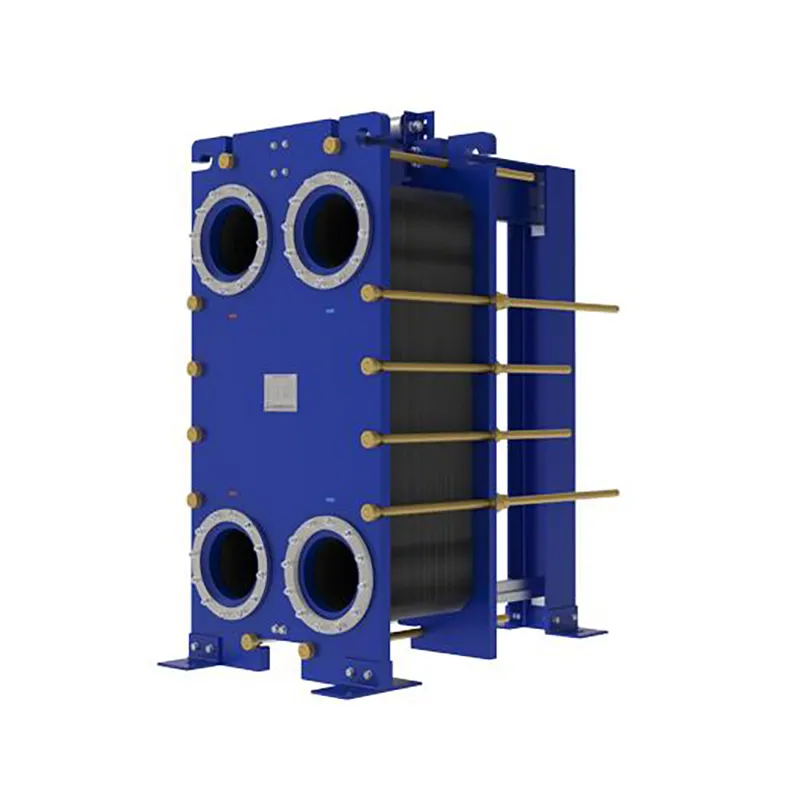
A brewery plate heat exchanger uses a stack of corrugated metal plates to transfer heat between hot wort and a cooling medium—typically cold water or glycol. The plates create narrow channels that promote turbulent flow, which dramatically improves heat transfer rates compared to shell-and-tube designs. In a typical brewhouse, this device cools wort from near-boiling (around 95–100°C) to fermentation temperature (10–20°C) in a single pass, often within 30–60 minutes for a 10–50 hectoliter batch.
The real value lies in energy recovery. By using a two-stage cooling setup—first with city water (which gets heated to 70–80°C) and then with glycol—you can reclaim that hot water for the next mash or cleaning cycle. This can cut your overall brewhouse energy consumption by 20–30%. For a mid-size brewery producing 50,000 hectoliters per year, that translates to thousands of dollars in annual savings.
How Does a Plate Heat Exchanger Cool Wort in Practice?
The process is straightforward but requires careful engineering. Hot wort from the whirlpool enters the heat exchanger at one end, while cooling water flows counter-currently through alternate plate channels. The plates are typically made of AISI 316L stainless steel for corrosion resistance, with EPDM or Viton gaskets sealing the flow paths. Key parameters that affect performance include:
- Plate surface area: Typically 0.1–2.0 m² per plate, depending on the model.
- Number of plates: Ranges from 20 to 200+ for commercial brewhouses.
- Flow rate: Wort flow of 5–50 m³/h is common for craft to industrial scale.
- Pressure drop: Usually kept below 1.5 bar to avoid pump strain.
- Temperature approach: As low as 2–5°C between wort outlet and cooling water inlet.
For example, a 100-plate exchanger with 0.5 m² per plate can cool 30 hL of wort from 95°C to 18°C using 10°C water at a 1:1 flow ratio, achieving a heat recovery rate of over 85%. This is why many breweries now specify a gasketed plate heat exchanger for their primary cooling stage.
What Are the Key Features to Look for in a Brewery Plate Heat Exchanger?
When selecting a brewery plate heat exchanger, focus on these design characteristics that directly affect reliability and efficiency:
- Gasket material: EPDM is standard for wort contact (resistant up to 140°C), while Viton handles higher temperatures or aggressive cleaning chemicals.
- Plate geometry: Herringbone or chevron patterns create turbulence; a 45°–60° angle is typical for wort cooling.
- Frame construction: Carbon steel with epoxy coating or stainless steel frames for hygienic environments.
- Connection sizes: DN50 to DN150 depending on batch volume.
- Cleaning-in-place (CIP) compatibility: All wetted surfaces must withstand 1–2% caustic and acid washes at 80°C.
A well-designed unit will also include a pressure relief valve and temperature sensors at both inlet and outlet for process control. Many suppliers, including SHPHE, offer free thermal design services to match the exchanger to your specific wort volume and temperature targets.
What Are the Typical Applications and Recommended Solutions?
Brewery plate heat exchangers are used in several stages of the brewing process, not just wort cooling. Common applications include:
- Primary wort cooling: From boil to pitching temperature, often in two stages.
- Hot water recovery: Capturing heat from the first cooling stage to preheat brewing liquor.
- Glycol chilling: Final stage cooling to reach lager fermentation temperatures.
- Mash temperature control: Maintaining precise mash-in temperatures using hot water from the recovery loop.
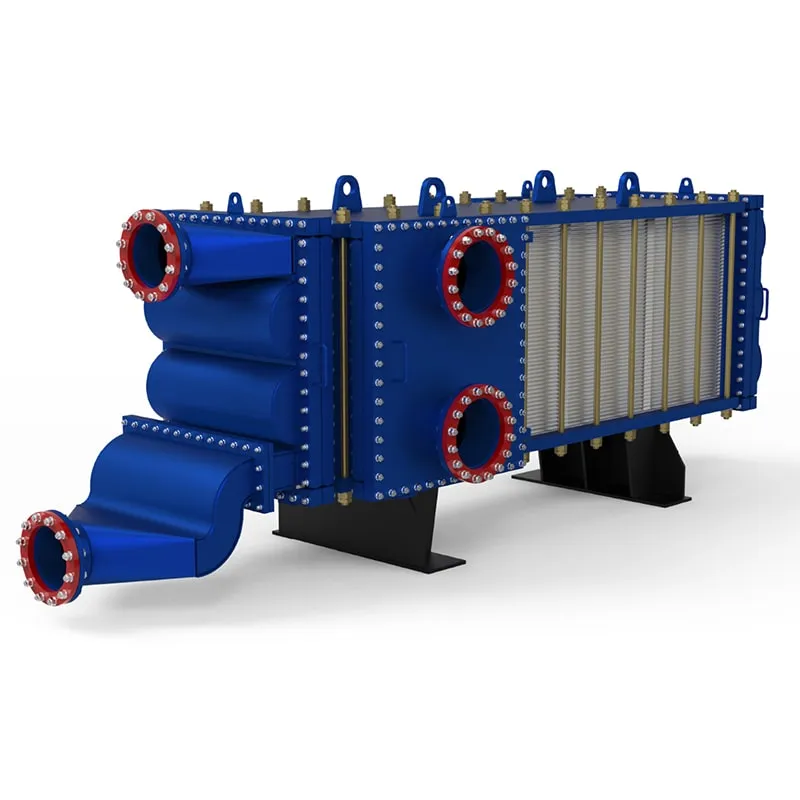
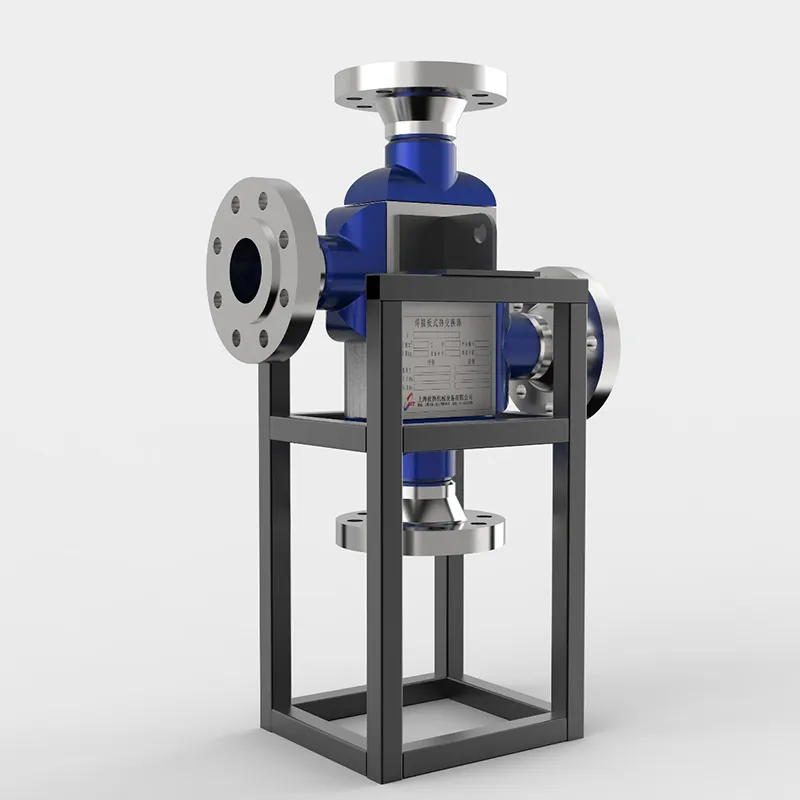
For most craft breweries (10–50 hL batches), a gasketed plate heat exchanger is the most cost-effective choice. For larger industrial breweries or those using high-temperature cleaning cycles, a TP welded plate heat exchanger offers greater durability and eliminates gasket replacement costs. If your process involves high solids or viscous fluids, a wide gap design may be necessary to prevent fouling.
Why Choose SHPHE for Your Brewery Plate Heat Exchanger?
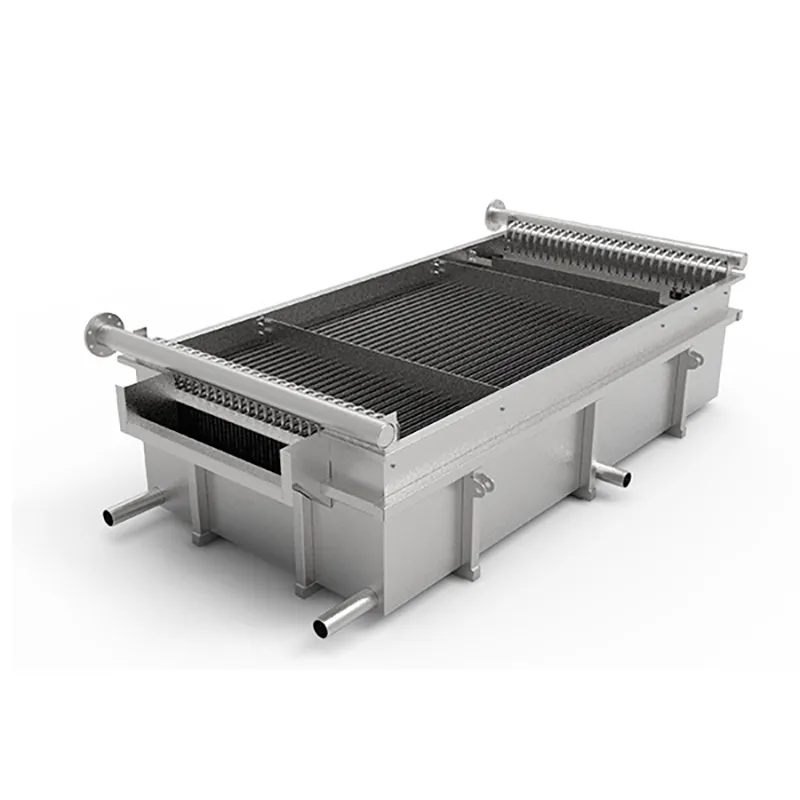
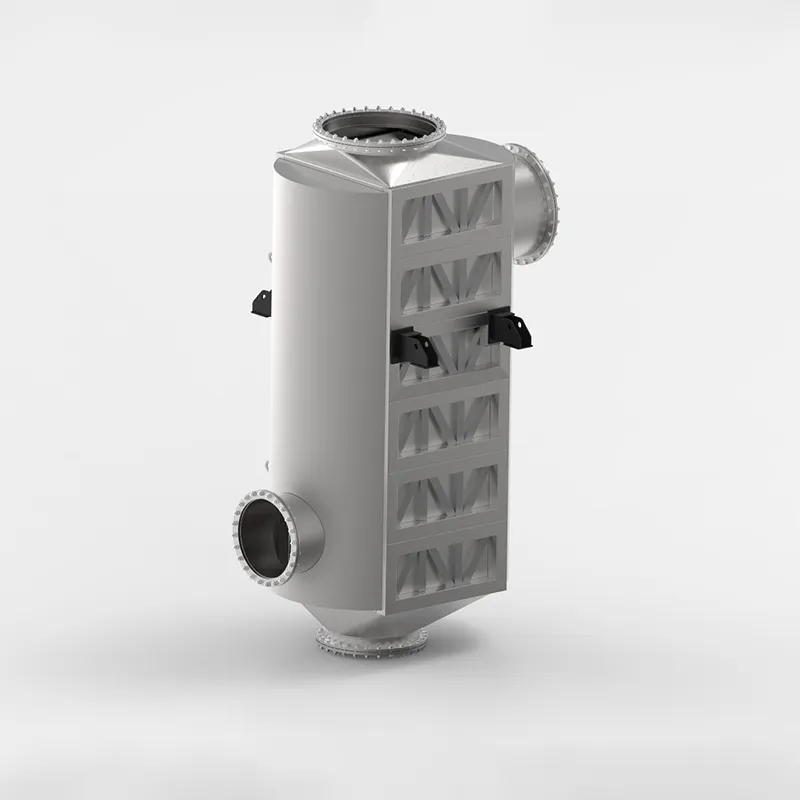
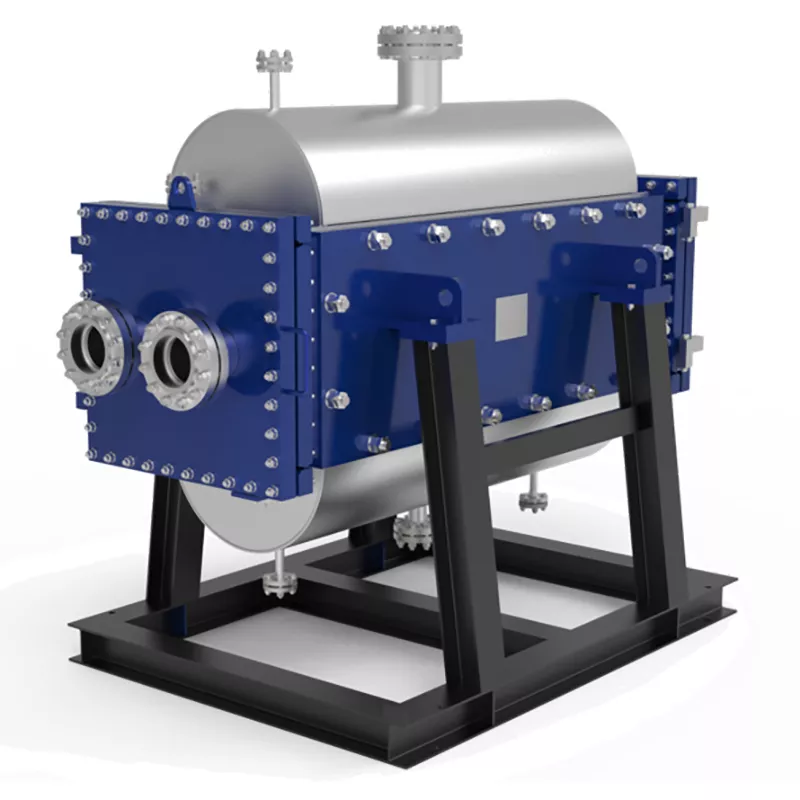
SHPHE is a Shanghai-based manufacturer established in 2005, exporting to over 20 countries with ISO9001 and ASME U certifications. Our product range includes HT-Bloc and TP welded plate heat exchangers, wide gap welded models, gasketed plate heat exchangers, PCHE, plate air preheaters, and pillow plates. For breweries, we offer both standard and custom-engineered solutions, with free thermal design and selection service to ensure your brewery plate heat exchanger meets exact process requirements.
Our gasketed plate heat exchangers are compatible with Alfa Laval and GEA frame geometries, making them a reliable drop-in replacement or alternative for existing installations. We also provide wide gap welded plate heat exchangers for applications with high particulate loads, and our HT-Bloc welded plate heat exchanger is ideal for high-temperature wort cooling up to 200°C without gasket concerns.
Frequently Asked Questions About Brewery Plate Heat Exchangers
Q: How often should I replace the gaskets on a brewery plate heat exchanger?
A: Gasket life depends on operating temperature and cleaning frequency. For wort cooling with EPDM gaskets, expect replacement every 3–5 years. If you use aggressive CIP chemicals or run at higher temperatures, consider a welded plate design to eliminate gasket maintenance.
Q: Can I use a brewery plate heat exchanger for both wort cooling and hot water recovery?
A: Yes, that's a standard practice. A two-stage setup uses the first stage to heat city water to 70–80°C for the next mash, and the second stage with glycol to reach pitching temperature. This can recover 80–90% of the heat from the wort.
Q: What size plate heat exchanger do I need for a 30 hL batch?
A: For a 30 hL batch, a unit with 40–60 plates of 0.5 m² each is typical, providing a total surface area of 20–30 m². The exact size depends on your target cooling time and available water temperature. SHPHE offers free thermal sizing based on your specific parameters.
Q: Is a gasketed or welded plate heat exchanger better for a brewery?
A: Gasketed units are more cost-effective for most craft breweries because they allow plate addition or removal for capacity changes. Welded units (like TP or HT-Bloc) are better for high-temperature or high-pressure applications and reduce long-term maintenance costs.
Q: How do I clean a brewery plate heat exchanger?
A: CIP cleaning with a 1–2% caustic solution at 80°C for 30 minutes, followed by an acid rinse, is standard. Ensure the unit is designed for CIP with adequate flow velocity (above 1.5 m/s) to prevent fouling buildup.
Q: Can I use a plate heat exchanger as a direct replacement for a shell-and-tube cooler?
A: Yes, in most cases. Plate heat exchangers offer 3–5 times higher heat transfer coefficients and require less floor space. However, you need to check pressure drop and connection sizes to ensure compatibility with your existing pumps and piping.
Request a Quote for Your Brewery Plate Heat Exchanger
Choosing the right brewery plate heat exchanger is a technical decision that affects your beer quality and operating costs for years to come. To get an accurate thermal design and quotation, please provide the following details when contacting us: wort flow rate (m³/h or hL/h), inlet and target outlet temperatures, available cooling water temperature and pressure, and any specific media or space constraints. Our engineering team will respond with a tailored solution within 48 hours.
Whether you need a standard gasketed model or a custom welded design, SHPHE delivers reliable, energy-efficient heat exchangers that meet the demands of modern brewing. Contact us today to discuss your project.

 English EN





User Comments
Service Experience Sharing from Real Customers
Tommy
Head BrewerWe swapped out our old single-pass unit for this plate heat exchanger last quarter, and the difference in cooling efficiency is night and day. Our wort drops from boiling to pitching temp in under 12 minutes now, even on heavy stout days. The gaskets seal tight without any of the weeping we used to get. Solid investment for any serious brew house.
Elena
Process EngineerI've specified plate heat exchangers for a dozen food plants, and this one holds up well under continuous CIP cycles. The 316L plates are holding their finish nicely after six months of daily caustic and acid washes. Only reason I'm not giving a perfect score is the manual could be clearer on torque specs for reassembly. Otherwise, solid thermal transfer and easy to pull apart for inspection.
Marcus
Shift ManagerHonestly, I was skeptical about buying a heat exchanger from a supplier that wasn't our usual go-to, but this thing has been a workhorse. We run it hard on our lager line—10-hour shifts, back-to-back—and it's never once clogged or lost pressure. The frame is beefy, and the plates slide out easy for cleaning. My whole team is happy with it.
Priya
Maintenance TechnicianIt works fine for our small batch setup, but don't expect it to handle aggressive fouling without frequent pulls. I've had to swap out a couple of plates due to pitting after a hard year of use, and replacement plates aren't cheap. Good for a nano brewery or pilot system, but if you're pushing high volumes daily, you might want something with thicker plates.