How to Select the Right Industrial Plate Heat Exchanger for Your Facility?
Understanding Your Facility's Thermal Load and Process Requirements, Evaluating Plate Material, Gasket Compatibility, and Corrosion Resistance, Comparing Plate Heat Exchanger Types: Gasketed, Brazed, and Welded, Assessing Flow Configuration, Pressure Drop, and Temperature Approach, Considering Maintenance, Cleaning Accessibility, and Lifecycle Costs
Jul-06-2026
Selecting the appropriate industrial plate heat exchanger for your facility requires a comprehensive evaluation of your specific thermal load and process parameters, including flow rates, inlet and outlet temperatures, and the physical properties of the fluids involved. It is essential to assess plate material and gasket compatibility with the process fluids to prevent corrosion and ensure long-term reliability, while also understanding the differences between gasketed, brazed, and welded designs to match your maintenance capabilities and pressure-temperature requirements. Flow configuration, pressure drop limitations, and the desired temperature approach must be carefully balanced to achieve optimal thermal performance without exceeding system constraints. Additionally, considerations for cleaning accessibility, ease of maintenance, and total lifecycle costs—including initial investment, energy consumption, and downtime—play a critical role in making a cost-effective and sustainable decision. By systematically analyzing these factors, facility engineers can select a heat exchanger that delivers efficient heat transfer, operational flexibility, and durability under demanding industrial conditions.
Understanding Your Facility's Thermal Load and Process Requirements
The first step in selecting an industrial plate heat exchanger is to accurately determine the thermal load your facility needs to handle. This involves calculating the heat transfer rate required to achieve desired temperature changes in your process fluids. Factors such as flow rate, specific heat capacity, and inlet/outlet temperatures must be measured or estimated precisely to avoid undersizing or oversizing the equipment.
Process requirements also dictate the type of plate heat exchanger that will perform optimally. Consider the chemical compatibility of fluids, operating pressure and temperature ranges, and whether your application involves fouling, viscous media, or particulates. For example, a wide-gap welded plate heat exchanger is suitable for fluids with solids or fibers, while a gasketed plate heat exchanger offers flexibility for clean fluids and moderate conditions.
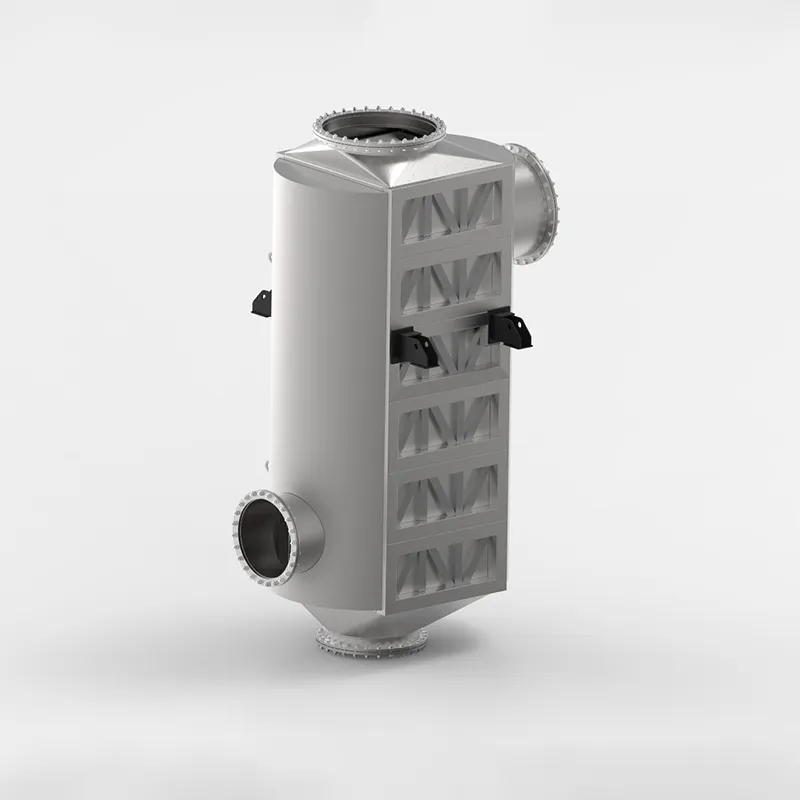
Additionally, evaluate the space constraints and maintenance accessibility within your facility. Compact designs like the HT-Bloc welded plate heat exchanger can fit into tight areas while providing high thermal efficiency. For extreme temperatures or pressures, custom-engineered printed circuit heat exchangers may be necessary. Always cross-reference your thermal load data with the manufacturer's performance curves to ensure a proper match.
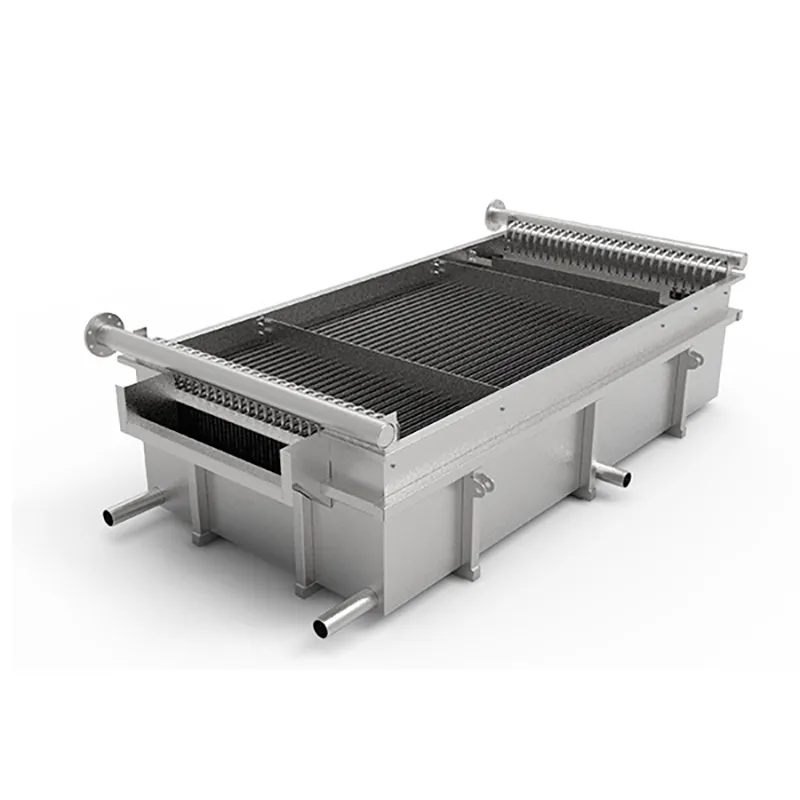
Finally, consider future scalability and potential changes in process conditions. A modular approach, such as using custom-engineered pillow plates, allows for easier expansion or reconfiguration. For specialized applications like air preheating, explore custom-engineered plate air preheaters or the TP welded plate heat exchanger for robust performance. Thorough analysis at this stage will save costs and downtime in the long run.
Evaluating Plate Material, Gasket Compatibility, and Corrosion Resistance
Selecting the correct plate material is critical for thermal performance and longevity. Stainless steel (AISI 304, 316) offers good general corrosion resistance, while titanium and Hastelloy are preferred for aggressive chloride or acidic environments. The plate thickness and pressing pattern also influence pressure rating and heat transfer efficiency.
Gasket compatibility is equally important. Elastomer materials such as NBR, EPDM, and Viton must be chosen based on fluid temperature, chemical composition, and pressure. Improper gasket selection can lead to leakage, cross-contamination, and reduced service life. Always verify the gasket’s resistance to the specific process fluids.
Corrosion resistance assessment should include pitting, crevice corrosion, and stress corrosion cracking risks. Conduct a thorough analysis of the fluid chemistry, operating temperature range, and potential for fouling. For high-corrosion applications, consider welded or brazed plate designs that eliminate gasket material limitations.
Finally, evaluate the manufacturer’s quality certifications and testing procedures. A reliable supplier will provide material certificates, pressure test reports, and corrosion test data. Proper material and gasket selection will maximize heat exchanger efficiency, reduce downtime, and extend equipment lifespan.
Comparing Plate Heat Exchanger Types: Gasketed, Brazed, and Welded
Selecting the appropriate plate heat exchanger (PHE) for your facility requires a clear understanding of the three main construction types: gasketed, brazed, and welded. Each design offers distinct advantages in terms of maintenance, pressure and temperature tolerance, and application suitability.
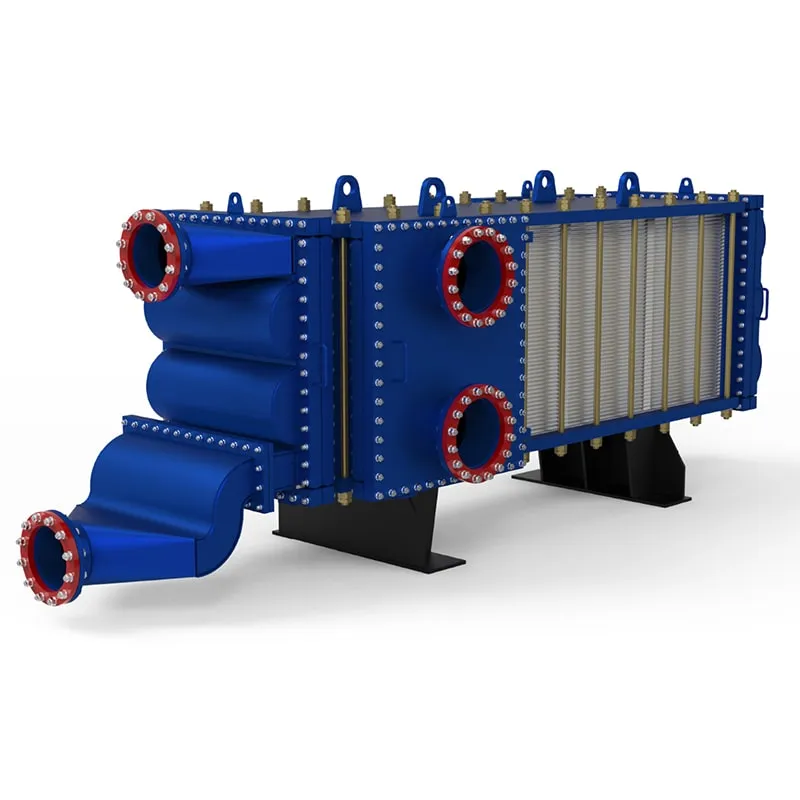
Gasketed Plate Heat Exchangers are the most common type, featuring elastomeric gaskets between plates. They allow for easy disassembly, cleaning, and plate addition or removal. These units are ideal for applications requiring frequent maintenance or capacity changes, operating typically up to 150°C and 25 bar.
Brazed Plate Heat Exchangers use copper or nickel brazing to seal the plate pack, eliminating gaskets. This compact design offers higher pressure (up to 30 bar) and temperature (up to 220°C) capabilities. They are cost-effective for closed-loop systems but cannot be disassembled for cleaning.
Welded Plate Heat Exchangers feature laser-welded plate pairs, combining the efficiency of plate technology with the robustness of welded construction. They handle extreme temperatures (up to 350°C) and pressures (up to 40 bar), making them suitable for aggressive media and high-duty industrial processes.
| Parameter |
Gasketed |
Brazed |
Welded |
| Max Temperature |
150°C |
220°C |
350°C |
| Max Pressure |
25 bar |
30 bar |
40 bar |
| Maintenance |
Fully accessible |
Non-serviceable |
Limited access |
| Capacity Modification |
Add/remove plates |
Fixed size |
Fixed size |
| Typical Cost |
Moderate |
Low |
High |
The table above summarizes the key differences among the three plate heat exchanger types. When selecting a unit, consider the operating conditions, required maintenance frequency, and budget constraints. Gasketed units offer flexibility, brazed units provide compact economy, and welded units deliver maximum durability for demanding environments.
For specialized applications, custom-engineered solutions such as plate air preheaters, wide gap welded units, and HT-bloc welded exchangers are available. Standard gasketed models can be explored via gasketed plate heat exchangers. Advanced options include printed circuit heat exchangers, TP welded plate heat exchangers, and pillow plates for unique process requirements.
Evaluate your facility's specific thermal duty, fluid compatibility, and space constraints before making a final decision. Consulting with a heat transfer specialist can help optimize your selection for long-term reliability and efficiency.
Assessing Flow Configuration, Pressure Drop, and Temperature Approach
Flow configuration determines how fluids move through the heat exchanger channels. Common arrangements include counterflow, parallel flow, and crossflow. Counterflow typically offers the highest thermal efficiency, making it the preferred choice for most industrial applications where temperature approach is critical.
Pressure drop is a key factor affecting pump energy consumption and system operating costs. Lower pressure drops reduce pumping requirements but may require larger plate surface areas. Balancing pressure drop with heat transfer performance is essential for optimizing total cost of ownership.
Temperature approach, defined as the difference between outlet temperatures of the hot and cold fluids, directly impacts exchanger size and capital cost. A closer temperature approach requires more plate area or additional passes, while a wider approach reduces size but may not meet process requirements.
For detailed technical guidance on selecting the appropriate plate heat exchanger configuration for your facility, refer to this engineering resource.
Considering Maintenance, Cleaning Accessibility, and Lifecycle Costs
When selecting an industrial plate heat exchanger, maintenance requirements directly impact operational efficiency. Units with easy access to plates reduce downtime and labor costs. Gasketed designs allow for quick disassembly, while welded options may require specialized cleaning procedures.
Cleaning accessibility is critical for processes involving fouling fluids. Wide-gap or fully welded plate heat exchangers offer enhanced cleaning routes. Evaluate whether your facility can perform chemical cleaning in place (CIP) or if mechanical cleaning is necessary.
Lifecycle costs include initial purchase, installation, energy consumption, and maintenance over the equipment's lifespan. A lower upfront cost may lead to higher long-term expenses if cleaning is frequent or difficult. Compare total cost of ownership across different plate heat exchanger types.
Key Maintenance Considerations
• Gasketed plate heat exchangers allow individual plate removal for inspection and cleaning. This reduces downtime but requires gasket replacement over time.
• Fully welded or brazed units have no gaskets, lowering leak risk but making internal cleaning more challenging. They suit high-temperature or high-pressure applications.
• Wide-gap designs handle viscous fluids and particulates, with wider channels that simplify cleaning. They are ideal for food processing or wastewater treatment.
Cleaning Accessibility Factors
• Access to both sides of the heat transfer surface is essential for thorough cleaning. Removable plate bundles or swing bolts improve access.
• For CIP systems, ensure the heat exchanger design supports adequate flow velocity and chemical contact time. Check manufacturer recommendations for cleaning agents.
• In sanitary applications, look for designs with no dead legs or crevices where bacteria can accumulate. Polished surfaces aid cleaning validation.
Lifecycle Cost Analysis
• Initial cost: Gasketed units are generally less expensive than welded or custom-engineered options. However, factor in gasket replacement every 3-5 years.
• Energy efficiency: Plate heat exchangers offer high thermal efficiency, reducing energy costs. Fouling increases pressure drop and energy consumption, so cleanability directly affects operating expenses.
• Downtime costs: Units that are difficult to clean cause longer shutdowns. For continuous processes, choose designs that minimize cleaning frequency and duration.
Summary & Key Takeaways
Understanding Your Facility's Thermal Load and Process Requirements
Accurately calculating the thermal load and defining process parameters such as flow rates, inlet/outlet temperatures, and fluid properties is the foundational step in selecting a plate heat exchanger. This ensures the unit can meet your specific heating or cooling demands without oversizing or undersizing.
Evaluating Plate Material, Gasket Compatibility, and Corrosion Resistance
Selecting the correct plate material (e.g., stainless steel, titanium, or nickel alloys) and gasket material (such as EPDM, NBR, or Viton) based on fluid chemistry, temperature range, and corrosion potential is critical for long-term reliability and preventing premature failure.
Comparing Plate Heat Exchanger Types: Gasketed, Brazed, and Welded
Each design offers distinct advantages: gasketed units provide flexibility for cleaning and plate replacement; brazed models offer compactness and high efficiency for clean fluids; welded versions handle extreme temperatures and aggressive media. Your choice should align with maintenance capabilities and process severity.
Assessing Flow Configuration, Pressure Drop, and Temperature Approach
Counter-current flow typically maximizes thermal efficiency. Evaluating allowable pressure drop and temperature approach (the smallest temperature difference between streams) ensures the exchanger operates within system constraints while achieving the desired heat transfer rate.
Considering Maintenance, Cleaning Accessibility, and Lifecycle Costs
Factor in ease of disassembly, gasket replacement frequency, and cleaning methods (CIP or manual). A lower initial purchase price may be offset by higher maintenance costs over time. A thorough lifecycle cost analysis ensures the most economical and sustainable choice for your facility.
Selecting the right industrial plate heat exchanger requires a balanced evaluation of thermal performance, material compatibility, design type, hydraulic constraints, and total cost of ownership. Prioritize your facility's specific operational needs and long-term maintenance strategy to achieve optimal efficiency and reliability.
How to Select the Right Industrial Plate Heat Exchanger for Your Facility?
Start by thoroughly analyzing your facility's thermal load, including peak demand, fluid types, temperature ranges, and flow rates. This foundational step ensures the heat exchanger can handle process variations without oversizing or undersizing.
Understanding Your Facility's Thermal Load and Process Requirements
Accurate thermal load calculation involves measuring inlet/outlet temperatures, flow rates, and specific heat capacities. Also consider future expansion, fouling factors, and whether the process involves heating, cooling, or heat recovery.
Evaluating Plate Material, Gasket Compatibility, and Corrosion Resistance
Select plate materials (e.g., stainless steel, titanium, Hastelloy) based on fluid corrosivity and temperature. Gaskets must be compatible with chemicals and thermal cycling—common options include NBR, EPDM, and Viton.
Comparing Plate Heat Exchanger Types: Gasketed, Brazed, and Welded
Gasketed units offer flexibility and easy cleaning; brazed types are compact and leak-resistant; welded versions handle high temperatures and aggressive fluids. Choose based on maintenance needs and operating conditions.
Assessing Flow Configuration, Pressure Drop, and Temperature Approach
Counterflow or parallel flow affects efficiency. Lower pressure drop reduces pumping costs but may require larger surface area. A close temperature approach (e.g., 2–5°C) demands more plates but improves heat recovery.
Considering Maintenance, Cleaning Accessibility, and Lifecycle Costs
Gasketed designs allow plate access for manual cleaning; brazed units may require chemical cleaning. Evaluate spare part availability, gasket replacement frequency, and total cost of ownership over 10–15 years.

 English EN





User Comments
Service Experience Sharing from Real Customers
Elena
Maintenance SupervisorWe swapped out an old gasketed unit for this plate heat exchanger six months ago in our dairy pasteurization line. The thermal efficiency is noticeably better—our outgoing product temp is rock steady now. Clean-in-place cycles are a breeze with the new port design. Only gripe is the initial torque spec on the tightening bolts was a bit finicky, but once we got it dialed, zero leaks. Solid build.
Raj
Process EngineerSpec’d this for a small-scale chemical batch cooling loop. The compact footprint saved us a ton of floor space compared to a shell-and-tube. Pressure drop is higher than I expected at full flow, but the heat transfer coefficient makes up for it. We’re running a 30% glycol mix and haven’t seen any fouling issues yet. Would recommend if you need precise temp control in a tight spot.
Mia
HVAC Systems TechnicianInstalled this in a district cooling plant for a university campus. The titanium plates handle the slightly corrosive water without a sweat. I’ve been on call for three months and haven’t had a single callback. The gasket design is smart—no more wrestling with glued-on seals during maintenance. My boss is happy because downtime dropped. Easy five stars from a field guy.
Tomás
Plant ManagerWorks great for our hot water preheat duty—steady performance and the copper-brazed plates heat up fast. I’m knocking off two stars because the manual’s flow direction diagram was wrong for our model, and tech support took two days to get back to us. Once we figured it out, it’s been fine. For a critical process I’d want faster support, but for general use it’s a decent unit.